Bank of Canada increases repo operations to ease pressure on key rate
Deputy governor Toni Gravelle says the central bank is expanding its two-week repo operations to address upward pressure on the overnight funding rate.
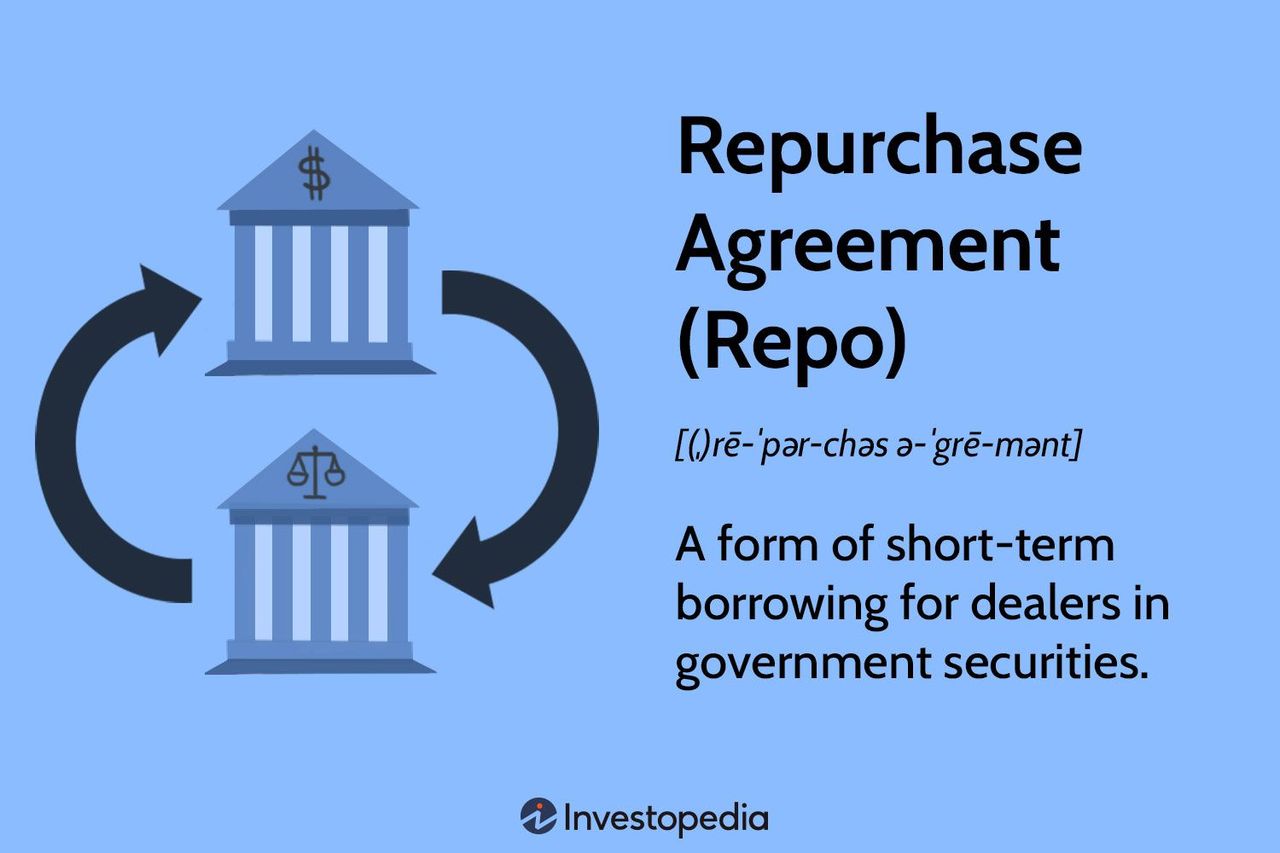
NEW YORK — The Bank of Canada is trying to reduce upward pressure on a key overnight funding rate by regularly increasing the size of its two-week repo operations, deputy governor Toni Gravelle said Tuesday.
Gravelle outlined how the central bank is addressing the upward drift of CORRA, the Canadian Overnight Repo Rate Average, at the Bloomberg Canadian Finance Conference in New York.
"We now regularly increase the size of our two-week repo operations to get ahead of expected or seasonal pressures around quarter-end reporting dates for Canadian banks or large government bond maturities," Gravelle said.
READ MORE: Bank of Canada says interest rates are 'too blunt' to fix housing affordability
READ MORE: Bank of Canada faces pivotal rate decision after key data releases next week
"Supplying extra term cash in the repo market in this way helps reduce the likelihood of upward CORRA pressure."
The deputy governor said that while the central bank doesn’t want to react to every deviation in CORRA, it can "tolerate only so much upward pressure."
CORRA measures the cost of overnight money using Canadian government treasury bills and bonds as collateral for repurchase transactions. It’s supposed to closely track the central bank’s target for the overnight rate.
The remarks follow multi-year liquidity strains in Canada’s overnight repo markets, which had regularly pushed CORRA above the central bank’s target for the benchmark interest rate.
Those pressures intensified as the Bank of Canada shrunk its balance sheet during quantitative tightening, prompting policymakers to try reviving repo auctions, lowering the deposit rate, and other means of relief.
On Tuesday, CORRA was priced five basis points above the bank’s target for the overnight rate.
The central bank added two-week term repo operations to its toolkit in October 2025.
Settlement balances are above the bank’s estimated steady-state range, and funding strains still emerge when liquidity demand spikes among major lenders and market participants.
The Bank of Canada also issued a joint statement with the Office of the Superintendent of Financial Institutions aimed at alleviating concerns about the use of the Standing Liquidity Facility, or SLF.
The statement stressed that both institutions consider SLF use "to be consistent with routine liquidity management activities," and not an exceptional measure.
Gravelle said the statement was issued because some financial institutions worry that using the SLF could "send the wrong signal." He said they should instead feel comfortable using it for unexpected shortfalls in end-of-day liquidity.
He also confirmed that the central bank will start using the Canadian Collateral Management Service, a platform that automates parts of repo transactions to cut inefficiencies, in the first quarter of 2027.
The central bank previously announced plans to join the platform, as well as its intention to eventually centrally clear its own repo operations using the Canadian Derivatives Clearing Corporation.
With files from Financial Post