Edmonton infill housing debate escalates as residents, developers and government clash over zoning changes
Growing tensions over Edmonton's infill housing policies have drawn provincial attention, with residents employing restrictive covenants, property purchases and political pressure to limit multi-unit developments in established neighborhoods.
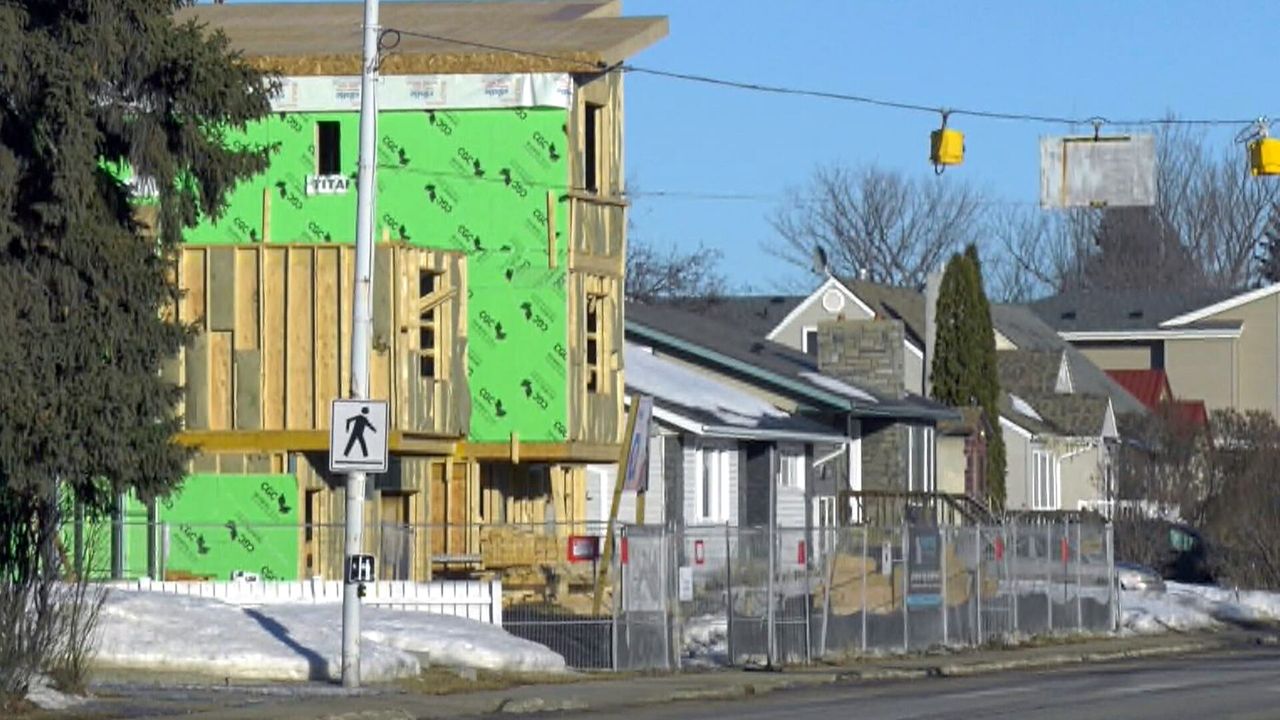
The ongoing conflict over Edmonton's approach to infill housing has intensified significantly, reaching a point where provincial intervention appears increasingly likely. At the heart of the debate lies a fundamental disagreement about how the city should grow and evolve, with homeowners, developers and government officials all staking competing claims about what constitutes appropriate neighborhood development.
The McQueen neighborhood controversy
A particularly illustrative case emerged in west-central Edmonton's McQueen neighborhood, where a proposed eightplex development sparked substantial community opposition. The property near 146 Street and 110 Avenue became a flashpoint in the broader infill debate when real estate agent and developer Terry Paranych intervened after concerned residents reached out to him.
"This is a very quiet residential street. It's a one-entry crescent with a beautiful green space and the community was very, very concerned about it,"Paranych explained.
The resolution came when Paranych purchased the property from the original developer and proposed building a 2,500-square foot urban craftsman-style home instead. This single-family dwelling, featuring four bedrooms, a veranda, attached double garage and sizable backyard, represents what Paranych calls
"the perfect family home"for the location. This marks at least the sixth instance in less than a year where Paranych has intervened to prevent multi-unit developments in established neighborhoods after being approached by concerned communities.
READ MORE: Toronto mayoral candidates clash over property taxes, transit and housing in first debate
READ MORE: Liberals propose higher threshold for strike interventions in sweeping labour code changes
Historical context of restrictive covenants
Edmonton homeowners facing unwanted development are increasingly turning to restrictive covenants as a legal tool to maintain neighborhood character. These binding agreements, which attach to property titles and persist through sales, can dictate various development parameters including building height, unit count, and parking requirements. The use of such covenants in Edmonton dates back over a century, with notable early examples including the Carruthers Caveat that shaped the prestigious Glenora neighborhood in the 1910s.
Earlier this summer saw a significant coordinated effort in south Edmonton's Duggan and Rideau Park neighborhoods, where hundreds of homeowners signed 20-year covenants establishing development limits. While not banning infill outright, the Duggan covenant imposes specific constraints including a maximum building height of two storeys or eight meters, caps on the number of units, and mandatory on-site parking provisions. These neighborhoods, developed primarily between the 1960s and 1980s south of Whitemud Drive and west of Calgary Trail, represent classic postwar suburban development patterns now facing pressure for densification.
Policy origins and resident backlash
The current conflict stems from significant zoning bylaw changes implemented by the City of Edmonton in 2023 that permit multi-unit buildings up to three storeys in all residential neighborhoods. These changes were designed to facilitate increased housing supply and variety while promoting more efficient land use and reducing urban sprawl. The federal government reinforced this approach in early 2024 with a $175 million commitment through the Housing Accelerator Fund, intended to fast-track over 5,200 new housing units within three years.
Despite these policy intentions, implementation has sparked substantial resident opposition. Critics argue the changes were imposed without adequate community consultation, with many homeowners expressing concerns about impacts on property values, neighborhood character, parking availability, and construction quality. As Paranych observed,
"There's just no consultation, and they just put them up, and that's why the communities are clearly upset."Some residents have gone so far as to suggest legal action against city officials who approved the zoning changes despite apparent public opposition.
Political dimensions and provincial involvement
The infill debate has now entered provincial political territory, with Alberta Premier Danielle Smith announcing a review of Edmonton's citywide rezoning approach. During a recent episode of her radio program, Smith referenced constituent complaints about the scale of redevelopment, noting how
"lots that once contained one house are being converted into properties containing four more townhouse-style units,"sometimes spanning multiple adjacent properties.
The issue also became a significant factor in Edmonton's 2025 municipal election, reflecting broader tensions between urban planning priorities and neighborhood preservation concerns. Some critics have drawn parallels to similar controversies in Calgary, where zoning changes were reportedly implemented despite public opposition, though subsequent municipal leadership failed to reverse the policies as some had anticipated.
Divergent development philosophies
The debate reveals fundamentally different approaches to urban development among builders and developers. While some prioritize maximizing unit counts on available land, others like Paranych emphasize community-sensitive approaches that maintain neighborhood character. With twenty years of infill experience, Paranych stresses the importance of community engagement:
"We talk to the neighbours, we talk to the community, we get involved and we want their input on what we're going to be, ultimately, building on their streets. That collaboration process is really important."
This philosophy stands in contrast to what Paranych describes as more aggressive development practices where builders acquire properties without neighborhood consultation. He highlights the potential financial impacts on existing homeowners, posing the pointed question:
"Could you imagine buying a home, moving into a neighbourhood to become a fabric of that community, and then something on either side goes next to you and you lose $400,000 or $500,000 in value of your home? It's devastating and its been happening all over."
Broader implications for urban development
The Edmonton infill debate encapsulates fundamental challenges facing Canadian cities as they attempt to address housing affordability and availability while respecting established community character. The conflict illustrates the tensions that emerge when municipal housing policies appear to residents as being imposed without adequate consultation or consideration of local impacts.
As cities across Canada pursue densification strategies to accommodate growing populations and address housing shortages, Edmonton's experience offers important lessons about implementation approaches. The situation highlights the delicate balance required between policy innovation aimed at increasing housing supply and meaningful community engagement processes that build public support for change.
With the provincial government now reviewing Edmonton's zoning approach, the outcome could establish significant precedents for municipal-provincial relations in urban planning matters. The controversy also raises complex questions about property rights, with restrictive covenants representing both a tool for neighborhood preservation and a potential mechanism for exclusionary practices that might limit housing options and affordability.