Enbridge expands U.S. footprint with $2.55B acquisition of Tallgrass Energy oil assets
Calgary-based Enbridge continues aggressive U.S. expansion with major pipeline and storage acquisitions, signaling long-term confidence in American energy markets during CEO transition.
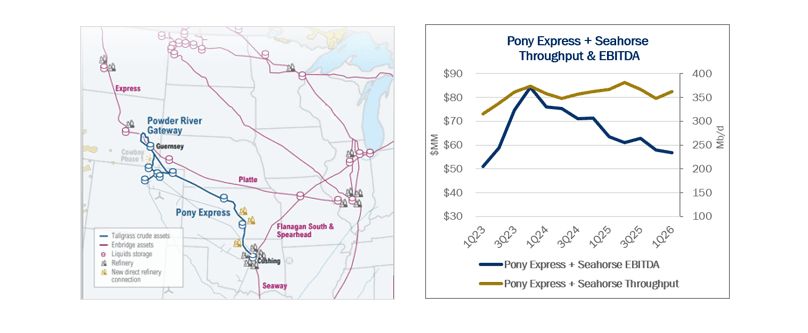
Calgary-based energy infrastructure giant Enbridge Inc. is making another significant strategic push into U.S. markets with a US$2.55 billion deal to acquire the crude oil business of Tallgrass Energy LP. This substantial transaction, announced Wednesday, represents Enbridge's second major U.S. oil infrastructure purchase within two weeks as the company strategically positions itself for long-term growth in American energy markets. The back-to-back acquisitions demonstrate Enbridge's commitment to expanding its midstream operations beyond Canadian borders at a time when domestic energy projects face regulatory hurdles.
Detailed breakdown of acquired assets
The Tallgrass acquisition provides Enbridge with a 75% ownership stake in the strategically important Pony Express Pipeline, a 460,000-barrel-per-day system that serves as a critical conduit for crude oil transportation from the productive Rocky Mountain region to the vital storage hub in Cushing, Oklahoma. Cushing serves as the delivery point for West Texas Intermediate crude futures and is considered the most significant oil trading hub in North America. As part of the agreement, Enbridge has committed to a US$300 million expansion project that will increase Pony Express' capacity by 55,000 barrels per day to reach 515,000 barrels daily, enhancing its ability to meet growing transportation demands in the region.
The comprehensive deal also grants Enbridge majority control (51%) of Wyoming's Powder River Gateway system, an important gathering system in one of the nation's emerging oil production areas. Additionally, the transaction includes approximately 8.4 million barrels of storage capacity distributed across nine strategically located terminals, along with an established crude marketing business that will provide Enbridge with enhanced market access and trading capabilities. This combination of transportation, storage and marketing assets creates a vertically integrated midstream operation in key U.S. oil-producing regions.
READ MORE: Emera increases dividend for 20th consecutive year
READ MORE: Stephen Jarislowsky, billionaire investor and corporate governance champion, dies at 101
Strategic expansion in competitive U.S. market
This latest move follows closely on Enbridge's US$600 million purchase announced two weeks earlier of Salt Creek Midstream's crude oil gathering operations in the prolific Permian Basin of Texas. Together, these acquisitions represent a nearly US$3.2 billion investment that significantly expands Enbridge's U.S. midstream footprint and strengthens its competitive position in key American oil-producing regions. The back-to-back deals suggest a deliberate strategy to capture market share in areas with growing production potential.
"Both acquisitions represent the types of opportunities that do not come along very often, and even more rarely meet our disciplined evaluation criteria," CEO Greg Ebel stated during Wednesday's conference call with investors. His comments underscore the strategic value Enbridge sees in these assets and the careful selection process behind the acquisitions. The company appears to be targeting infrastructure that provides both immediate cash flow and long-term growth potential as U.S. oil production continues to evolve.
Leadership transition during major expansion
The timing of these major deals coincides with a planned leadership transition at Enbridge. Ebel announced his upcoming retirement just one day before the Tallgrass acquisition was made public, with current gas utilities head Michele Harradence set to take over as CEO at year's end. This changing of the guard during a period of aggressive expansion speaks to Enbridge's corporate stability and long-term planning.
Ebel emphasized the company's operational continuity during this transition period, telling analysts, "Our continued momentum on these strategically important transactions during a time of CEO succession reflects the strength of Enbridge's planning, deep bench strength and execution capabilities." The smooth handling of major acquisitions during a leadership transition suggests institutional resilience and a shared strategic vision among senior management.
Long-term U.S. market strategy and global outlook
Enbridge's corporate release framed the Tallgrass purchase as part of a comprehensive long-term strategy to capitalize on U.S. energy production growth. The company stated it believes American crude oil output will remain crucial to meeting global energy demand for decades to come, citing projections showing sustained need for fossil fuels even as renewable energy gains market share. The Tallgrass deal specifically "positions the company to lead this mission" by securing infrastructure in regions with substantial reserves and production potential.
The acquisition, expected to close in 2026 pending satisfaction of standard closing conditions including U.S. antitrust reviews, represents a long-term bet on U.S. energy infrastructure. The extended timeline allows for regulatory scrutiny and integration planning while demonstrating Enbridge's patience and discipline in executing its growth strategy.
Canadian context and market implications
Enbridge's aggressive U.S. expansion signals both confidence in American energy markets and a strategic shift for Canada's pipeline giant. These acquisitions diversify Enbridge's asset base beyond its traditional Canadian stronghold while securing key infrastructure in productive U.S. oil regions. The contrast between rapid U.S. expansion and stalled Canadian projects highlights the different regulatory environments in the two countries.
The timing during a CEO transition demonstrates institutional stability, while the scale of investment reflects long-term bets on continued U.S. oil production growth. For Canada's energy sector, these moves highlight the ongoing challenge of attracting comparable domestic investment amid regulatory uncertainty and political opposition to pipeline projects. The deals position Enbridge to benefit regardless of which country's production grows fastest in coming decades, making it a hedge against regional market fluctuations and policy changes.
Industry perspective and future outlook
Energy analysts view Enbridge's recent acquisitions as strategically sound moves that complement its existing asset portfolio. The Pony Express pipeline provides connectivity between growing production areas and major demand centers, while the storage assets offer flexibility in managing supply chains. The acquisitions also demonstrate Enbridge's ability to identify and execute on valuable midstream opportunities even as some competitors retrench.
Looking ahead, Enbridge appears well-positioned to capitalize on expected growth in U.S. oil production, particularly from shale formations in the Rocky Mountain region. The company's balanced approach, combining immediate cash-generating assets with expansion potential, suggests a sustainable growth strategy that should provide stability through energy market cycles. As global energy demand evolves, Enbridge's diversified North American footprint gives it multiple avenues for growth while mitigating regional risks.