Four Native American tribes launch prediction market apps with Kalshi
The deals involve tribes in California and Oklahoma and have drawn criticism from established tribal gaming organizations.
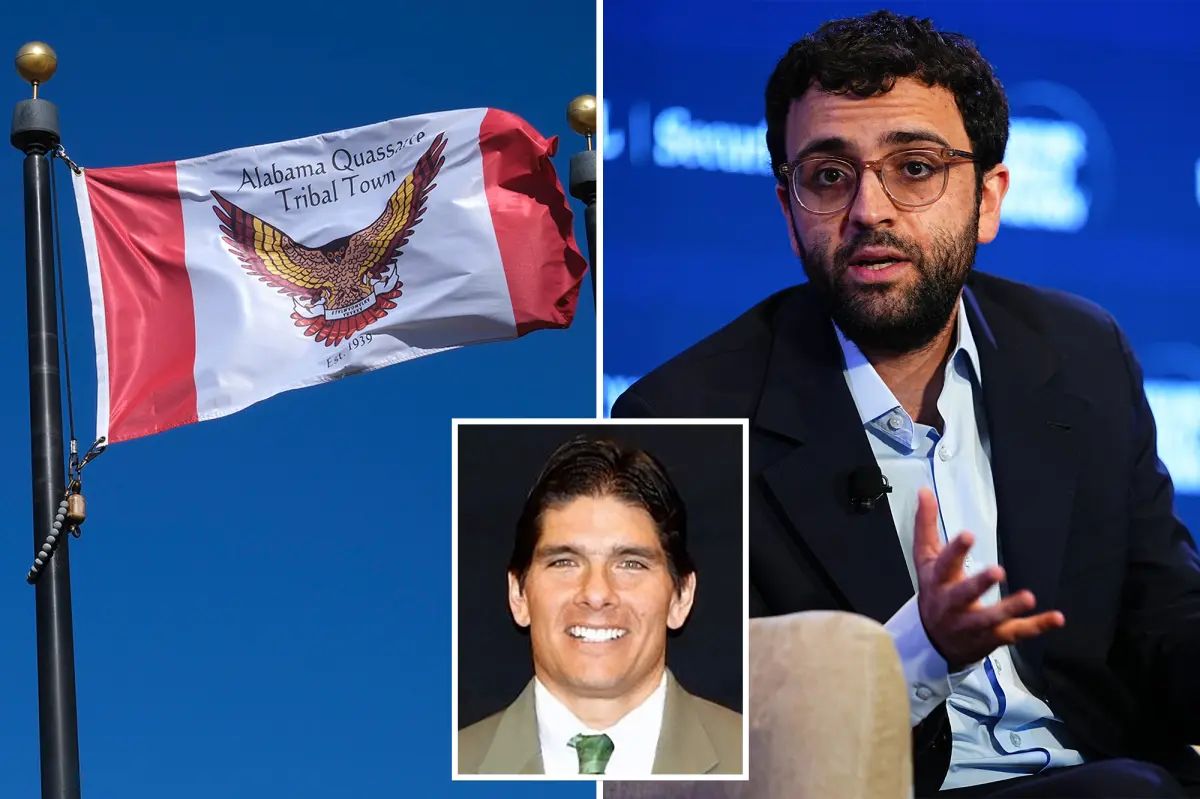
Four Native American tribes have partnered with prediction market operator Kalshi to launch tribal-branded apps, expanding the company's ties with Indigenous communities.
The Alabama-Quassarte Tribal Town in Oklahoma and the Greenville Rancheria, Alturas Indian Rancheria and Kletsel Dehe Wintun Nation in California announced the partnerships on Wednesday.
Under the arrangements, each tribe will own its app and control the customer-facing business, while Kalshi operates the underlying exchange and handles trade execution and clearing.
READ MORE: US Senate Rejects Digital Asset Market Clarity Act, Dealing Blow to Crypto and Prediction Markets
READ MORE: MGM and Caesars rule out prediction markets over licence risk
“More tribes are recognizing that federally regulated prediction markets offer a real path to new, sustainable revenue,” said Kalshi CEO Tarek Mansour.
The Alabama-Quassarte Tribal Town is launching PokkeTrades; the Greenville Rancheria is launching Greenville; the Kletsel Dehe Wintun Nation, through its Kletsel Economic Development Authority, is launching Sovereign Edge; and the Alturas Indian Rancheria is launching AIR Markets, Inc.
Only Alturas Indian Rancheria currently operates a casino among the four newly announced partners.
“Geography has kept many tribes from sharing in the prosperity that gaming created,” said Chief Wilson Yargee of the Alabama-Quassarte Tribal Town. “Prediction markets offer an opportunity to reach beyond those limits and build revenue for our people.”
The deals have drawn criticism from established tribal gaming organizations. The Indian Gaming Association has opposed Kalshi’s expansion into tribal markets.
“Kalshi is clearly targeting smaller tribes that have limited, if any, options and selling them snake oil,” IGA Executive Director Jason Giles said.
The California Nations Indian Gaming Association said the tribe’s involvement was ‘disappointing.’
“The decision by several California Tribal Nations to partner with Kalshi is disappointing, but it doesn’t change the fact that this activity is still illegal,” a spokesperson at CNIGA said.
The partnerships follow the Tunica-Biloxi Tribe of Louisiana, which struck a similar agreement with Kalshi last month.
“Prediction markets are part of the economic future, and tribes left out of lucrative gaming markets deserve a chance to participate,” said Michael Stopp, vice president of economic development for the Alabama-Quassarte Tribal Town.
Eric Wright, CEO of KEDA, said the partnership could help the tribe address economic needs, including funding water infrastructure projects.
“The digital commodities marketplace gives us an opportunity to build beyond those limits,” Wright said.
The legal dispute centers on whether sports event contracts constitute gambling subject to tribal and state gaming laws or financial instruments regulated at the federal level.
In Blue Lake Rancheria v. Kalshi, the Ninth Circuit ruled in September that Blue Lake Rancheria and Chicken Ranch Rancheria of Me-Wuk Indians were likely to succeed with claims that Kalshi’s sports contracts amounted to Class III gaming on tribal lands.
Kalshi describes its products as “event contracts” and “swaps” overseen by the Commodity Futures Trading Commission.
Today, 145 Tribes and Tribal organizations filed an amicus brief with the United States Supreme Court reaffirming opposition to Kalshi and other prediction markets.