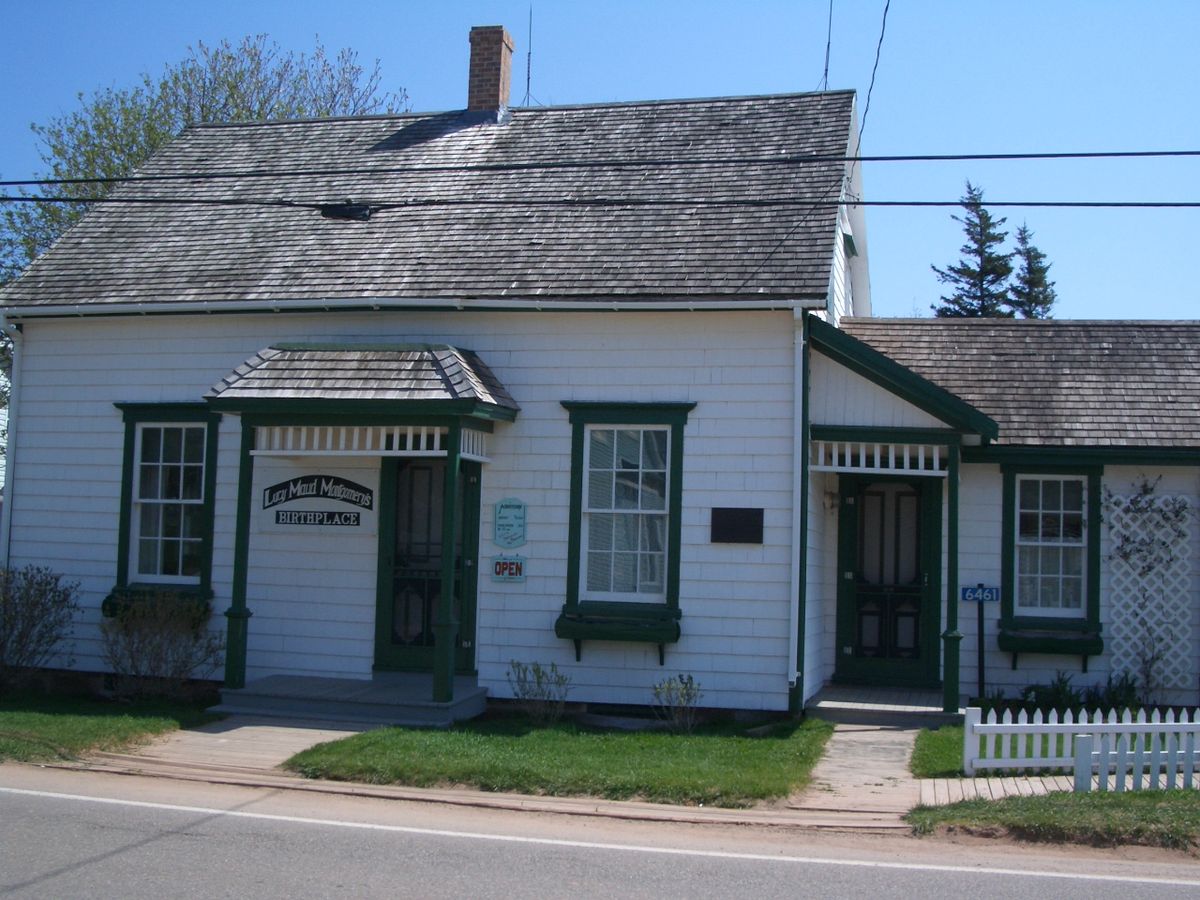
Anne of Green Gables
Anne of Green Gables is a classic 1908 novel by Canadian author Lucy Maud Montgomery. It tells the story of Anne Shirley, an imaginative 11-year-old orphan mistakenly sent to live with siblings Matthew and Marilla Cuthbert on their farm in the fictional Prince Edward Island community of Avonlea. The book is a fundamental work of Canadian literature, celebrated for its vivid depiction of rural life and its spirited, talkative heroine. It has sold over 50 million copies worldwide, inspired numerous adaptations, and remains a major cultural and economic touchstone for Prince Edward Island.
Plot and characters
The novel follows Anne Shirley from age eleven to sixteen after she is mistakenly sent from an orphanage to the elderly Cuthbert siblings, Matthew and Marilla, who had requested a boy to help on their Green Gables farm. Stern Marilla initially intends to send Anne back but is persuaded by gentle Matthew to let the imaginative, talkative girl stay. Anne's adventures in Avonlea include forging a deep friendship with her neighbour Diana Barry, whom she calls a 'bosom friend,' and a spirited rivalry with classmate Gilbert Blythe, who offends her by teasing her about her red hair. The narrative details Anne's academic successes, her frequent domestic mishaps like accidentally dyeing her hair green, and her growth within the community. After excelling at Queen's Academy and winning a scholarship for further study, Anne renounces it to stay at Green Gables following Matthew's death and Marilla's failing eyesight. In a kind act, Gilbert Blythe gives up his teaching post in Avonlea for her, leading to a reconciliation and a hopeful future for their friendship.
The central characters are defined by their relationships with Anne. Matthew Cuthbert is a shy, kind man who instantly loves Anne and indulges her, while his sister Marilla is austere but fair, gradually developing a deep affection for her. Anne's best friend Diana Barry is a loyal, pretty girl who lacks Anne's imagination but shares her capacity for devotion. Gilbert Blythe evolves from a teasing rival into a respectful and generous friend. Other notable residents of Avonlea include the busybody neighbour Mrs. Rachel Lynde, who initially clashes with Anne, and the inspiring teacher Miss Muriel Stacy, who encourages Anne's intellectual ambitions and helps prepare her for Queen's Academy.
Inspiration and creation
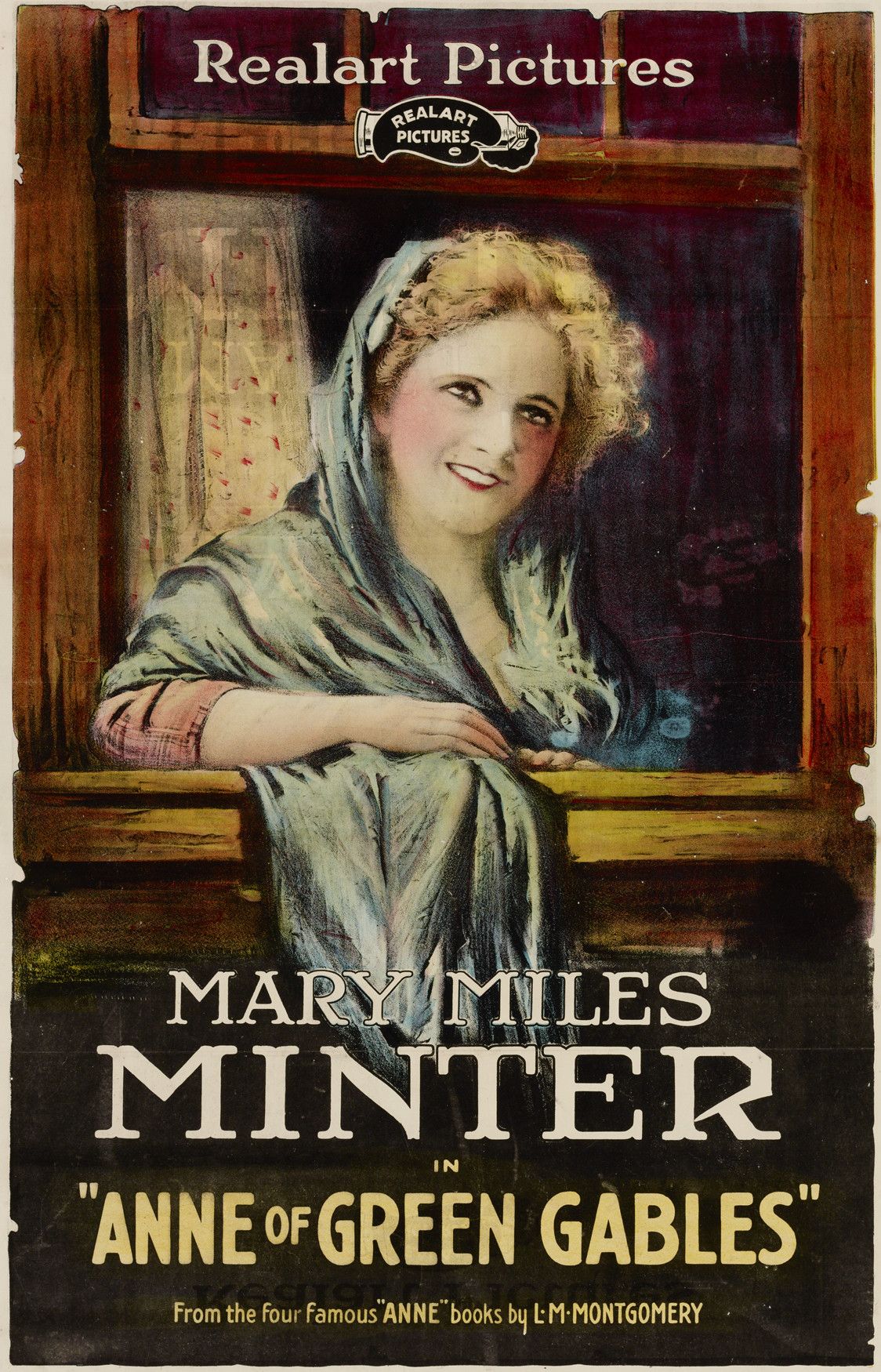
Lucy Maud Montgomery drew inspiration from several personal sources while writing the novel. She based the premise on a childhood note about two siblings who received an orphan girl by mistake, and the setting of Avonlea is heavily inspired by Montgomery's own childhood experiences in Cavendish, Prince Edward Island. For Anne's appearance, Montgomery used a clipped photograph of American model Evelyn Nesbit, which she kept on her bedroom wall as a representation of youthful idealism. While popular formula stories of the era often featured orphan girls named Ann, Montgomery distinguished her heroine by adding an 'e' to the name, and she wrote much of the novel in the twilight hours while looking out over the fields of Cavendish. Several characters were partially based on people Montgomery knew, with Gilbert Blythe sharing traits with individuals from her past, and the fictional communities of Avonlea and Bolingbroke are directly modelled on real Prince Edward Island locations like Cavendish and New London.
This deep connection to her home province imbues the novel with an authentic sense of place that has become synonymous with the Island itself. Montgomery's original manuscript is preserved by the Confederation Centre of the Arts in Charlottetown, Prince Edward Island. Since 2022, the Centre has hosted a project in which digital images of the entire manuscript can be examined online. A transcript of the manuscript was published by Nimbus Publishing in 2019. Montgomery's original typescript and the corrected proofs are lost. In writing the novel, Montgomery used a photograph of Evelyn Nesbit, which she had clipped from New York's Metropolitan Magazine, as the model for the face of Anne Shirley and a reminder of her youthful idealism and spirituality.
Publication and reception
Anne of Green Gables was first published by L.C. Page & Co. of Boston on June 13, 1908. It was an immediate commercial success, selling over 19,000 copies within its first five months. Initial critical reception was mixed. A 1908 review in The New York Times Book Review criticized Anne's precocious dialogue as marring the story's quaint possibilities. The publication history includes significant milestones such as the 2019 publication of a transcript of Montgomery's original manuscript by Nimbus Publishing, and in 2020, Bradan Press released Anna Ruadh, the first Scottish-Gaelic translation of the novel, which was funded through a Kickstarter campaign. The book's enduring popularity is evidenced by its continued sales, now exceeding 50 million copies globally, and its translation into at least 36 languages.
Critical opinion of the novel evolved considerably over the 20th century. By 1996, The New York Times acknowledged that its earlier negative assessment may have been a mistake, reflecting the book's ascent to canonical status. It is now universally regarded as a classic of children's literature and is taught in schools around the world. The novel's transition into the public domain in many jurisdictions, due to its 1908 publication date, has allowed for widespread reproduction, though commercial use of characters and imagery often remains under trademark control.
Adaptations and related works
The story of Anne Shirley has been adapted into a vast array of media since the novel's publication. These adaptations span films, television films, and both animated and live-action television series produced in Canada and internationally. Stage adaptations, including musicals and plays, are performed annually in Canada, Europe, and Japan. The success of the first novel led Montgomery to write a series of sequels that follow Anne into adulthood, motherhood, and beyond. In 2008, author Budge Wilson published the authorized prequel Before Green Gables, which imagines Anne's life prior to her arrival at Green Gables, to mark the centennial of the original novel.
- Films and television films across multiple decades.
- Animated and live-action television series.
- Annual stage productions in Canada, Europe, and Japan.
- Series of sequels by L. M. Montgomery.
- Authorized prequel Before Green Gables (2008).
- 1979 Japanese anime series Akage no An (Anne of Green Gables).
The novel has been popular in Japan, where it is known as Red-haired Anne (Akage no An). It has been included in the Japanese national school curriculum since 1952. The 1979 anime series, Anne of Green Gables, was broadcast in Japan. This story embedded the novel deeply into Japanese popular culture and significantly boosted tourism to Prince Edward Island from Japan. The book has been adapted as films, television film, and animated and live-action television series. These adaptations have ensured that Anne remains a relevant and beloved character for new generations across the globe.
Cultural impact and tourism
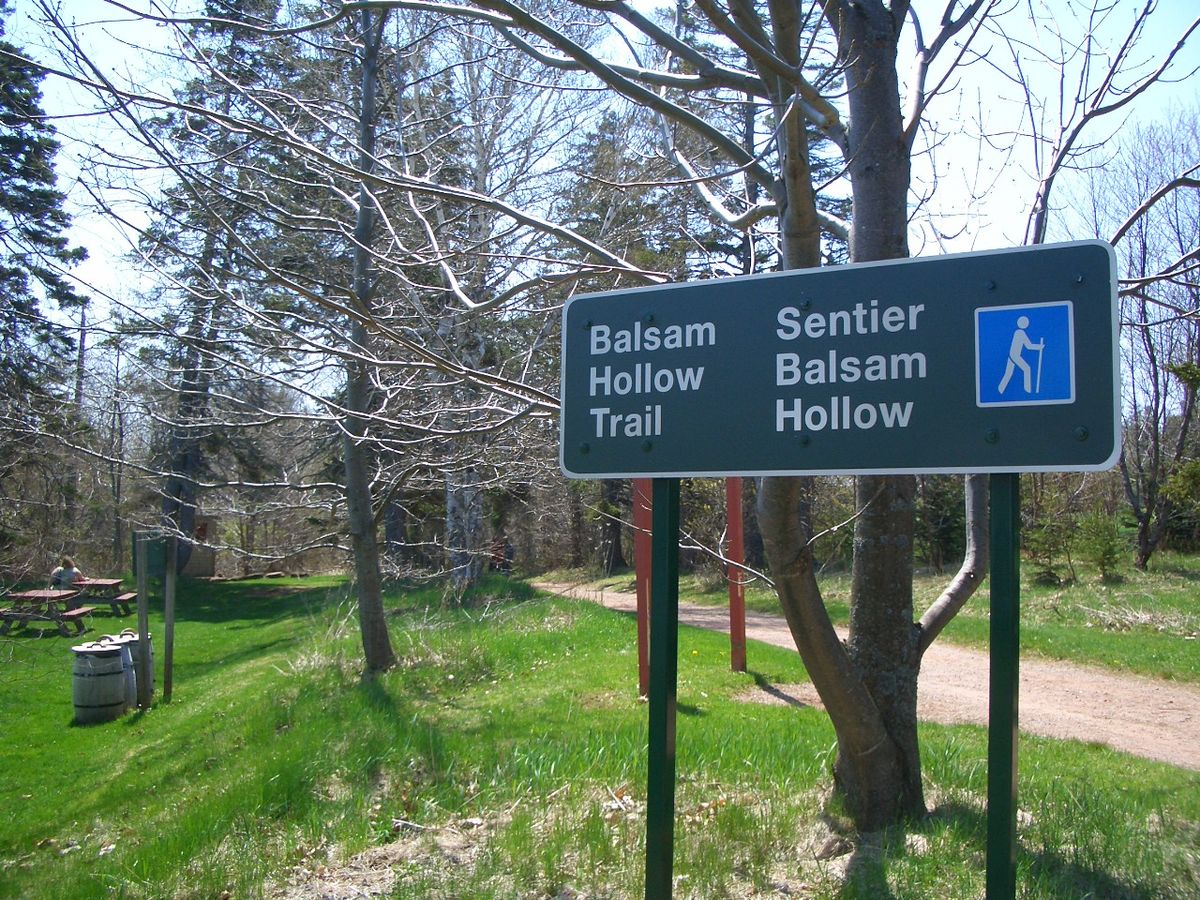
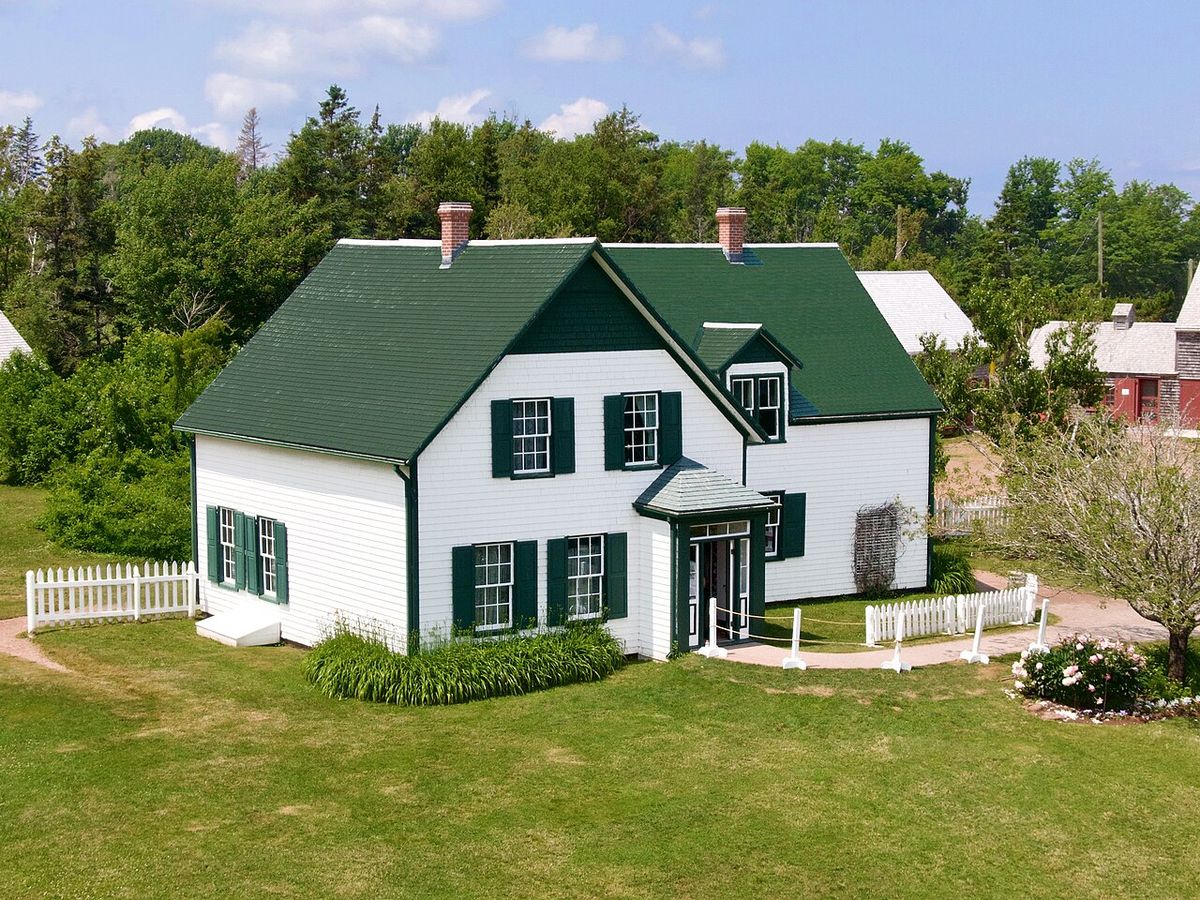
Anne of Green Gables is a cultural phenomenon that has shaped the identity and economy of Prince Edward Island. The Green Gables farmhouse in Cavendish is a major National Historic Site and tourist attraction. The surrounding area, including Balsam Hollow (the inspiration for the Haunted Woods) and Campbell Pond (the Lake of Shining Waters), is preserved within Prince Edward Island National Park. The Anne of Green Gables Museum is located in Park Corner in a home that inspired Montgomery. Provincial license plates once featured Anne's image, and according to the Canadian Broadcasting Corporation, tourism by Anne fans is a significant component of the Island's economy.
The novel holds a special place in Japanese culture, where it has been part of the national school curriculum since 1952. Japanese tourists often travel to Prince Edward Island for weddings at Green Gables, and some arrive with red-dyed pigtails in imitation of Anne. A replica of the Green Gables house was built at the Canadian World theme park in Ashibetsu, Hokkaido, which operated as a more accessible alternative for Japanese fans. The park, now open in summer with free admission but without staff, once featured performances with actresses portraying Anne and Diana. This cross-cultural devotion highlights the global reach of Montgomery's creation.
Legal status and trademarks
While the original 1908 novel is in the public domain in many countries, the commercial use of the Anne of Green Gables name, characters, and imagery is actively managed through trademark law. The Anne of Green Gables Licensing Authority Inc. (AGGLA), jointly owned by the Province of Prince Edward Island and the Heirs of L. M. Montgomery Inc., administers and licenses these trademarks globally. The AGGLA controls the use of the title, character depictions, and related fictional places and events for merchandising and entertainment services. This system aims to protect the integrity of the franchise and generate revenue for the rights holders. Sullivan Entertainment International Inc. held a Japanese trademark registration for 'Anne of Green Gables.' In 2004, the Province of Prince Edward Island petitioned the Japan Patent Office to invalidate the registration for certain goods classes. The JPO partially invalidated the registration, a decision upheld by the Intellectual Property High Court of Japan in 2006. The court found that Sullivan's registration was obtained without the consent of the province and the author's heirs and that maintaining it would be contrary to good faith and international comity, reinforcing the AGGLA's control over the trademarks in a key market.
Translations and global reach
Anne of Green Gables has achieved remarkable international penetration, with verified translations into at least 36 languages. This global dissemination has made Anne Shirley a recognizable literary figure worldwide and has fueled the novel's status as one of the best-selling books of all time. The first Scottish-Gaelic translation, Anna Ruadh, was published in 2020 after a successful crowdfunding campaign, demonstrating continued interest in making the text accessible to new linguistic communities. The novel's themes of belonging, imagination, and resilience have proven universally resonant, allowing it to be integrated into various national educational curricula and popular cultures.
| Language | Notable Translation Detail |
|---|---|
| Japanese | Translated as Akage no An. In school curriculum since 1952 |
| Scottish Gaelic | First translation titled Anna Ruadh, published 2020 |
| 36+ Languages | Total number of languages with published translations |
The Japanese relationship with the novel is especially deep, influencing tourism, media, and even personal style. Anne is revered as an icon in Japan. Japanese couples travel to Prince Edward Island to have civil wedding ceremonies on the grounds of the Green Gables farm. Some Japanese girls arrive as tourists with red-dyed hair styled in pigtails, to look like Anne. The 1979 anime series was a major catalyst for this cultural connection. Anne of Green Gables has been translated into at least 36 languages. The widespread translation and adaptation efforts have ensured that Anne's story is a permanent part of global literary heritage.
Questions about Anne of Green Gables
Who wrote Anne of Green Gables?
Anne of Green Gables was written by Canadian author Lucy Maud Montgomery, published under the name L. M. Montgomery. The novel was first published on June 13, 1908, by L.C. Page & Co. of Boston. Montgomery drew inspiration from her childhood in Cavendish, Prince Edward Island, and from a note she made about a mistaken orphan adoption. Her original manuscript is preserved at the Confederation Centre of the Arts in Charlottetown, Prince Edward Island.
Where is Green Gables located?
The fictional Green Gables farm is set in the town of Avonlea on Prince Edward Island. The real-life inspiration is the Green Gables farmhouse in Cavendish, Prince Edward Island, which is now a historic site and major tourist attraction. The surrounding landscape, including Balsam Hollow and Campbell Pond, inspired the Haunted Woods and the Lake of Shining Waters described in the book. The setting is deeply connected to Montgomery's own experiences growing up in rural Prince Edward Island.
How many Anne of Green Gables books are there?
L. M. Montgomery wrote a series of sequels following Anne Shirley into adulthood, motherhood, and later life. The original 1908 novel was the first in this series. In 2008, an authorized prequel titled Before Green Gables was written by Budge Wilson to mark the 100th anniversary of the novel. The series has expanded through Montgomery's sequels, which continue Anne's story beyond her childhood at Green Gables.
Why is Anne of Green Gables so popular in Japan?
The novel has been popular in Japan since its inclusion in the national school curriculum in 1952. Its popularity surged with the broadcast of the 1979 anime series Akage no An (Red-haired Anne). Anne is revered as an icon, leading many Japanese tourists to visit Prince Edward Island for weddings at Green Gables and to dye their hair red in her style. A replica of Green Gables was even built at the Canadian World theme park in Hokkaido to cater to Japanese fans.
How many copies has Anne of Green Gables sold?
Anne of Green Gables has sold more than 50 million copies worldwide since its publication in 1908. It sold over 19,000 copies in its first five months alone. The book has been translated into at least 36 languages, contributing to its status as one of the best-selling books globally. Its enduring sales figures reflect its lasting appeal across generations and cultures.
Is Anne of Green Gables in the public domain?
Yes, the original 1908 novel Anne of Green Gables is in the public domain in many countries due to the expiration of its copyright term. This is because it was first published in 1908. However, the commercial use of the title, characters, and related imagery remains subject to trademark protection in some jurisdictions. The Anne of Green Gables Licensing Authority Inc. administers and licenses these trademarks. This organization is jointly owned by the Province of Prince Edward Island and the Heirs of L. M. Montgomery Inc. It controls the use of the Anne of Green Gables name and related trademarks for merchandising and entertainment services.
Sources and further reading
- Anne of Green Gables (Wikipedia)
- LM Montgomery: Her Life (lmmontgomery.ca)
- 75 facts you might not know about Anne of Green Gables ... (cbc.ca)
- The Author of 'Anne of Green Gables' Lived a Far Less ... (smithsonianmag.com)
- Person of significance: L.M. Montgomery, Green Gables ... (parks.canada.ca)
Checked by the Yadude Books desk. Last updated 2026-10-20.