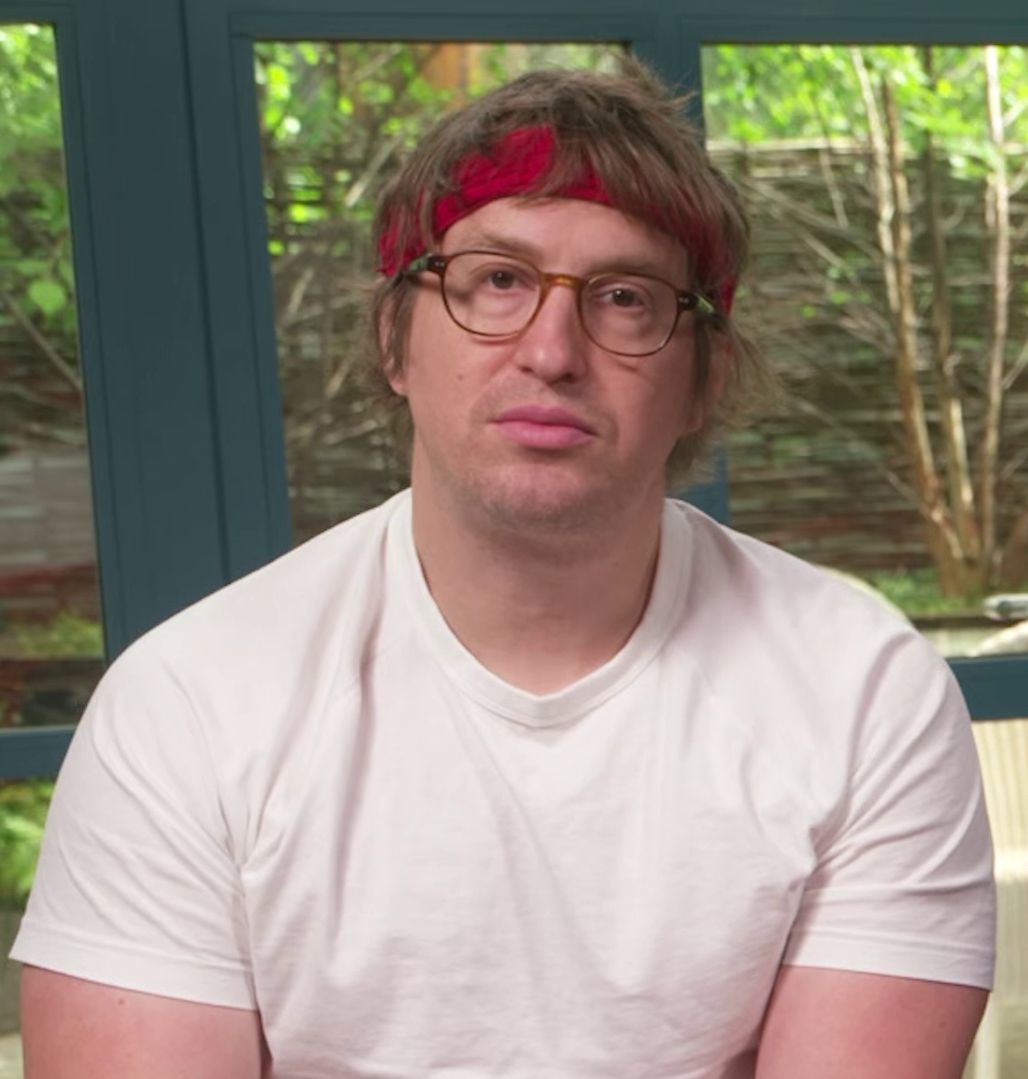
Gabor Maté
Gabor Maté is a Canadian physician and bestselling author whose work has fundamentally influenced contemporary understanding of addiction, trauma, and human development. For over two decades, he practised family and palliative medicine in Vancouver before dedicating twelve years to treating patients with severe addiction and mental health challenges in the city's Downtown Eastside. His extensive clinical experience forms the basis of his influential books, which argue that childhood trauma and emotional stress are root causes of many physical and mental health conditions, including addiction, autoimmune diseases, and attention deficit hyperactivity disorder. A recipient of the Order of Canada, Maté is a leading proponent of compassionate, trauma informed care and a vocal critic of societal and political systems he believes exacerbate illness.
Early life and formative trauma
Gabor Maté was born in Budapest, Hungary, in January 1944, a key and dangerous year for Jewish families in Europe. His maternal grandparents, Josef Lövi and Hannah Lövi, who were from the town of Košice in what is now eastern Slovakia, were deported and killed in the Auschwitz concentration camp when Maté was only five months old. This catastrophic loss was compounded by the disappearance of an aunt during the war and the experience of his father, who endured forced labour under the Nazi regime. When Maté was approximately one year old, his mother made the agonizing decision to place him in the care of a stranger for a period exceeding five weeks to ensure his physical survival. Maté has reflected extensively on this early separation, describing the enduring trauma of feelings of abandonment, rage, and despair that he believes became wired into his nervous system and continue to shape his adult emotional responses, particularly in intimate relationships where he perceives threats of abandonment. In 1956, following the Hungarian Revolution, his family fled as refugees and emigrated to Canada, where he completed his secondary education and later attended university.
Academic path and transition to medicine
Maté completed his undergraduate studies at the University of British Columbia in Vancouver, graduating with a Bachelor of Arts during the socially and politically charged era of the late 1960s, which was heavily influenced by the Vietnam War. Following his graduation, he did not immediately pursue medicine but instead worked for several years as a high school teacher, instructing students in English and literature. This experience in education, focusing on human stories and communication, later informed his accessible writing style. He eventually returned to the University of British Columbia to enter medical school, driven by a desire to understand human suffering more directly. He earned his Doctor of Medicine degree specializing in general family practice in 1977, starting on a career that would blend frontline clinical work with a deep inquiry into the psychological roots of physical illness.
Clinical practice in family and palliative medicine
After obtaining his medical degree, Maté established and maintained a private family practice in East Vancouver for more than twenty years. This long term experience in primary care provided him with a broad view of the spectrum of human health and disease within a community setting. Concurrently, for a period of seven years, he took on the role of medical coordinator for the Palliative Care Unit at Vancouver Hospital. This work in end of life care immersed him in the profound mind body connections at play during terminal illness, reinforcing his growing conviction that emotional and psychological states were inseparable from physical health outcomes. These two decades of conventional medical practice formed the essential clinical foundation upon which he would later build his more specialized and unconventional theories about stress, trauma, and disease.
Groundbreaking work with the Portland Hotel Society
For twelve years, Maté served as the staff physician for the Portland Hotel Society, a non profit supportive housing organization originally based in Vancouver's Downtown Eastside neighbourhood, one of Canada's most impoverished urban communities. His clinical duties involved regular visits to tenants in their single room occupancy units, treating individuals with severe, co occurring challenges including active substance use disorders, major mental health conditions, and chronic diseases such as HIV and hepatitis C. Working alongside PHS founder and Canadian nurse Liz Evans, Maté became a key medical advocate for the harm reduction and housing first models the organization pioneered. His clinical approach was characterized by a radical, non judgmental compassion. He was known for prescribing opioid agonist therapies like methadone without requiring patients to first commit to abstinence or enter formal treatment programs, and he did not suspend prescriptions if patients tested positive for other illicit drugs. He believed this consistent, low barrier medical care was crucial for building trust and addressing the profound trauma underlying addiction. This intensive period provided the core material and patient narratives for his seminal 2009 book on addiction.
Public advocacy and foray into alternative treatments
Maté has been a persistent public advocate for drug policy reform based on compassion rather than criminalization. In 2008, he gained national media attention by publicly defending the physicians working at Vancouver's Insite supervised injection facility after the federal Minister of Health, Tony Clement, criticized them as unethical. His search for healing modalities led him in 2010 to investigate the traditional Amazonian plant medicine ayahuasca and its potential for treating addictions. He partnered with a Peruvian Shipibo ayahuasquero, or traditional shamanic healer, and began leading multi day retreats for this purpose. Some retreats were hosted in a Coast Salish First Nations community and became the subject of an observational study conducted by researchers from the University of Victoria and the University of British Columbia. Preliminary results, published later, indicated that participants showed statistically significant improvements in certain psychological measures and reductions in problematic substance use. However, when Health Canada learned of this work in 2011, the agency threatened to refer the matter to the Canadian police due to the illegal status of the substance, highlighting the tension between Maté's exploratory methods and regulatory frameworks.
Academic criticism and professional controversies
While widely respected for his compassionate clinical work, some of Maté's theoretical claims have drawn criticism from academics and fellow professionals in psychology and medicine. Psychologist and psychotherapist Stanton Peele, who also worked at Insite, has expressed disagreement with Maté's tendency to trace every case of addiction back to childhood trauma, calling it a reductionist vision despite admiring his hands on contributions. James C. Coyne, a professor emeritus at the University of Pennsylvania, has suggested that Maté urges an abandonment of evidence based solutions in favour of his trauma focused model, though Coyne concedes that overspecialization in medicine is a valid concern. Vincenzo Di Nicola, a professor at the University of Montreal, noted that while much of Maté's work covers well trod ground, some aspects lack a solid evidence base. Nick Haslam, a professor at the University of Melbourne, found Maté's singular focus on trauma as a primary cause of ill health to be unbalanced. The most prominent controversy occurred in March 2023 when, during a live streamed interview, Maté publicly diagnosed Prince Harry with post traumatic stress disorder, attention deficit hyperactivity disorder, anxiety, and depression based on their conversation and his reading of Harry's autobiography. This act was widely condemned by mental health experts as irresponsible and a violation of standard diagnostic ethics, which require formal, structured clinical evaluation.
Development of Compassionate Inquiry and political engagement
Maté has codified his therapeutic philosophy into a formal psychotherapeutic approach called Compassionate Inquiry. This method is designed to help therapists and clients collaboratively unveil the unconscious dynamics, implicit memories, hidden assumptions, and physiological states that underlie a person's conscious narrative and behaviours. The process aims to move beyond the words a person says to discover the real message those words both express and conceal, ultimately fostering self recognition and liberation from automatic patterns. Outside of his clinical and writing work, Maté engages with Canadian political life. In 2026, he publicly endorsed activist and broadcaster Avi Lewis in that year's federal New Democratic Party leadership race, aligning himself with the party's progressive wing. He continues to be a highly sought after international speaker, with a full schedule of lectures and workshops on trauma, addiction, and development planned through 2026. His next book, announced as Hello Again: A Fresh Start for Parents and Their Adult Children, is expected to be published in late 2027.
Views on Israel, Palestine, and personal legacy
Drawing on his identity as the child of Holocaust survivors, Maté has been an outspoken commentator on the Israeli Palestinian conflict. In a July 2014 opinion piece titled Beautiful Dream of Israel Has Become a Nightmare, he argued that Israeli government policies were incompatible with a just peace and that the situation in Gaza could only be understood within a context of profound power imbalance, which he compared to the historic Warsaw Ghetto. During a November 2023 television interview with Piers Morgan, he stated that he had cried daily for two weeks following a visit to the Occupied Territories during the First Intifada, calling for an end to the occupation and persecution of Palestinians and for the return of land occupied since 1967. His stance aligns him with other Holocaust survivors and their descendants, such as Hedy Epstein and Norman Finkelstein, who have publicly supported Palestinian rights. On a personal level, Maté married artist Rae Maté, a fellow University of British Columbia graduate, in 1969. They have three children, including journalist Aaron Maté and author Daniel Maté, with whom he co wrote his latest book. His contributions have been recognized with the Order of Canada, the Civic Merit Award from the City of Vancouver, the Hubert Evans Prize for Literary Non Fiction, and a Vine Award for Canadian Jewish Literature.
Questions about Gabor Maté
What is Gabor Maté's theory on the cause of addiction?
Gabor Maté's central theory posits that addiction originates not from genetic predisposition but from childhood trauma and emotional loss. He defines addiction broadly as any behaviour or substance use that a person relies on for short term pain relief despite causing long term negative consequences. He argues that addictive substances or activities serve as coping mechanisms for unresolved emotional pain and that without addressing these underlying traumatic roots, individuals remain highly prone to relapse. Consequently, he is a fierce critic of punitive drug policies, which he believes increase stress and entrench addiction more deeply.
What awards has Gabor Maté won?
Gabor Maté has received several prestigious Canadian awards. In 2009, he won the Hubert Evans Prize for Literary Non Fiction for his book on addiction. The City of Vancouver awarded him its Civic Merit Award in 2011 for his extensive work in addiction treatment and his contributions to understanding mental health, stress, and childhood development. He was appointed a Member of the Order of Canada in 2018 for his ground breaking medical work and writing. Most recently, in 2023, he and his son Daniel were awarded a Vine Award for Canadian Jewish Literature for their book The Myth of Normal.
What is the Compassionate Inquiry method?
Compassionate Inquiry is a psychotherapeutic approach developed by Gabor Maté. The method aims to help clients and therapists uncover the level of consciousness, mental climate, hidden assumptions, implicit memories, and body states that form the real, often unspoken, message behind a person's words. By moving beyond the surface narrative, the process seeks to reveal the unconscious dynamics that drive thoughts, feelings, and behaviours. The ultimate goal is for individuals to recognize these patterns and find a path to liberate themselves from them, facilitating deeper healing.
Where did Gabor Maté work as a doctor?
Maté's medical career was centred in Vancouver. He ran a private family practice in East Vancouver for over twenty years. For seven years, he also served as the medical coordinator of the Palliative Care Unit at Vancouver Hospital. His most recognized clinical work was his twelve year tenure as staff physician for the Portland Hotel Society in the city's Downtown Eastside. There, he provided primary care to a marginalized population struggling with severe addiction, mental illness, and chronic diseases, all while actively advocating for harm reduction and housing first policies.
What is Gabor Maté's next book?
Gabor Maté's forthcoming book is titled Hello Again: A Fresh Start for Parents and Their Adult Children. The book is currently scheduled for publication in late 2027. It will continue his exploration of intergenerational dynamics, focusing on the relationships between parents and their grown children. The book is expected to provide insights and pathways for healing and rebuilding these adult relationships, reflecting Maté's ongoing commitment to addressing how early family experiences and trauma influence lifelong patterns.
Sources: Wikipedia and current public reporting, checked by the Yadude Books desk. Last updated 2026-10-20.