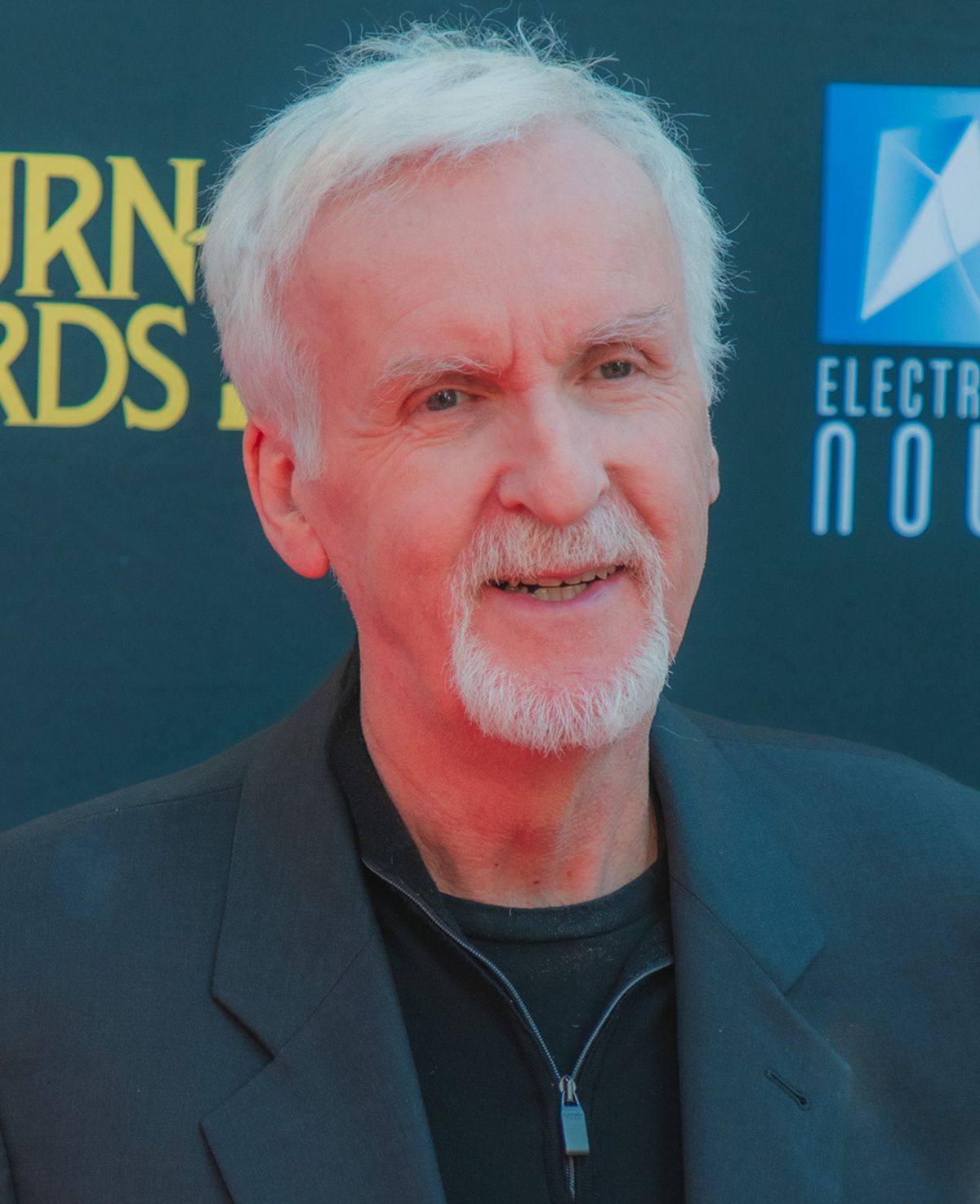
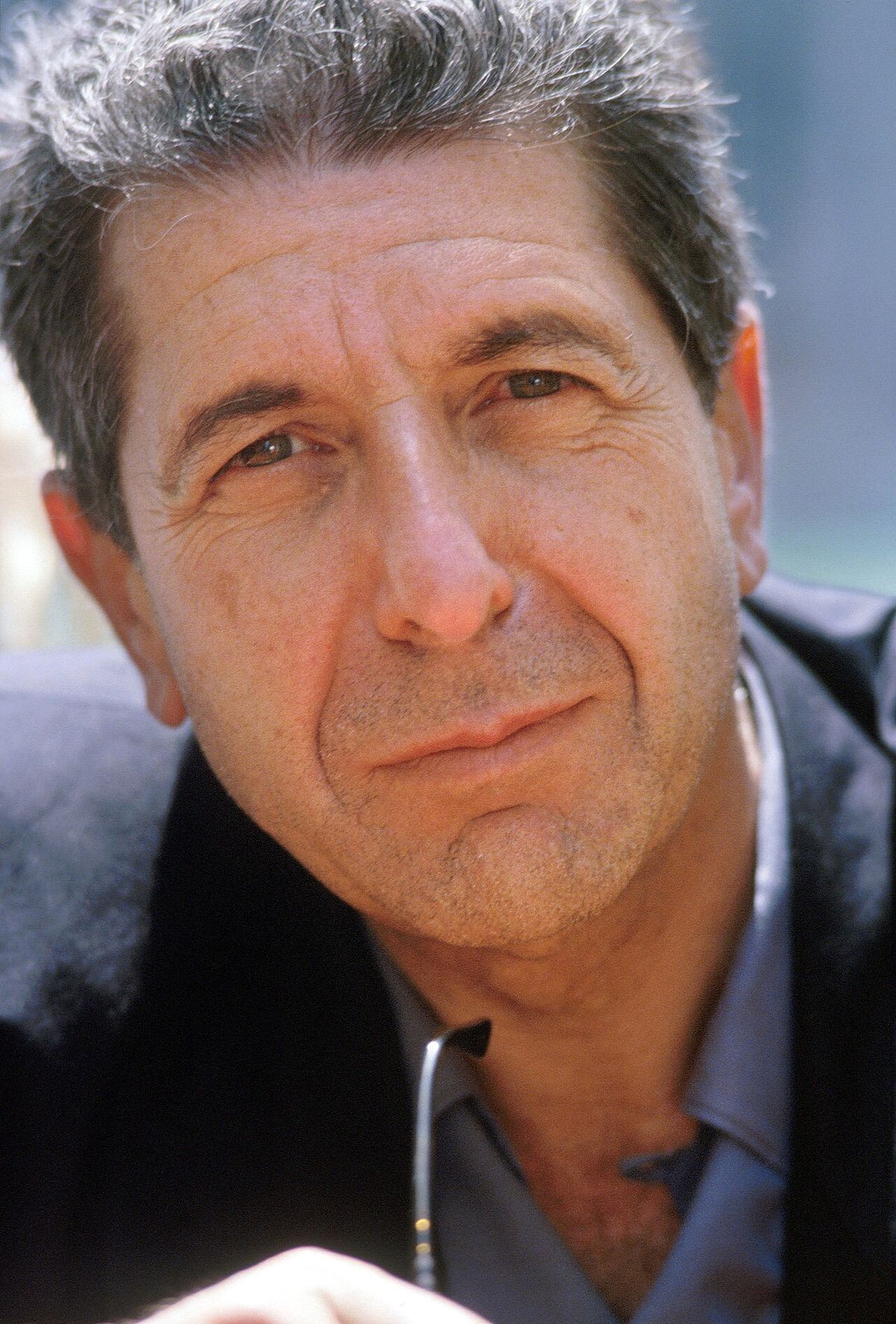
Aaron Maté
Aaron Maté is a Canadian journalist and writer known for his investigative reporting and commentary on international affairs from a critical, left-wing perspective. He serves as a reporter and host for the news website The Grayzone, where he presents the program Pushback with Aaron Maté, and contributes to publications including The Nation and Real Clear Investigations . His work, which frequently challenges mainstream Western media narratives on topics like Russian election interference, the Syrian conflict, and Israel-Palestine relations, has garnered both significant attention and controversy. Maté’s reporting has earned him awards such as the Izzy Award and has led to invitations to speak at United Nations meetings hosted by Russia and China.
Early life and education
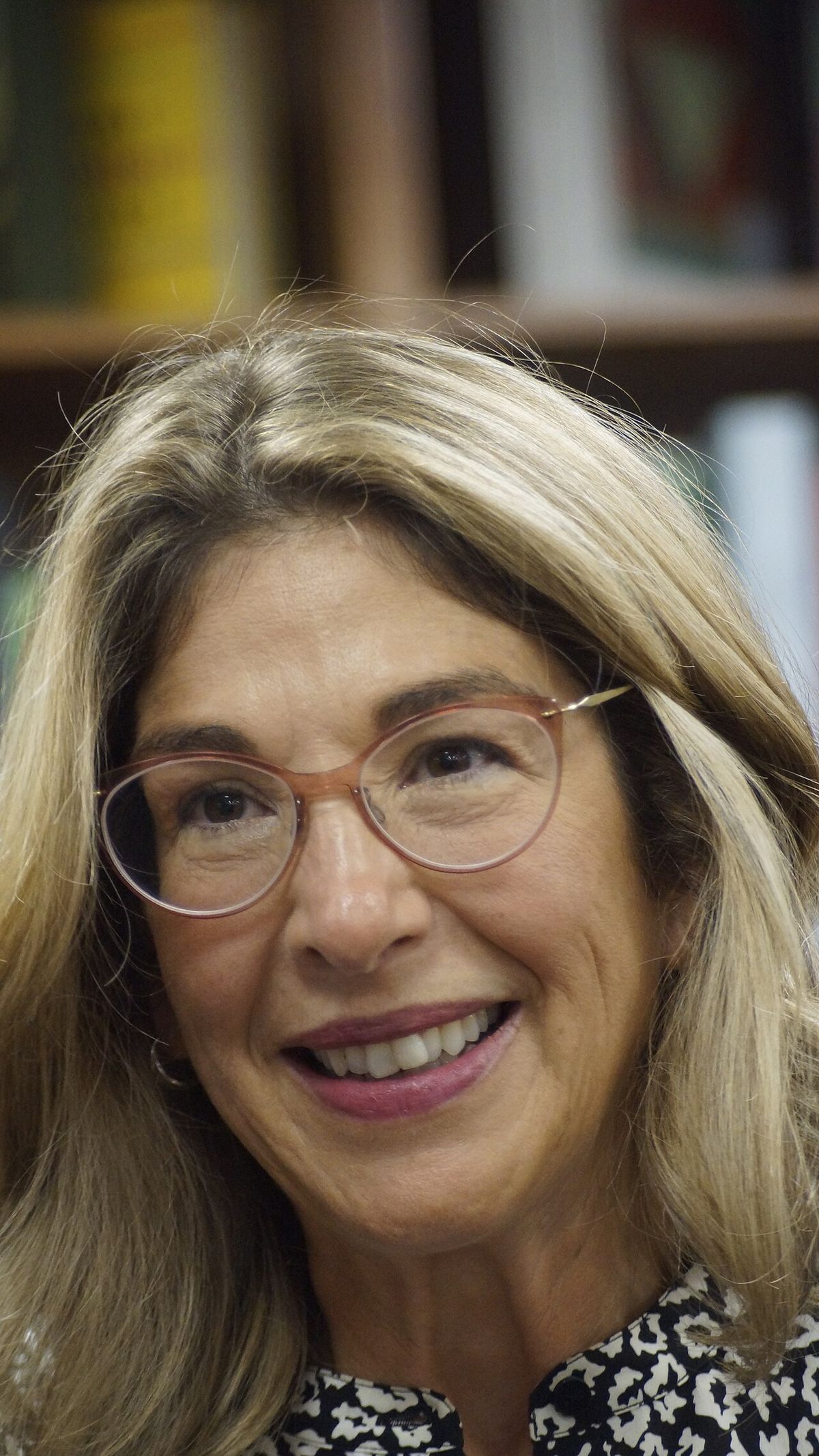
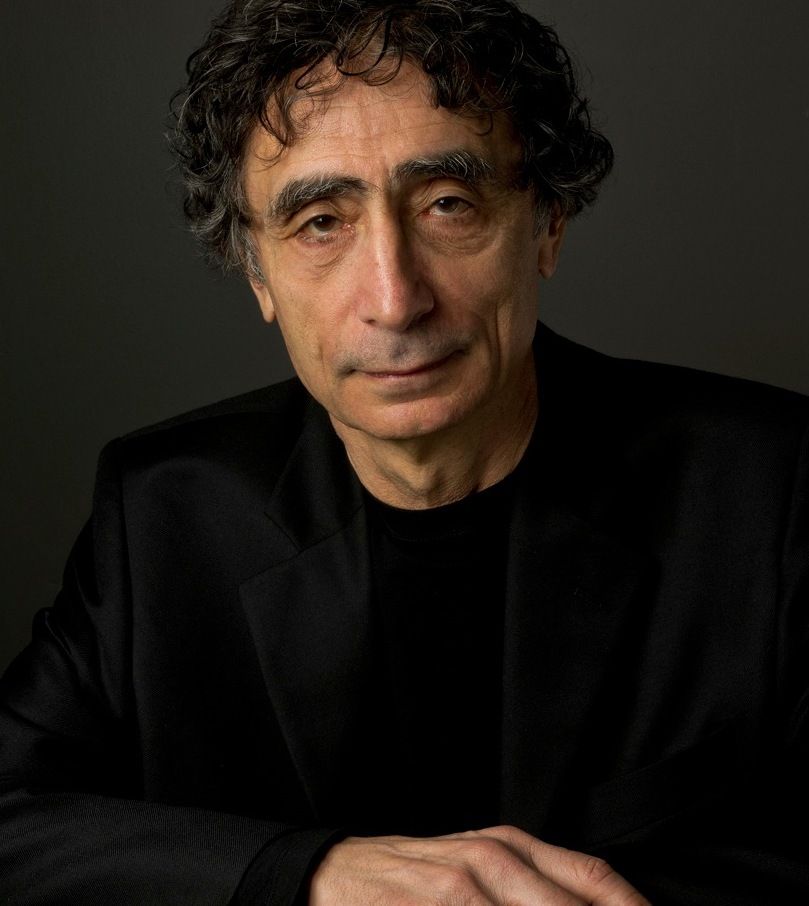
Aaron Maté was born on 13 March 1979 in Vancouver, British Columbia, into a Jewish family. His mother, Rae Maté, is a visual artist and illustrator of children's books, and his father, Gabor Maté, is a Hungarian-born Canadian physician and author. Maté attended Concordia University in Montreal, where he earned a Bachelor of Arts in Communication Studies. His time as a student was marked by intense political activism, particularly in support of the Palestinian cause. He served as vice president of the pro-Palestinian student union at Concordia, an experience that became the central focus of the National Film Board of Canada documentary Discordia. The film depicted his campus activism and the strains it placed on his relationships within the student union and with Palestinian friends. His outspoken criticism of Israel's treatment of Palestinians led to him receiving death threats from fellow Jews. During the Concordia University Netanyahu riot on 9 September 2002, Maté was arrested after stepping between protesters and police, an action for which he faced potential expulsion from the university. Following his studies, from 2003 to 2005, he worked as a primary researcher for author and journalist Naomi Klein, who later praised him as a great intellect and terrific journalist.
Journalism career
Aaron Maté has built a career across a range of media outlets, establishing himself as an independent journalist with a focus on challenging establishment narratives. He has worked as a reporter and producer for several notable organizations, including Democracy Now!, Vice Media, Al Jazeera English, and The Real News Network. His written work has appeared in The Nation, the Toronto Star, the Globe and Mail, the Guardian, and Le Monde Diplomatique . As of January 2022, he also fills in as a host on the Useful Idiots podcast. His reporting often involves extensive investigation into US foreign policy, conflicts in the Middle East, and geopolitical tensions between Western powers and Russia or China. Maté's journalistic approach is characterized by a sceptical examination of official claims, particularly those from Western governments and intelligence agencies, and he has conducted field reporting in locations such as the Occupied Palestinian Territories, Haiti, and South Africa.
The Canadian University of Calgary's School of Public Policy published a list of social media accounts it identified as Russian-influenced, which included Aaron Maté. According to the Brookings Institution, in 2023, Maté's posts on the platform X were the 15th most retweeted posts by Russian state-backed accounts. Critics often cite these assessments to question the alignment of his reporting with Russian interests. Maté rejects these analyses, arguing they fail to refute his specific claims.
Reporting on Russiagate and US politics
Maté gained significant prominence for his sustained and detailed criticism of the narrative surrounding Russian interference in the 2016 United States presidential election, a story he frequently termed Russiagate. He argued that mainstream media coverage of the Special Counsel investigation led by Robert Mueller was often credulous, overhyped, and lacking in scepticism. In articles for The Nation and interviews on The Real News Network, he contended that claims of a conspiracy between the Trump campaign and Russia were baseless and served as a distraction from other political issues. He specifically challenged the impact of Russian social media activity, stating that a small number of Twitter accounts or a minimal Facebook ad buy could not have swayed a multibillion-dollar election. His reporting on this subject earned him the Izzy Award in April 2019, which recognized his factual and meticulous approach to challenging the overhyped Russia election-collusion story.
Maté continued his critique in subsequent years, appearing on Fox News's Tucker Carlson Tonight in December 2019 to question the evidence that Russia hacked the Democratic National Committee. He later suggested that former CIA director John Brennan had impure motives for pushing the investigation. Maté's first book, Cold War, Hot War: How Russiagate Created Chaos from Washington to Ukraine, published in 2022, expands on these themes, arguing the narrative exacerbated tensions with Russia and undermined democratic discourse. In November 2020, he also criticized President-elect Joe Biden's selection of Antony Blinken as Secretary of State, viewing it as a continuation of a hawkish foreign policy playbook.
- October 2017: Wrote in The Nation criticizing media coverage of the Russia investigation for lacking scepticism.
- December 2017: Interviewed author Luke Harding on The Real News Network, conducting what Vanity Fair called a memorable vivisection of Harding's pro-collusion arguments.
- July 2018: Defended President Donald Trump after the Helsinki summit, arguing it did not create a national security crisis.
- April 2019: Received the Izzy Award for his Russiagate reporting.
- December 2019: Appeared on Tucker Carlson Tonight to dispute evidence of Russian hacking.
- 2022: Published Cold War, Hot War: How Russiagate Created Chaos from Washington to Ukraine.
Coverage of Syria and chemical weapons allegations
Maté has been a prominent sceptic of official Western narratives regarding the Syrian conflict, particularly concerning the role of President Bashar al-Assad's government. His most focused reporting in this area has been on the April 2018 Douma chemical attack, which Western governments attributed to the Syrian regime. Maté alleged there was a cover-up within the Organisation for the Prohibition of Chemical Weapons (OPCW), basing his claims on leaked internal correspondence from former inspectors. The OPCW's director general, Fernando Arias, later stated the inspector cited by Maté had left the organization before most investigative work was done and was unaware of new corroborating technology. His reporting on Douma led to invitations to speak at United Nations Arria formula meetings, which are informal briefings for Security Council members.
He testified at such meetings hosted by the Russian Federation and China in September 2020 and April 2021 on the alleged OPCW cover-up. In March 2023, he spoke at another Arria meeting organized by Russia, having been invited as a briefer by the Permanent Mission of the Russian Federation to the UN. In May 2021, he travelled to Syria with Paul Larudee and the Syria Solidarity Movement to observe the presidential election. Critics, such as Muhammad Idrees Ahmad of New Lines Magazine, have accused Maté of obscuring Assad's responsibility for attacks on civilians and whitewashing atrocities, including the destruction of the Yarmouk Palestinian refugee camp. Maté and The Grayzone received the Serena Shim Award from the Association for Investment in Popular Action Committees, an award previously given to figures who support the Syrian government.
In June 2022, the Institute for Strategic Dialogue published an analysis of disinformation about the Syrian conflict. The report said Maté was the most prolific spreader of such disinformation since 2020 among the 28 actors the group investigated. Maté rejected the report's findings, stating that neither the study nor the Observer article about it offered any evidence for the assertion he is a spreader of disinformation. He also said the Institute for Strategic Dialogue does not even attempt to refute a single claim of his. Maté alleged a conflict of interest because the ISD's funders included some western governments involved in the Syrian conflict.
Commentary on Israel, Ukraine, and other conflicts
Maté's commentary frequently addresses US foreign policy and international conflicts, often from a perspective critical of American and allied actions. On Israel-Palestine, he has been a long-time critic of Israeli policy. In May 2021, he condemned President Joe Biden's expression of support for Israel's right to defend itself during a conflict with Gaza, calling it a green light to continue massacring Palestinian civilians. He has also argued that allegations of antisemitism against former UK Labour leader Jeremy Corbyn were a tactic to delegitimize criticism of Israel. Regarding Ukraine, Maté has characterized the post-Maidan government as a fascist-infused coup and framed the US and NATO support following Russia's 2022 invasion as funding a proxy war against Russia to serve American interests.
In May 2022, he suggested a link between the neo-Nazi Azov Brigade in Ukraine and the perpetrator of the Buffalo shooting, arguing it showed the US was allying with neo-Nazis to fight Russia. In February 2023, he was accused by writer Cathy Young in The Bulwark of sharing a deceptively edited video of former Israeli Prime Minister Naftali Bennett to support his claims about derailed peace talks. Maté has also challenged narratives on China, stating in 2022 that the US had no evidence of a Uyghur genocide and that a UN human rights visit to Xinjiang failed to find one. This led to criticism from Haaretz writer Alexander Reid Ross, who connected a report Maté shared to an organization with alleged neo-fascist links, further adding to the controversies surrounding his work.
Publications and recognition
Aaron Maté is the author of two non-fiction books that compile and expand upon his reporting on major geopolitical stories. His first book, published in 2022, directly addresses the Russiagate narrative and its consequences. His second book, scheduled for publication in 2026, focuses on the conflict in Ukraine. In addition to these monographs, his extensive body of work includes articles, investigative reports, and video productions for various outlets. Maté's work has received formal recognition from certain institutions within alternative and activist media circles, highlighting his influence in those spaces.
Maté earned an Izzy Award in April 2019 for his work taking a factual, meticulous approach to the overhyped Russia election-collusion story and for challenging press coverage of Robert Mueller's Special Counsel investigation. Maté and The Grayzone, for which he reports, have been recipients of the Association for Investment in Popular Action Committees's Serena Shim Award. According to Brian Whitaker writing in New Lines Magazine, some of the previous winners of the Serena Shim Award advocated conspiracy theories and many supported the Syrian government. His reporting has also attracted significant criticism from mainstream media analysts and think tanks.
Public profile and controversies
Aaron Maté occupies a distinct and contentious space in contemporary journalism. His supporters view him as a fearless investigator who challenges propaganda and holds power to account, particularly in the area of US foreign policy. His critics, which include journalists, academics, and institutions like the Institute for Strategic Dialogue, frequently accuse him of disseminating disinformation, advancing pro-Russian or pro-Assad narratives, and whitewashing the actions of authoritarian regimes. The debate around his work often centres on the source and interpretation of evidence, as seen in the disputes over the OPCW leaks and the origins of the Douma attack. Maté's public engagements reflect this polarized reception, as he is a sought-after speaker for left-wing and anti-war audiences while also being analyzed in studies of online influence campaigns.
His testimony at UN meetings hosted by Russia and China demonstrates his influence in certain diplomatic circles. Simultaneously, analyses like those from the University of Calgary and Brookings Institution frame his social media activity within the context of foreign influence campaigns. His reporting continues to generate strong reactions, ensuring his role as a provocative and influential figure in debates over media, war, and diplomacy. Regardless of perspective, his work demonstrates a consistent commitment to interrogating official stories and providing a platform for dissenting views on international conflicts, a practice that defines his career and public identity and ensures he remains a fixture in contentious political discussions.
Questions about Aaron Maté
What is Aaron Maté known for?
Aaron Maté is best known for his investigative journalism that challenges mainstream Western narratives on major geopolitical issues. He gained significant attention for his sustained scepticism regarding claims of Russian collusion in the 2016 US election, a body of work that won him an Izzy Award in 2019. He is also known for his reporting on the Syrian conflict, particularly his allegations of a cover-up within the Organisation for the Prohibition of Chemical Weapons regarding the 2018 Douma attack. Maté regularly comments on US foreign policy, the Israel-Palestine conflict, and the war in Ukraine from a critical, left-wing perspective.
Where does Aaron Maté work?
Aaron Maté's primary platform is The Grayzone, a far-left news website and blog where he works as a reporter and hosts his own show called Pushback with Aaron Maté. He also contributes written work to other publications, most notably The Nation and Real Clear Investigations. As of January 2022, he periodically fills in as a host on the Useful Idiots podcast. Earlier in his career, he worked as a reporter and producer for several established media organizations, including Democracy Now!, Vice Media, Al Jazeera English, and The Real News Network.
What awards has Aaron Maté won?
Aaron Maté has won two notable awards for his journalism. In April 2019, he received the Izzy Award, which honours outstanding achievement in independent media, for his factual and meticulous reporting challenging the Russiagate narrative. He and The Grayzone have also been recipients of the Serena Shim Award, presented by the Association for Investment in Popular Action Committees. This award has previously been given to individuals and groups whose work is supportive of the Syrian government, according to analysts.
Has Aaron Maté spoken at the United Nations?
Yes, Aaron Maté has testified and spoken at several United Nations Arria formula meetings, which are informal briefings for Security Council members. He was invited to speak at meetings hosted by the Permanent Mission of the Russian Federation to the UN, often alongside China, in September 2020, April 2021, and March 2023. The topic of these appearances was typically his allegations of a cover-up by the Organisation for the Prohibition of Chemical Weapons regarding the Douma chemical attack in Syria. His participation in these Russia-hosted UN events is a point of both note and controversy in his career.
What books has Aaron Maté written?
Aaron Maté has authored two books. His first, published in 2022, is titled Cold War, Hot War: How Russiagate Created Chaos from Washington to Ukraine. It expands on his reporting about the narrative of Russian election interference and its geopolitical consequences. His second book, scheduled for publication in 2026, is called Their Blood, Our Bullets: The Hidden Story of the US-Russia War for Ukraine. Both books are published by OR Books and focus on his critical analysis of US foreign policy and conflict with Russia.
Why is Aaron Maté a controversial figure?
Aaron Maté is controversial because his reporting consistently challenges official narratives on issues like Russian election interference and the Syrian conflict. He has questioned allegations of collusion between Russia and the 2016 Trump campaign and the extent of Russian interference, winning an Izzy Award for this work. He has also questioned the official narrative of the Douma chemical attack in Syria, alleging a cover-up by the Organisation for the Prohibition of Chemical Weapons, and testified at UN meetings hosted by Russia and China on this topic. Critics, including the Institute for Strategic Dialogue, accuse him of spreading disinformation, and analyses have linked his social media activity to Russian state-backed accounts. He has also been criticized for views on Ukraine, where he said the US was funding proxy warfare against Russia.
Sources and further reading
- Aaron Maté (Wikipedia)
- Aaron Maté (truthout.org)
Checked by the Yadude Books desk. Last updated 2026-10-29.