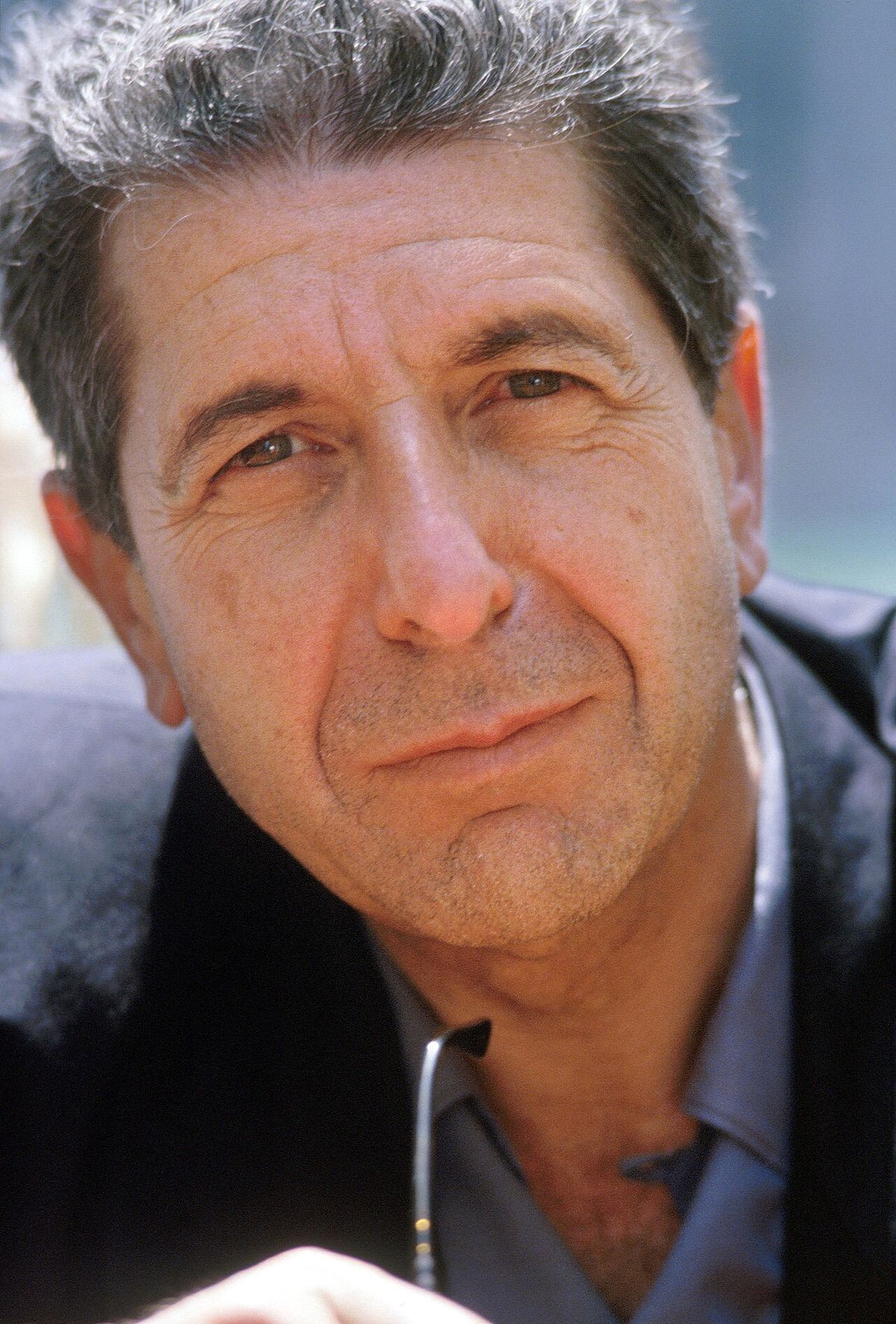
Jane Jacobs
Jane Jacobs was an American-Canadian journalist, author and activist whose work fundamentally reshaped the fields of urban planning and city life. Her 1961 book, The Death and Life of Great American Cities, challenged the orthodoxies of slum clearance and urban renewal, arguing instead for the vitality of dense, mixed-use neighbourhoods. After moving to Toronto in 1968, she became a leading civic figure, instrumental in stopping the Spadina Expressway and influencing local development. Jacobs is celebrated as a seminal thinker whose community-based ideas continue to influence how cities are built and understood across Canada and around the world.
Early life and career beginnings
Jane Isabel Butzner was born in Scranton, Pennsylvania, to a physician father and a mother who was a former teacher and nurse. After graduating from Scranton High School, she worked for a year as an unpaid assistant at the Scranton Tribune. In 1935, during the Great Depression, she moved to New York City with her sister, quickly developing an affinity for the irregular streets of Greenwich Village. To support herself, Jacobs held various jobs as a stenographer and freelance writer, penning articles about the city's working districts for publications like Vogue and the Sunday Herald Tribune. She attended Columbia University's School of General Studies for two years, studying a wide range of subjects including geology, zoology, law, and economics, though she did not earn a degree.
Her professional writing career advanced during the Second World War. She worked for the Office of War Information and later as a reporter for Amerika, a United States State Department publication in Russian. It was at Amerika that she met architect Robert Hyde Jacobs Jr., whom she married in 1944. The couple bought a home at 555 Hudson Street in Greenwich Village, rejecting the suburban trend and choosing to renovate the property in a mixed residential and commercial area. In 1952, after Amerika announced a move to Washington, D.C., Jacobs secured a position as an associate editor at Architectural Forum, a magazine published by Time Inc. This role gave her a platform to critically observe urban planning projects firsthand and began her journey toward becoming a major critic of conventional planning theory.
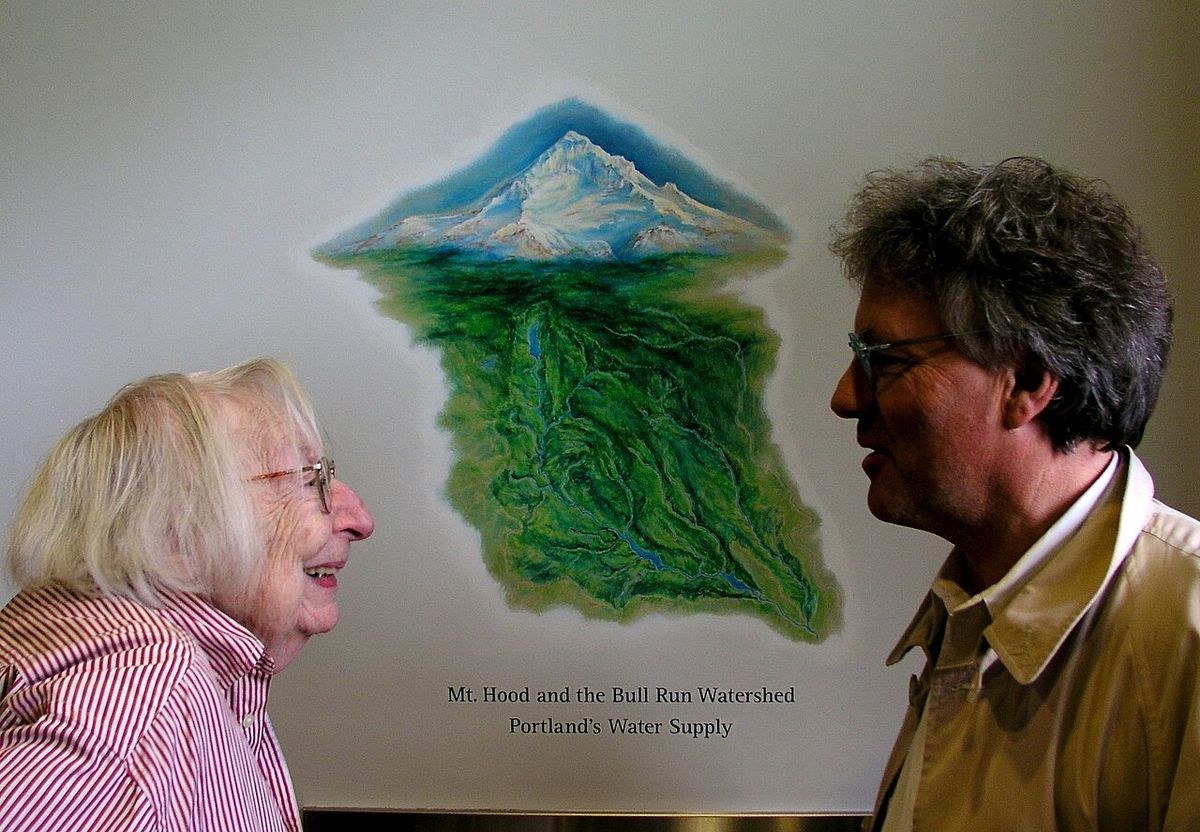
The Death and Life of Great American Cities
Jacobs's ideas began to coalesce through her work at Architectural Forum and a 1956 speech at Harvard University, where she critiqued redevelopment in East Harlem. William H. Whyte, then an editor at Fortune magazine, invited her to expand her thoughts into an article. The resulting 1958 piece, "Downtown Is for People," was her first public criticism of planner Robert Moses and caught the attention of the Rockefeller Foundation. The foundation awarded Jacobs a grant to produce a comprehensive study, which she worked on while affiliated with The New School for Social Research. The product of this research was The Death and Life of Great American Cities, published by Random House in 1961.
The book was a forceful rejection of contemporary urban planning doctrines, particularly large-scale slum clearance and the separation of city functions. Jacobs argued that healthy neighbourhoods required dense concentrations of people, short blocks, a mixture of old and new buildings, and a diversity of primary uses to ensure constant activity. She coined enduring concepts like "eyes on the street" to describe how natural surveillance by residents enhances safety, and "mixed primary uses" to advocate for blending residential, commercial, and cultural spaces. The book was met with fierce criticism from the male-dominated planning establishment, which often dismissed her as a mere "housewife" without formal credentials. Robert Moses himself derided the work as "intemperate and also libelous," but the book became a foundational text inspiring generations to advocate for more human-scale urban design.
Activism in New York City
Jacobs's theories were grounded in direct action to protect her own Greenwich Village neighbourhood from redevelopment. In the 1950s, she joined the fight against Robert Moses's plan to extend Fifth Avenue through Washington Square Park, which was part of a larger scheme to build the Lower Manhattan Expressway. The coalition, which included figures like Margaret Mead and Eleanor Roosevelt, succeeded in getting the park closed to traffic in 1958. Jacobs later chaired the Joint Committee to Stop the Lower Manhattan Expressway, a proposed highway that would have cut through SoHo, Little Italy, and Chinatown. Her activism made her a local hero and a consistent opponent of the city's power structure.
Her opposition culminated in a dramatic confrontation on 10 April 1968. At a public hearing on the expressway, a crowd charged the stage and destroyed the stenographer's notes. Jacobs was arrested by a plainclothes officer and charged with inciting a riot, criminal mischief, and obstructing public administration. The charges were later reduced to disorderly conduct after months of trials. This event, and the broader successful campaign against the expressway, is seen as a key factor in ending Robert Moses's dominance over New York City planning. Jacobs's struggle was later documented in films like New York: A Documentary Film, cementing her legacy as a tenacious community defender.
Move to Toronto and Canadian activism
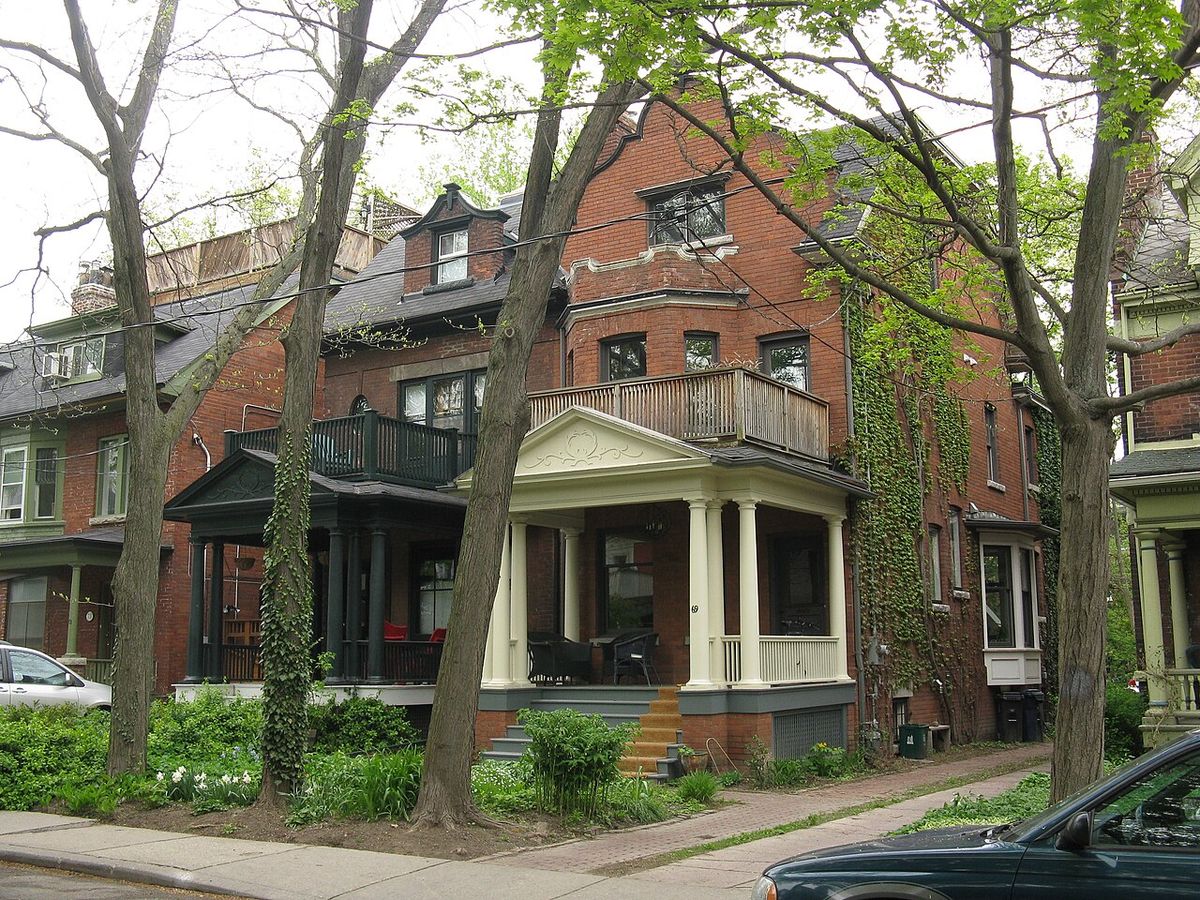
Soon after her arrest in 1968, Jacobs and her family moved to Toronto, settling in the Annex neighbourhood by 1971. The move was motivated by her opposition to the Vietnam War and a desire to protect her two draft-age sons. She quickly immersed herself in Toronto's civic battles, most notably leading the opposition to the provincially backed Spadina Expressway. Jacobs argued that cities should be built for people, not cars, and her advocacy helped galvanize public opinion against the highway, which was eventually cancelled. She also played a significant advisory role in the development of the successful St. Lawrence neighbourhood, a mixed-income housing project.
Jacobs became a Canadian citizen in 1974. She remained an engaged and sometimes controversial figure in local politics, opposing the amalgamation of Metropolitan Toronto in 1997 and supporting specific candidates like David Miller in his successful 2003 mayoral campaign. She was an outspoken critic of plans to build a bridge to the Toronto Island Airport, a project the city council reversed after Miller's election. Jacobs also advocated for Toronto to become its own province, believing cities needed political autonomy from their surrounding regions to thrive. Her deep connection to Toronto was formally recognized with the creation of the Jane Jacobs Prize in 1997, which provides a $5,000 annual stipend for three years to citizens contributing to the city's vitality.
Major publications and ideas
Beyond her most famous work, Jane Jacobs authored a series of books that expanded her analysis of cities into economics and the fate of civilizations. Her writing consistently emphasized bottom-up, organic systems over centralized, bureaucratic control. Her key publications explored a wide range of interconnected themes, from municipal economics to moral frameworks for society. She published at least 11 books during her lifetime.
- The Economy of Cities (1969) argued that cities are the primary engines of economic development, not rural hinterlands, and that innovation springs from urban density and diversity.
- The Question of Separatism: Quebec and the Struggle over Separation (1980) applied her ideas about city-regions to the Quebec sovereignty debate, offering a unique urban perspective on national unity.
- Systems of Survival: A Dialogue on the Moral Foundations of Commerce and Politics (1992) examined the ethical frameworks governing commercial and guardian systems, such as government and policing.
- The Nature of Economies (2000) used dialogue form to argue that human economies function as dynamic, interdependent systems analogous to natural ecosystems.
This body of work established Jane Jacobs as a transdisciplinary thinker whose insights reached far beyond urban design into sociology, economics, and political theory. Her ability to connect observations of everyday street life to large-scale social and economic patterns was her signature contribution. Her concepts, such as "eyes on the street", were adopted professionally in urban design and sociology. Her influence was eventually acknowledged by highly respected professionals like Richard Florida and Robert Lucas.
Honours, recognition and later life
Jane Jacobs received significant recognition in her later years, particularly in Canada. In 1996, she was appointed an Officer of the Order of Canada for her influential writings and commentaries on urban development. In 2002, the American Sociological Association's community and urban sociology section awarded her its Outstanding Lifetime Contribution award. Her final book, Dark Age Ahead, won the Shaughnessy Cohen Prize for Political Writing in 2005. The City of Toronto sponsored a major conference, "Jane Jacobs: Ideas That Matter," in 1997, which led to the establishment of the prize in her name.
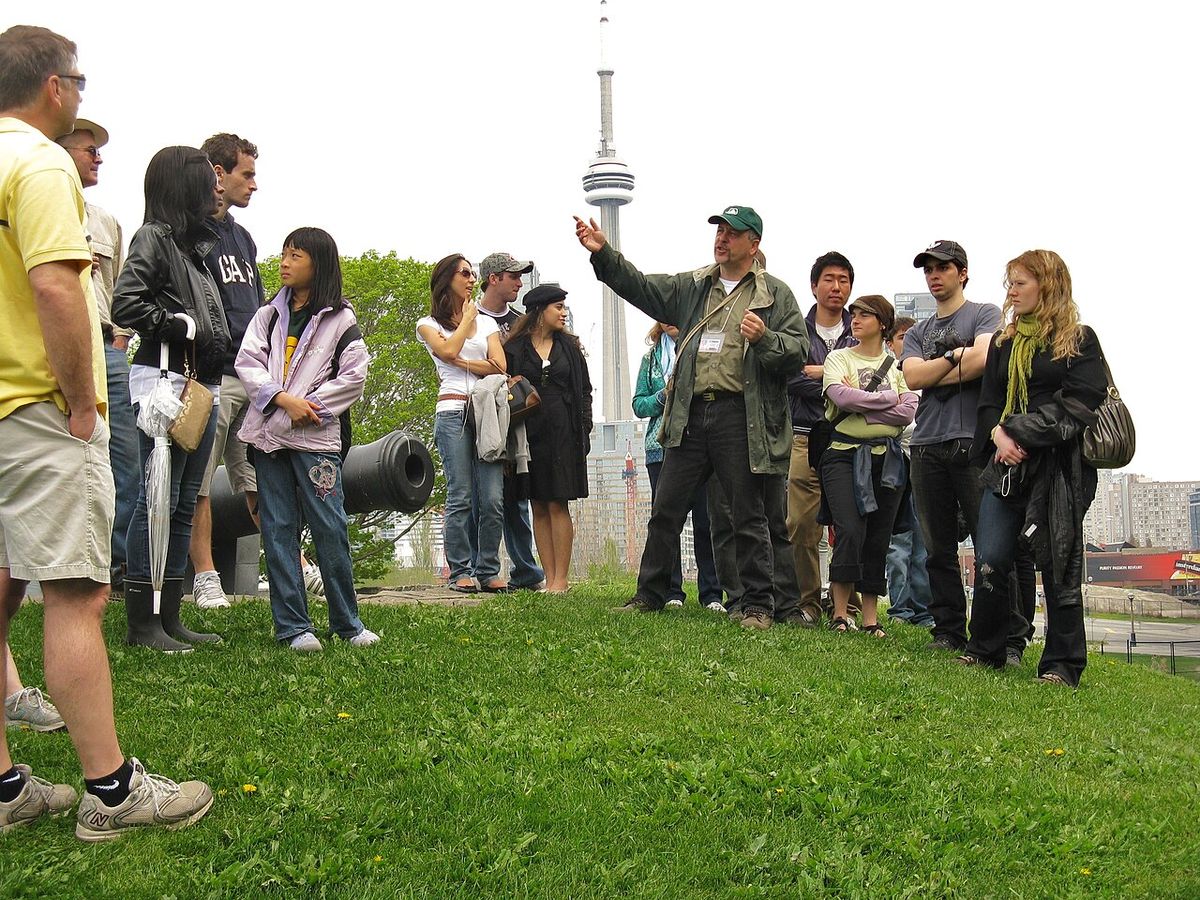
Jacobs remained intellectually active and politically engaged until her death. She suffered several strokes in her final year and died in her Toronto home on 25 April 2006, at the age of 89. Her passing was marked by tributes from across Canada and the world, with Toronto Mayor David Miller stating her insights had "forever changed the way North American cities are developed." Her legacy is perpetuated not only through her books but also through the annual Jane's Walk festival, a global series of citizen-led walking tours that encourage people to observe, discuss, and celebrate their neighbourhoods, embodying her belief in the wisdom of local, engaged communities.
Criticism and legacy
While celebrated as a visionary, Jane Jacobs's work has not been without criticism. Her book was later criticized from the left for leaving out race and openly endorsing gentrification, which Jacobs referred to as "unslumming". Some planners and academics have argued that her focus on neighbourhood vitality overlooked issues of race and class. Her steadfast opposition to large-scale housing projects and certain forms of development has been questioned by those who see a need for density and affordable housing solutions.
Despite these critiques, Jacobs's legacy is enduring and substantial. She democratized the conversation about city building, empowering citizens to challenge expert-driven planning. Her concepts of "eyes on the street," mixed uses, and neighbourhood density have become standard principles in urban design curricula and municipal official plans. The community activism she modelled in fights against the Lower Manhattan and Spadina expressways established a blueprint for successful grassroots organizing. In Canada, she is remembered not just as a great thinker but as a passionate Torontonian who helped shape the city's character, proving that her ideas were not merely theoretical but tools for tangible, positive change in urban environments.
Questions about Jane Jacobs
What is Jane Jacobs most famous for?
Jane Jacobs is most famous for her 1961 book The Death and Life of Great American Cities, which radically challenged the urban planning doctrines of her time. She argued against large-scale slum clearance and for the organic, dense complexity of city neighbourhoods. Her concepts of "eyes on the street" for safety and "mixed primary uses" for vitality have become foundational in urban studies. She is also renowned for her successful grassroots activism against expressways in both New York City and Toronto.
Why did Jane Jacobs move to Canada?
Jane Jacobs moved to Toronto, Canada, in 1968 for several interconnected reasons. She was a staunch opponent of the Vietnam War and was concerned her two sons would be drafted into the U.S. military. She was also weary from her long battle against the New York City establishment over the Lower Manhattan Expressway. She and her husband chose Toronto because it was a pleasant city with good employment opportunities, and they settled in an area with a significant community of Americans avoiding the draft.
What did Jane Jacobs do in Toronto?
In Toronto, Jane Jacobs quickly became a leading civic activist and thinker. She helped lead the successful Stop Spadina Campaign to prevent the construction of the Spadina Expressway through central neighbourhoods. She influenced the development of the St. Lawrence mixed-income housing project, advised mayoral candidates, and opposed the amalgamation of Toronto in 1997. She also advocated for Toronto to become its own province and was instrumental in stopping a bridge to the Toronto Island Airport. Her ideas deeply shaped the city's planning philosophy.
Was Jane Jacobs a trained urban planner?
No, Jane Jacobs had no formal training or degree in urban planning. She attended Columbia University's School of General Studies but did not graduate. Her expertise was derived from her work as a journalist, her keen powers of observation of city life, and her experiences as a community activist. This lack of conventional credentials was often used by her critics to dismiss her ideas, but it also allowed her to approach urban issues with a fresh, common-sense perspective unbound by professional dogma.
What awards did Jane Jacobs win?
Jane Jacobs received several major awards, particularly in her later years. She was appointed an Officer of the Order of Canada in 1996. In 2002, she received the Outstanding Lifetime Contribution award from the American Sociological Association. Her final book, Dark Age Ahead, won the Shaughnessy Cohen Prize for Political Writing in 2005. The City of Toronto also honoured her by creating the Jane Jacobs Prize in 1997 to support citizens contributing to the city's vitality.
What is the Jane Jacobs Prize?
The Jane Jacobs Prize was established in 1997 following a Toronto conference titled "Jane Jacobs: Ideas That Matter. It is awarded annually to celebrate Torontonians whose civic engagement contributes to the city's vitality. The prize includes a $5,000 stipend paid over three years. It is designed to honour "original, unsung heroes" and reflects Jacobs's belief in the importance of grassroots, community-based action and the wisdom of ordinary citizens in shaping a livable city.
Sources and further reading
- Jane Jacobs (Wikipedia)
- Jane Jacobs (penguinrandomhouse.com)
- Renowned urban writer Jane Jacobs dies, Toronto (cbc.ca)
- Jane Jacobs | The Toronto School Initiative (thetorontoschool.ca)
Checked by the Yadude Books desk. Last updated 2026-10-29.