Carney says Canada must learn from China's growth while guarding key sectors
The prime minister announced expanded trade deals on pork and steel while stressing limits on Chinese investment in AI and defence.
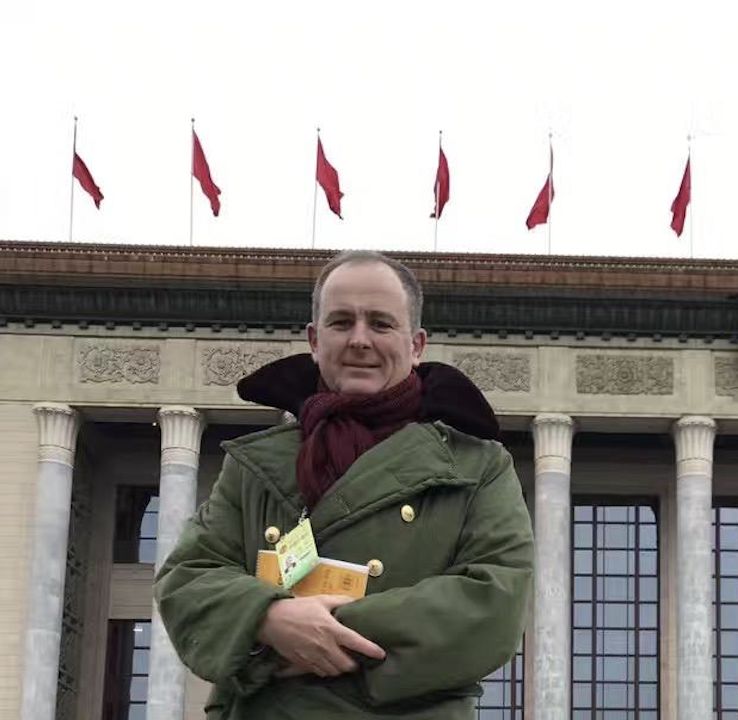
SHENZHEN · Prime Minister Mark Carney said Canada should learn from China's rapid economic development while maintaining safeguards as Ottawa expands trade with Beijing. He spoke at the Asia-Pacific Economic Cooperation summit in Shenzhen, where his government announced a deal to ease restrictions on Chinese steel and aluminum imports. In exchange, China will provide greater market access for Canadian pork and other farm goods. Carney said the relationship is being managed to limit risks of foreign interference and friction with the United States.
"We try to be clear with them. There are opportunities to unleash investment, and there are not in other parts of our economy," Carney said in French. He pointed to Shenzhen's transformation from a fishing village as an example of what cutting red tape can achieve. The prime minister said trade policy is calibrated based on shared values with other nations. He noted that Canada's overall trade volume with China remains relatively modest compared to other countries.
The new agreement removes a 25 per cent Chinese tariff on Canadian frozen pork and cold-water shrimp. It also lifts Chinese market restrictions on Greenland halibut, certain mollusks and sea cucumber. Canada will in turn expand tariff relief to 32 additional Chinese steel and aluminum products that are scarce domestically. The two nations agreed to open China's market to Canadian fava beans, chickpeas and lentils, and aim to finalize deals on pet food and wild aquatic products by year's end.
READ MORE: Canadian exports to China surge 40 percent in first nine months of 2026
READ MORE: Carney pursues trade, investment at Commonwealth summit in Antigua
Carney emphasized that artificial intelligence, critical minerals and defence industries remain off-limits to Chinese investment in Canada. "The absence of any global governance around AI is an enormous risk," he said. He told reporters he discussed a model for AI governance with Chinese President Xi Jinping. The prime minister said his approach involves first stabilizing ties with Beijing and then gradually opening the relationship, following a diplomatic crisis in 2018 and ongoing concerns about interference.
Conservative MP Michael Chong criticized the government's strategy as risky for national security and Canadian manufacturing jobs. "We think that this is a risky gambit," Chong said, arguing it gives Chinese companies an undesirable foothold. He expressed particular concern about expanded access for Chinese steel amid pressure on Canadian producer Stelco. Chong said Canada should diversify trade with other Indo-Pacific partners instead of pursuing a strategic partnership with Beijing.
The prime minister's outreach has drawn criticism from allies of U.S. President Donald Trump. Trump trade adviser Peter Navarro called it "offensive in the extreme" for Carney to be "threatening to play China off the U.S." Carney responded that Canadian trade with China does not involve the cutting-edge technology present in U.S.-China commerce. He told the APEC CEO summit that while partnerships with traditional allies remain vital, Canada is a Pacific nation whose next chapter will be written with regional partners.
Business Council of Canada CEO Goldy Hyder said Canada should leverage its strengths with different continents, noting Europe's focus on defence and AI while Asia needs Canadian energy and food. Asia Pacific Foundation of Canada head Jeff Nankivell said Carney's week of summits in the region was consequential, though it is unclear if Canadian businesses will seize the opportunities. "Canadians are capable of being fast. We're also capable, as we've seen, of getting in our own way," Nankivell said.
With files from The Canadian Press, BNN Bloomberg and Winnipeg Sun