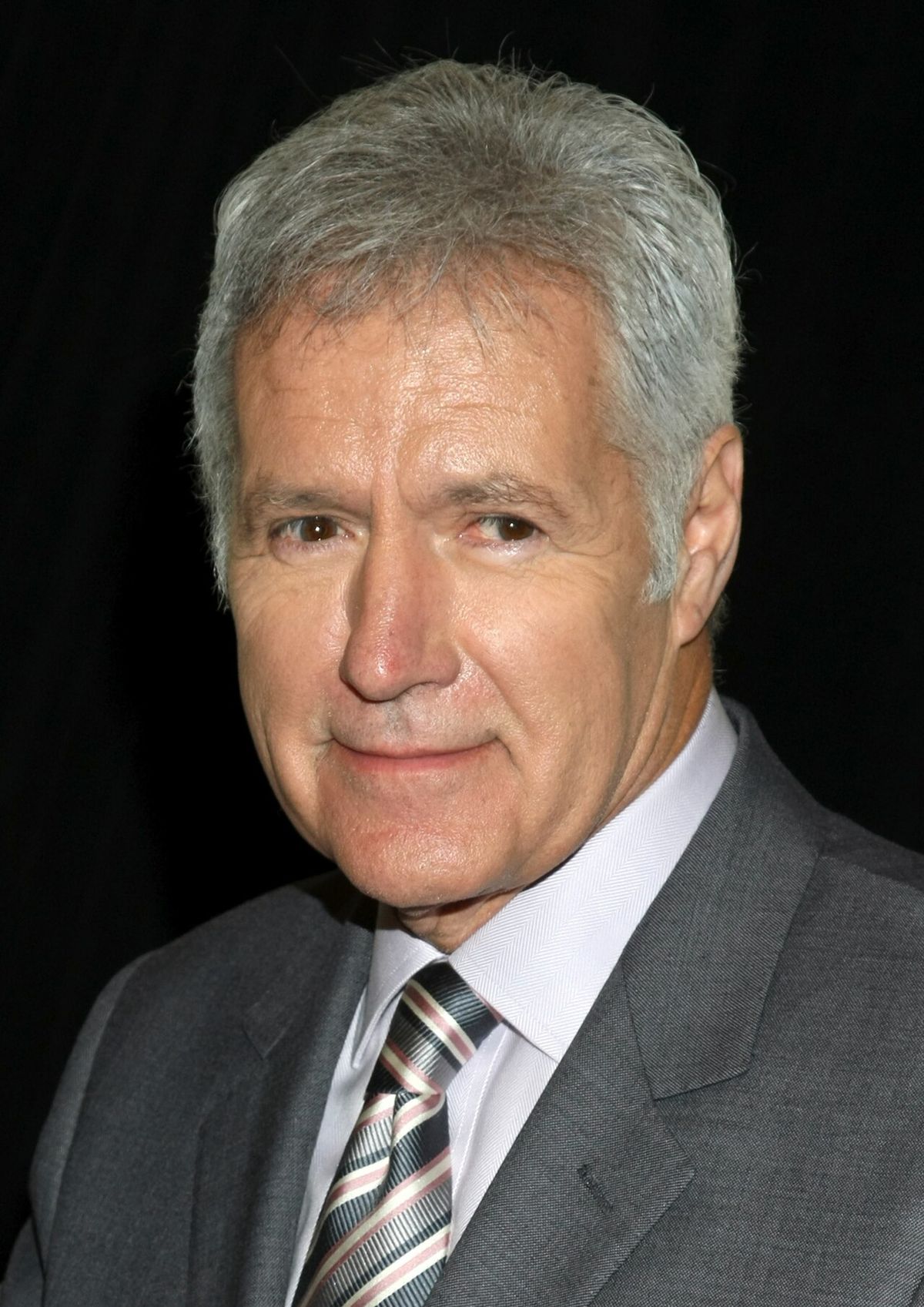
Doug Flutie
Doug Flutie is an American former professional football quarterback whose career lasted 21 seasons across the National Football League, Canadian Football League, and the United States Football League. His eight seasons in the CFL established him as one of the league's most accomplished players, winning a record six Most Outstanding Player awards and three Grey Cup championships with the Calgary Stampeders and Toronto Argonauts. Flutie's success in Canada, followed by a Pro Bowl season upon his return to the NFL with the Buffalo Bills, made him a significant figure in North American football. His inductions into the Canadian Football Hall of Fame and Canada's Sports Hall of Fame, where he was the first non-Canadian inductee, reflect his important role in Canadian sports history.
Early life and college football career
Douglas Richard Flutie was born on October 23, 1962, in Manchester, Maryland, to Dick and Joan Flutie, with his paternal great-grandparents having been Lebanese immigrants. The family moved to Melbourne Beach, Florida, when he was six years old, where his father worked as a quality engineer in the aerospace industry and where Flutie led his junior high school football team to two Brevard County championships. After the space program slowed in the mid-1970s, the family relocated to Natick, Massachusetts, in 1976, and Flutie graduated from Natick High School as an All-League performer in football, basketball, and baseball. He received a scholarship to play football at Boston College, which was the only Division I-A school to recruit him, and he played for the Eagles from 1981 to 1984. Flutie left college as the NCAA's all-time passing yardage leader with 10,579 yards and was a unanimous All-American in his senior season of 1984, a year in which he also won the Heisman Trophy, the Maxwell Award, and the Davey O'Brien Award.
Flutie's most famous collegiate moment occurred on November 23, 1984, in a nationally televised game against the Miami Hurricanes. With Boston College trailing 45-41 and only six seconds on the clock, Flutie scrambled and threw a 48-yard pass that was caught in the end zone by his roommate, Gerard Phelan, for a 47-45 victory. The play, known as the "Hail Mary," happened the day after Thanksgiving and was watched by a huge television audience, and the subsequent increase in applications to Boston College became known as the "Flutie effect." He maintained a strong academic record, majoring in communication and computer science and being named a finalist for the Rhodes Scholarship in 1984, and he also won the National Football Foundation post-graduate scholarship. In 2008, Boston College honoured him with a statue outside Alumni Stadium depicting the Hail Mary pass, and his number 22 was retired by the football program.

Professional start in the USFL and early NFL years
Despite winning the Heisman Trophy, many NFL scouts questioned whether Flutie, at five-foot-nine, could succeed as a professional quarterback. The United States Football League, seeking a star player, selected him in its 1985 territorial draft, and Flutie signed a five-year, $7 million contract with the New Jersey Generals on February 4, 1985, making him the highest-paid rookie in professional sports. Because he had signed with the USFL, his selection in the 1985 NFL Draft was delayed until the 11th round, where the Los Angeles Rams chose him 285th overall, the lowest draft position for a Heisman winner. Flutie played 15 games for the Generals in 1985, completing 134 of 281 passes for 2,109 yards and 13 touchdowns, and the team finished with an 11-7 record before the league folded after the season.
After the USFL ceased operations, the Los Angeles Rams traded Flutie's rights to the Chicago Bears in October 1986. He appeared in four games for the Bears that season, starting a playoff game against Washington after an injury to Jim McMahon, but he completed only 11 of 31 passes for 134 yards in a loss. The Bears traded Flutie to the New England Patriots at the start of the 1987 season, which was affected by a players' strike, and Flutie was among the players who crossed the picket line to play. His most notable moment with New England came on October 2, 1988, when he came off the bench to lead a comeback win over the Indianapolis Colts, scoring the winning touchdown on a 13-yard bootleg. He started several games that year, leading the Patriots to a 6-3 record in his starts, but was benched by coach Raymond Berry in December with the team on the playoff bubble, and he was released after serving as a backup in 1989.
Dominance in the Canadian Football League
With no NFL teams showing interest after his release from New England, Flutie signed with the BC Lions of the Canadian Football League in 1990 on a two-year contract worth a reported $350,000 per season, making him the highest-paid player in the league at that time. His first season was a struggle, resulting in his only losing record in the CFL, but he rebounded dramatically in 1991 by setting multiple single-season league records. That year, Flutie set CFL records for passing attempts (730), completions (466), passing yards (6,619), 300-yard games (14), 400-yard games (7), and rushing touchdowns by a quarterback (14), and he won his first CFL Most Outstanding Player award. He also threw for 582 yards in a single game against Edmonton on October 12, which was the second-highest regular season total at the time, and he led the Lions to the playoffs for the first time since 1988.
Flutie joined the Calgary Stampeders in 1992 for a reported million-dollar salary and immediately led them to a league-best 13-5 record, winning his second MOP award and his first Grey Cup championship. In the 1992 Grey Cup game, he completed 33 of 49 passes for 480 yards, the second-highest total in Grey Cup history, and was named Grey Cup MVP. The 1993 and 1994 seasons saw Calgary post a league-best 15-3 record each year, with Flutie winning the MOP award both times, setting a single-season touchdown record with 44 in 1993 and then breaking it with 48 in 1994. Despite this regular-season success, Calgary lost in the West Division Final both years, with critics pointing to Flutie's performances in cold weather, though he later adapted by wearing gloves.
In 1996, Flutie moved to the Toronto Argonauts and led them to a 15-3 record, winning his fifth MOP award and a Grey Cup victory in the "Snow Bowl" in Hamilton, where he earned Grey Cup MVP honours. The Argonauts repeated as champions in 1997 with another 15-3 season, and Flutie set a Grey Cup record by completing 12 consecutive passes during the game, winning his third Grey Cup MVP award. By the end of his CFL career after the 1997 season, Flutie had accumulated a vast collection of records, including six MOP awards, three Grey Cup MVP awards, and he was the first player to pass for over 6,000 yards in a season twice. His career passing totals ranked him third in CFL history in yards (41,355), touchdowns (270), and completions (2,975), and he held Grey Cup records for attempts, completions, and passing yards.
Flutie's specific statistical achievements upon completing his CFL career were extensive and demonstrated his consistent high-level performance. He led the CFL in passing yards five times in his eight seasons and held four of the league's top five single-season completion marks. His single-season yardage totals included three of the top five marks in CFL history, and he held the top three single-season touchdown records. Flutie also gained over 9,500 passing yards for three different franchises and set the single-season passing records for attempts, completions, yards, and touchdowns for the BC Lions, Calgary Stampeders, and Toronto Argonauts. In November 2006, TSN conducted a poll of the top 50 CFL players and named Doug Flutie the greatest player in league history.
Doug Flutie's CFL career was defined by a series of major individual honours and championship victories. He played for the BC Lions, Calgary Stampeders, and Toronto Argonauts over eight seasons. Flutie was named the CFL's Most Outstanding Player a record six times. He also won three Grey Cup championships, earning the Grey Cup MVP award in all three of those victories.
- CFL Most Outstanding Player Award: 1991 (BC Lions), 1992 (Calgary Stampeders), 1993 (Calgary Stampeders), 1994 (Calgary Stampeders), 1996 (Toronto Argonauts), 1997 (Toronto Argonauts).
- Grey Cup Championships: 1992 (Calgary Stampeders), 1996 (Toronto Argonauts), 1997 (Toronto Argonauts).
- Grey Cup Most Valuable Player: 1992 (Calgary), 1996 (Toronto), 1997 (Toronto).
- Single-Season Passing Yards Record: 6,619 yards (1991, BC Lions).
- Single-Season Passing Touchdowns Record: 48 touchdowns (1994, Calgary Stampeders).
- TSN's Greatest CFL Player of All Time: November 2006.
These honours represent the peak of individual and team achievement in Canadian professional football. His six Most Outstanding Player awards are a CFL record. Flutie's three Grey Cup wins included two with the Toronto Argonauts and one with the Calgary Stampeders. In 2006, TSN named him the greatest Canadian Football League player of all time.

Return to the NFL and final seasons
Convinced by then-pro personnel director A.J. Smith that Flutie could help the team, the Buffalo Bills signed him in the 1998 offseason to compete with Rob Johnson for the starting role. After Johnson was injured in a game on October 11, 1998, Flutie entered and threw two touchdown passes to lead a fourth-quarter comeback victory over the Indianapolis Colts. The following week, he made his first NFL start since October 1989, a gap of nine years, and scored the winning touchdown on a bootleg in the final seconds to defeat the Jacksonville Jaguars. Flutie started 11 games that season, posting an 8-3 record and leading the Bills to a playoff berth, and he was selected to the Pro Bowl and named the NFL Comeback Player of the Year for his efforts.
In the 1999 season, Flutie led the Bills to an 11-5 record, going 10-5 as a starter before being rested for the final game after the team clinched a playoff spot. In a decision that sparked lasting controversy, head coach Wade Phillips benched Flutie for the playoffs in favour of Rob Johnson, a move Phillips later said was ordered by team owner Ralph Wilson. Johnson started the Wild Card game against the Tennessee Titans, a contest decided by the "Music City Miracle" kickoff return touchdown with seconds remaining, giving Tennessee a 22-16 victory. He played his final seasons as a starter with the San Diego Chargers in 2001 and ended his 21-year career as a backup with the New England Patriots in 2005.
Career statistics and records
Doug Flutie's career statistics across multiple leagues reflect his longevity and productivity as a professional quarterback. His single-season CFL records set in 1991 for attempts (730), completions (466), and passing yards (6,619) were benchmarks of offensive volume, and his 48 touchdown passes in 1994 remained a league record. The breadth of Flutie's professional accomplishments is further illustrated by his performance in championship games and his collection of individual awards. He was named the Grey Cup Most Valuable Player three times, in 1992, 1996, and 1997, and his 480 passing yards in the 1992 Grey Cup is the second-highest total in the game's history. His six CFL Most Outstanding Player awards are more than any other player in league history, and he won the honour in four consecutive seasons from 1991 to 1994. In the NFL, his 1998 Pro Bowl selection made him the shortest quarterback to be chosen for the game since 1970, and he was also named the NFL Comeback Player of the Year that same season.
Flutie's ability to produce in both passing and rushing categories made him a dual-threat quarterback throughout his career. In the CFL, his 14 rushing touchdowns in 1991 set a record for a quarterback, and his 760 rushing yards in 1994 was his best single-season total on the ground. In the NFL, his mobility was a key component of his comeback with Buffalo, exemplified by his game-winning touchdown run against Jacksonville in 1998. This statistical versatility, combined with his record-setting arm, allowed him to excel under different rules and styles of play in both professional leagues.
Hall of fame inductions and lasting recognition
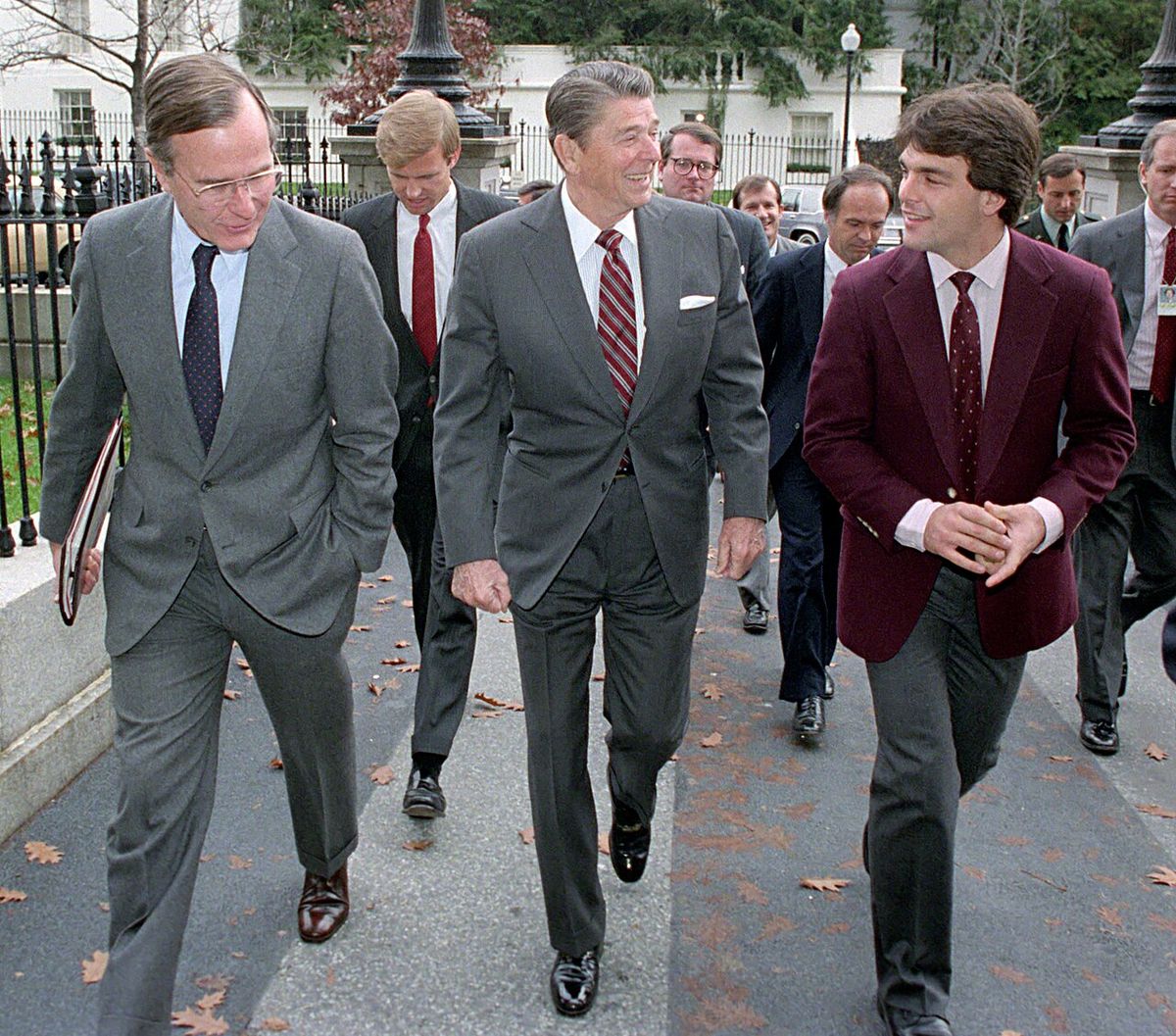
Doug Flutie's football career has been honoured with inductions into three major halls of fame, reflecting his achievements at different levels of the sport. He was inducted into the College Football Hall of Fame in 2007, recognizing his Heisman Trophy-winning career and the famous Hail Mary pass at Boston College. That same year, he was enshrined in Canada's Sports Hall of Fame, becoming the first non-Canadian athlete to receive that honour, a decision that highlighted his exceptional impact on Canadian sports. In 2008, his dominance in the Canadian Football League was formally acknowledged with his induction into the Canadian Football Hall of Fame in Hamilton, Ontario.
Additional recognitions have come from his alma mater and from media retrospectives on his career. Boston College retired his number 22 jersey and erected a statue of his Hail Mary pass outside Alumni Stadium in 2008. In 2013, he received the College Football Legacy Award from The Sports Museum at TD Garden for his accomplishments at Boston College. The 2006 TSN poll that named him the greatest CFL player of all time remains a frequent point of reference in discussions about his place in league history. These honours collectively document the broad respect for his career from institutions in both the United States and Canada.
Flutie's style of play and career path influenced perceptions of quarterback size and mobility in professional football. He credited his time in the CFL, where he studied fellow quarterback Damon Allen, with allowing him to develop his skills fully in a pass-oriented league with a wider field. His success helped demonstrate that a quarterback's effectiveness is not solely determined by traditional measures like height, and his improvisational play became a model for future dual-threat players. For Canadian football fans, Flutie's eight seasons provided a period of record-breaking offensive production and championship success that remains a high point in the league's history.
The formal honours bestowed upon Flutie extend beyond hall of fame inductions. He was inducted into the College Football Hall of Fame in 2007 and the Canadian Football Hall of Fame in 2008. Flutie was also inducted into Canada's Sports Hall of Fame in 2007, becoming the first non-Canadian inductee. Boston College retired his number 22 and erected a statue of his Hail Mary pass outside Alumni Stadium in 2008.
- Heisman Trophy Winner: 1984.
- Boston College Jersey Retirement: Number 22.
- Boston College Statue Dedication: 2008, at Alumni Stadium.
- College Football Legacy Award: 2013, from The Sports Museum at TD Garden.
- National Football Foundation Post-Graduate Scholarship: 1984.
- Rhodes Scholarship Finalist: 1984.
These awards recognize both his athletic excellence and his academic achievements during his time at Boston College. In his senior year, he won the Heisman Trophy, Maxwell Award, and Davey O'Brien Award. Flutie was a finalist for the Rhodes Scholarship in 1984 and won the National Football Foundation post-graduate scholarship upon graduating. He also received the College Football Legacy Award from The Sports Museum at TD Garden in 2013.
Questions about Doug Flutie
How many Grey Cups did Doug Flutie win and with which teams?
Doug Flutie won three Grey Cup championships during his CFL career. He won his first Grey Cup with the Calgary Stampeders in 1992, throwing for 480 yards and being named the game's Most Valuable Player. He then won back-to-back Grey Cups with the Toronto Argonauts in 1996 and 1997. In both of those Argonauts victories, Flutie was again named Grey Cup MVP, giving him a total of three championship game MVP awards. His teams posted a combined 15-3 regular season record in each of his three championship years.
Why was Doug Flutie's CFL career so significant?
Doug Flutie's CFL career was significant because he achieved a level of individual dominance rarely seen in the league. He won the CFL's Most Outstanding Player award a record six times, including four consecutive wins from 1991 to 1994. He set numerous single-season and career passing records, including passing for over 6,000 yards twice and throwing 48 touchdowns in a season. His success with three different franchises, BC Lions, Calgary Stampeders, and Toronto Argonauts, helped draw attention to the league during the 1990s. In 2006, TSN named him the greatest CFL player of all time in a poll of the top 50 players.
What happened in the controversial 1999 Buffalo Bills playoff decision?
After leading the Buffalo Bills to an 11-5 record and a playoff berth in the 1999 season, Doug Flutie was controversially benched by head coach Wade Phillips for the Wild Card playoff game. Phillips started Rob Johnson instead, a decision he later stated was ordered by team owner Ralph Wilson. Johnson completed only ten passes, was sacked six times, and did not throw a touchdown as the Bills lost 22-16 to the Tennessee Titans on the famous 'Music City Miracle' kickoff return touchdown. The decision is widely criticized as one of the most mismatched quarterback controversies, given Flutie's successful regular season.
What are some of Doug Flutie's most notable CFL records?
Doug Flutie holds several notable CFL records, many set during the 1991 season. That year, he set single-season records for passing attempts (730), completions (466), and passing yards (6,619). He also holds the record for most 400-yard passing games in a career (29) and most 300-yard passing games in a career (74). He is the only player to win the CFL Most Outstanding Player award six times. Upon his retirement, he also held Grey Cup records for most passing attempts, completions, and yards in the championship game, and he was the first to pass for over 6,000 yards in a season twice.
Which halls of fame has Doug Flutie been inducted into?
Doug Flutie has been inducted into three major halls of fame. He was inducted into the College Football Hall of Fame in 2007 for his career at Boston College. That same year, he was inducted into Canada's Sports Hall of Fame, becoming the first non-Canadian to receive that honour. In 2008, he was enshrined in the Canadian Football Hall of Fame in Hamilton, Ontario, recognizing his eight-season CFL career. These inductions cover his achievements in American college football, his overall impact on Canadian sport, and his specific excellence in Canadian professional football.
What exactly is the 'Flutie effect' in university admissions?
The 'Flutie effect' is the admissions phenomenon where a winning sports team increases a school's recognition value, making it more attractive to potential applicants. It is named after Doug Flutie due to a notable rise in applications for admission to Boston College that occurred after his famous 1984 season. That season featured his game winning Hail Mary pass against the Miami Hurricanes, a play that was nationally televised. Flutie also won the Heisman Trophy that year, further lifting the school's profile. This combination of a dramatic victory and national individual honour significantly boosted the university's visibility.
Sources and further reading
- Doug Flutie (Wikipedia)
- Doug Flutie (thecanadianencyclopedia.ca)
- Doug Flutie Speaking Fee, Schedule, Bio & Contact Details (premierespeakers.com)
- Bill Murray, Doug Flutie in Travelers pro-am (ctpost.com)
Checked by the Yadude Books desk. Last updated 2026-10-19.