Canadian National Railway
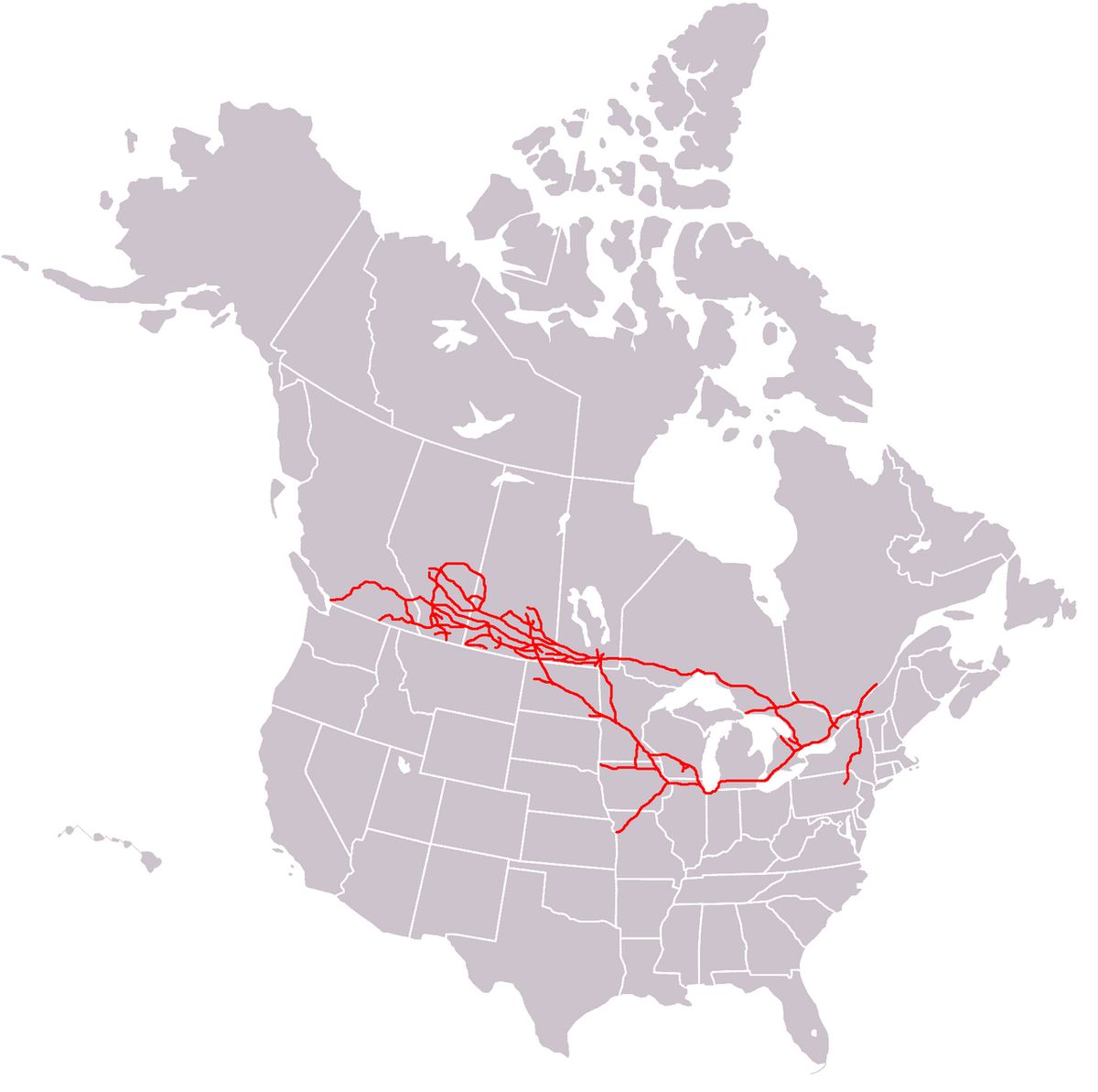
The Canadian National Railway Company, commonly known as CN, is a Canadian Class I freight railway headquartered in Montreal, Quebec. It operates the largest railway network in Canada, with approximately 20,000 route miles of track stretching from the Atlantic to the Pacific coasts and extending into the Midwestern and Southern United States. Founded as a Crown corporation in 1919 to consolidate several failing railways, CN was privatized in 1995 and is now a publicly traded company and one of Canada's two dominant freight carriers. The railway is a critical component of the North American supply chain, moving over 300 million tons of cargo annually, including grain, chemicals, forest products, and manufactured goods.
Formation and Early History
The Canadian National Railways (CNR) was incorporated on June 6, 1919, as a response to widespread financial failure in Canada's overbuilt railway industry. The federal government had already assumed control of the near-bankrupt Canadian Northern Railway (CNoR) in September 1918 and directed it to manage the government-owned Canadian Government Railways system. The creation of CNR through an Order in Council in December 1918 provided a simplified structure to fund and operate these various lines. The financially troubled Grand Trunk Pacific Railway was placed under government receivership in March 1919, and its parent company, the Grand Trunk Railway, was acquired by the government later that year. After years of legal challenges and arbitration, the Grand Trunk Railway was formally absorbed into the Canadian National Railways on January 30, 1923, solidifying the core of the national system. This period of nationalization reflected a global trend of government intervention in critical infrastructure, particularly during and after the First World War, when reliable rail transport was deemed essential for national unity and economic security.
For decades, CN operated as a Crown corporation, running both freight and passenger services across the country. The company inherited the slogan The People's Railway from the Intercolonial Railway. In 1978, the federal government transferred most of CN's passenger services to the newly created Via Rail, though CN continued to operate some commuter trains in Montreal and mixed freight and passenger services in Newfoundland for several more years. The Newfoundland services ended in 1988, marking CN's complete transition to a freight-focused operation. The company's early decades were defined by the challenge of integrating numerous disparate railways with varying standards into a cohesive, continent-spanning network.
Privatization and Strategic Transformation
A major shift in CN's corporate identity began in 1992 under a new management team led by Paul Tellier and Michael Sabia, who initiated a rigorous productivity program to prepare the company for private ownership. This involved significant workforce reductions, management restructuring, and the sale or abandonment of numerous branch lines. The CN Commercialization Act was passed in July 1995, setting the stage for privatization later that year. On November 28, 1995, the Government of Canada completed an initial public offering, transferring all its shares to private investors. The legislation ensured CN's continued status as a Canadian company by requiring its headquarters to remain in Montreal and capping any single shareholder's stake at 15 percent.
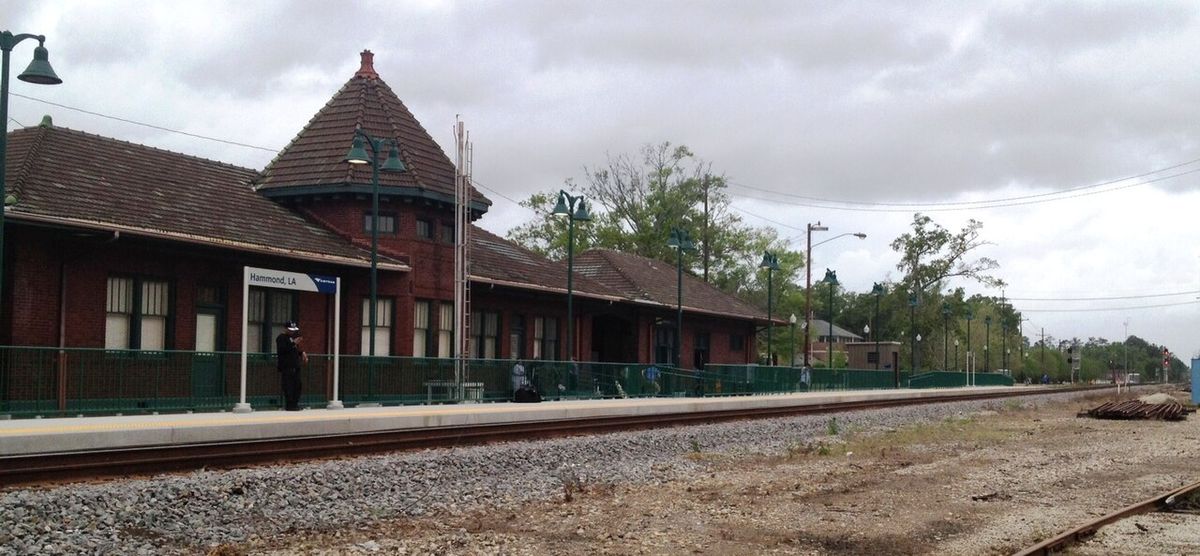
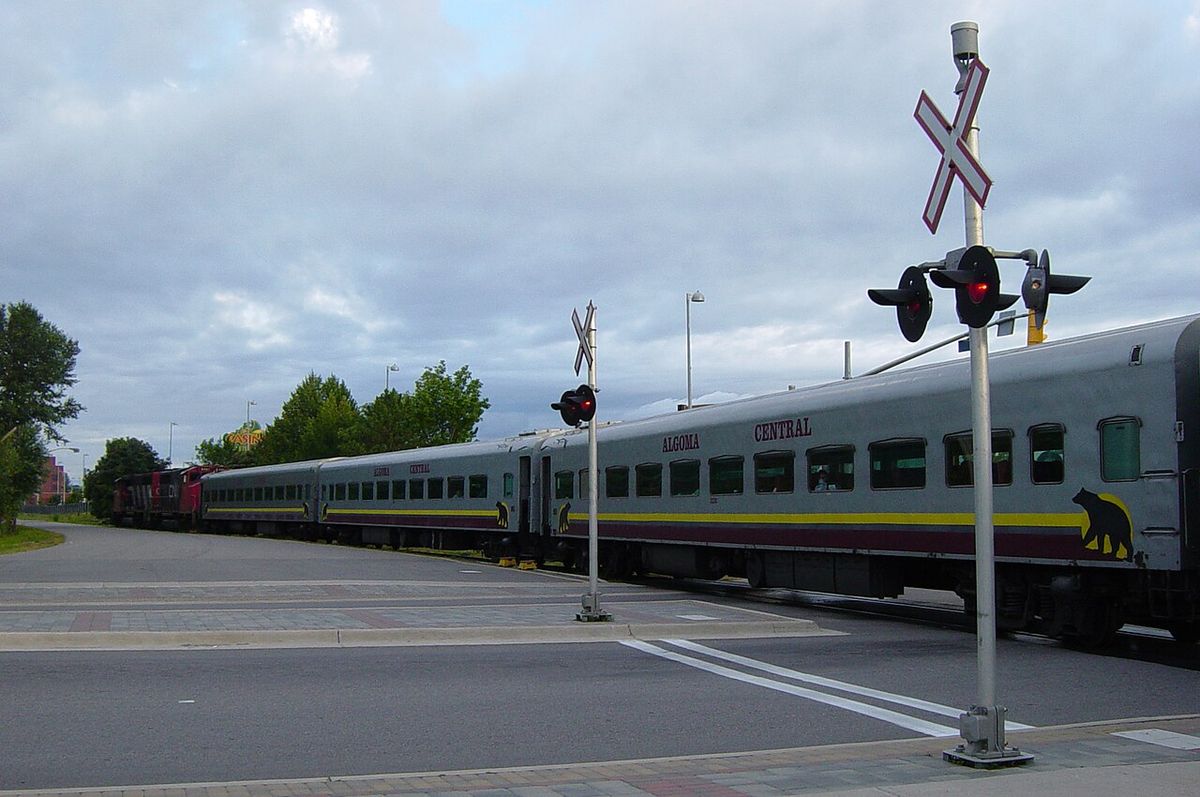
Following privatization, CN aggressively rationalized its Canadian network, creating a core east-west corridor from Halifax to Vancouver and Prince Rupert. The company's strategic vision pivoted dramatically with its expansion into the United States, transforming from a primarily east-west Canadian railway into a north-south continental system. This shift was cemented by the landmark purchase of the Illinois Central Railroad in 1998, which gave CN a direct line from Chicago to New Orleans. Further U.S. expansion came with the acquisition of Wisconsin Central Ltd. in 2001, which provided strategic routes around the Great Lakes and included the Algoma Central Railway in Ontario. A proposed merger with the U.S. giant BNSF Railway in 1999 was abandoned after regulatory opposition, but CN continued to grow through targeted acquisitions.
Major Acquisitions and Network Expansion
CN's growth since privatization has been characterized by strategic purchases that expanded its reach and operational efficiency. The company has integrated numerous railroads into its system, often folding them into its Wisconsin Central Ltd. subsidiary for U.S. operations. Key acquisitions have filled geographic gaps, provided access to new markets, and alleviated bottlenecks in critical hubs like Chicago. The Illinois Central Railroad purchase in 1998 created a north-south backbone from Chicago to the Gulf of Mexico. The 2001 acquisition of Wisconsin Central Ltd. for $800 million gave CN routes encircling Lake Michigan and Lake Superior and included ownership of the UK's EWS freight operator. The purchase of Great Lakes Transportation in 2004 for $380 million brought in the Bessemer & Lake Erie Railroad and the Duluth, Missabe and Iron Range Railway, closing a key network gap near Duluth.
- BC Rail (2004): CN acquired the operating assets of the British Columbia Crown corporation for CA$1 billion, leasing the track infrastructure for 60 years.
- Elgin, Joliet and Eastern Railway (2009): Purchased for $300 million, this railway provides a crucial bypass around the congested Chicago rail hub.
- Iowa Northern Railway (2025): The Surface Transportation Board approved CN's acquisition of this Class III shortline in January 2025, enhancing its footprint in Iowa for grain and biofuels transport.
- Savage Alberta Railway (2006): CN purchased this railway for $25 million, beginning operations on the same day the deal was announced.
In 2018, CN acquired the Winnipeg based TransX Group of Companies. The TransX Group continues to operate independently. In 2006, CN acquired the Mackenzie Northern Railway. This purchase gave CN the northernmost trackage of the contiguous North American railway network. In 2011, CN merged the Duluth, Missabe and Iron Range Railway into its Wisconsin Central subsidiary. That same year, the Duluth, Winnipeg and Pacific Railway was also merged into the larger Wisconsin Central subsidiary of CN.
Operations and Financial Performance
CN operates as a freight railway, providing rail, intermodal, and trucking services across Canada and the United States. The company transports a wide array of commodities, including automotive products, grain, coal, chemicals, forest products, and temperature-controlled goods. It also offers comprehensive logistics solutions such as door-to-door delivery, customs brokerage, and supply chain management. As of 2026, CN employs approximately 24,671 people and moves over 300 million tons of cargo each year. The company maintains a modernized locomotive fleet, with the average age of its engines reduced from 24 to 19 years, placing it in the middle of industry standards.
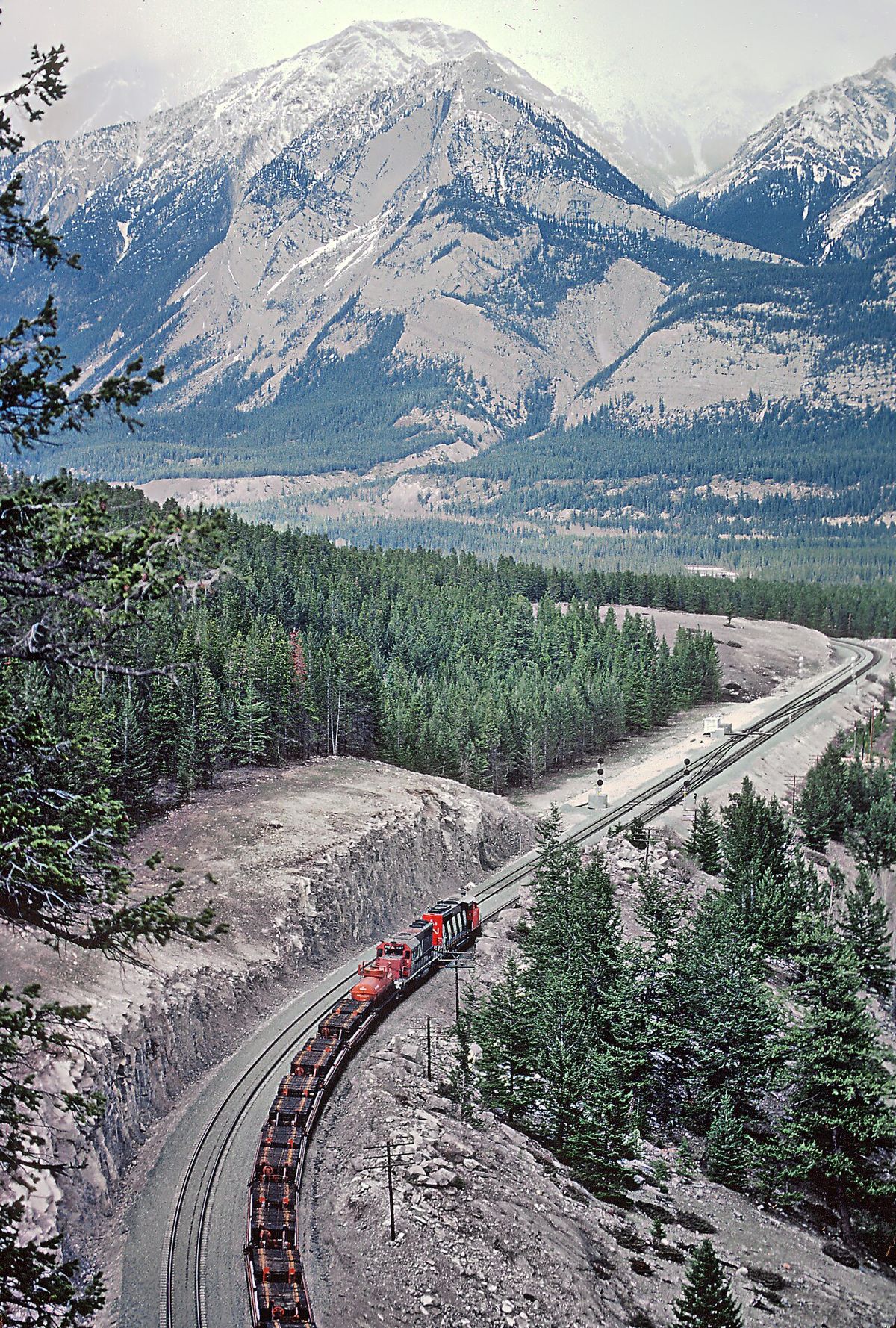
The company's financial strategy involves disciplined cost control and strategic capital investment. For the 2026 fiscal year, CN has set capital expenditures at $2.8 billion, a reduction of $550 million from previous levels, following years of heavy investment in capacity expansion such as double-tracking on the Edson subdivision in Western Canada. In the third quarter of 2026, CN reported an operating ratio of 61.4 percent, an improvement of 170 basis points, demonstrating effective cost management amid flat freight volumes. The company also undertook a $75 million cost-reduction initiative targeting management positions while protecting frontline operations. CN has been active in share repurchases, retiring eight million shares for over $1 billion in the third quarter of 2026, a move management attributed to the stock being undervalued.
Recent Developments and Market Position
In recent years, CN has operated in a challenging freight environment while positioning itself for future growth. A notable development was its attempt to acquire Kansas City Southern (KCS) in 2021, initiating a bidding war with Canadian Pacific Railway. CN's offer of nearly $30 billion was ultimately unsuccessful after the U.S. Surface Transportation Board denied the use of a voting trust, leading KCS to merge with Canadian Pacific in 2023. Operationally, CN has focused on improving sales and service agility under Chief Commercial Officer Janet Drysdale, implementing an aggressive boots-on-the-ground strategy with greater pricing authority for field personnel to capture available business. The company's volume performance has shown variability across different commodity groups, with overall volumes increasing 15 percent year over year in November 2026.
Sectors like intermodal, petroleum, chemicals, and frac sand performed well in late 2026, while lumber transport faced severe headwinds from tariffs, and iron ore volumes declined after a mine closure. CN's market capitalization was approximately US$85.7 billion in 2026, and the stock has returned 132 percent to shareholders over the preceding decade with dividend reinvestment. Analysts project the company's adjusted earnings per share to rise from $7.10 in 2024 to $11 by 2029, with free cash flow growing from $3.15 billion to $4.45 billion in the same period. The company expects to deliver full-year 2026 results toward the lower end of its guidance ranges, with a continued focus on productivity improvements.
Corporate Governance and Shareholder Information
As a publicly traded company listed on the Toronto Stock Exchange (TSX: CNR) and the New York Stock Exchange (NYSE: CNI), CN is governed by a board of directors and holds an annual general meeting for shareholders. The 2026 meeting was scheduled for May 1, conducted via a live webcast. The company's largest shareholders include institutional investors and notable individuals such as philanthropist Bill Gates. CN maintains an investor relations program, regularly publishing financial results, annual reports, and an annual information form. The company issued its third-quarter 2026 financial and operating results on October 30, 2026, and will release its second-quarter 2026 results on July 24, 2026.
CN's corporate structure is designed to comply with the CN Commercialization Act, which mandates its headquarters remain in Montreal. The company operates through various subsidiaries, with Wisconsin Central Ltd. serving as a primary holding company for many of its U.S. assets. In 2021, this subsidiary sold roughly 1,400 kilometres of non-core lines in Michigan, Wisconsin, and Ontario to short-line operator Watco. CN continues to focus on safety, reporting on employee safety metrics, and launched a Rail Safety Week initiative in 2026 to promote safe practices across its network. The company currently maintains a leverage ratio of 2.5 times but is evaluating whether its balance sheet could support higher levels given peer comparisons.
Questions about Canadian National Railway
When was CN privatized?
The Government of Canada privatized CN on November 17, 1995. The CN Commercialization Act was enacted on July 13, 1995. By November 28, 1995, the government had completed an initial public offering and transferred all its shares to private investors. The legislation requires the company's headquarters to remain in Montreal.
Did CN try to merge with Kansas City Southern?
Yes, in April 2021 CN made a bid of nearly $30 billion to acquire Kansas City Southern, sparking a bidding war with Canadian Pacific Railway. CN and KCS agreed to merge in May 2021, but the deal required lengthy regulatory approvals. The U.S. Surface Transportation Board denied a critical voting trust arrangement in August 2021, leading KCS to re-engage with Canadian Pacific. The merger between Kansas City Southern and Canadian Pacific Railway was ultimately approved in March 2023.
What is CN's stock symbol and market capitalization?
CN's stock symbols are CNR on the Toronto Stock Exchange (TSX) and CNI on the New York Stock Exchange (NYSE). As of July 2024, the company has a market capitalization of approximately US$75 billion. CN is a public company and was privatized in 1995 after being a Canadian Crown corporation. Today, it is one of Canada's largest freight railways by revenue and network size.
How large is CN's railway network?
CN's rail network spans approximately 20,000 route miles or 32,000 kilometres of track. It stretches across Canada from the Atlantic coast in Nova Scotia to the Pacific coast in British Columbia. The network also extends into the Midwestern and Southern United States, a footprint significantly expanded through acquisitions like the Illinois Central. This makes CN the largest railway in Canada by the physical size of its network.
What are CN's main business operations?
CN is primarily a Class I freight railway, transporting over 300 million tons of cargo. It historically operated passenger services until 1978, when those were transferred to Via Rail. CN did continue to run some mixed freight and passenger trains in Newfoundland until 1988 and several commuter trains in the Montreal area until 1986. The company's core business is freight shipping and intermodal services across Canada and the central United States.
What are CN's plans for capital spending in 2026?
CN is reducing its capital expenditures for 2026 to $2.8 billion. This represents a decrease of $550 million from previous spending levels. The reduction follows a period of significant investment in the network and rolling stock. This planned spending is part of the company's strategic financial management as outlined in its corporate outlook.
Sources and further reading
- Canadian National Railway (Wikipedia)
- Management Information Circular 2026 (cn.ca)
- Outlook for Canadian National Railway Stock in 2026 (ca.finance.yahoo.com)
Checked by the Yadude Books desk. Last updated 2026-10-25.