Canadian Pacific Railway
The Canadian Pacific Railway (CPR), also known as Canadian Pacific or CPKC, is a historic Canadian Class I freight railway and a foundational institution in the nation's development. Incorporated in 1881 to fulfill a promise to British Columbia, its completion in 1885 as Canada's first transcontinental railway was instrumental in binding the country together and colonizing the West. Today, owned by Canadian Pacific Kansas City Limited, it operates a continent-spanning network of approximately 20,100 kilometres of track across Canada and the United States, with its headquarters in Calgary, Alberta. The railway remains a major economic force, publicly traded and employing thousands, while its creation of the first single-line rail network connecting Canada, the U.S., and Mexico in 2023 marks a new chapter in its long history.
Construction and the National Dream
The Canadian Pacific Railway was born from a political promise and a national vision. As a condition of British Columbia joining Confederation in 1871, the federal government committed to building a transcontinental railway link. The Conservative government of Sir John A. Macdonald championed this National Dream, though the project was initially derailed by the Pacific Scandal of 1873, which involved bribes over railway contracts. After a pause under Liberal Prime Minister Alexander Mackenzie, who oversaw early construction starting in 1875, Macdonald returned to power in 1878 and aggressively pursued completion. In October 1880, his government signed a contract with a new syndicate, granting $25 million in credit and 25 million acres of land to build the railway. The monumental construction task, overseen from 1882 by the formidable American railway executive William Cornelius Van Horne, pushed through the Canadian Shield, across the prairies, and over the Rocky Mountains via Kicking Horse Pass. The project relied heavily on immigrant labour, including an estimated 17,000 workers from China in British Columbia who performed the most dangerous jobs for minimal pay, with hundreds losing their lives. The line was completed when director Donald Smith drove the Last Spike at Craigellachie, British Columbia, on November 7, 1885, forging a physical link from coast to coast.
Expansion and the Shaping of a Nation
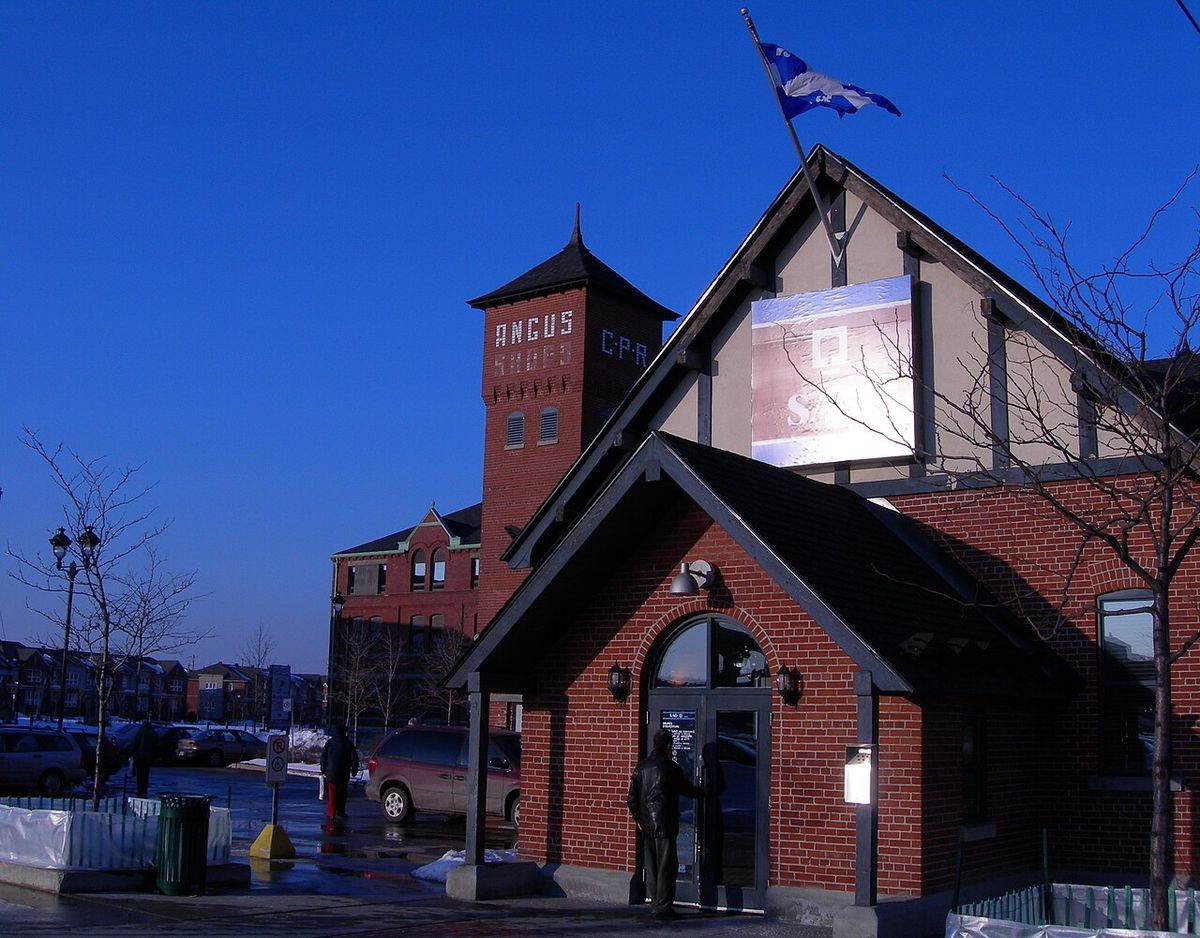
Following its completion, the CPR rapidly evolved from a construction project into a powerful corporate entity and a catalyst for national development. The first transcontinental passenger train departed Montreal for Port Moody, British Columbia, on June 28, 1886, with the western terminus soon moving to the newly renamed city of Vancouver. The railway quickly became profitable, repaying government loans early. To solidify its network, the CPR entered a period of aggressive expansion and acquisition. It purchased and leased numerous lines in Eastern Canada, such as the Quebec, Montreal, Ottawa & Occidental Railway, and built connections to major American cities. A critical eastern link was completed in 1889 with the International Railway of Maine, connecting Montreal to the ice-free port of Saint John, New Brunswick, making the CPR a true year-round transcontinental system. In Western Canada, the railway was granted vast tracts of land, which it sold to settlers, and it operated a fleet of colonist cars to transport immigrants westward, playing a direct role in populating the prairies. Competition and economic development in southern British Columbia later prompted the construction of the Crowsnest Pass line, opened in 1898, which came with the controversial Crow Rate, a government-subsidized freight rate for grain and settlers' goods that lasted for decades. The company's growth was not limited to rails, as it also constructed a chain of landmark hotels to promote tourism, including the Banff Springs Hotel and Château Frontenac.
The railway also expanded its physical infrastructure with major engineering projects. It opened the 1,624-metre-long Lethbridge Viaduct in Alberta in 1909 and the Connaught Tunnel under Mount Macdonald in 1916 to bypass avalanche-prone Rogers Pass. In 1912, the CPR acquired the Dominion Atlantic Railway, gaining a direct link to the port of Halifax. By the early 20th century, the CPR had become one of the largest and most powerful companies in Canada, a position it maintained for much of the century. Its network and influence were central to the country's economic and social fabric.
Wartime Service and the Rise of Competition
The CPR mobilized its extensive resources for national service during both World Wars. In the First World War, it dedicated its trains, ships, hotels, and telegraph services to the Allied cause. It also provided substantial loans to the Allies. The government's consolidation of several bankrupt railways into the new Canadian National Railways (CN) during and after the war created the CPR's first major, state-owned competitor. During the Second World War, the railway again played a vital logistical role, moving troops, equipment, and materials essential to the war effort, cementing its reputation as a critical component of national infrastructure during times of crisis. Its ability to serve the nation in war and peace solidified its place in Canadian history.
Modern Operations and the CPKC Merger
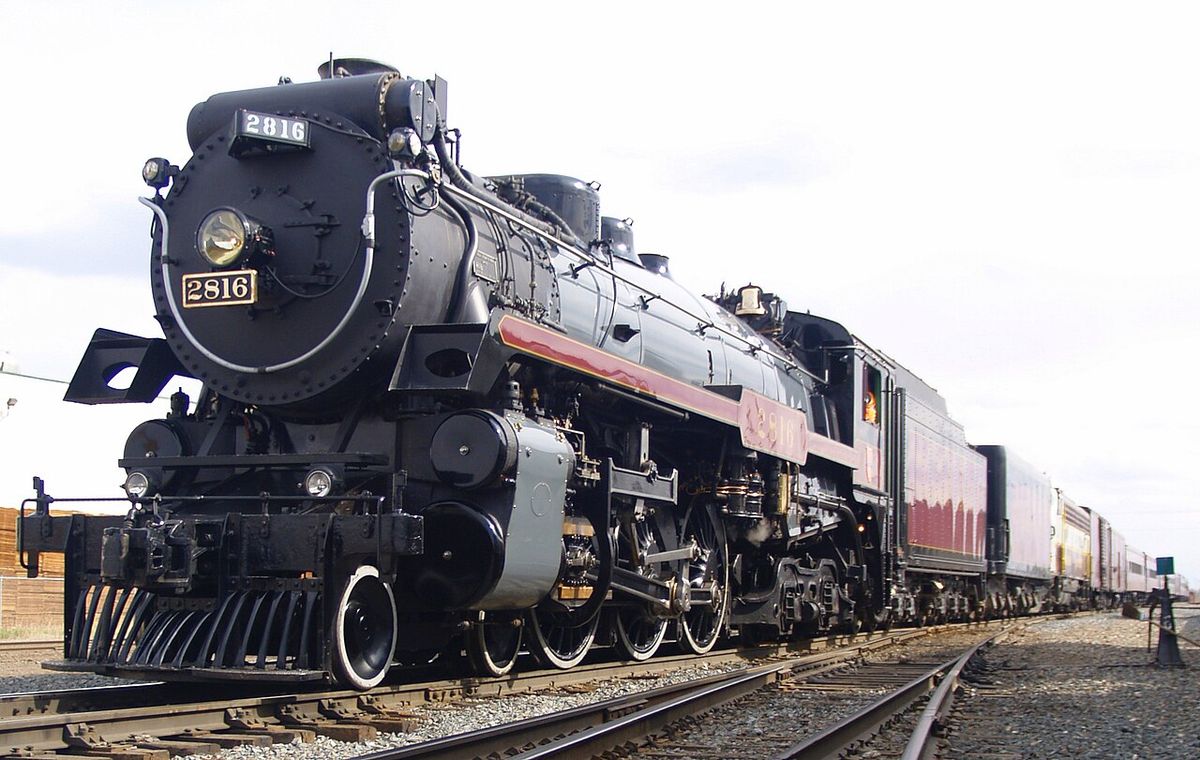
In the contemporary era, Canadian Pacific has remained a publicly traded freight railway focused on operational efficiency and strategic growth. A significant shift in its American operations began in 2009 with the acquisition of the Dakota, Minnesota and Eastern Railroad and the Iowa, Chicago and Eastern Railroad. The most significant event in recent history was the purchase of the Kansas City Southern Railway (KCS) in December 2021 for US$31 billion. This merger, finalized in April 2023 when KCS became a wholly owned subsidiary, created the first and only single-line rail network connecting Canada, the United States, and Mexico. The combined company began operating under the name of its parent, CPKC, though the railway itself is still commonly referred to as Canadian Pacific. This network allows for efficient freight movement across North America without the need to hand off cargo at borders, serving key commodities like grain, energy, and automotive parts for major customers. The parent company, Canadian Pacific Kansas City Limited, is traded on the Toronto and New York stock exchanges under the ticker CP, representing a new scale of continental operation.
Corporate Profile and Workforce
As of 2026, Canadian Pacific Railway is a major employer in the logistics and transportation sector with a distinct corporate footprint. Headquartered in Calgary, Alberta, it also maintains a significant U.S. operational headquarters in Minneapolis. The company's workforce has undergone changes in recent years, reflecting post-merger integration and industry trends. According to 2026 data, CPR employs 12,052 people worldwide, representing a decline from previous years. The vast majority of its employees, approximately 91 percent, are based in North America. The workforce is organized primarily into three functional groups: Finance and Operations, which accounts for nearly half of all employees, followed by Sales and Marketing, and Engineering. The global average salary for employees is reported to be $78,682. The company continues to hire, with 217 active job postings in 2026, though this number represents a decrease from the previous year. The Royal Bank of Canada is noted as the largest single shareholder, holding 5.94 percent of shares as of March 2023, indicating the continued interest of major Canadian financial institutions in the railway.
Financial Performance and Market Position
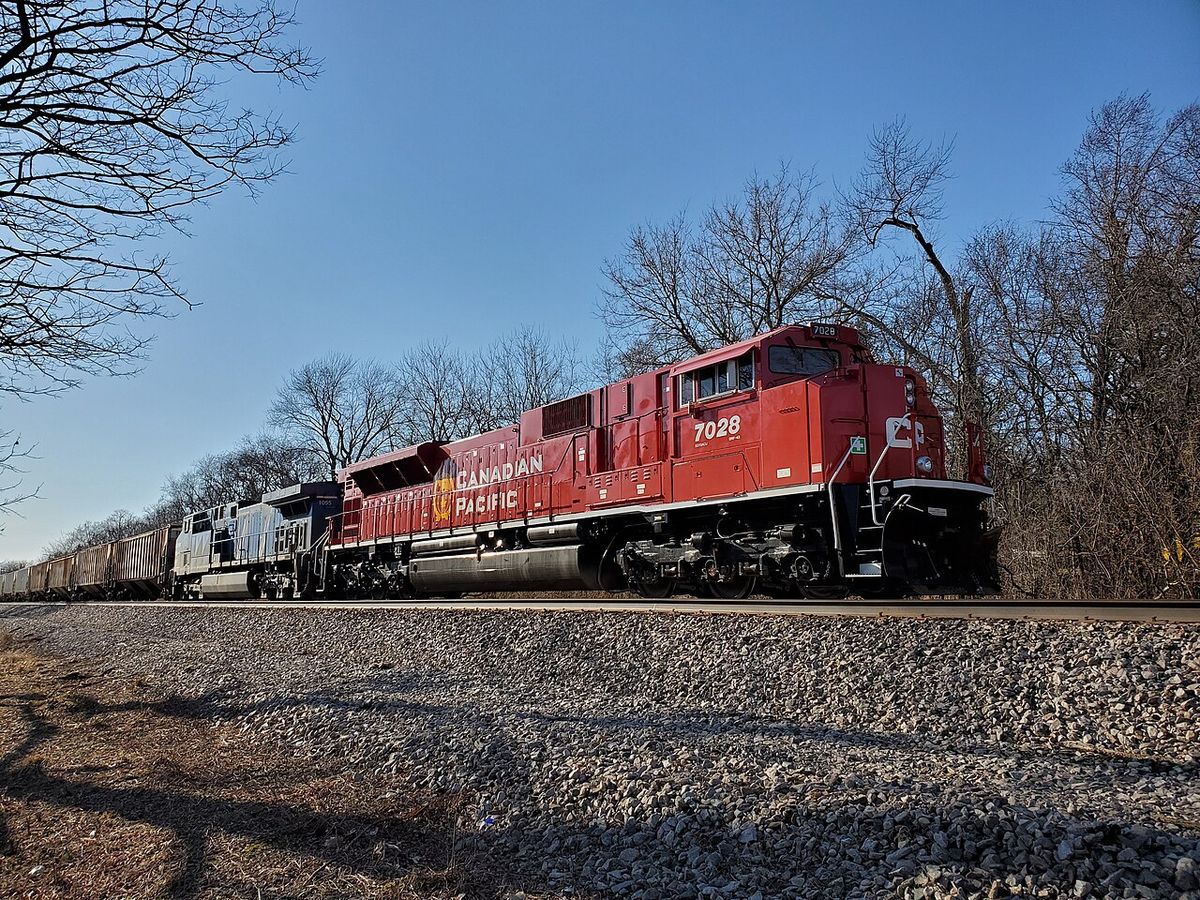
Canadian Pacific Railway is a financially strong company with a solid position in the North American rail freight market. For the fiscal year 2025, the company generated revenue of nearly $15.1 billion, showing year-over-year growth. Its net income was close to $4.1 billion, resulting in a net margin of approximately 27.5 percent. The company maintains a conservative financial structure, with a debt-to-equity ratio of about 0.5 as of December 2025, indicating a lower reliance on borrowed funds compared to equity. Its free cash flow for the period was close to $2.2 billion. The railway faces competition from other Class I railroads, including its historic rival Canadian National Railway, as well as American carriers like CSX and Norfolk Southern, and the broader trucking industry. Specific challenges include the cyclical nature of the commodities it hauls, integration risks from the Kansas City Southern merger, and regulatory oversight. The following table compares key financial and operational metrics for CPR and its main Canadian competitor, CN, based on recent data.
| Metric | Canadian Pacific Kansas City (CP) | Canadian National Railway (CN) |
|---|---|---|
| Revenue (FY 2025) | ~$15.1 billion | ~$17.3 billion |
| Net Income (FY 2025) | ~$4.1 billion | ~$4.7 billion |
| Network Reach | Single-line Canada-U.S.-Mexico | Canada & Mid-America (3 coasts) |
| Employees (2026) | 12,052 | ~24,000 |
| Dividend Yield (2026) | 0.84% | 2.08% |
The Canadian Pacific Railway is publicly traded on both the Toronto Stock Exchange and the New York Stock Exchange under the ticker CP. The railway is owned by Canadian Pacific Kansas City Limited. As of March 30, 2023, the largest shareholder of Canadian Pacific is the Royal Bank of Canada, at 5.94% of shares. The financial health of the company is closely watched as an indicator of continental trade and economic activity.
Engineering and Infrastructure Legacy
Beyond its economic role, the Canadian Pacific Railway has left a permanent physical mark on Canada's landscape through major engineering feats. Its construction required overcoming some of the country's most difficult terrain, leading to notable structures that remain in use today. The selection of the southerly route through Kicking Horse Pass and the Rocky Mountain Trench was a decisive and challenging geographical choice. In the early 20th century, the railway addressed the deadly avalanche risks in Rogers Pass by constructing the eight-kilometre Connaught Tunnel, which was the longest railway tunnel in the Western Hemisphere when it opened in 1916. On the prairies, the massive Lethbridge Viaduct, opened in 1909, spans the Oldman River valley and is one of the longest and highest railway bridges in Canada. The railway also developed the complex Kettle Valley Railway line through British Columbia's southern passes to serve mining communities and counter American economic influence. These projects, built with the labour of thousands, are enduring parts of the railway's role in conquering continental distances and shaping regional development, with many structures still serving the modern CPKC network.
Key Historical Milestones
The Canadian Pacific Railway was first built between eastern Canada and British Columbia between 1875 and 1885, fulfilling a commitment to British Columbia when it entered Confederation in 1871. The creation of the railway was undertaken as the National Dream by the Conservative government of John A. Macdonald. The CPR was Canada's first transcontinental railway and was instrumental in the colonization and development of Western Canada. The railway's history is marked by definitive events that chart its construction, expansion, and evolution over more than a century.
- 1871: British Columbia enters Confederation on the promise of a transcontinental railway link.
- November 7, 1885: The Last Spike is driven at Craigellachie, B.C., completing the transcontinental line.
- June 28, 1886: The first transcontinental passenger train departs Montreal.
- 1889: Completion of the International Railway of Maine connects Montreal to Saint John, N.B.
- 1898: The Crowsnest Pass line opens, accompanied by the Crow Rate freight agreement.
- April 14, 2023: Kansas City Southern becomes a wholly owned subsidiary, creating the CPKC network.
On November 7, 1885, the last spike was driven at Craigellachie, British Columbia, completing the transcontinental railway. The first transcontinental passenger train departed from Montreal on June 28, 1886, and arrived at Port Moody on July 4. In 1889, the connection with Saint John, New Brunswick, made the CPR the first truly transcontinental railway company in Canada. These dates represent critical turning points in the railway's service to Canada and North America.
Major Acquisitions and Network Growth
A significant part of the CPR's growth has come through strategic acquisitions of other railways. The company acquired the Dakota, Minnesota and Eastern Railroad and the Iowa, Chicago and Eastern Railroad in 2009. CPR purchased the Kansas City Southern Railway in December 2021 for US$31 billion. These purchases extended its reach from a primarily Canadian carrier to a continental network.
- 1884: Obtains a 999-year lease on the Ontario and Quebec Railway (O&Q).
- 1891: Leases the New Brunswick Railway for 991 years.
- 1912: Acquires the Dominion Atlantic Railway and the Quebec Central Railway.
- 2009: Purchases the Dakota, Minnesota and Eastern Railroad (DM&E) and the Iowa, Chicago and Eastern Railroad (IC&E).
- December 2021: Announces the acquisition of Kansas City Southern Railway for US$31 billion.
On April 14, 2023, the Kansas City Southern Railway became a wholly owned subsidiary of CPR. Both CPR and its subsidiaries began doing business under the name of its parent company, CPKC. These acquisitions built the foundation for the railway's current status as a transnational freight operator. The railway owned approximately 20,100 kilometres of track in seven provinces of Canada and into the United States as of 2023.
Questions about Canadian Pacific Railway
When was the Canadian Pacific Railway completed?
The Canadian Pacific Railway was completed on November 7, 1885, when the Last Spike was driven at Craigellachie, British Columbia. This connected the eastern and western sections of the line, fulfilling the promise of a transcontinental railway made to British Columbia when it joined Confederation. The first transcontinental passenger train journey took place the following year, departing Montreal on June 28, 1886, and arriving in Port Moody on July 4. The western terminus was soon after moved to the new city of Vancouver.
What is the difference between CP and CN Rail?
Canadian Pacific (CP) and Canadian National (CN) are Canada's two major Class I freight railways. CN was created by the government in 1919 from several bankrupt private railways and was later privatized. CP is historically a private company founded in 1881. A key operational difference is that CP, through its 2023 merger, now operates the only single-line network connecting Canada, the U.S., and Mexico as CPKC. CN's network connects Canada's Atlantic, Pacific, and the U.S. Gulf Coast. Financially, CN typically has higher revenue and employee count, and as of 2026, offers a higher dividend yield than CP.
How many people does Canadian Pacific Railway employ?
As of March 2026, Canadian Pacific Railway Ltd. employs 12,052 people worldwide. This represents a decline from previous years, with the workforce concentrated primarily in North America, which accounts for approximately 91 percent of employees. The company's staff is divided into functional groups, with Finance and Operations making up nearly half of the workforce, followed by Sales and Marketing, and Engineering. The global average salary for CPR employees is reported to be $78,682.
Why was the Canadian Pacific Railway so important to Canada?
The CPR was fundamentally important to Canada as the nation's first transcontinental railway, physically and economically uniting the country from coast to coast. It fulfilled a constitutional promise to British Columbia and was essential for the settlement and agricultural development of the Prairie provinces, as the railway both transported settlers and sold them land from its vast grants. For decades, it was the primary means of long-distance passenger and freight movement, shaping trade patterns and national identity. Its construction is considered a central part of Canadian Confederation and the National Dream pursued by Prime Minister John A. Macdonald.
What does CPKC stand for?
CPKC stands for Canadian Pacific Kansas City. It is the name of the parent company, Canadian Pacific Kansas City Limited, formed after Canadian Pacific Railway acquired the Kansas City Southern Railway in 2023. The merger created the first single-line railway network connecting Canada, the United States, and Mexico. While the parent company uses the CPKC name, the operating railway is still commonly referred to as Canadian Pacific or CPR, and it retains its historic reporting marks and stock ticker symbol, CP.
Where is the Canadian Pacific Railway headquartered?
The Canadian Pacific Railway has its global headquarters in Calgary, Alberta. This location has long been central to its operations, particularly for its western network. The company also maintains a significant United States headquarters in Minneapolis, Minnesota, which oversees its extensive American operations. The railway's corporate parent, Canadian Pacific Kansas City Limited, is also headquartered in Calgary, solidifying the city's role as the administrative centre for the continental rail network.
Sources and further reading
- Canadian Pacific Railway (Wikipedia)
- Canadian National Railway vs. Canadian Pacific Kansas City (ca.finance.yahoo.com)
- Canadian Pacific Railway Number of Employees 2026 (reveliolabs.com)
Checked by the Yadude Books desk. Last updated 2026-10-24.