Royal Bank of Canada
The Royal Bank of Canada (RBC) is a Canadian multinational financial services company and the largest bank in Canada by market capitalization. Founded in Halifax in 1864, it serves over 19 million clients worldwide from its corporate headquarters in Toronto and its head office in Montreal. RBC operates a vast network of personal, commercial, wealth management, and capital markets businesses across Canada and in 28 other countries. In early 2026, the bank reported record quarterly net income of $5.8 billion, demonstrating its dominant position in the Canadian financial landscape and its global reach.
Historical Foundations and Growth
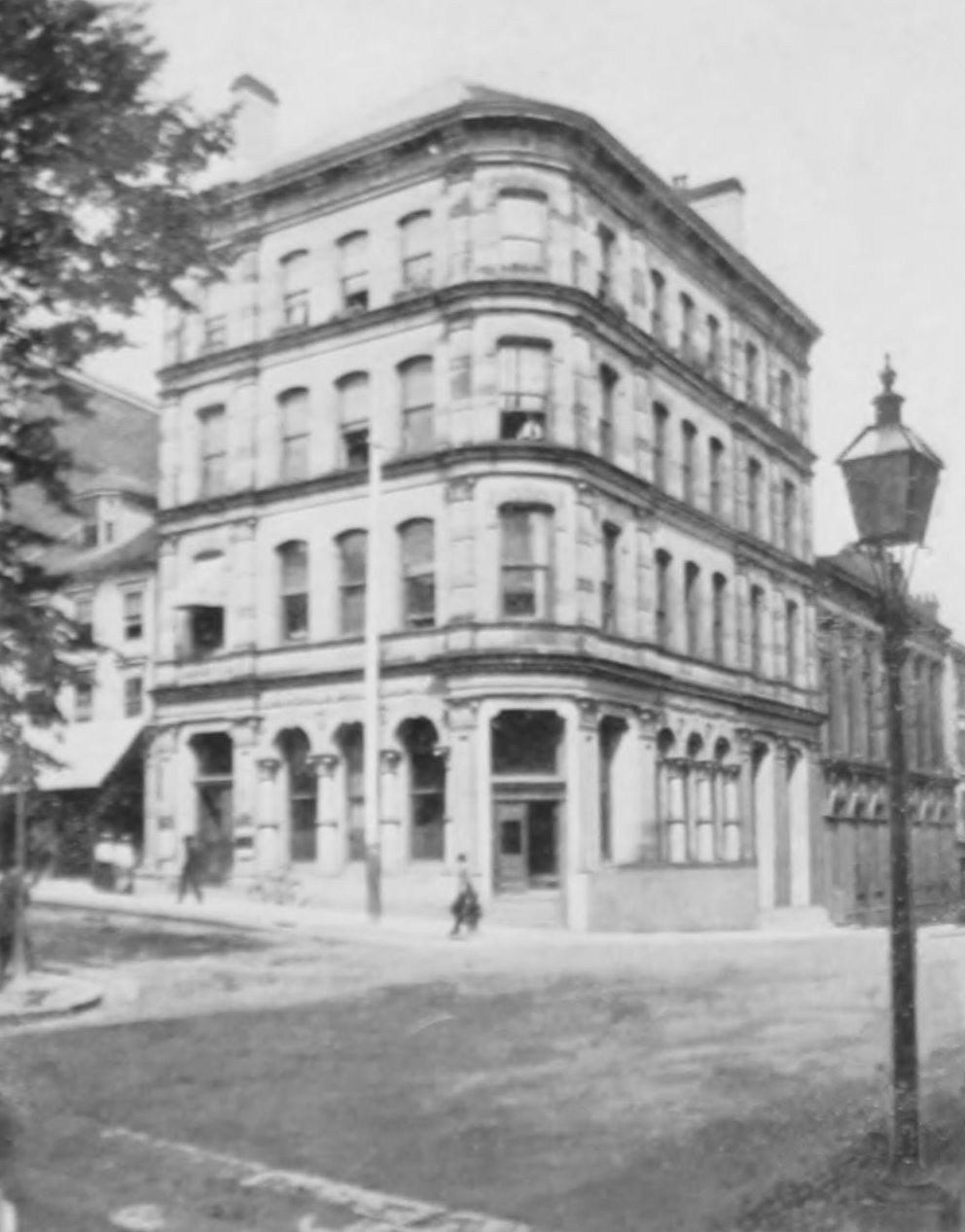
The Royal Bank of Canada traces its origins to the Merchants Bank of Halifax, founded in 1864 to finance the regional fishing, timber, and import-export trades. It received its federal charter in 1869 and began expanding across the Maritime provinces. A significant early expansion occurred in 1895 when it entered Newfoundland following the collapse of two local banks. As the bank grew beyond its regional roots, it changed its name to the Royal Bank of Canada in 1901 and moved its head office from Halifax to Montreal in 1907 to be closer to Canada's financial centre. The following decades were marked by strategic mergers that built a national presence, including with the Union Bank of Halifax in 1910, the Traders Bank of Canada in 1912, and the Quebec Bank in 1917. Further mergers with the Northern Crown Bank in 1918 and the Union Bank of Canada in 1925 solidified RBC's strong footprint across the Prairie provinces.
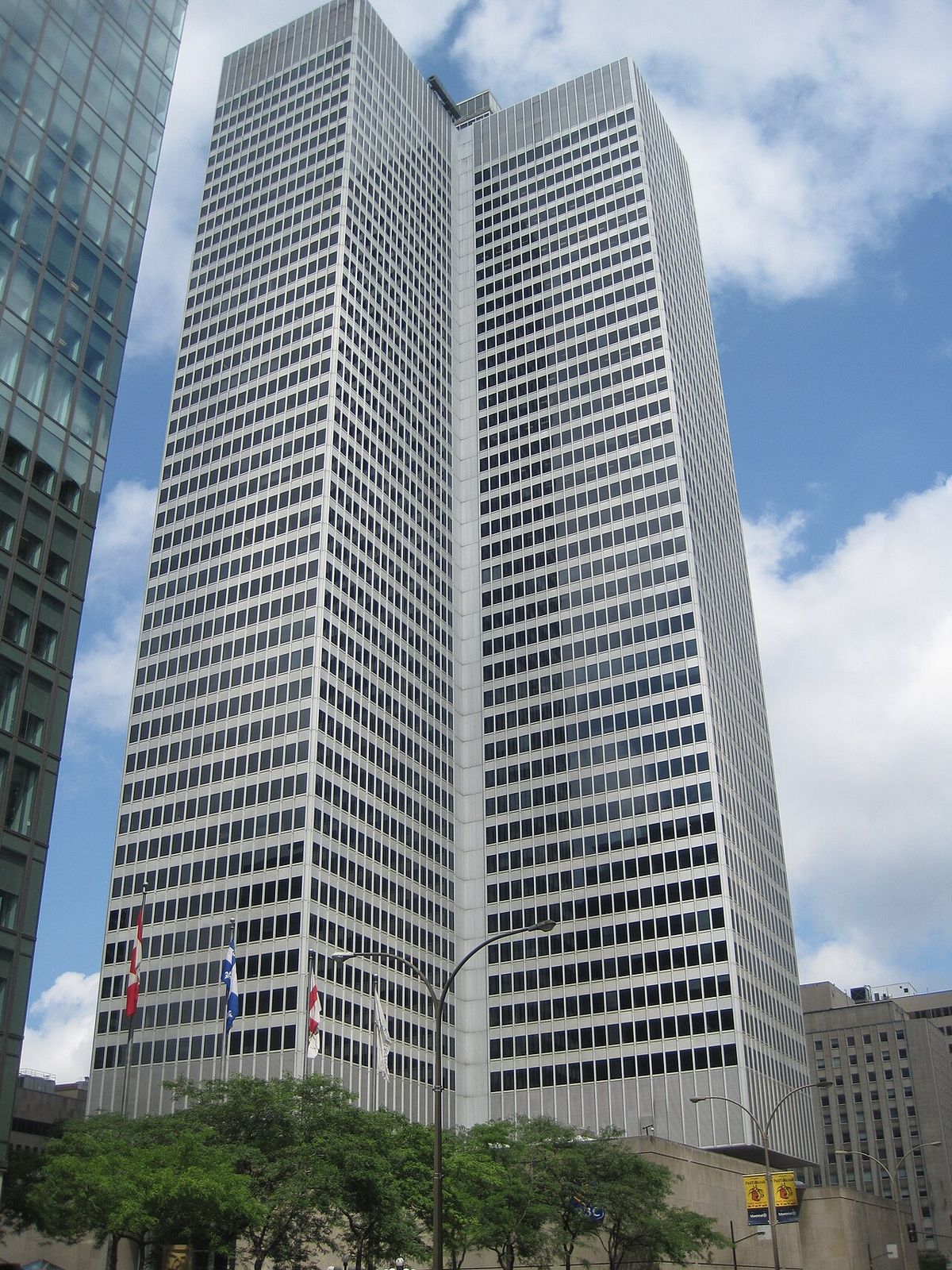
The mid-20th century saw RBC embrace technological innovation and diversify its services. It installed its first computer, an IBM 1401, in 1961, a first for Canadian banking. The bank also expanded into insurance, creating RBC Insurance in the 1960s, which has grown to become the largest bank-owned insurance organization in Canada. A major physical shift occurred in 1976 with the completion of Royal Bank Plaza in Toronto, which became the bank's corporate headquarters, though Montreal remained its official head office under the Bank Act. The late 1990s included a proposed merger with the Bank of Montreal, which was ultimately rejected by the federal government in 1998. RBC continued to grow through acquisitions, including the Canadian operations of Ally Financial in 2013 and, most notably, the purchase of HSBC Canada in 2024 for $13.5 billion.
Global Expansion and Operations
RBC's international expansion began in the late 19th century, closely tied to trade routes and the British Empire. The bank opened an agency in New York City and a branch in Havana, Cuba, in 1899. Through acquisitions like Banco de Oriente de Santiago de Cuba in 1903, RBC became the largest bank in Cuba by the mid-1920s, with 65 branches. The bank even operated a short-lived branch in Vladivostok, Russia, in 1918. Political changes forced retrenchment in some regions, such as the nationalization of its Cuban operations in 1960 and its withdrawal from much of the Caribbean in the 1980s.
In recent decades, RBC's global strategy has focused on wealth management and capital markets in key financial centres. Major acquisitions have included the US brokerage Dain Rauscher Wessels in 2000, Centura Bank in 2001, and the Los Angeles-based City National Bank in 2015. It also re-entered the Caribbean market in 2008 by reacquiring Royal Bank of Trinidad and Tobago. The bank maintains a significant presence in the Caribbean, with operations in 10 countries and territories serving over half a million clients. In 2022, RBC announced the acquisition of UK wealth manager Brewin Dolphin.
- 1882: Opened offices in Bermuda and Newfoundland.
- 1907: Opened a branch in San Juan, Puerto Rico.
- 1910: Opened a branch in London, England.
- 1958: Opened a representative office in Hong Kong.
- 2008: Established a representative office in Mumbai, India.
- 2011: Sold its US retail bank, RBC Bank, to PNC Financial Services.
- 2019: Sold its Eastern Caribbean banking operations to a regional consortium.
- 2024: Completed the acquisition of HSBC Canada.
Business Segments and Financial Performance
RBC operates through several major business segments serving a diverse client base. In Canada, its personal and commercial banking unit, branded RBC Royal Bank, serves approximately 11 million clients through a network of 1,263 branches. RBC Wealth Management provides investment and advisory services to individuals and families, while RBC Capital Markets is its global investment and corporate banking arm, known for its brokerage firm RBC Dominion Securities. RBC Insurance offers a full suite of life, health, property, and casualty products. The bank's financial performance reflects the strength of this diversified model. For the quarter ended January 31, 2026, RBC reported record net income of $5.8 billion, an increase of 13 percent from the prior year.
The first quarter of 2026 saw growth across most business segments. Wealth Management and Personal and Commercial Banking were significant contributors, driven by higher net interest income and fee-based revenue. Capital Markets also performed well due to strength in global markets. These gains were partially offset by lower results in the Insurance segment. The bank's capital position remained strong, with a Common Equity Tier 1 (CET1) ratio of 13.7 percent. During the quarter, RBC returned $3.3 billion to shareholders through share buybacks and dividends. The bank's total assets under management reached $1.574 trillion in 2025, highlighting its scale as a global asset manager.
| Financial Metric | Q1 2026 Result | Year-over-Year Change |
|---|---|---|
| Net Income | $5.8 billion | Up 13% |
| Diluted Earnings Per Share (EPS) | $4.03 | Up 14% |
| Pre-provision, Pre-tax Earnings | $8.5 billion | Up 14% |
| Total Provisions for Credit Losses (PCL) | $1.1 billion | Up $40 million |
| Common Equity Tier 1 (CET1) Ratio | 13.7% | Not applicable |
Brand Identity and Community Engagement
RBC's visual identity has evolved around a core symbol of a lion clutching a globe, first introduced in a modern design in 1962. The logo was simplified over time, and a major rebranding in August 2001 shortened the name to RBC and placed the stylized lion within a blue shield, coinciding with its expansion into the United States market. The bank is a prominent sponsor of cultural, sporting, and community initiatives across Canada. It sponsors the Toronto International Film Festival and the RBC Taylor Prize for literary non-fiction. RBC also hosts the Canadian Women Entrepreneur Awards and, through its foundation, partnered with the University of Toronto to revive the Siminovitch Prize in Theatre.
In sports, RBC is the longest-running Canadian sponsor of the Olympic Games and employs athletes through its RBC Olympians program. It was a premier sponsor of Hockey Canada and previously owned the naming rights to the national Junior A championship, known for years as the RBC Cup. The bank supports grassroots hockey through the RBC Play Hockey program. RBC holds naming rights to several major venues and events, including the RBC Convention Centre Winnipeg, the RBC Canadian Open golf tournament, and the RBC Heritage golf tournament. In 2025, RBC and its subsidiary City National Bank signed a sponsorship deal with the LA Galaxy Major League Soccer team, placing its logo on the team's jersey.
Controversies and Regulatory Scrutiny
RBC has faced criticism and regulatory challenges over its policies and environmental footprint. In 2007, the bank faced allegations of discrimination when it was reported to be refusing to open US dollar accounts for Canadian citizens with dual citizenship in countries under US sanctions, such as Cuba and Iran. RBC stated it was complying with US Treasury Department laws aimed at preventing money laundering and terrorism financing, and clarified that it did open such accounts with some exceptions. The bank has also been the subject of reports from environmental groups concerning its financing of fossil fuel projects. A report by the Rainforest Action Network indicated RBC provided billions in loans and financing for oil sands extraction and expansion.
The bank's market dominance has also attracted regulatory attention, particularly concerning major acquisitions. The 2024 acquisition of HSBC Canada was approved by Finance Minister Chrystia Freeland in December 2023, but with specific conditions to protect competition and consumers. These conditions included a moratorium on layoffs for HSBC Canada's 4,000 employees for six months, a two-year guarantee for direct staff, and a commitment to maintain banking services at 33 HSBC branches for at least four years. RBC also agreed to provide $7 billion in financing for affordable housing developments in Canada as part of the deal.
Strategic Focus and Future Outlook
Under the leadership of President and CEO Dave McKay, RBC emphasizes a diversified business model and strategic global growth. A key priority is supporting Canadian businesses in international expansion, with the bank noting in 2026 that international diversification is the top priority for many of its commercial clients. RBC highlights opportunities presented by Canada's free trade agreements, such as the Comprehensive and Progressive Agreement for Trans-Pacific Partnership (CPTPP) and the Canada-European Union Comprehensive Economic and Trade Agreement (CETA). The bank provides trade finance solutions and guidance to help companies manage new markets, handle risk, and secure financing through partners like Export Development Canada.
Looking ahead, RBC plans to launch a Canadian growth fund of up to US$725 million, shifting some investment focus from the US market to domestic opportunities. The bank's 2026 Global Market Outlook provides insights on investment trends, and its stated corporate purpose centres on helping clients thrive and communities prosper. RBC aims to drive progress in three key areas: societal inclusion, environmental sustainability, and economic resilience. With a strong capital position, a vast client base, and a continued focus on strategic acquisitions like HSBC Canada, RBC is positioned to maintain its leadership role in Canadian banking while competing on the global stage.
Questions about Royal Bank of Canada
When was the Royal Bank of Canada founded and where?
The Royal Bank of Canada was founded in 1864 in Halifax, Nova Scotia, originally under the name Merchants Bank of Halifax. It was established to finance local industries like fishing and timber, as well as import and export businesses. The bank received its federal charter in 1869 and changed its name to the Royal Bank of Canada in 1901 as it expanded nationally. Its head office moved to Montreal in 1907, and its corporate headquarters later moved to Toronto in 1976.
How many branches does RBC have in Canada?
RBC operates a network of 1,263 branches across Canada under its personal and commercial banking brand, RBC Royal Bank. These branches serve approximately 11 million clients. Following its acquisition of HSBC Canada in 2024, RBC is required to maintain banking services at 33 former HSBC branches for at least four years. The bank's extensive physical presence is complemented by its digital banking platforms, serving a total of over 19 million clients worldwide.
What was the significance of RBC's acquisition of HSBC Canada?
RBC's acquisition of HSBC Canada, completed in 2024 for $13.5 billion, is one of the largest in Canadian banking history. It significantly expanded RBC's client base and assets. The deal received federal approval in December 2023 with conditions, including a guarantee not to lay off HSBC Canada's 4,000 employees for six months, a two-year job guarantee for direct staff, and maintaining services at 33 branches for four years. RBC also committed to providing $7 billion in financing for affordable housing developments in Canada as part of the agreement.
Does RBC operate in the United States?
Yes, RBC has a significant presence in the United States, primarily through its Los Angeles-based subsidiary, City National Bank, which operates 79 branches across 11 states. Historically, RBC operated a larger US retail bank called RBC Bank, but it sold that network to PNC Financial Services in 2011. Today, RBC's US operations focus on wealth management, commercial banking, and capital markets. The bank also sponsors major sports teams, such as the LA Galaxy soccer team, through City National Bank.
What are RBC's main business segments?
RBC operates through five main business segments. Personal and Commercial Banking provides everyday banking services to individuals and businesses across Canada. Wealth Management offers investment, trust, and advisory services globally. Capital Markets is the investment and corporate banking arm, including RBC Dominion Securities. Insurance provides life, health, travel, home, and auto insurance products. Investor and Treasury Services delivers custody, fund administration, and treasury services to institutional clients worldwide.
How did RBC perform financially in early 2026?
For the first quarter of its 2026 fiscal year, ended January 31, 2026, RBC reported record net income of $5.8 billion, a 13 percent increase from the same period the previous year. Diluted earnings per share were $4.03, up 14 percent. The strong performance was driven by growth in Wealth Management, Personal Banking, Commercial Banking, and Capital Markets, though results in Insurance were lower. The bank's Common Equity Tier 1 capital ratio was a solid 13.7 percent, and it returned $3.3 billion to shareholders through dividends and share buybacks.
Sources and further reading
- Royal Bank of Canada (Wikipedia)
- About RBC, RBC (rbc.com)
- Is This THE Year for Canadian Businesses to Expand ... (rbcroyalbank.com)
- ROYAL BANK OF CANADA REPORTS FIRST QUARTER ... (ca.finance.yahoo.com)
Checked by the Yadude Books desk. Last updated 2026-10-26.