Kmart
Kmart is a historic American department store chain and online retailer, known for its big-box stores selling a wide variety of general merchandise. Originally founded in 1899 as the S.S. Kresge Company, Kmart grew to become one of the world's largest retailers, operating nearly 2,500 stores at its peak in the 1990s. The company's long decline, marked by bankruptcy in 2002 and a merger with Sears in 2005, led to the closure of almost all its locations. For Canadians, Kmart represents a familiar retail brand from cross-border shopping and a significant chapter in North American retail history, having once operated stores in Canada before their sale in the 1990s. As of 2026, only three Kmart locations remain in operation, all in United States territories and Florida.
Origins and Kresge era
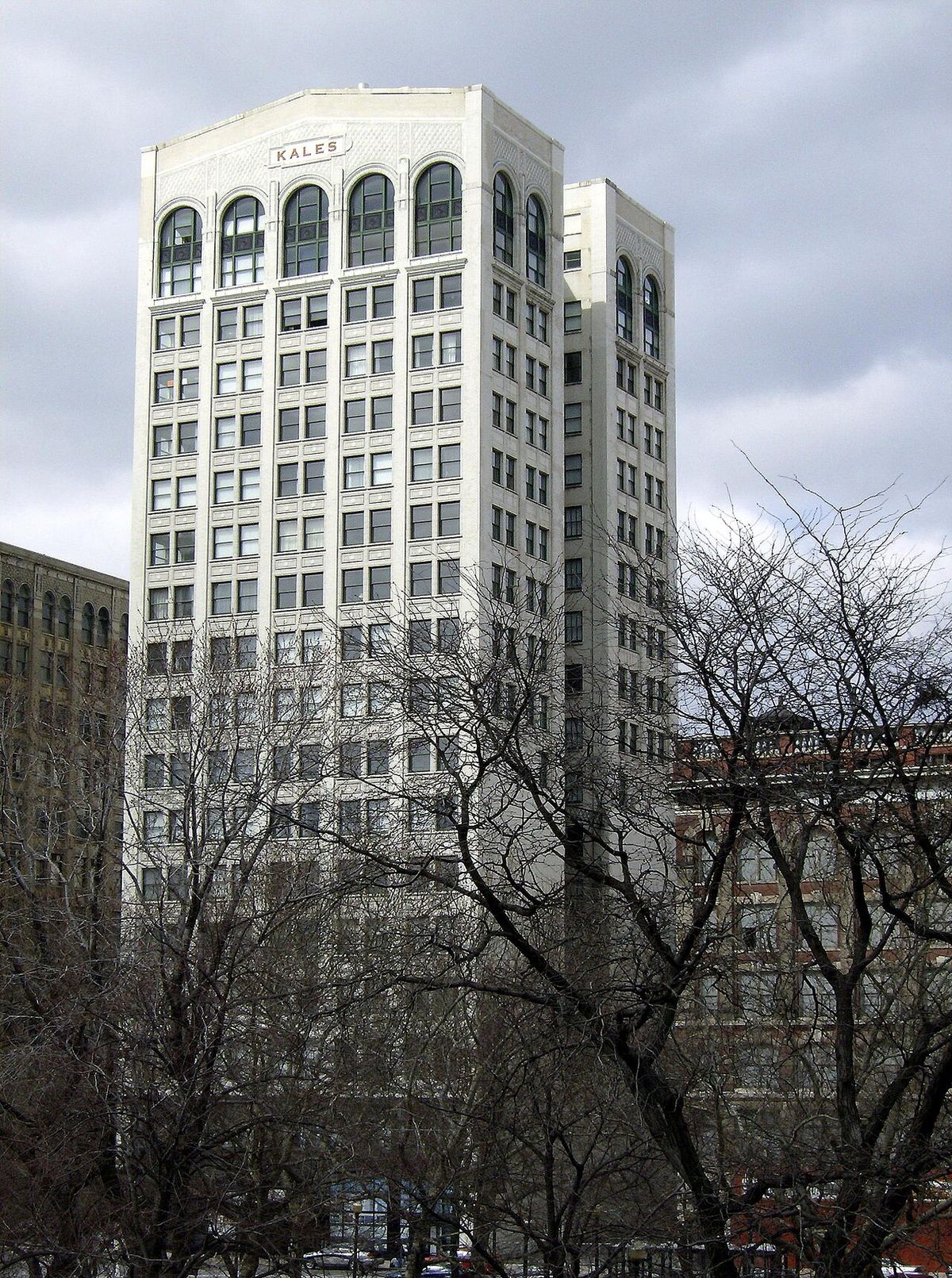
The company that would become Kmart began with Sebastian Spering Kresge, a traveling salesman who was inspired by variety store pioneer Frank Winfield Woolworth. In 1897, Kresge invested $6,700 into a five-and-dime store in Memphis, Tennessee, which he co-owned with John G. McCrory. After two years, Kresge traded his share of the Memphis store for full ownership of the Detroit location and formed the Kresge & Wilson Company with his brother-in-law. The S.S. Kresge Company was formally incorporated in Delaware in 1912 with 85 stores, and a new Michigan corporation took over operations in 1916, forming the modern corporate entity. The company was first listed on the New York Stock Exchange on May 23, 1918. Kresge experimented with raising price limits to one dollar during World War I, and by 1924 his personal wealth was estimated at $375 million. The chain grew rapidly in the early 20th century, expanding from 257 stores in 1924 to 597 by 1929. Kresge retired as president in 1925 but remained chairman. The Great Depression led to reduced profitability and some store closures, though the total count rebounded to 682 stores by 1940. Post-war suburbanization began to shift shopping patterns away from the urban locations where many Kresge stores were situated.
Birth and expansion of Kmart
Under executive Harry Cunningham, the S.S. Kresge Company launched the Kmart brand to compete with emerging discount retailers. The first Kmart store, a smaller 27,000-square-foot location referred to as a 'bantam' Kmart, opened on January 25, 1962, in San Fernando, California. The first full-sized 80,000-square-foot Kmart opened on March 1, 1962, in Garden City, Michigan. Both Cunningham and Walmart founder Sam Walton were inspired by a visit to the Ann & Hope store in 1961. Seventeen more Kmart stores opened before the end of 1962, and the decade also saw the launch of the now-defunct Kmart Foods supermarket chain. The company continued to operate under the S.S. Kresge name even as it opened Kmart-branded stores. Founder Sebastian Kresge died on October 18, 1966, at the age of 99. During the 1970s, Kmart's growth put many competing retailers out of business. The company also experimented with a bare-bones discount brand called Jupiter Discount Stores, converting some underperforming Kresge locations. In 1977, the corporate name was officially changed to K Mart Corporation to reflect the success of its primary brand.
Key developments in the 1980s included the opening of the 2,000th Kmart store in Kearny, New Jersey, in April 1981. By the end of that year, there were 2,055 Kmart stores across the United States and Canada. The company sold its remaining 76 Kresge and Jupiter stores in the United States to McCrory Stores in 1987, effectively ending those brands domestically, though Canadian locations continued until 1994. Kmart experimented with in-store co-branding, such as converting a cafeteria in Canton, Michigan, to a Wendy's in 1985. The chain's in-store delis became popular for their sub sandwiches, which developed a cult following. Kmart also partnered with Bruno's Supermarkets to create the American Fare hypermarket chain. Until November 1990, Kmart was the second-largest retailer in the United States, a position it then lost to Walmart.
Marketing and cultural impact
Kmart was known for several distinctive marketing strategies and brand associations that left a mark on American retail culture. The most famous was the Blue Light Special, an in-store sales promotion announced with the phrase 'Attention, Kmart shoppers' and a rotating blue police-style light. The phrase itself became a widely recognized pop culture reference. In 1990, Kmart introduced a new logo featuring a red block letter 'K' with the word 'mart' in script, part of an effort to update its image. This logo was replaced in 2004. The company secured exclusive merchandise lines from notable figures, which became a key part of its brand identity in the 1990s.
- Martha Stewart: A comprehensive line of home goods, expanded in 2000 to include the Everyday Garden and Kitchen collections.
- Kathy Ireland: A line of apparel and home products.
- Jaclyn Smith: A popular clothing line.
- Lauren Hutton: A cosmetics line.
- Thalía: A clothing line targeted at a Latin American audience.
Kmart also featured licensed products from Sesame Street and Disney. Recognizable spokespersons included actress and television personality Rosie O'Donnell and actress and director Penny Marshall. In 2004, Kmart partnered with E! Entertainment Television to launch the exclusive Attention clothing brand, which was used to promote E! News Live.
Peak, decline, and bankruptcy
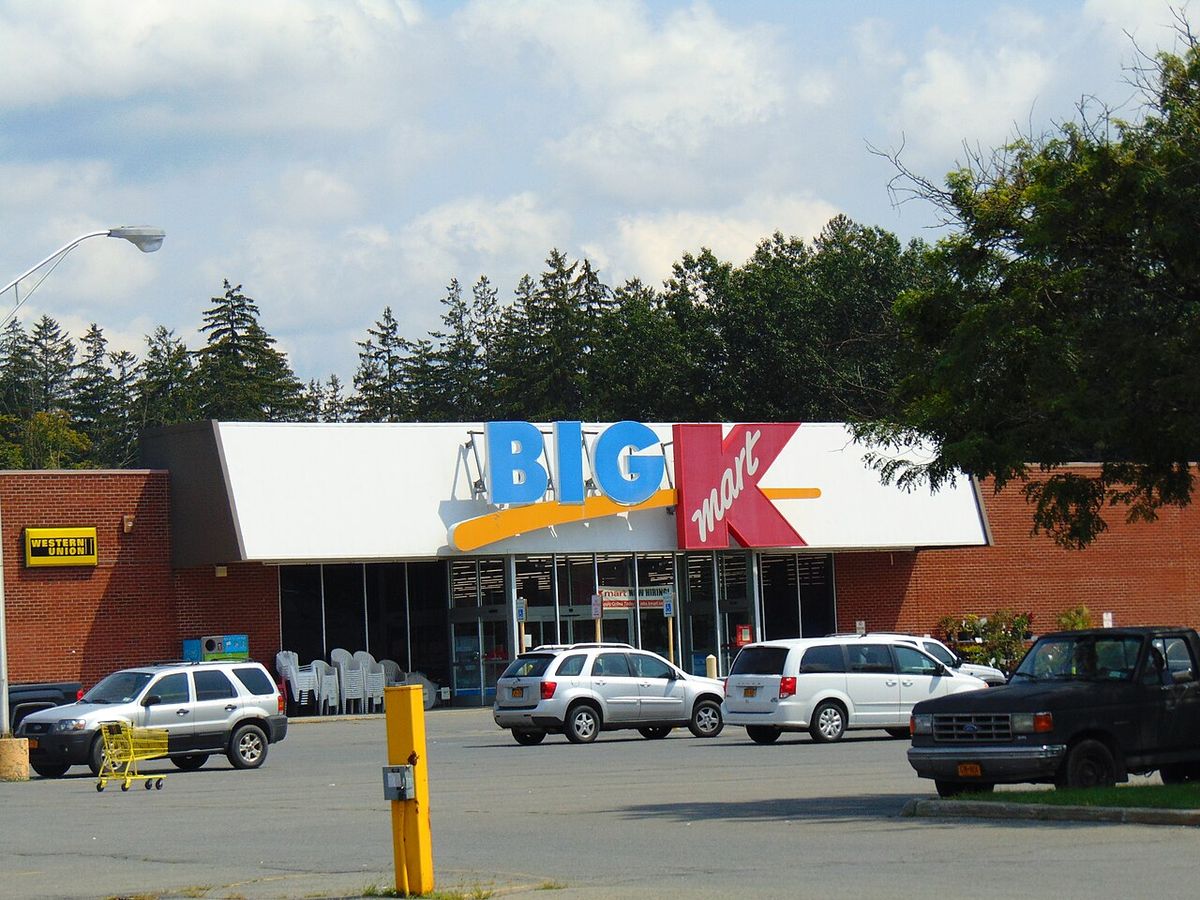
Kmart's profitability and sales peaked in 1992, after which a long decline set in due to intense competition from Walmart and Target, as well as the later rise of internet shopping. Analysts attributed the decline to several strategic failures, including a lack of investment in computer technology for supply chain management, maintaining a high dividend that limited store improvements, and failing to create a coherent brand image. In 1994, the company announced the closure of 110 stores. Despite attempts to reinvent itself, such as the short-lived 'Today's Kmart' name in 1995 and the introduction of the Big Kmart format in 1997, the company continued to struggle. The Big Kmart format, focused on home fashions and consumables, saw rapid expansion with 1,245 locations by 1998, but the company began phasing it out in early 2001. Kmart also ventured into the supercenter format with the first Super Kmart Center opening in Medina Township, Ohio, on July 25, 1991, featuring full-service groceries alongside general merchandise. The last Super Kmart Center closed in April 2018.
The company's financial troubles culminated in its filing for Chapter 11 bankruptcy protection on January 22, 2002, under chairman Charles Conaway and president Mark Schwartz. At the time of filing, Kmart operated 2,114 stores and employed about 275,000 people. Conaway and Schwartz were later accused of misleading shareholders about the company's financial state while spending lavishly. As part of restructuring, Kmart closed over 300 stores, including all locations in Alaska, and laid off around 34,000 workers. A significant amount of the company's debt was purchased by the hedge fund ESL Investments, controlled by investor Edward Lampert, who accelerated the bankruptcy process. Kmart emerged from bankruptcy on May 7, 2003, and began trading on the NASDAQ under the symbol KMRT, with Lampert as chairman and ESL controlling 53% of the company.
Merger with Sears and continued attrition
On November 17, 2004, Kmart's management announced its intention to purchase the rival retailer Sears, Roebuck and Co. for $11 billion. The merger was completed in 2005, forming Sears Holdings Corporation, with Edward Lampert as chairman. This move was intended to create a stronger entity to compete with Walmart and Target, but it ultimately did not halt the decline of either brand. Store closures continued gradually under the combined company. Sears Holdings Corporation itself filed for bankruptcy in 2018. The following year, in 2019, the remaining assets, including Kmart, were acquired by Transform SR Brands LLC, a privately held company formed for the acquisition. At that time, there were 202 remaining Kmart stores. Rapid closures followed, reducing the count to under a dozen by early 2022. The last full-sized big-box Kmart on the United States mainland closed in 2024.
Remaining locations and store formats
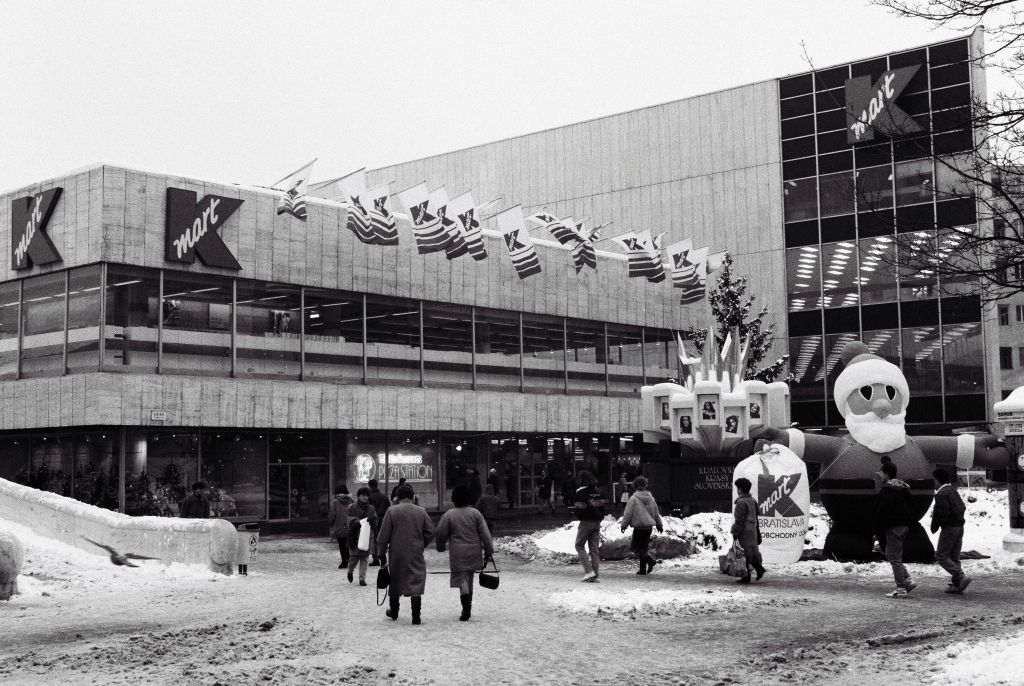
As of 2026, only three Kmart locations remain in operation. These are a big-box department store in Charlotte Amalie, US Virgin Islands. A big-box store in Tamuning, Guam. And a smaller location in Kendale Lakes, Florida. Over its history, Kmart operated several distinct store formats, each reflecting different retail strategies and eras. The traditional Kmart was the standard big-box discount store. The Big Kmart format, launched in 1997, placed greater emphasis on home fashions, children's apparel, and consumables through an area called The Pantry. The Super Kmart Center was a hypermarket format combining a full-service grocery store with general merchandise, often including features like a deli, bakery, and sometimes a video rental centre or restaurant. Kmart also briefly operated Kmart Foods supermarkets in the 1960s and 1970s. The company's international foray included purchasing 13 stores in the former Czechoslovakia in 1992, though these were sold by 1996.
| Format | Description | Status |
|---|---|---|
| Traditional Kmart | Standard big-box discount store | Defunct |
| Big Kmart | Focus on home fashions & consumables | Defunct |
| Super Kmart Center | Hypermarket with full grocery | Defunct |
| Kmart Foods | Supermarket chain | Defunct |
Corporate ventures and subsidiaries
Throughout its history, the Kmart corporation diversified its holdings by acquiring or creating several other retail chains, though this strategy often diverted focus from its core business. In the late 1980s and 1990s, the corporate office shifted significant attention to these other ventures. Many of these subsidiaries were later spun off or sold as the parent company faced financial difficulties. The acquisition of The Sports Authority in 1990 was a major move into sporting goods retail, but it was spun off as an independent company just five years later in 1995. Builders Square was a chain of home improvement warehouses owned by Kmart. Waldenbooks was a mall-based bookstore chain that Kmart operated for a period. The company also owned a stake in the office supply chain OfficeMax through a joint venture. In 1999, Kmart hired SuperValu and Fleming to distribute food and related products to its stores, and in 2001 signed a $4.5 billion deal making Fleming its sole food distributor. Other ventures included the Penske Auto Centers, which were in-store auto repair shops sold to Penske Corporation in 1995 for $112 million, and later closed in 2002.
Questions about Kmart
How many Kmart stores are left?
As of 2026, there are only three remaining Kmart stores in operation. These are located in Charlotte Amalie, US Virgin Islands. Tamuning, Guam. And Kendale Lakes, Florida. This represents a drastic reduction from the chain's peak of 2,486 stores globally in 1994. The last full-sized big-box Kmart on the United States mainland closed in 2024.
When did Kmart go out of business?
Kmart has not completely gone out of business, but it has undergone significant contractions through bankruptcy and mergers. The company filed for Chapter 11 bankruptcy in January 2002, emerging in May 2003. It then merged with Sears in 2005 to form Sears Holdings Corporation, which itself filed for bankruptcy in 2018. The remaining Kmart assets were acquired by Transform SR Brands LLC in 2019, after which store closures accelerated, leaving only a handful of locations.
What was the Blue Light Special?
The Blue Light Special was a famous in-store sales promotion used by Kmart. It involved a short, unannounced sale during regular shopping hours, advertised by turning on a rotating blue light (similar to a police car light) and announcing 'Attention, Kmart shoppers' over the public address system. First introduced in 1965, it was designed to move slower-selling merchandise. The phrase became a well-known pop culture reference.
Did Kmart ever have stores in Canada?
Yes, Kmart operated stores in Canada. By the end of 1981, there were 2,055 Kmart stores across the United States and Canada. When Kmart sold its remaining Kresge and Jupiter stores in the United States in 1987, the Canadian versions of those store brands continued to operate until 1994. The Canadian Kmart stores were eventually sold off as the company refocused on its core American market during its restructuring.
Who owned Kmart?
Kmart was founded by Sebastian Spering Kresge and was publicly traded for most of its history. Following its 2002 bankruptcy, a hedge fund called ESL Investments, controlled by investor Edward Lampert, acquired a controlling 53% stake in the reorganized company. Lampert became chairman and later engineered the merger with Sears in 2005, forming Sears Holdings. After Sears Holdings' 2018 bankruptcy, the Kmart brand and remaining assets were acquired by the privately held company Transform SR Brands LLC in 2019.
What is the difference between Kmart and Walmart?
Kmart and Walmart were direct competitors, both launching their first discount stores in 1962. While Walmart invested heavily in computer technology and supply chain management to keep costs low, Kmart was slower to modernize its systems. Walmart also focused on consistent, everyday low prices, whereas Kmart relied more on promotions like the Blue Light Special. These strategic differences, along with Walmart's relentless expansion, allowed it to surpass Kmart as the largest American retailer by 1990. Kmart's decline is largely attributed to its inability to compete effectively with Walmart's operational efficiency.
Sources and further reading
- Kmart (Wikipedia)
- Kmart Group (wesfarmers.com.au)
Checked by the Yadude Books desk. Last updated 2026-10-20.