Loblaw Companies
Loblaw Companies Limited is a Canadian food and pharmacy retailer and the country's largest grocer. Founded in 1919 by Theodore Pringle Loblaw and J. Milton Cork in Toronto, the company pioneered the self-serve supermarket format in Canada. Today, Loblaw operates a vast network of corporate and franchise supermarkets under 22 regional banners, including Loblaws, No Frills, and Real Canadian Superstore, alongside Shoppers Drug Mart pharmacies and other retail services. As a major private sector employer with over 220,000 employees, Loblaw is a subsidiary of George Weston Limited and is central to Canadian commerce through its ubiquitous stores and popular brands like President's Choice and No Name.
Founding and Early Innovation
Theodore Pringle Loblaw and J. Milton Cork, friends who had worked together in a family grocery store, opened the first Loblaw Groceterias store in Toronto in June 1919. Inspired by the Piggly Wiggly self-serve model they observed in Memphis, Tennessee, their concept eliminated clerk service, credit, and home delivery to cut costs. The store at 2923 Dundas Street West featured a turnstile entrance, market baskets for customers, and clearly priced goods, all under a prominent "We Sell For Less" sign. This cash-and-carry model allowed the partners to offer lower prices, and a second location on College Street opened just months later. The chain grew rapidly, with nine stores in Toronto within three years and an expansion into Buffalo, New York, through Loblaw Groceterias Inc.
In 1928, the company consolidated its operations with a new, state-of-the-art head office and warehouse at Fleet and Bathurst streets in Toronto, built at a cost of $1.25 million. The facility was hailed as the most modern of its kind in the country, featuring an interior loading dock for rail and truck transport, its own electric tram railway, large-scale baking and tea blending operations, and advanced refrigeration. It also included employee amenities like bowling lanes and an auditorium. That same year, the American division expanded into Chicago, Illinois, demonstrating the company's growing reach. The company's growth was driven by Loblaw's firm belief in the chain store system and its power to deliver better prices through volume buying, a principle that guided its early strategy.
Depression, War and Post-War Changes
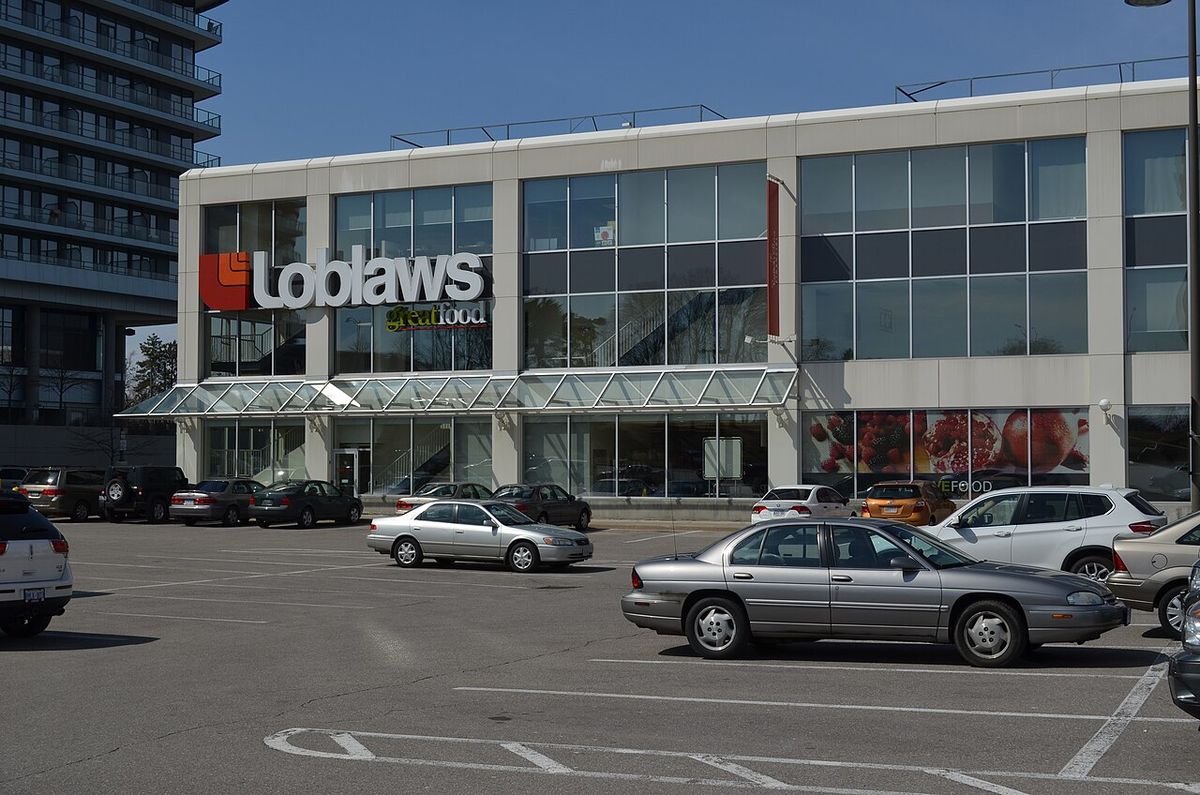
The onset of the Great Depression in 1929 halted a proposed takeover by competitor Dominion Stores but did not stop Loblaw's expansion within Ontario, which reached 97 stores by 1930. The company sold its unprofitable Chicago operations in 1936 but retained its profitable Buffalo stores. Founder Theodore Pringle Loblaw died in 1933, leaving J. Milton Cork in charge. During the 1930s, the chain began converting outlets to "Market Stores" that added full-service meat and produce departments, which proved popular with customers. By 1936, over half of Ontario locations had been converted, expanding sales without a major increase in store overhead. The company also modernized its store facades, with the first "Loblaws" signs appearing in 1939, and introduced frozen food sections, automatic doors, and mechanical ventilation.
After World War II, Loblaw resumed store construction with a focus on modernization tailored to the growing suburban, car-owning population. New supermarkets featured parking lots and checkout counters at the rear for direct customer access to their cars. In 1949, Loblaw became the first Canadian grocery chain to install air conditioning, which it advertised as "healthfully-cool refrigerated" air. A significant shift in ownership occurred in 1947 when Canadian industrialist W. Garfield Weston, president of George Weston Limited, purchased a block of voting shares from J. Milton Cork. By 1953, Weston's company secured majority control, and George C. Metcalf was appointed president, heralding an era of rapid expansion through acquisition that would reshape the company.
Growth as Loblaw Companies Limited
Loblaw Companies Limited was incorporated in 1956 as a holding company following a series of acquisitions. Key moves included regaining majority control of the American Loblaw Inc. in 1953, buying Toronto's Power Supermarkets chain, and taking a 25 percent stake in the large American chain National Tea Company in 1956. The company also announced a major expansion into Western Canada with 32 planned supermarkets. Further acquisitions, like Atlantic Wholesalers in the Maritimes, helped make Loblaw the third-largest grocery retailer in North America at its height. To attract customers, the company employed promotions like car giveaways at new store openings and, in 1959, launched its Lucky Green Stamps loyalty program, which was discontinued in 1967 as customers began to associate it with higher prices.
Despite record sales in the 1960s, corporate profits declined, frustrating shareholders and analysts who lacked clear information about the corporate structure. Chairman Garfield Weston made management changes, appointing Leon Weinstein as president of Loblaw Groceterias from 1968 to 1970. Weinstein sought customer feedback through questionnaires and aimed to improve dividends, famously stating he would stop giving away groceries at shareholder meetings. However, pre-tax profits plummeted from $45.6 million in 1966 to zero by 1971, leading to the sale of $164 million in assets to parent George Weston Limited between 1968 and 1974. A costly misstep was the 1969 acquisition of the discount department store chain Sayvette, which accumulated losses and closed its last store in 1977. By the early 1970s, Loblaw was burdened by debt, had a dilapidated store network, and saw its Ontario market share halved due to price wars, bringing the company to the brink of failure.
Turnaround and Brand Reinvention
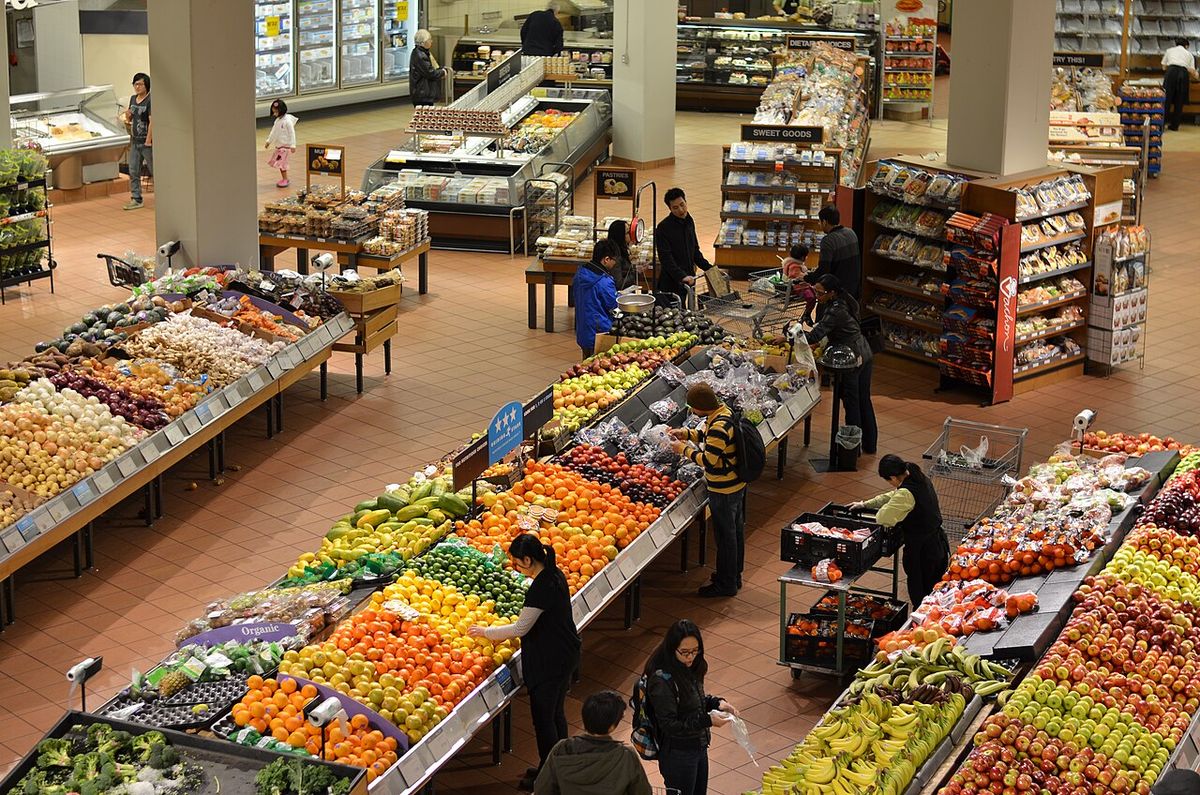
Faced with potential bankruptcy, Garfield Weston asked his son, W. Galen Weston, to assess the company. In February 1972, Galen Weston was appointed chief executive officer. He secured new financing that freed Loblaw from restrictive lease agreements and began a drastic rationalization, closing dozens of unprofitable stores while remodeling the remainder. His approach transformed the chain from a struggling 200-store operation to a more efficient 100-store network, a change he later summarized by saying, "As a 200 store chain, we didn't look very good. As a 100 store chain, we looked very good indeed." In 1973, Weston brought in Toronto designer Don Watt to overhaul the company's image on a minimal budget. Watt redesigned a store, introducing a new colour scheme and a repeating 'L' logo, and radically altered the layout by moving the produce department to the front and doubling its size.
This reinvention marked the beginning of a sustained recovery and set the stage for future innovation. The focus shifted to operational efficiency, warehouse consolidation, and the development of new distribution centres. The successful turnaround under Galen Weston's leadership stabilized the company and restored its competitiveness in the Canadian grocery market, laying the groundwork for the development of its powerful private-label brands in the subsequent decades. The changes implemented by Watt and Weston fundamentally altered the customer experience and corporate identity of the Loblaws stores, moving them away from their dated image.
Operations and Corporate Structure
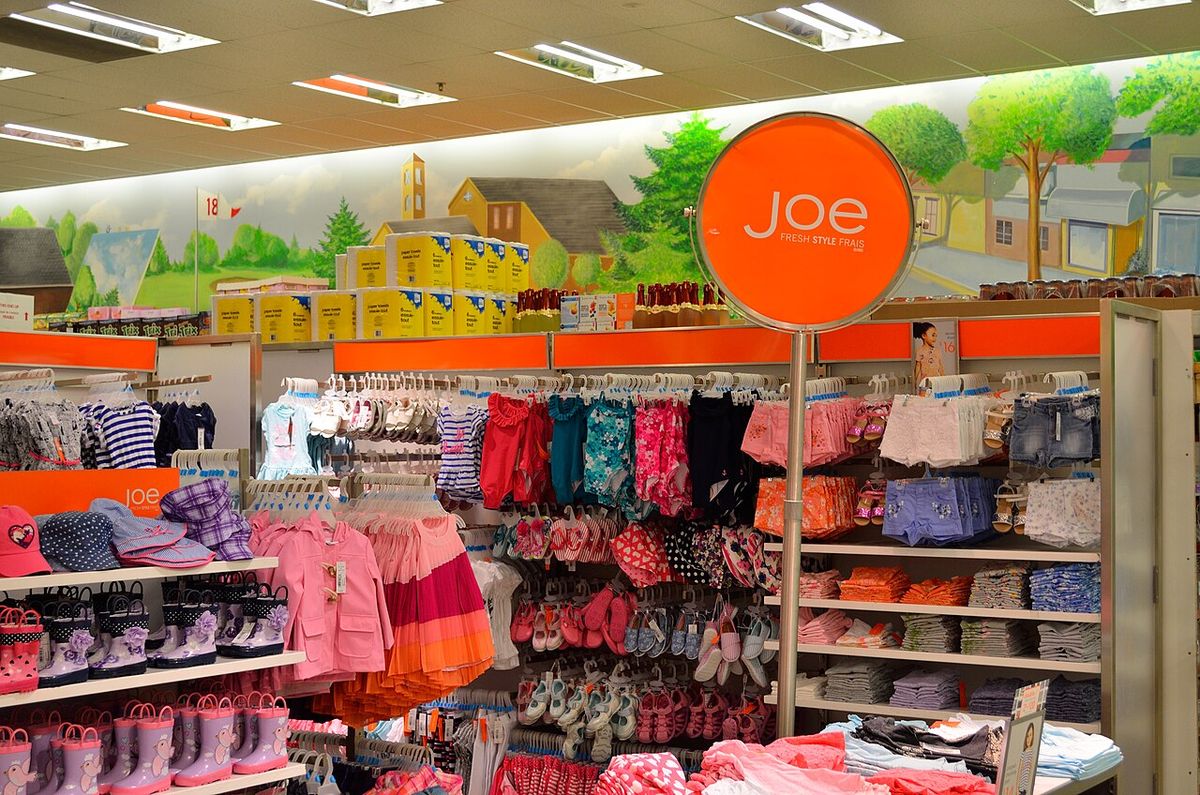
Loblaw Companies Limited operates as a food and pharmacy retailer, encompassing corporate and franchise supermarkets under 22 regional banners. Its operations are divided into key regional food distribution divisions: Westfair Foods Ltd. in Western Canada and Northern Ontario, National Grocers Co. Ltd. in Ontario, Provigo Inc. in Quebec, and Atlantic Wholesalers Ltd. in Atlantic Canada. The company's extensive private-label program includes grocery and household items, clothing, baby products, pharmaceuticals, cellular phones, general merchandise, and financial services. Its flagship brands are President's Choice, No Name, and the apparel line Joe Fresh, which are available across its store network and form a core part of its product strategy.
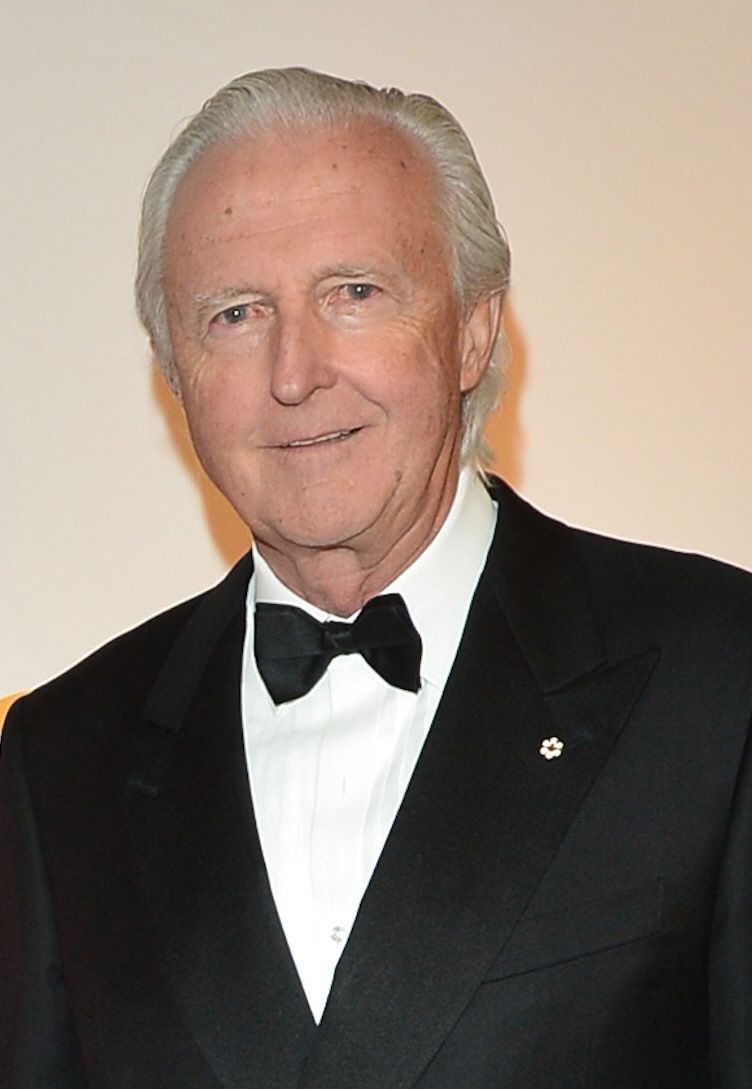
The majority of Loblaw's over 220,000 full-time and part-time employees are members of the United Food and Commercial Workers union. An exception is the workforce at The Real Canadian Wholesale Club in Alberta, who are members of the Christian Labour Association of Canada. Loblaw is controlled by George Weston Limited, a holding company controlled by the Weston family. Galen G. Weston serves as the chair of the Loblaw board of directors, as well as the chair and CEO of George Weston. The president and CEO of Loblaw Companies is Per Bank, who leads the company's day-to-day operations and strategic expansion, including the current multi-billion dollar investment program.
Recent Expansion and Investment Strategy
Loblaw has undertaken an aggressive, multi-year capital investment program to expand and modernize its retail network. In 2026, the company plans to invest $2.4 billion in capital expenditures, which is the second year of a five-year plan to invest $10 billion in Canada by 2030. This investment is expected to create approximately 9,700 retail and construction jobs in 2026. The program focuses on opening new stores, renovating existing locations, and developing new store formats and concepts. Initially planning to open about 70 new stores in 2026, strong performance led the company to increase its target to approximately 75 new locations to reach more customers faster.
As of late 2026, Loblaw had already opened 38 new grocery stores and pharmacies, comprising 21 grocery stores and 17 Shoppers Drug Mart locations. The grocery expansion is heavily focused on its hard discount banners, No Frills and Maxi, in response to consumer demand for value. The company is also testing new formats, such as a refreshed No Frills in Komoka, Ontario, and a smaller rural store model in Dutton, Ontario, with a curated 4,000-product assortment. Renovations to more than 190 existing stores are also underway, refreshing food offerings and other departments to improve the customer experience.
- 2026 Capital Investment: $2.4 billion.
- New stores planned for 2026: Approximately 75.
- New stores opened by late 2026: 38 (21 grocery, 17 Shoppers Drug Mart).
- Store renovations planned for 2026: More than 190.
- Jobs expected to be created in 2026: Approximately 9,700.
- Five-year investment plan (to 2030): $10 billion.
Beyond Canada, Loblaw is expanding its T&T Supermarket Asian grocery banner in the United States. In June 2026, T&T opened its first California location in San Jose, recording the highest first-week sales of any store opening in Loblaw history. Two additional California locations are planned for 2026, alongside continued growth in Washington state. The company's loyalty program, PC Optimum, has more than 16 million active members, supporting its extensive e-commerce operations, which saw a nearly 20 percent year-over-year sales increase in the second quarter of 2026 as more Canadians use digital shopping solutions.
Financial Performance and Market Position
Loblaw Companies Limited is a publicly traded company on the Toronto Stock Exchange under the symbol L. As of October 16, 2026, its stock price was $49.36, giving the company a market capitalization of $57 billion with approximately 1.16 billion shares outstanding. The company's financial strategy is closely tied to its massive capital investment program aimed at network growth and efficiency. This spending is supported by strong performance in new stores, which are showing double-digit same-store sales growth as they mature, giving management confidence in the expansion strategy. The focus on discount banners and promotional sales has also been a key strategy, with the share of grocery sales on promotion increasing four percentage points since 2022 and No Name promotional sales growing 18 percent.
Loblaw Companies Limited is a Canadian retailer established in 1919. It operates corporate and franchise supermarkets under 22 regional and market-segment banners, including Loblaws. The company also operates pharmacies, banking services, and apparel stores. Loblaw is the largest Canadian food retailer.
| Initiative | 2026 Plan |
|---|---|
| Total Capital Investment | $2.4 billion |
| New Store Openings (planned) | ~75 locations |
| Store Renovations | >190 locations |
| Retail & Construction Jobs Created | ~9,700 |
| Discount Store Focus | No Frills & Maxi banners |
| Pharmacy Expansion | Shoppers Drug Mart/Pharmaprix |
Loblaw operates a private label program that includes grocery and household items, clothing, baby products, pharmaceuticals, cellular phones, general merchandise and financial services. Its brands include President's Choice, No Name and Joe Fresh. The company is controlled by George Weston Limited, a holding company controlled by the Weston family. Galen G. Weston is the chair of the Loblaw board of directors.
Questions about Loblaw Companies
What are Loblaw's main store banners?
Loblaw operates a wide array of store banners across Canada. Its major grocery banners include Loblaws, No Frills, Maxi, Real Canadian Superstore, Provigo, and the Asian grocery chain T&T Supermarket. Its primary pharmacy banner is Shoppers Drug Mart, known as Pharmaprix in Quebec. The company also operates wholesale clubs under The Real Canadian Wholesale Club banner. In total, it encompasses 22 regional and market-segment banners.
What are Loblaw's expansion plans for 2026?
In 2026, Loblaw plans to invest $2.4 billion in capital expenditures, the second year of a five-year, $10 billion investment plan running to 2030. The company expects to open approximately 75 new grocery stores and pharmacies, an increase from its initial plan of 70. It will also renovate more than 190 existing stores. This expansion is heavily focused on its discount No Frills and Maxi banners and its Shoppers Drug Mart pharmacy network, and is projected to create about 9,700 retail and construction jobs.
Who owns Loblaw Companies?
Loblaw Companies Limited is controlled by George Weston Limited, a holding company controlled by the Weston family. Galen G. Weston serves as the chair of the Loblaw board of directors. This control began in 1947 when Canadian industrialist W. Garfield Weston purchased 100,000 Class B shares from co founder J. Milton Cork. By 1953, George Weston Limited had secured majority control, and W. Garfield Weston's son, Galen Weston, later became CEO in 1972 to lead a corporate turnaround. The Weston family's holding company remains the controlling entity.
What is the President's Choice brand?
President's Choice is one of Loblaw's major private label brands. Loblaw operates an extensive private label program encompassing grocery and household items, clothing, baby products, pharmaceuticals, cellular phones, general merchandise and financial services. Alongside President's Choice, its key brands include No Name and Joe Fresh. These brands are part of Loblaw's strategy as Canada's largest food retailer, offering a range of products under its corporate and franchise banners which include 22 regional and market segment names.
How many people does Loblaw employ?
Loblaw employs 220,000 full time and part time workers across its operations. The majority of these employees are members of the United Food and Commercial Workers union. A notable exception exists for workers at The Real Canadian Wholesale Club locations in Alberta, who are members of the Christian Labour Association of Canada. This large workforce supports Loblaw's vast network of supermarkets, pharmacies and other retail services under banners like Loblaws, Provigo and Atlantic Wholesalers.
Sources and further reading
- Loblaw Companies (Wikipedia)
- Loblaw to invest approximately $1.2 billion in capital ... (loblaw.ca)
- Loblaw increases the number of new stores planned for 2026 (theglobeandmail.com)
- Loblaw to invest $2.4B in 2026, plans to build 70 new stores (bluebookservices.com)
Checked by the Yadude Books desk. Last updated 2026-10-27.