Resident Evil: Afterlife
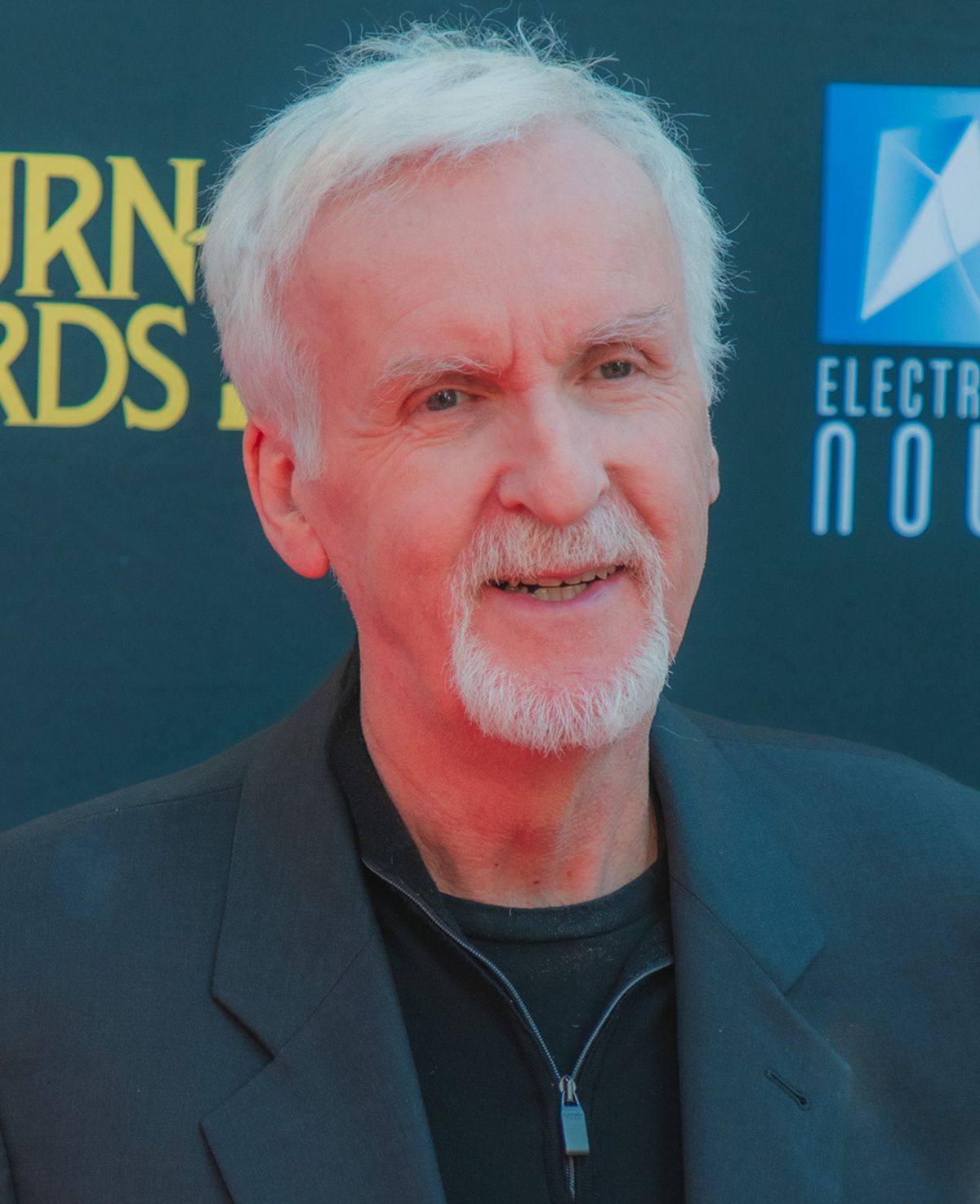
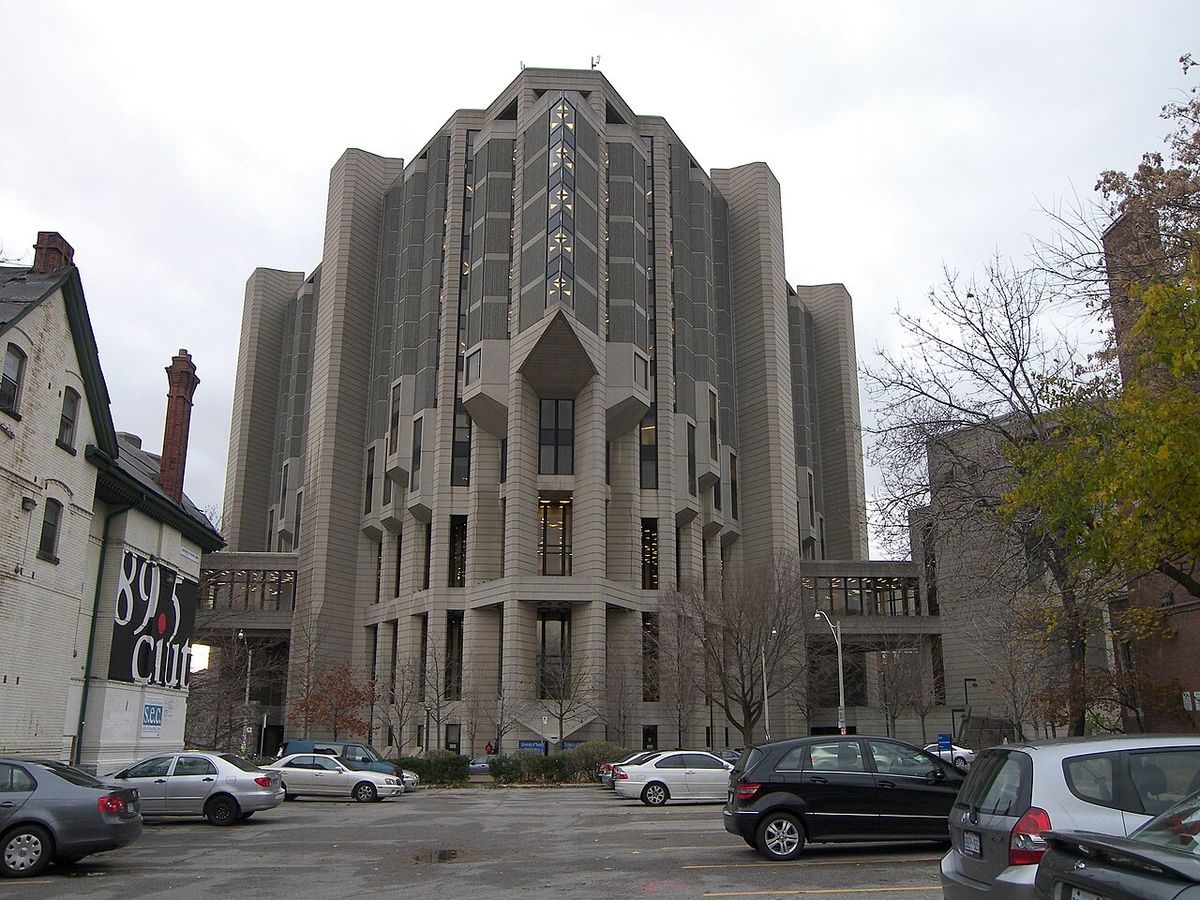
Resident Evil: Afterlife is a 2010 action horror film written and directed by Paul W. S. Anderson. As the fourth installment in the Resident Evil film series, it serves as a direct sequel to Resident Evil: Extinction (2007) and is loosely based on the Capcom video game franchise of the same name. The film is notable as the first in the series to be shot entirely in 3D, utilizing the Fusion Camera System pioneered by James Cameron. For Canadian audiences, the production holds significance as principal photography took place primarily in Toronto, Ontario, utilizing locations such as Cinespace Film Studios, the University of Toronto's Robarts Library, and Oshawa Airport.
Plot Synopsis
The narrative follows Alice, a former Umbrella Corporation security officer turned rogue fighter, portrayed by Milla Jovovich. Following her assault on the Umbrella headquarters in Tokyo, Alice is stripped of her superhuman abilities by the corporation's chairman, Albert Wesker. Six months later, she travels to Alaska in search of a sanctuary called Arcadia, only to find a field of abandoned planes and a feral Claire Redfield. After removing a mind-control device from Claire, the pair fly to a besieged prison in Los Angeles, where a small group of survivors is led by former basketball player Luther West. Among the imprisoned is Chris Redfield, Claire's brother, who reveals an escape plan. The survivors must contend with a horde of zombies and a monstrous axe-wielding creature while attempting to reach the Arcadia, which they discover is a mobile cargo tanker. The ship is revealed to be an Umbrella trap for gathering test subjects, and Alice ultimately confronts Wesker again aboard the vessel. After a climactic battle, Alice and the Redfields free the captive survivors and take control of the Arcadia, broadcasting a message of hope. The film concludes with a cliffhanger as a vast squadron of Umbrella aircraft, commanded by a brainwashed Jill Valentine, approaches the ship.
Production and Development
Development for a fourth Resident Evil film began shortly after the release of Extinction in 2007, with producer Jeremy Bolt and director Paul W. S. Anderson discussing possibilities with Sony Pictures. Anderson began writing the script in December 2008, with the project officially greenlit in June of that year. The film was announced with a working title of Afterlife and initial plans to set parts of the story in Tokyo and Alaska. A key creative decision was to shoot the film in 3D, inspired by Anderson's viewing of test footage from James Cameron's Avatar. The production utilized Cameron's Fusion Camera System, specifically Sony F35 cameras, which required the crew to undergo two weeks of specialized training during pre-production. Principal photography commenced on September 29, 2009, and lasted for 55 days, concluding in December of that year. The 3D filming process added approximately 20 percent to the film's estimated $60 million budget. Several action sequences, including a fight scene replicating one from the Resident Evil 5 video game, were filmed using twin Phantom high-speed cameras capable of capturing 200 frames per second to depict superhuman speed.
The production faced unique technical challenges due to the 3D cameras. The equipment was unable to properly capture shiny or reflective surfaces, requiring the set decoration team to paint most metallic-looking items with a special non-reflective silver paint. The colour palette for sets also had to be heavily saturated with dark tones, particularly black, because the 3D cameras required more light and rendered colours lighter than traditional film. Much of the action was filmed in front of green screens at the Toronto studios, with visual effects handled by Rocket Science VFX and Mr. X Inc. The film introduced several creatures from the video games, including advanced infected Dobermans and a creature dubbed the Axeman, based on the Executioner enemy from Resident Evil 5. For scenes requiring a large zombie horde, the production used around 150 extras, with visual effects artists digitally adding more creatures in post-production to achieve the desired scale.
Cast and Characters
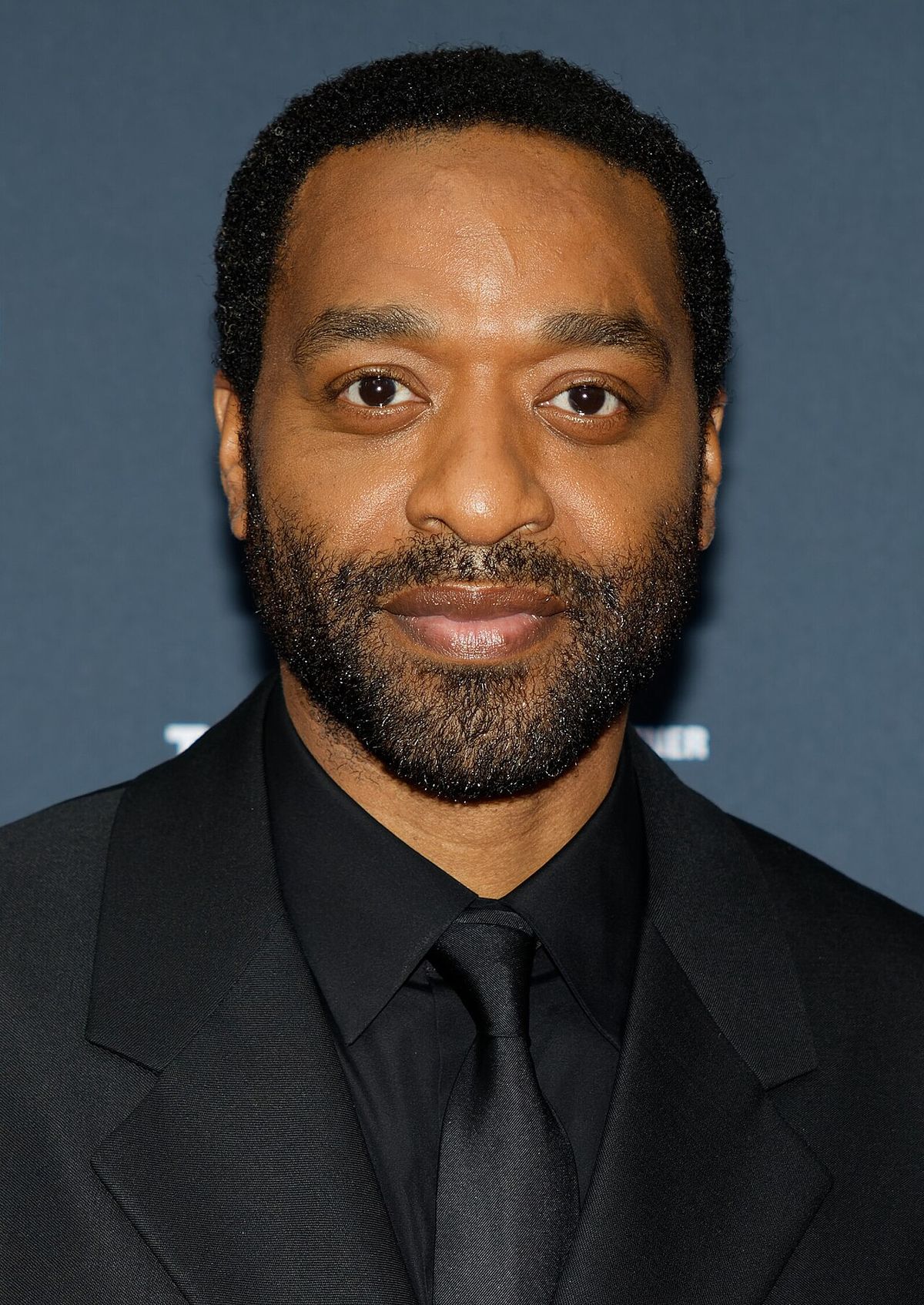
The ensemble cast features several returning actors from previous films alongside new faces from the video game lore. Milla Jovovich reprises her central role as Alice, the protagonist who loses her enhanced abilities early in the film. Ali Larter returns as Claire Redfield, a survivor who suffers from amnesia induced by an Umbrella mind-control device. Wentworth Miller was cast as Chris Redfield, making his first appearance in the film franchise as Claire's brother and a skilled soldier. Shawn Roberts took on the role of the primary antagonist, Albert Wesker, the chairman of the Umbrella Corporation, replacing Jason O'Mara from the previous film. Sienna Guillory makes a brief cameo in a post-credits scene, reprising her role as Jill Valentine from Resident Evil: Apocalypse and setting up the sequel. The supporting cast of Los Angeles survivors includes Boris Kodjoe as the leader Luther West, Kim Coates as the opportunistic film producer Bennett, and Spencer Locke as the young survivor K-Mart.
- Milla Jovovich as Alice
- Ali Larter as Claire Redfield
- Wentworth Miller as Chris Redfield
- Shawn Roberts as Albert Wesker
- Boris Kodjoe as Luther West
- Kim Coates as Bennett
- Spencer Locke as K-Mart
- Sienna Guillory as Jill Valentine (cameo)
In September 2006, reports indicated that casting for the fourth film had begun, with Jensen Ackles being considered for the role of Leon S. Kennedy. Wentworth Miller was cast as Chris Redfield. Having never played the Resident Evil video games, Miller began preparing for the role by searching the internet for images of Chris Redfield. He noticed how muscular the character was but with only three weeks to prepare, he focused on cardio to build up endurance. Shawn Roberts was originally going to audition for Chris Redfield before Miller accepted the role. He instead auditioned for and was cast as Albert Wesker, a role previously played by Jason O'Mara. Roberts described the character as the Chairman of the Umbrella Corporation who is super fast, super strong, and has the ability to regenerate.
Filming Locations in Canada
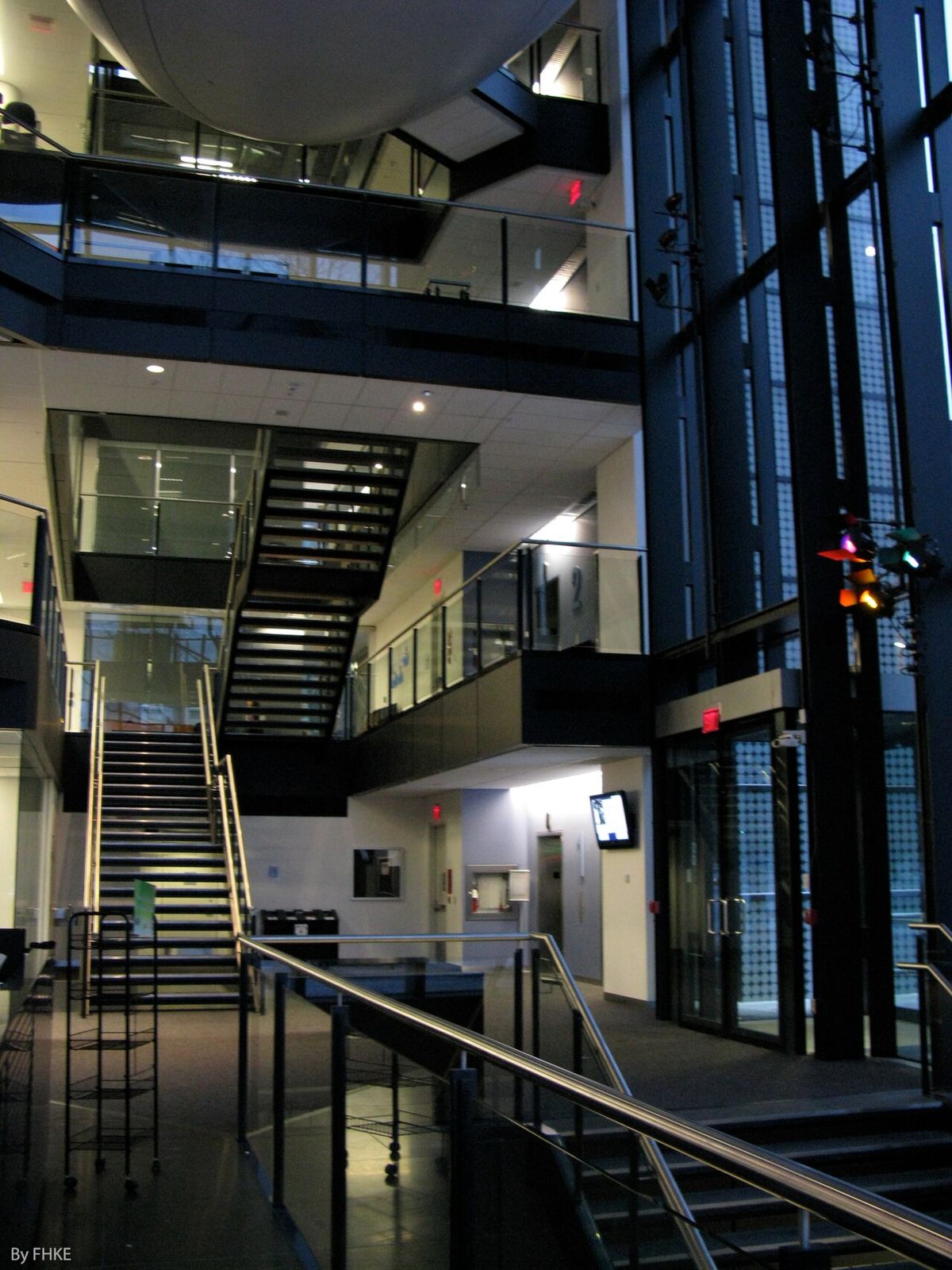
The majority of principal photography for Resident Evil: Afterlife was conducted in the Greater Toronto Area, providing a significant economic contribution to the local film industry. The primary studio facility was Cinespace Film Studios, where interior sets, including the opening Tokyo sequence and the prison interiors, were constructed. The University of Toronto's Robarts Library was used for exterior shots of the Los Angeles prison due to its imposing, fortress-like architecture. Other university locations, such as the Leslie Dan Faculty of Pharmacy and the University of Toronto Scarborough campus, served as settings for Umbrella's subterranean lair and additional prison scenes. For the sequence depicting an Alaskan aircraft boneyard, the production utilized Oshawa Airport. Scenes meant to portray an Alaskan beach were filmed at Sandbanks Provincial Park on Lake Ontario. A second unit was dispatched to Alaska to capture authentic establishing shots of the landscape. The filming of a plane crash scene in Toronto prompted hundreds of calls from concerned residents to local police.
Release and Box Office Performance
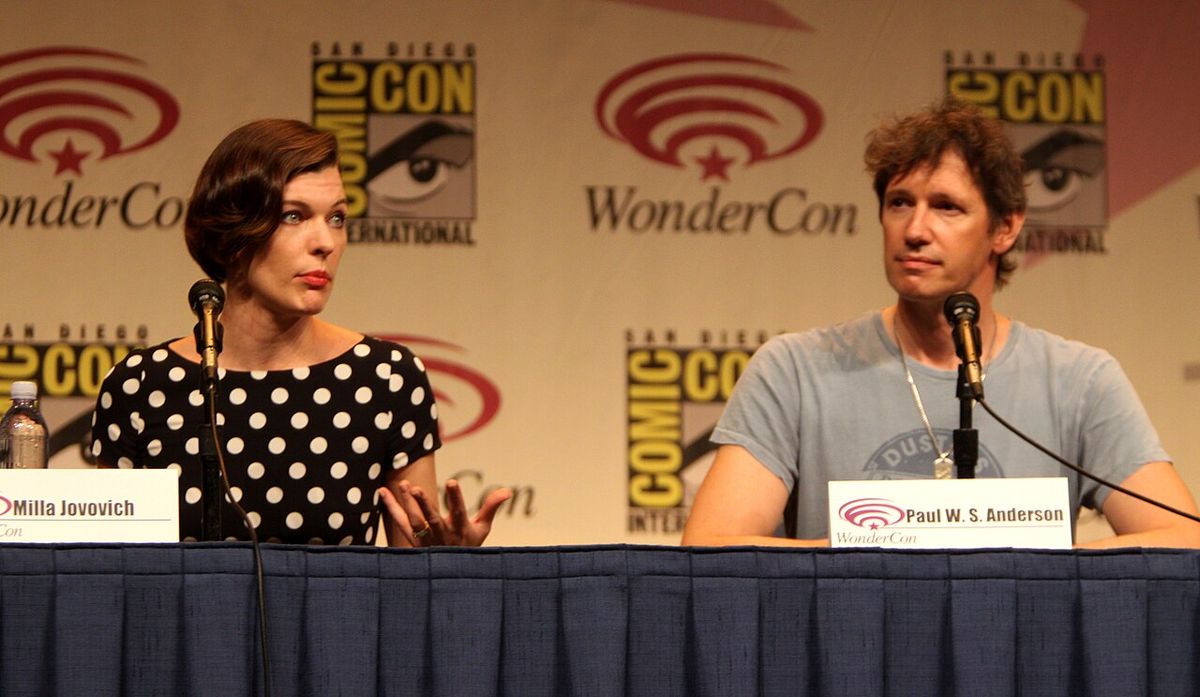
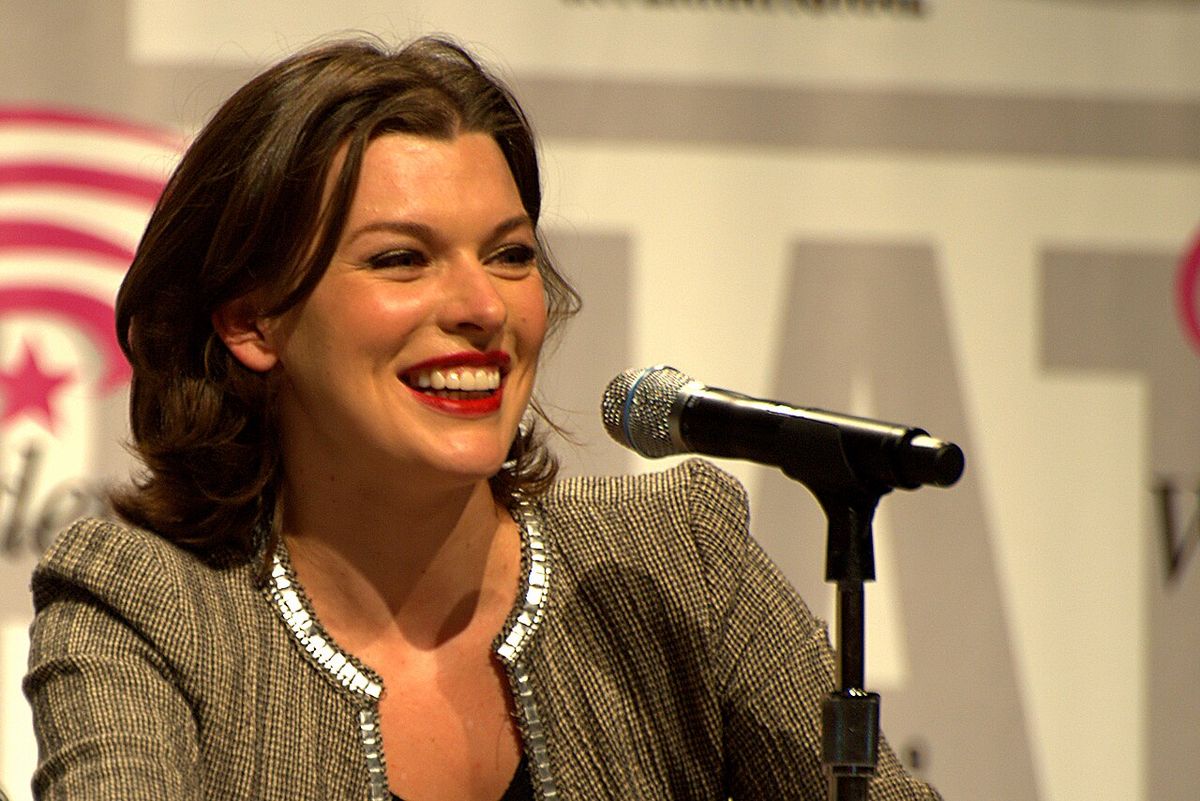
Resident Evil: Afterlife was released theatrically on September 10, 2010, after its date was moved from an initial August 27 slot. The film received a wide release across North America, opening on approximately 4,700 screens in 3,203 locations. Of these, 2,062 locations were equipped with 3D capabilities and 141 were IMAX 3D screens, marking one of the widest 3D releases at that time. Screen Gems secured the North American distribution rights through a deal with Constantin Film, Davis Films, and Impact Pictures. The film was promoted at major fan conventions, with Anderson, Jovovich, and Larter appearing at WonderCon in April 2010 and San Diego Comic-Con in July 2010. The soundtrack, composed by Tomandandy, was released by Milan Records on September 28, 2010, and featured a marketing track, "The Outsider (Apocalypse Remix)" by A Perfect Circle.
The film performed strongly at the global box office despite a mixed critical reception. In the United States and Canada, it grossed $60 million, recouping its estimated production budget. Its international performance earned $240 million in other markets, bringing the worldwide total to $300 million and making it the second-highest-grossing film in the franchise at the time of its release. The film's overseas earnings surpassed the total of the previous installment, Extinction, within its second week of release. The following table details the box office performance by region.
| Region | Box Office Revenue |
|---|---|
| United States and Canada | $60 million |
| Other International Markets | $240 million |
| Worldwide Total | $300 million |
Resident Evil: Afterlife was released to DVD, Blu-ray and Blu-ray 3D on December 28, 2010, in the United States. The film grossed a worldwide total of 300 million dollars. A fifth film, Resident Evil: Retribution, was released in 2012. An Ultra HD Blu-ray edition was released in January 2017. A two disc collection containing the first four films was released in 2013.
Reception and Sequel
Resident Evil: Afterlife received generally negative reviews from film critics upon its release, with many criticizing its narrative but praising its 3D visual effects and action sequences. The film holds a low aggregate score on major review websites. Despite the critical reception, its commercial success solidified the viability of the franchise, earning $300 million worldwide. The film's ending, featuring the return of a brainwashed Jill Valentine, directly set up the plot for the next sequel. The financial performance prompted the immediate development of a fifth film, which continued the story of Alice's war against the Umbrella Corporation. Resident Evil: Retribution was released in 2012, directed again by Paul W. S. Anderson and featuring the return of several characters from earlier films, including Michelle Rodriguez. The success of Afterlife demonstrated the enduring popularity of the film series and its ability to leverage new cinematic technology, such as 3D, to attract audiences globally.
Questions about Resident Evil: Afterlife
Where was Resident Evil: Afterlife filmed in Canada?
The film was shot primarily in Toronto, Ontario. Key locations included Cinespace Film Studios for interior sets, the University of Toronto's Robarts Library for prison exteriors, and the Leslie Dan Faculty of Pharmacy for Umbrella lair scenes. Exterior scenes for an Alaskan aircraft boneyard were filmed at Oshawa Airport, while Sandbanks Provincial Park stood in for an Alaskan beach. A second unit also captured establishing shots in Alaska.
Who directed Resident Evil: Afterlife and what was special about its filming?
Paul W. S. Anderson wrote and directed Resident Evil: Afterlife. It is the first film in the Resident Evil series to be shot in 3D. Anderson shot the film using the 3D Fusion Camera System. Filming in 3D added 20 percent to the budget. The added size and weight of the 3D cameras meant the filmmakers were not able to use existing equipment such as Steadicam rigs. Instead, the camera operator worked on a Segway to achieve the look of a Steadicam shot.
How does the film end and what does it set up?
The film ends with Alice resolving to turn the Arcadia ship into a real haven and broadcasting a new message for remaining survivors. As Alice, Claire, and Chris watch from Arcadia, a vast squadron of Umbrella aircraft approaches. Jill Valentine, who went missing after the destruction of Raccoon City, is dictating the attack from one of the aircraft. A scarab device is attached to her chest. A fifth film, Resident Evil: Retribution, was released in 2012.
Which characters from the video games appear in the film for the first time?
Chris Redfield, a primary character from the video games, was featured for the first time in the film franchise. The film also features returning characters Claire Redfield, Albert Wesker, and Jill Valentine. Elements from the video game Resident Evil 5 were adapted for the film, including mind controlling P30 devices, Chris's confrontation with Wesker, and a brainwashed Valentine. This marked a significant integration of game elements into the film series. The character of Chris Redfield is portrayed by actor Wentworth Miller in the movie. His inclusion was part of the film's development which began in earnest in June 2008.
What was the box office performance of Resident Evil: Afterlife?
The film grossed 60 million dollars in the United States and Canada on an estimated 60 million dollar budget. It made 240 million dollars in other markets, surpassing the previous film's overseas total in its second week of release. Grossing a worldwide total of 300 million dollars, Resident Evil: Afterlife became the second highest grossing entry of the series. The film was released on September 10, 2010, and opened on approximately 4700 screens in 3203 locations. A significant portion of these screens were 3D equipped, which contributed to its financial performance.
When was the film released on home video?
Resident Evil: Afterlife was released to DVD, Blu ray and Blu ray 3D on December 28, 2010, in the United States. An Ultra HD Blu ray edition was released on January 17, 2017. The initial home media releases included special features such as a filmmaker commentary and featurettes. The Blu ray releases additionally contained deleted and extended scenes, more featurettes, and outtakes. In 2013, Sony Pictures Home Entertainment also released a two disc set containing the first four films called 'The 4 Movie Resident Evil Collection'.
Sources and further reading
- Resident Evil: Afterlife (Wikipedia)
- Resident Evil: Afterlife (2010) (letterboxd.com)
- Resident Evil: Afterlife (tv.apple.com)
Checked by the Yadude Books desk. Last updated 2026-11-01.