Air Miles Program to Continue Under BMO Ownership Despite Parent Company Bankruptcy
The Bank of Montreal is acquiring the Air Miles loyalty program after its parent company filed for bankruptcy, with customer points remaining secure. The deal preserves rewards earned through major retailers while awaiting regulatory approval.
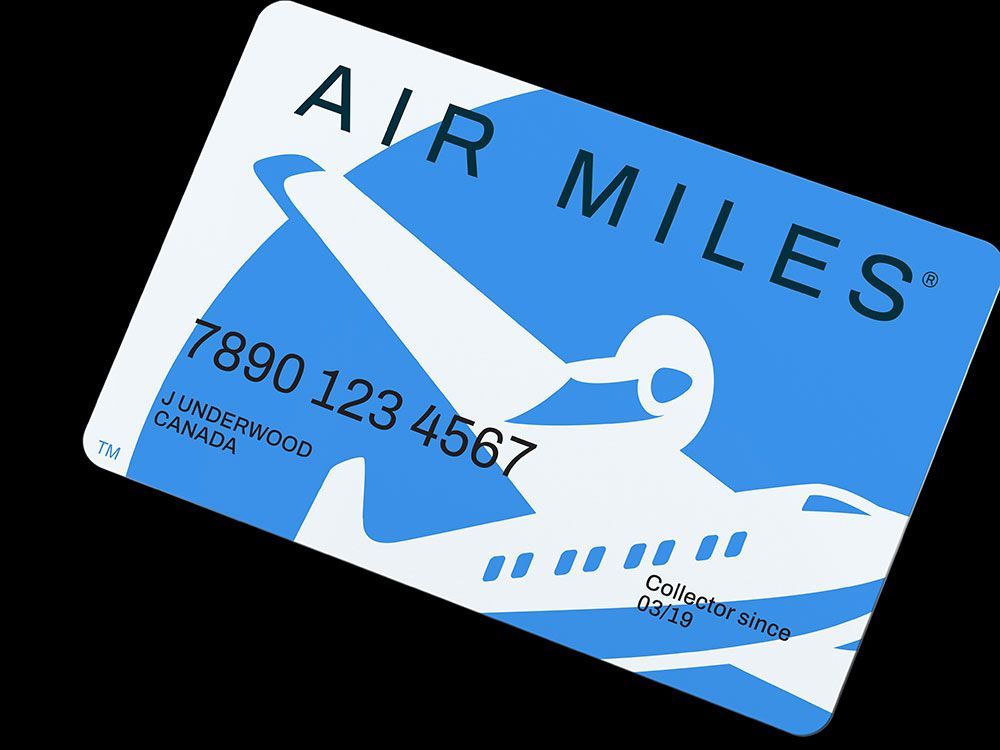
The future of Canada's Air Miles loyalty program has been secured through a proposed acquisition by the Bank of Montreal, marking a significant transition for one of the country's most recognizable rewards systems. This development comes after Texas-based Loyalty Ventures Inc., the parent company of Air Miles, filed for bankruptcy protection, raising concerns among Canadian consumers about the fate of their accumulated points.
Details of the BMO Acquisition
Bank of Montreal's agreement to purchase the Air Miles brand represents a strategic move in the competitive financial services landscape. The deal would transfer ownership of the 31-year-old loyalty program to one of Canada's Big Five banks, ensuring continuity for millions of collectors. Air Miles President Shawn Stewart emphasized the stability of the program during this transition, stating
"BMO's agreement to purchase the Air Miles business has no impact on AIR MILES collectors' Reward Miles balances or on collectors' ability to collect and redeem AIR MILES Reward Miles."This assurance covers points earned through major partner retailers including Metro grocery stores, Shell gas stations, and IGA supermarkets across Canada.
Current Status and Next Steps
The proposed acquisition remains subject to approval by U.S. bankruptcy courts and Canadian regulators, with no specified timeline for completion. Loyalty Ventures Inc.'s Chapter 11 bankruptcy filing in Texas triggered this ownership transition, though the Air Miles program itself continues operating normally during the process. Customers can still earn points through all existing retail partners and redeem them for flights, merchandise, and other rewards while the deal undergoes review. The bankruptcy proceedings add complexity to the transaction but don't affect day-to-day operations for Canadian collectors.
History and Evolution of Air Miles
Launched in 1992, Air Miles revolutionized Canadian consumer behavior by creating the country's first coalition loyalty program. The model allowed members to earn points across multiple retail partners rather than being limited to a single store or brand. At its peak, the program boasted over 10 million active collectors and partnerships with hundreds of brands spanning grocery, fuel, pharmacy, and retail sectors. The program faced significant backlash in 2016 when it announced plans to expire unused points after five years - a policy that was later reversed after public outcry and government intervention. This controversy led to increased scrutiny of loyalty program terms across Canada.
Impact on Canadian Consumers
The preservation of Air Miles under BMO ownership maintains stability for millions of Canadians who have integrated the program into their household budgeting and shopping routines. Many families strategically accumulate points through essential purchases like groceries and gasoline, with some collectors earning enough for annual vacation flights through everyday spending. The transition to bank ownership may introduce new financial product integrations, such as linking Air Miles accounts to BMO credit cards or banking products. However, the bank has not yet detailed specific changes planned for the program beyond maintaining existing point balances and redemption options.
Broader Implications for Loyalty Programs
BMO's acquisition reflects growing financial sector interest in loyalty programs as valuable customer engagement tools and sources of consumer spending data. Banks increasingly view rewards programs as opportunities to strengthen relationships across multiple spending categories while gaining insights into purchasing behavior. This deal follows similar moves by competitors, including TD Bank's partnership with Aeroplan and CIBC's comprehensive credit card rewards programs. The Air Miles transition demonstrates that even amid corporate restructuring, established loyalty brands retain significant value due to their extensive customer bases and retail partnerships. It also highlights how financial institutions are expanding beyond traditional banking services to become more embedded in consumers' daily lives.
What Customers Should Watch For
While point balances remain protected, collectors should monitor official communications from Air Miles regarding any future program changes post-acquisition. The regulatory approval process may take several months, during which the program will operate normally with no immediate changes expected. Once finalized, BMO may announce enhancements or modifications to the rewards structure, potentially including new banking-related redemption options or partner additions. Consumers with large point balances may want to review current redemption options but need not rush to spend points given the clear assurances about their security. The acquisition could eventually lead to more redemption choices as BMO integrates the program with its existing financial products and services.
Canadian Loyalty Program Landscape
The Air Miles transition occurs amid significant evolution in Canada's loyalty program sector. Competitors like PC Optimum have gained market share by focusing on grocery rewards, while Aeroplan has strengthened its position in travel-related points. The move to bank ownership positions Air Miles to potentially compete more directly with credit card reward programs that have grown increasingly popular. This deal may inspire other financial institutions to explore acquisitions of retail loyalty programs as they seek deeper customer relationships beyond traditional banking products. For now, Air Miles collectors can continue earning and redeeming points as usual, with the added security of knowing their balances will be protected through this ownership transition.