Saudi Arabia's East-West Pipeline Closure Threatens Global Oil Supply Amid Middle East Conflict
The shutdown of Saudi Arabia's critical East-West pipeline after an attack could worsen global oil shortages and drive prices higher amid ongoing Middle East tensions, with repairs expected to take up to five weeks.
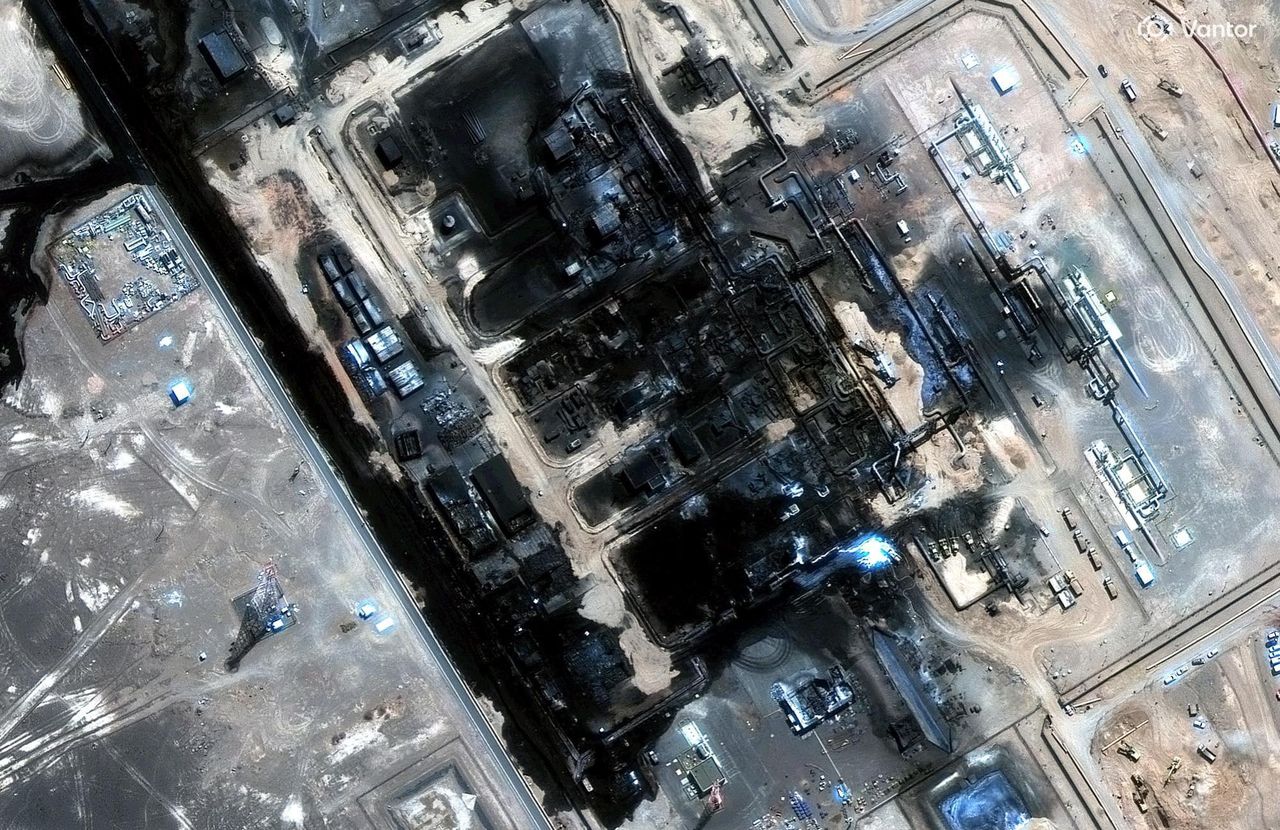
The sudden closure of Saudi Arabia's East-West oil pipeline following a drone attack has sent shockwaves through global energy markets, exacerbating existing supply shortages and threatening to push fuel prices even higher. The strategic pipeline, which serves as a crucial alternative route for Middle Eastern crude exports, was abruptly shut down Friday after what Saudi authorities attributed to an assault by Iranian-backed militias operating from Iraq. Multiple regional officials familiar with the situation told The Associated Press that extensive repairs could require three to five weeks, leaving global energy markets exposed during an already volatile period of geopolitical tension.
The Pipeline's Strategic Importance
Spanning 1,200 kilometers (746 miles) across Saudi Arabia's vast desert landscape, the East-West pipeline serves as a vital conduit for transporting oil from processing facilities near the Persian Gulf to the Red Sea port of Yanbu. Originally constructed in the 1980s as a contingency during the Iran-Iraq war, the pipeline has taken on renewed significance since the outbreak of hostilities between the U.S., Israel and Iran in February. In recent months, the pipeline has transported between 2.6 million and 4 million barrels of oil daily according to Rystad Energy estimates - a volume representing approximately 4% of total global oil supply as calculated by the International Energy Agency.
Janiv Shah, Rystad Energy's vice president of oil markets, emphasized the severity of the situation, noting this substantial supply volume now risks disappearing from global markets entirely. While Saudi Arabia's oil inventories may temporarily sustain exports during the pipeline's repair period, Shah cautioned that this buffer could be exhausted quickly given current market conditions. The pipeline's operational importance had grown substantially as tanker traffic through the primary Strait of Hormuz shipping lane - which normally handles about 20% of global oil supply - became severely restricted following the outbreak of regional conflict earlier this year.
Compounding Shipping Bottlenecks
The pipeline disruption comes amid already severe constraints on Middle Eastern oil exports through traditional maritime routes. Yemen's Houthi rebels, who receive backing from Iran, have significantly tightened their control over the strategic Bab el-Mandeb Strait at the southern entrance to the Red Sea. Analysts at Melius Research estimate that approximately 3 million barrels of oil per day that previously moved through this critical passage may now be completely blocked due to security concerns.
Prior to the pipeline attack, most Saudi oil exports from Yanbu had been rerouted northward toward Mediterranean markets via either the Suez Canal or Egypt's SUMED pipeline system. However, this alternative route has also come under threat as Houthi forces have expanded their targeting of Saudi shipping operations to include vessels traveling in northern Red Sea lanes. Limited tanker traffic has resumed through the Strait of Hormuz in recent weeks, with maritime data firm Lloyd's List Intelligence recording 90 transits during the first week of September - a notable improvement from the complete standstill earlier this year, but still far below the pre-war average of about 130 daily passages.
Immediate Market Impacts
The cumulative effect of these supply disruptions has propelled global oil prices sharply higher, with Brent crude - the international benchmark - trading above $105 per barrel on Monday. This inflationary pressure has rapidly transmitted through global energy markets, with particularly acute impacts on fuel prices worldwide. In the United States, average gasoline prices reached $4.32 per gallon Monday according to AAA data, representing a 45% increase from the $2.98 level recorded before the conflict began. Diesel fuel, crucial for transportation and agriculture, hit a record nominal high of $6.23 per gallon - a staggering 66% increase from pre-war levels.
Developing nations that rely more heavily on Middle Eastern oil imports are experiencing even more severe price shocks. Data from Global Petrol Prices shows Nigeria has endured a 92% surge in diesel costs and 61% increase in gasoline prices since February. Similar dramatic spikes have affected Indonesia (87% higher for diesel, 38% for gasoline) and Lebanon (80% diesel increase, 46% gasoline increase), placing enormous strain on households and businesses across these regions.
Broader Economic Ripple Effects
The diesel price surge carries particularly far-reaching economic consequences, as the fuel powers essential long-haul transportation networks, delivery systems and agricultural machinery worldwide. Melius Research analysts warn this creates potential for significant inflationary spillover affecting food production, distribution costs and ultimately consumer prices across multiple sectors. The timing of this crisis compounds its severity, coinciding with the crucial U.S. harvest season and the approaching winter period when heating demand typically surges.
Salvatore Mercogliano, a maritime history professor at Campbell University in North Carolina, provided critical context about the pipeline's role in the broader transportation network. He noted that while the situation would be catastrophic if the East-West pipeline were Saudi Arabia's only export route, the partial resumption of Strait of Hormuz traffic provides at least some relief. However, Mercogliano emphasized the growing fragility of global energy infrastructure amid persistent regional conflict and the potential for further disruptions.
Saudi Production Challenges
The pipeline shutdown exacerbates existing production challenges facing Saudi Arabia, the world's largest oil exporter. International Energy Agency figures show the kingdom's output has declined from nearly 10 million barrels per day in September 2025 to approximately 6 million barrels daily by August 2026. This reduction reflects both voluntary production cuts and the operational difficulties of maintaining output levels during periods of regional instability.
With the East-West pipeline temporarily out of service, Saudi Arabia must depend more heavily on alternative export routes that remain vulnerable to attack or blockade. The situation highlights how global oil transit remains concentrated in a small number of strategic waterways that have become increasingly contested amid shifting geopolitical alliances and regional power struggles.
Global Energy Security Implications
The East-West pipeline closure represents more than a temporary supply disruption - it exposes fundamental vulnerabilities in global energy networks amid escalating Middle East tensions. While markets have demonstrated some resilience through inventory draws and alternative routing, the cumulative effect of multiple chokepoint failures risks creating systemic shortages that could prove difficult to mitigate.
For consumers and businesses worldwide, this translates to sustained high energy costs that will likely persist even after pipeline repairs are completed. The crisis accelerates the urgency for energy diversification strategies, but with global oil demand remaining strong and alternative energy sources not yet scalable to meet total requirements, markets remain heavily dependent on Middle Eastern stability. The incident serves as a stark demonstration of how regional conflicts can rapidly transmit economic shocks globally when critical energy infrastructure becomes either a target or collateral damage in broader geopolitical struggles.
Future Market Outlook
Energy market analysts are closely monitoring several factors that could influence the duration and severity of current disruptions. The timeline for pipeline repairs remains uncertain, with estimates ranging from three to five weeks depending on the extent of damage. Concurrently, the security situation around alternative shipping routes continues to evolve, with particular attention on whether Strait of Hormuz traffic can continue its gradual recovery or face new restrictions.
The potential for further supply shocks remains raised given the volatile security environment across the region. Market participants are bracing for possible additional disruptions as geopolitical tensions show no signs of abating, suggesting that raised price volatility may persist well beyond the immediate pipeline repair period.