Teenage boy killed in daytime shooting at Jane and Finch intersection
A teenage boy has died after being shot in North York on Monday afternoon, with police appealing for witnesses to come forward as investigators work to determine the circumstances surrounding this tragic incident in one of Toronto's most vulnerable neighborhoods.
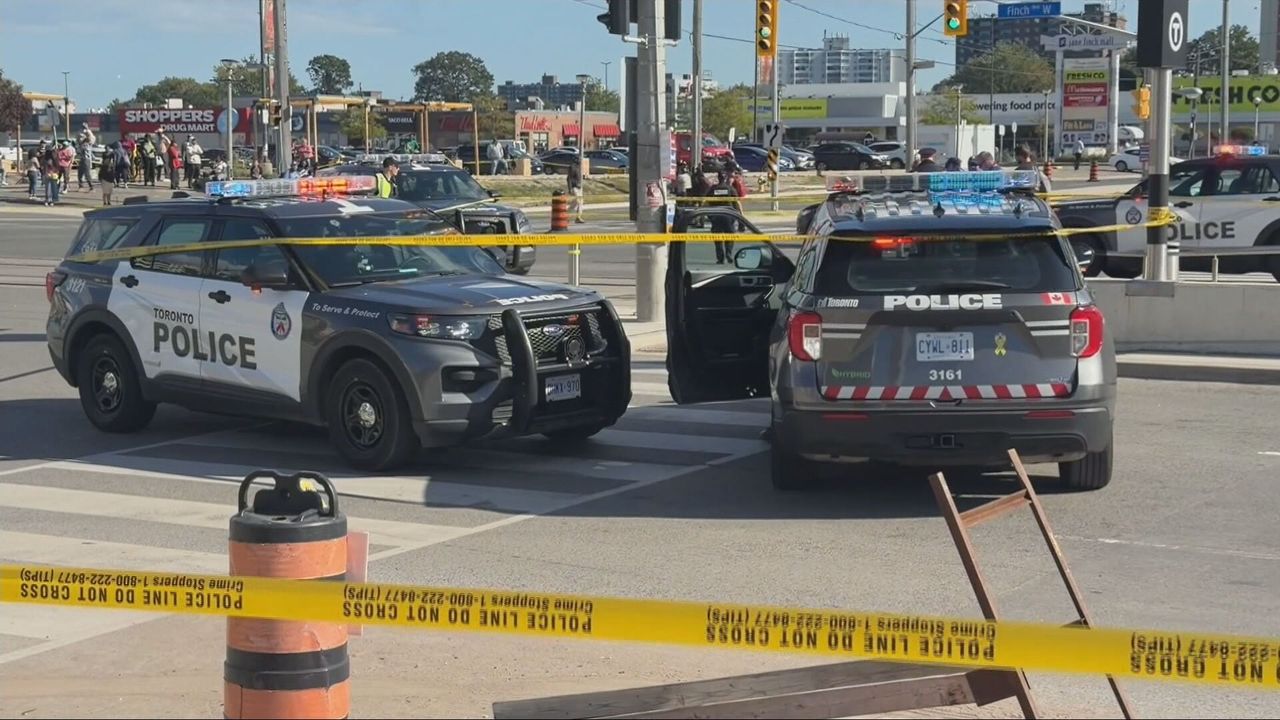
A teenage boy has died following a brazen afternoon shooting at the intersection of Jane Street and Finch Avenue West, marking another violent incident in a neighborhood that has long struggled with gun violence. Toronto police responded to reports of gunfire just after 3:30 p.m. on Monday, arriving at a scene that has become all too familiar for residents of this northwest Toronto community.
The shooting scene
Officers arriving at the busy intersection found a teenage boy suffering from gunshot wounds. Paramedics rushed the victim to a nearby trauma center where he was later pronounced dead. The identity of the young victim has not been released pending notification of family members. Investigators cordoned off the area as forensic teams meticulously documented evidence, including a skateboard found near the crime scene. Police have not yet determined whether the skateboard belonged to the victim or to someone who may have witnessed the shooting and left the area.
The shooting occurred in a densely populated area containing multiple residential high-rises and commercial properties, near schools and community centers where young people frequently gather. The immediate aftermath caused significant disruption to the neighborhood, with eastbound lanes of Finch Avenue West at Elana Drive closed for several hours during the police investigation. Toronto Transit Commission officials confirmed that regular service on Line 6 Finch West resumed between Norfinch Oakdale and Driftwood stations after temporary suspension during the police operation.
Police investigation
Inspector Dan Pravica of the Toronto Police Service confirmed that the Homicide and Missing Persons Unit has assumed control of the case, reflecting the seriousness with which authorities are treating this incident. At an evening press briefing, Pravica acknowledged that investigators have not yet developed a suspect description or determined a motive for the shooting. The lack of immediate leads has complicated efforts to track down those responsible.
Superintendent Jack Gurr, who also attended the crime scene, offered emotional remarks about the tragedy.
"This is a very, very sad day for our community,"Gurr told gathered reporters. In a direct message to the perpetrator, he added,
"For the person who did this, get a lawyer, and turn yourself in."Such public appeals from senior officers have become increasingly common as police struggle to solve shootings in neighborhoods where witness cooperation remains challenging.
Community impact and history
The Jane and Finch neighborhood has for decades been one of Toronto's most economically disadvantaged areas, with systemic issues including high unemployment rates, inadequate social services, and generations of families living in poverty. These conditions have contributed to cycles of violence that community activists say cannot be solved through policing alone. Monday's shooting represents another tragic data point in a long history of youth violence in the area, coming just weeks after similar incidents in nearby communities.
Local residents expressed particular shock at the timing of the shooting, which occurred during daylight hours when the area typically sees heavy pedestrian traffic from students returning from school and workers commuting home. The public nature of the violence has heightened concerns about safety in what should be a vibrant community space.
Broader context of gun violence
This latest homicide contributes to Toronto's ongoing struggle with gun violence, particularly incidents involving young victims. While overall crime statistics have shown fluctuation in recent years, fatal shootings continue to disproportionately affect marginalized communities like Jane and Finch. The incident occurs during a summer period that historically sees increased violent crime, though the daytime nature of this shooting distinguishes it from more common late-night firearm incidents.
The tragedy also comes as Toronto prepares for its annual Caribbean Carnival, an event that typically requires enhanced police presence due to historical associations with violence. Community safety advocates note that such large gatherings often coincide with spikes in gun-related incidents, though there is no indication this shooting is connected to the upcoming festival.
Challenges in solving the case
Investigators face significant hurdles in solving this case, including potential reluctance from witnesses to come forward in a neighborhood where distrust of law enforcement remains high. Police are reviewing surveillance footage from nearby businesses and residential buildings while canvassing the area for potential witnesses. The lack of immediate suspect information has left many community members anxious about possible retaliation or further violence.
Authorities continue to stress the importance of community assistance in solving the case. Toronto Police Service has urged anyone with information, no matter how insignificant it may seem, to contact investigators directly or through Toronto Crime Stoppers, which allows for anonymous tips. Investigators emphasize that even small details could prove crucial in piecing together the events leading to the teenager's death.
Systemic issues and potential solutions
This latest incident has reignited conversations about the root causes of gun violence in Toronto's most vulnerable neighborhoods. Community leaders point to systemic issues including lack of economic opportunity, inadequate mental health resources, and insufficient youth programming as contributing factors that go beyond simple law enforcement solutions. The persistent nature of such violence suggests that current approaches may be failing to address underlying social determinants.
While increased police presence and specialized units like the Toronto Anti-Violence Intervention Strategy have shown some success in certain communities, critics argue that without parallel investments in education, employment opportunities, and community infrastructure, the cycle of violence will continue. The tragedy at Jane and Finch serves as another painful reminder of the complex interplay between policing, social services, and community development in creating safer neighborhoods.
Moving forward
As investigators continue their work, the broader conversation about how to prevent future tragedies remains urgent. The death of another young person in Toronto's northwest end underscores the need for comprehensive strategies that address both immediate safety concerns and long-term community development. While police pursue leads in this specific case, community organizations are mobilizing to provide support to grieving residents and advocate for more substantial investments in neighborhood resources.
The coming days will likely see renewed calls for action from local leaders and residents alike, as the Jane and Finch community once again confronts the painful reality of gun violence and its devastating impact on young lives. For now, the focus remains on supporting the victim's family and gathering the information needed to bring those responsible to justice.