Sandra Bullock and Nicole Kidman Reflect on 'Practical Magic' Legacy as Sequel Nears Release
The Oscar-winning stars revisit their 1998 cult classic and discuss the long journey to 'Practical Magic 2,' premiering September 10.
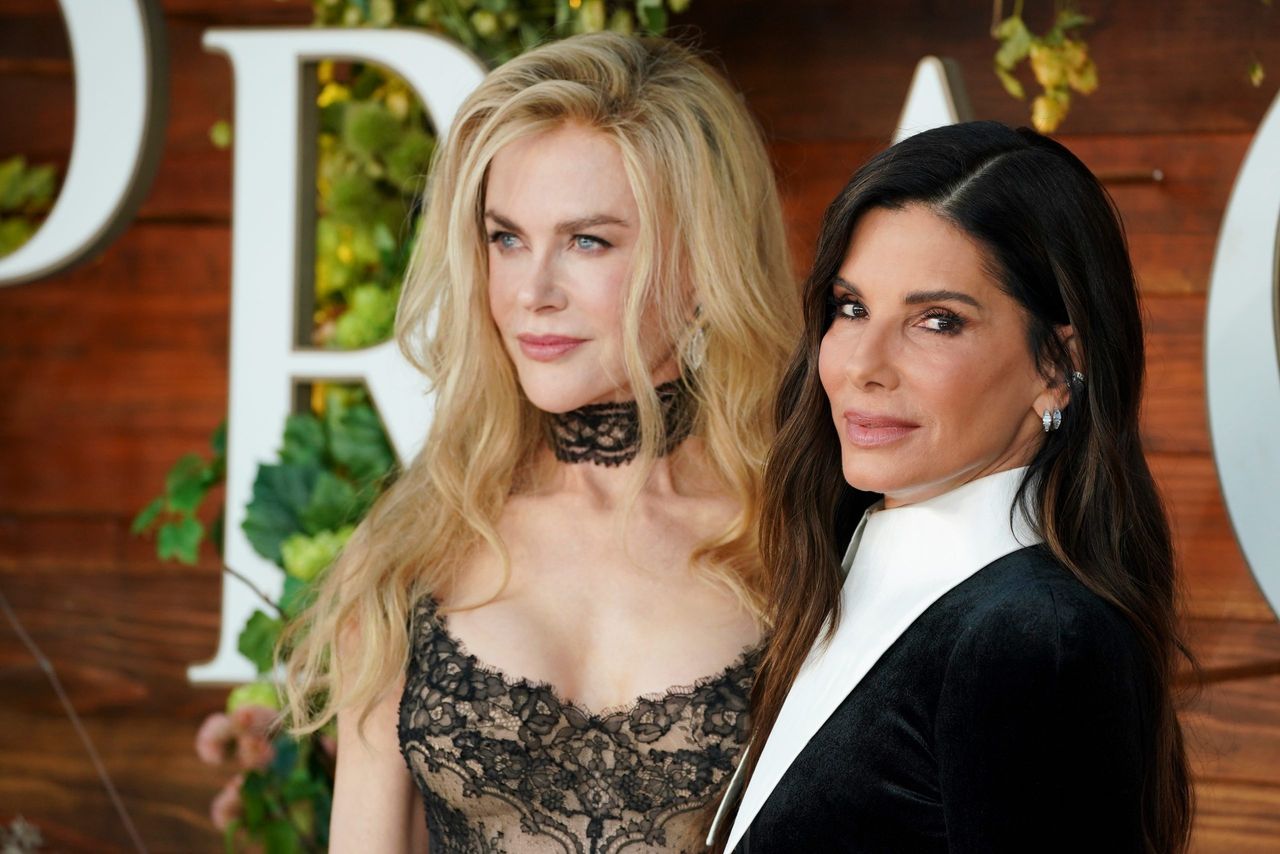
Nearly three decades after its lukewarm reception, Sandra Bullock and Nicole Kidman are returning to the bewitching world of Practical Magic with a sequel that offers both creative redemption and a celebration of the original film's unlikely cultural renaissance. Practical Magic 2, set for release on September 10, sees the Oscar-winning actresses reprise their roles as witchy sisters Sally and Gillian Owens while passing the torch to a new generation of performers in a story that continues to draw from Alice Hoffman's literary universe.
From Box Office Disappointment to Cult Classic
The 1998 original, adapted from Alice Hoffman's 1995 novel, initially received mixed reviews and achieved only modest commercial success. Bullock recalls the difficult press tour where critics dismissed the film's magical realism and female-centric narrative. "We were not well-received because we were 'too much,' 'too witchy,' 'too many women,' 'too many tones,'" Bullock recounted, adding her pointed response: "I'm like, 'Have you lived a day in the life as a woman?'" The film's complex blend of romance, comedy and supernatural elements proved challenging for some reviewers to categorize.
Yet through social media rediscovery and home video circulation, the romantic comedy about a family of witches gradually found its audience. Bullock noticed the cultural shift about six years ago when younger fans began approaching her with unexpected praise. "I was still harboring so much shame," she admitted about the film's initial reception. "I was like, 'Oh my god, the things that were said, I'm sorry, we thought we were doing something nice.' And turns out we did. It was just 28 and change years too early." This delayed appreciation reflects how cultural attitudes toward stories about magical women have evolved significantly since the late 1990s.
Reclaiming the Witch Narrative
Both actresses note how societal attitudes toward witchcraft have transformed since the original film's release. Bullock observes that the word "witch" has undergone a cultural reclamation, shifting from a pejorative to a positive identifier. "A witch has always been a negative connotation. It was presented that way," Bullock explained. "The word is being taken back, and there's ownership of it from the community saying, 'I'm a witch and I'm proud.'" This cultural shift has created a more receptive environment for stories about magical women, contrasting sharply with the skepticism that greeted the original film.
Kidman experienced this cultural transformation personally through unexpected fan interactions. "People started just coming into my life who would go, 'You want to know what my favorite film of yours is? Practical Magic,'" she recalled. "And suddenly I was like, 'What? Wow, OK.'" These encounters demonstrated how the film had quietly built a devoted following over decades, particularly among women who connected with its themes of sisterhood and female empowerment.
Preparing a New Generation
As producers and stars of the sequel, Bullock and Kidman took deliberate steps to bridge the generational gap between the original film and its continuation. Bullock screened the original for her children and their friends to gain fresh perspectives before filming began. "I wanted fresh eyes," she explained. "Because we were embarking on the new chapter, the new baby witches coming in. I wanted to understand it from a point of view I didn't have." This approach reflects the film's thematic focus on generational knowledge transfer within the Owens family.
The sequel introduces younger Owens witches played by Joey King and Maisie Williams, who see their roles as inheriting a legacy. King expressed profound appreciation for this passing of the torch: "It just felt like we were stepping into their world and doing this with them, and it's a real gift and honor to be considered the people who are taking the batons." Producer Denise Di Novi, who also worked on the original film and previously cast King in Ramona and Beezus, hinted at potential future installments focusing on these new characters, saying there's "so much more to do with Kylie and Antonia," referring to their characters' names in the sequel.
The Practical Challenges of Magic
The production faced significant budgetary constraints compared to modern blockbusters, requiring creative solutions to bring the magical world to life. The team meticulously rebuilt the iconic Owens house as a full structure on a London backlot rather than the temporary facade used in the original. "It was an incredibly tough fiscal time. We were hedging the dollar," Bullock noted. "We're not a big superhero film, so you don't get the luxury of a big price tag." This challenge reflects the realities of mid-budget filmmaking in an era dominated by tentpole franchises.
Kidman emphasized the importance of fiscal responsibility in their producing roles: "And we also knew the responsibility of bringing it in on a certain price because then you go, 'OK, we can breathe a bit.' I think when a budget blows out, you're like, 'Oh my gosh, the stress.' And we don't need any more stress in our lives. It's stressful enough." Their hands-on approach to budgeting demonstrates their personal investment in the project's success and their understanding of practical filmmaking realities.
Literary Roots and Future Possibilities
The franchise continues drawing from Alice Hoffman's literary universe, with the sequel taking inspiration from her 2021 novel The Book of Magic, which expands the Owens family mythology. Williams expressed enthusiasm about unexplored material from Hoffman's expanded universe: "We're so there for it. There's so much more of 'Book of Magic' that we didn't get to explore." This literary connection provides rich territory for potential future stories beyond the upcoming sequel.
In the sequel's narrative structure, Bullock and Kidman's characters transition into mentor roles while the younger generation takes center stage, a thematic choice that mirrors the actresses' real-life positions as veterans guiding new talent. This generational approach allows the franchise to honor its origins while moving forward. As Di Novi teased about the sequel's conclusion: "At the end of the movie, spoiler alert, but you kind of feel like the Sally and Gillian characters are kind of the elder aunts, you know, and Kylie and Antonia are the ones launching off into the world as witches."
Why the Sequel Matters
The Practical Magic sequel represents more than just another Hollywood franchise extension. Its production reflects significant shifts in how stories about magical women are received, stories that were often dismissed or marginalized in the 1990s. The original film's journey from box office disappointment to beloved classic demonstrates how audience reception can evolve over time, validating creative risks that initially seemed unsuccessful.
For Bullock and Kidman, this project offers professional closure and vindication. Their willingness to revisit these characters after difficult early experiences speaks to their faith in the material and its message. The sequel arrives at a moment when female-driven narratives and witch-themed stories enjoy unprecedented popularity, suggesting the original film may have been ahead of its time rather than out of step. As Hollywood continues mining nostalgia, Practical Magic 2 stands out as a rare legacy sequel driven by genuine artistic reflection rather than purely commercial calculation, with its creators actively engaging with the original's complex reception history while moving the story forward.