Hurricane Lowell Threatens Hawaii With Heavy Rains, School Closures and Dangerous Conditions
Hawaii Governor Josh Green has ordered widespread closures and emergency preparations as Hurricane Lowell approaches the western islands, with forecasts predicting life-threatening flooding, damaging winds, and potential tornadoes.
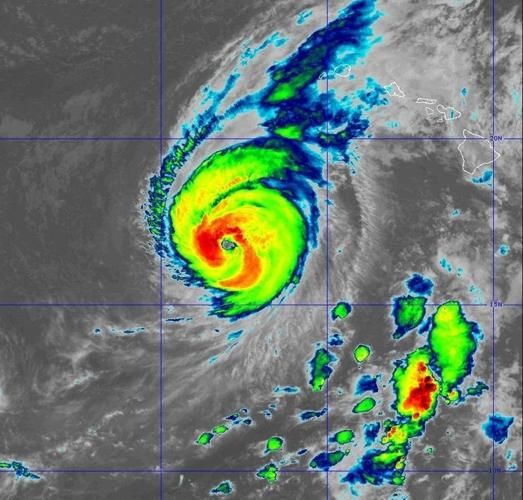
Hawaii Governor Josh Green has activated emergency protocols across Kauai County as Hurricane Lowell intensifies its approach toward the westernmost Hawaiian islands. The Category 2 storm presents a multi-faceted threat to life and property, with forecasts predicting torrential rainfall up to 16 inches (40 centimeters), destructive winds, and the potential for devastating mudslides across the vulnerable island chain.
Comprehensive Emergency Measures Enacted
The National Hurricane Center's hurricane warning encompasses all of Kauai County, which includes both the populous island of Kauai with 73,000 residents and the sparsely populated private island of Niihau with fewer than 100 inhabitants. Governor Green's emergency declaration mandates the closure of all public schools, community colleges, and state and county offices through Tuesday to minimize movement during the storm's peak intensity.
This coordinated shutdown coincides with the storm's projected closest approach, when meteorologists anticipate the hurricane's core will pass over or just west of Niihau late Monday into early Tuesday. While some weakening is expected, the system will maintain dangerous hurricane strength during this critical period. The closures serve dual purposes: keeping residents off hazardous roads and allowing emergency personnel to focus on critical response operations without unnecessary distractions.
Detailed Storm Analysis and Projected Impacts
As of Monday afternoon, Hurricane Lowell maintained sustained winds strong enough to qualify as a Category 2 system on the Saffir-Simpson scale, with its expansive wind field extending tropical storm conditions well beyond the immediate warning area. The storm's most concerning aspect remains its prodigious moisture content and slow movement, which will produce prolonged heavy rainfall across the island chain.
Detailed rainfall projections illustrate the potential for life-threatening flooding. The western islands of Kauai and Niihau face the highest totals of up to 16 inches (40 centimeters) in isolated areas, while Oahu and Maui could receive 10 inches (25 centimeters), and portions of Hawaii Island may see 12 inches (30 centimeters). These amounts would fall on ground still saturated from Tropical Storm Lala's impacts last month, dramatically increasing the risk of flash flooding and slope failures.
Integrated Emergency Response Framework
Governor Green's administration has mobilized the state's comprehensive emergency operations framework to coordinate preparations across multiple jurisdictions and agencies.
"Closing offices, schools and courts will help keep people off the roads during dangerous conditions and allow emergency crews to focus on protecting our communities,"Green emphasized in his official statement. The unified command structure ensures smooth communication between county, state, and federal responders.
Emergency managers have stressed the importance of individual preparedness, urging residents to secure outdoor items, stock essential supplies, and establish family communication plans. Particular attention has been given to vulnerable shoreline communities facing potential storm surge and areas near steep terrain susceptible to mudslides. The governor specifically warned against coastal activities due to expected life-threatening rip currents and strongly discouraged any attempts to traverse flooded roadways.
Regional Effects and Expanded Warnings
While Kauai County faces the most direct hurricane threat, the National Hurricane Center maintains a tropical storm warning for Oahu, home to nearly one million residents. This precaution recognizes the potential for dangerous conditions even without a direct hurricane strike, as tropical storm-force winds could still trigger power outages, down trees, and disrupt transportation networks.
The storm's influence extends into the ecologically sensitive Papahanaumokuakea Marine National Monument, though human impacts in this remote protected area will be minimal. This vast marine sanctuary northwest of the main islands contains fragile ecosystems that could experience significant disturbance from the hurricane's passage, highlighting the storm's broader environmental consequences beyond immediate human safety concerns.
Historical Context of Recent Weather Events
Hurricane Lowell represents the second significant tropical threat to Hawaii in recent weeks, following Tropical Storm Lala which battered the islands without making landfall. That earlier system caused particularly severe damage on Hawaii Island, triggering destructive landslides that destroyed approximately 100 homes and left widespread power outages in its wake.
Climate researchers observe that while individual storms cannot be directly attributed to climate change, warming ocean temperatures may be contributing to more intense rainfall events in tropical systems. This emerging pattern presents particular challenges for island communities with limited evacuation options and critical infrastructure often concentrated along vulnerable coastal areas.
Community Preparedness and Localized Response
Local authorities on Kauai have preemptively opened emergency shelters while encouraging residents with sturdy homes to shelter in place when possible. The island's relatively small population allows for more targeted emergency response compared to Oahu, but its rugged topography presents unique access challenges for first responders that could hamper post-storm recovery efforts.
Officials continue to stress the critical importance of heeding all evacuation orders and warn against complacency as the storm approaches.
"I urge everyone in Kaua'i County to remain indoors, avoid unnecessary travel and follow all official emergency instructions,"Governor Green reiterated, emphasizing that proper preparation could prevent needless tragedies. The coordinated public messaging aims to ensure all residents understand the seriousness of the threat.
Long-Term Implications for Island Resilience
The consecutive tropical threats this season underscore Hawaii's ongoing need to enhance its disaster preparedness and resilience. Each weather event provides valuable lessons for emergency managers, from refining communication strategies to identifying infrastructure vulnerabilities. The state's extreme geographic isolation makes timely external assistance challenging, placing greater emphasis on local preparedness and self-sufficiency during extended recovery periods.
For Hawaii's residents, Hurricane Lowell serves as another stark reminder of nature's power in what many consider paradise. While the islands' natural beauty attracts millions of visitors annually, their location in the Central Pacific also makes them frequent targets for tropical systems. As Hurricane Lowell approaches, the state's primary focus remains protecting human life and minimizing property damage through coordinated preparation and measured response.
Broader Regional Weather Impacts
The effects of Hurricane Lowell extend beyond immediate safety concerns to potential economic disruptions. The temporary closure of government offices and educational institutions will have ripple effects across Kauai County's economy, while the tourism sector - vital to Hawaii's financial health - faces another setback following recent storm impacts. Agricultural operations, particularly the islands' sensitive tropical crops, may face significant losses from prolonged heavy rainfall and strong winds.
Marine interests face particular hazards, with the National Weather Service warning of extremely dangerous surf conditions and life-threatening rip currents around all Hawaiian islands through midweek. These conditions will likely persist even after the hurricane's passage, creating extended risks for coastal activities and marine operations.