Trump proposes renaming New Mexico to 'New America' amid social media blitz targeting political rivals
Former President Donald Trump suggested renaming New Mexico to 'New America' in a series of Truth Social posts that included AI-generated videos, attacks on opponents, and surreal imagery, continuing his pattern of targeting geographic names with foreign associations.
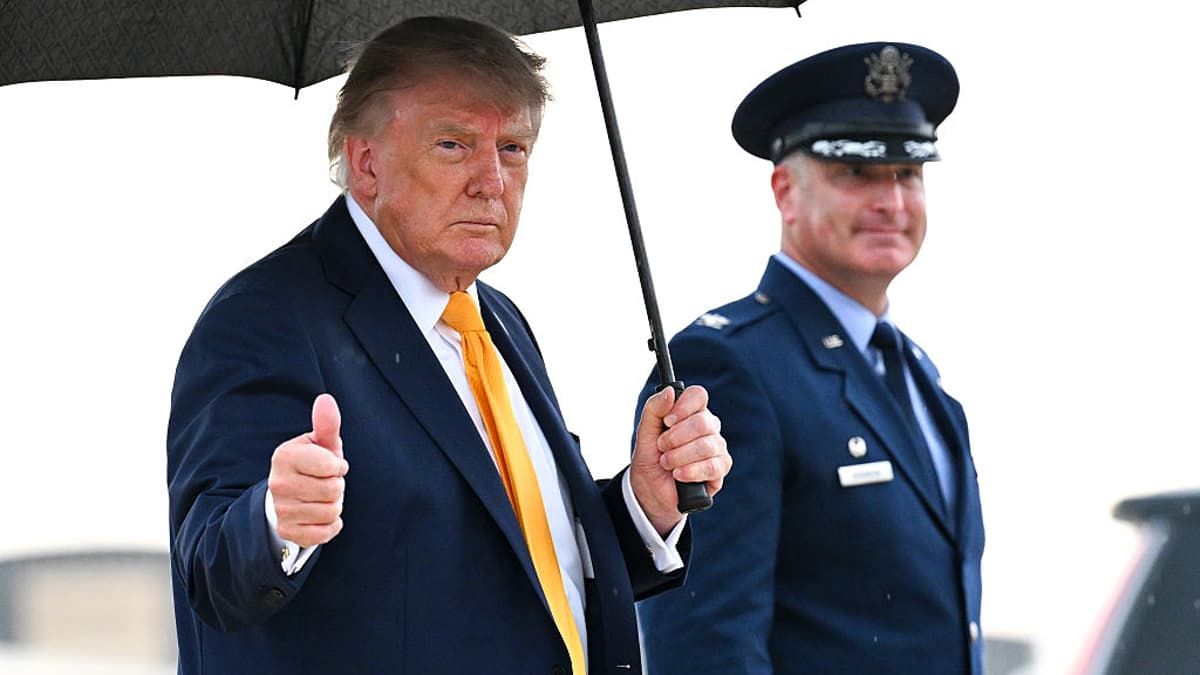
Former President Donald Trump sparked immediate controversy Sunday by proposing to rename the state of New Mexico as "New America" through a series of provocative social media posts. The suggestion came amid an unusually active online session where Trump published more than 60 posts across his Truth Social platform, blending political messaging with surreal digital imagery and personal attacks on opponents.
The New America Proposal
Trump's name change suggestion appeared in multiple posts, including one featuring an AI-generated video that depicted him modifying a roadside billboard and dancing.
"Many people suggested changing the name of New Mexico, one of the great vote cheating states of all time, to NEW AMERICA,"Trump wrote.
"So much more prestigious and beautiful for the people of that potentially incredible State. Wow, I Love It!!!"Another post showed a map of New Mexico with "Mexico" crossed out and replaced by "America," visually reinforcing the proposed change.
Pattern of Geographic Renaming
This marks the latest instance in Trump's pattern of targeting geographic features with foreign-associated names. During his presidency and current campaign, he has ordered the Gulf of Mexico be called the "Gulf of America" and proposed renaming Lake Ontario as "Lake America" amid tensions with Canada. These moves appear strategically aligned with his "America First" political branding, though they lack practical pathways for implementation in most cases.
Legal and Constitutional Constraints
While U.S. presidents possess authority to rename federal geographic features through executive action, they cannot unilaterally change state names. The Constitution grants states significant sovereignty protections, meaning any official name change for New Mexico would require approval from both the state legislature and Congress. Trump could theoretically direct federal agencies to use alternative names in official communications, though such a move would likely face legal challenges and practical implementation hurdles across government systems.
Historical Context of New Mexico's Name
The name "New Mexico" predates the modern nation of Mexico by centuries, originating from Spanish explorers who called the region "Nuevo México" in the 16th century when it was part of New Spain. When the territory became a U.S. state in 1912, it retained this historical name despite Mexico having gained independence from Spain nearly a century earlier. This distinguishes New Mexico from places named after contemporary foreign nations, making Trump's targeting of its name particularly noteworthy.
Immediate Political Backlash
New Mexico's Democratic leadership, which currently holds the governorship and all five congressional seats, responded swiftly and critically to Trump's proposal. Representative Melanie Stansbury issued a sharp rebuke:
"New Mexico's name is not up for debate...Why is the President spending his time making memes and harassing the people of our state - while inflation is through the roof, gas prices are sky high, people cannot afford food, healthcare, and housing."The Republican Party of New Mexico declined to comment, while GOP congressional candidate Greg Cunningham stated his campaign needed time to review the posts before responding.
Broader Social Media Activity
The name change proposal formed part of an unusually prolific social media session where Trump blended political messaging with surreal digital content. Among the more than 60 posts were dystopian images of Trump surrounded by robots with the caption "Give them nightmares," photoshopped pictures depicting Trump as wrestler Hulk Hogan, and multiple manipulated images showing Trump interacting with George Washington. Other posts revisited familiar themes including presidential rankings placing Trump first, threats against Iran, and taunts directed at Canadian Prime Minister Mark Carney.
Strategic Communication Approach
Political analysts note that Trump's social media strategy effectively combines substantive policy positions with viral content and personal grievances. The New Mexico naming controversy, while unlikely to result in actual change, reinforces his nationalist messaging while generating media attention. The integration of AI-generated content into his political messaging, as demonstrated by the doctored video accompanying his posts, raises broader questions about truth and authenticity in digital political campaigns.
Historical Precedents for Name Changes
Successful state name changes in U.S. history have been exceptionally rare and required substantial local consensus. The most recent example occurred in 2020 when Rhode Island voters approved removing "and Providence Plantations" from the state's official name due to associations with slavery, though public opposition led to reversion in 2021. Other potential state name changes - such as proposals to rename Washington State to avoid confusion with the capital - have failed to gain traction, illustrating the significant political and cultural barriers to such modifications.
Cultural and Political Implications
Trump's targeting of New Mexico's name carries particular significance given the state's majority Hispanic population and cultural ties to Mexico. The proposal follows years of political rhetoric around border security and immigration, potentially resonating with Trump's base while alienating Hispanic voters. The muted response from Republican officials underscores Trump's continued influence over the party, even as some strategists question the electoral wisdom of alienating growing demographic groups.
Digital Campaigning Evolution
The incident highlights how digital tools and social media platforms have transformed political communication. Trump's use of AI-generated content to accompany policy suggestions represents an emerging trend in political campaigns, raising ethical questions about authenticity and truth in political discourse. As artificial intelligence tools become more sophisticated and accessible, experts warn such techniques may become normalized in political messaging, further complicating voters' ability to distinguish between reality and fabrication.