Japan surpasses 100,000 centenarians for first time as population ages rapidly
Japan's Health Ministry reports record 107,677 people aged 100+, with women making up 88% of the total, highlighting demographic challenges while celebrating longevity achievements.
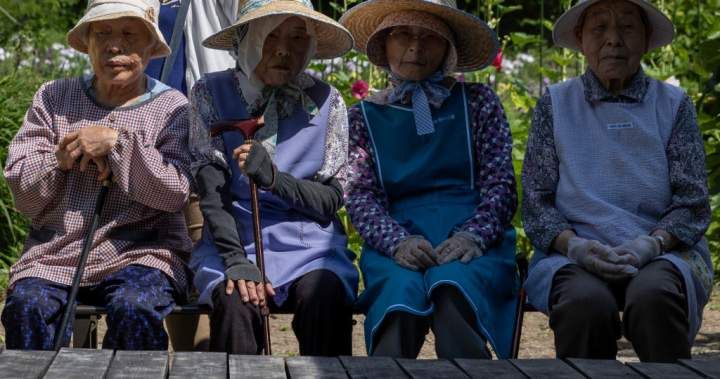
Japan has reached a historic demographic milestone with over 100,000 centenarians for the first time, according to newly released government data. The Health and Welfare Ministry confirmed the country now has 107,677 people aged 100 or older, marking an increase of 7,914 from the previous year. This achievement reflects Japan's exceptional healthcare system and longevity rates, while simultaneously highlighting significant demographic challenges facing the nation.
Gender disparity among Japan's oldest citizens
The statistics reveal a profound gender gap among Japan's oldest population. Women account for approximately 88% of centenarians, with 94,298 female and just 13,379 male citizens reaching triple digits. This imbalance stems from complex historical and social factors that have shaped Japanese society over generations. Stuart Gietel-Basten, a professor of social science at the Hong Kong University of Science and Technology, explained that many Japanese men from this generation were killed in World War II, significantly reducing the pool of potential male centenarians. Those who survived often had lifestyles involving higher rates of drinking and smoking, while many worked in industrial jobs that potentially led to long-term health issues.
The professor further noted that women tend to maintain stronger social connections throughout their lives, benefiting their mental health in later years. By contrast, men often experience isolation after losing a spouse, which can negatively impact longevity. These social patterns have contributed to the substantial gender gap seen in Japan's centenarian population.
READ MORE: Pentagon Implements Mandatory Testosterone Testing for Male Troops Over 30
READ MORE: Two hospitalized after T-bone collision near Yorkdale Mall
Celebrating longevity on Respect the Aged Day
The government strategically released these figures on September 15, known as Respect the Aged Day in Japan. This national holiday specifically honors the country's elderly population, with centenarians receiving special recognition including a personal letter from Prime Minister Sanae Takaichi and a ceremonial silver sake cup. The tradition reflects Japan's cultural reverence for its elders and recognition of their contributions to society.
Japan has witnessed remarkable growth in its centenarian population since systematic record-keeping began. In 1963, when the Elderly Welfare Act was first ratified, there were just 153 people aged 100 or older nationwide. The number surpassed 1,000 in 1981, demonstrating the early signs of Japan's demographic transformation. By 1998, the figure reached 10,000, and in 2012 exceeded 50,000 before finally breaking the 100,000 mark this year. This exponential growth illustrates both Japan's success in extending life expectancy and the challenges of an aging society.
Factors behind Japan's longevity success
Health Minister Kenichiro Ueno praised the achievement during a press conference, stating
"I'm very pleased that many people are living a long, healthy and active lives."He outlined several key factors contributing to Japan's longevity success, including significant advances in medical technology that have improved treatment for age-related conditions. Japan's universal healthcare system provides access to high-quality medical care for all citizens, while traditional dietary patterns emphasizing fish, vegetables, and modest portion sizes contribute to overall health. The minister also noted the importance of generally active lifestyles maintained by many elderly Japanese.
Social connections appear to play a particularly crucial role in longevity, especially for women. Professor Gietel-Basten's research suggests that women's greater involvement in community activities throughout their lives creates social support networks that benefit mental and physical health in advanced age. This contrasts with patterns of male socialization that often lead to isolation during retirement years, particularly after the loss of a spouse.
Demographic challenges ahead
Japan's aging population presents profound challenges for the nation's future. The fertility rate dropped to a record low of 1.14 in 2025, far below the 2.1 children needed to maintain population stability. According to the 2020 census, Japan's total population stood at 126 million, with nearly 30% aged 65 or older - one of the highest proportions in the world. Demographic projections suggest even more dramatic changes ahead, with the population expected to decline to about 87 million by 2070. In this scenario, nearly 40% of citizens would be 65 or older, creating unprecedented pressure on social services and the workforce.
Minister Ueno emphasized the importance of maintaining robust social safety nets as the population continues to age and decline. The government faces complex policy decisions regarding pension systems, healthcare funding, and elderly care services as the ratio of working-age taxpayers to retirees becomes increasingly unbalanced.
Changing attitudes toward marriage and family
Recent surveys indicate shifting social attitudes that may further exacerbate Japan's demographic challenges. A National Institute of Population and Social Security Research study found that more than 20% of single Japanese adults aged 18-34 do not intend to marry, with nearly half seeing no benefit to the institution of marriage. This represents a significant cultural shift in a society traditionally emphasizing family structures.
Minister Ueno acknowledged that young people cite multiple reasons for avoiding marriage and childbearing, including the enormous financial costs of raising children in Japan's competitive education system. Many also express concerns about the physical and mental toll on working parents trying to balance career and family responsibilities in a demanding work culture. These economic and social factors contribute to Japan's declining birth rate and aging population trends.
Japan's oldest citizens
Among Japan's centenarians, Kyoto resident Fuyo Kishimoto holds the distinction of being the country's oldest woman at age 114. The oldest man is 112-year-old Hikaru Kato. These exceptional individuals represent the pinnacle of Japan's aging population success story, having lived through profound social changes including Japan's post-war reconstruction, economic boom, and subsequent demographic transition.
Global implications of Japan's demographic trends
Japan's experience serves as a leading indicator for other developed nations facing similar demographic shifts. As the first major industrialized country to experience such rapid aging, Japan's policies and social adaptations may provide valuable lessons for other societies. The country's success in achieving exceptional longevity demonstrates the benefits of universal healthcare, healthy lifestyles, and strong social cohesion. However, the accompanying demographic challenges highlight the need for comprehensive strategies to address population decline, workforce sustainability, and intergenerational equity.
The milestone of surpassing 100,000 centenarians represents both an achievement and a warning for Japan. While the country can take pride in creating conditions that allow so many citizens to reach advanced ages, the demographic realities demand innovative solutions to maintain economic vitality and social stability. Japan's experience suggests that extending healthy lifespans must be accompanied by policies that support family formation, workforce participation at all ages, and sustainable social welfare systems.