Quebec Diver in Stable Condition After Historic Great White Shark Attack Near Percé
A training divemaster remains hospitalized with multiple lacerations following Quebec's first recorded shark attack during a routine dive off the Gaspé Peninsula, prompting suspension of diving operations in the area.
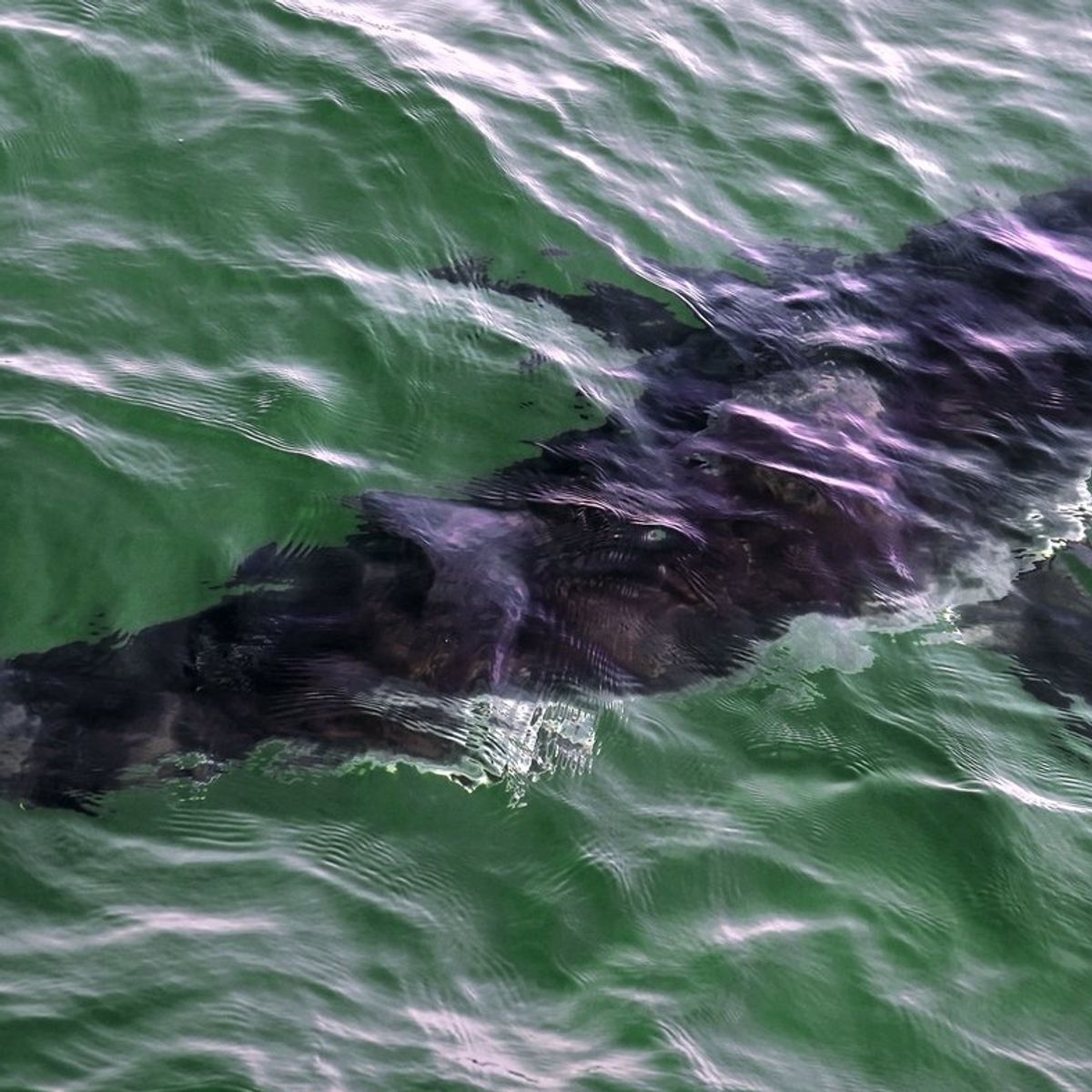
A diving instructor trainee is recovering in stable condition after sustaining serious injuries from Quebec's first documented great white shark attack. The unprecedented incident occurred Wednesday during a routine training exercise near Percé, a popular diving destination on the eastern tip of the Gaspé Peninsula. Jean-François Vézina, vice-chair of Plongée Percé's board of directors, confirmed the victim suffered multiple upper body lacerations but is expected to recover.
Details of the Attack
The attack occurred during what should have been a routine safety procedure at the conclusion of a training dive. Six divers were participating in the session, divided into two teams of three. The injured divemaster was paired with an instructor and a Level One certification student when the incident unfolded during a three-minute safety stop at five metres below the surface. This critical decompression period followed a 33-minute dive at 10 metres depth.
Vézina provided disturbing details about the moment of impact. "The instructor heard a noise behind him. When he turned around, he saw a great white shark in contact with the diver." The marine predator disengaged within seconds, demonstrating what Vézina described as "a rather sneaky" approach. The injured diver was conscious throughout the ordeal and able to remove his own equipment before receiving first aid.
READ MORE: North York Collision Sends One to Hospital Amid Busy Day for Toronto Emergency Services
Emergency Response
The dive team demonstrated remarkable professionalism in their emergency response. After boarding their vessel, the crew administered first aid while coordinating with the Canadian Coast Guard for medical evacuation. Meanwhile, the second dive team remained unaware of the incident during their session. Following protocol, their divemaster guided them safely to nearby island rocks where they awaited retrieval. All personnel were accounted for without additional injuries.
Plongée Percé released a statement on social media confirming the details of the incident and announcing the suspension of all diving activities for the remainder of the season as a precautionary measure. The company expressed concern for their injured colleague, stating simply: "Of course, our thoughts are with the victim, our colleague."
Historical Context
This incident marks the first recorded shark attack in Percé's waters, despite previous shark sightings in the area. Vézina emphasized this point: "This is the first time this has happened in Percé. Sharks have been spotted here before, but we've never had any encounters." The region's underwater topography and rich marine life have made it a popular destination for diving operations for years without incident.
Marine biologists note that while great white sharks have always frequented Atlantic Canadian waters, their presence in the Gulf of St. Lawrence has become more noticeable in recent years. However, experts caution against drawing broad conclusions from this isolated event, noting that human-shark interactions remain exceptionally rare in Canadian waters.
Safety Implications
The attack has prompted serious reflection within the diving community about wildlife awareness and emergency protocols. While the immediate response demonstrated the effectiveness of existing safety measures, the unprecedented nature of the incident suggests potential areas for improvement in training and preparedness.
The diving company's decision to suspend operations demonstrates appropriate caution following the traumatic event. This pause allows time for safety protocol review and staff recovery while respecting the psychological impact on all involved. The incident may lead to broader discussions about incorporating additional wildlife monitoring technologies or adjusting seasonal operations based on migratory patterns.
Ecological Considerations
Marine researchers emphasize that shark attacks on humans represent extremely rare exceptions to normal behavior. The great white's brief contact and rapid disengagement in this case aligns with typical investigative behavior rather than a sustained attack pattern. This incident occurs against the backdrop of documented ecological shifts in Atlantic Canadian waters, though scientists warn against overinterpreting isolated events.
Climate change has altered water temperatures and prey distributions throughout the region, potentially bringing large marine predators into contact with human activities in new ways. However, the statistical likelihood of shark encounters remains extremely low, and experts stress that fear-driven overreaction would be inappropriate given the exceptional nature of this event.
Moving Forward
The focus now remains on the victim's recovery and thoughtful assessment of lessons learned from this rare event in Canadian diving history. While Quebec's waters remain statistically safe for diving, this incident may prompt review of emergency protocols and shark awareness training for professionals. The diving community will likely examine this case carefully to enhance safety measures without compromising access to marine environments.
As the investigation continues, marine operators across Atlantic Canada may reconsider aspects of their wildlife interaction protocols. However, the fundamental safety of diving in the region remains unquestioned, with this incident representing an extraordinary exception rather than a new norm. The victim's recovery and the thoughtful response from Plongée Percé demonstrate the resilience of both individuals and institutions in the face of unpredictable marine events.