US Senate Rejects Digital Asset Market Clarity Act, Dealing Blow to Crypto and Prediction Markets
The failure of the Digital Asset Market Clarity Act in the US Senate has significant implications for crypto-linked prediction markets and the gaming industry, marking a victory for gaming stakeholders while creating regulatory uncertainty.
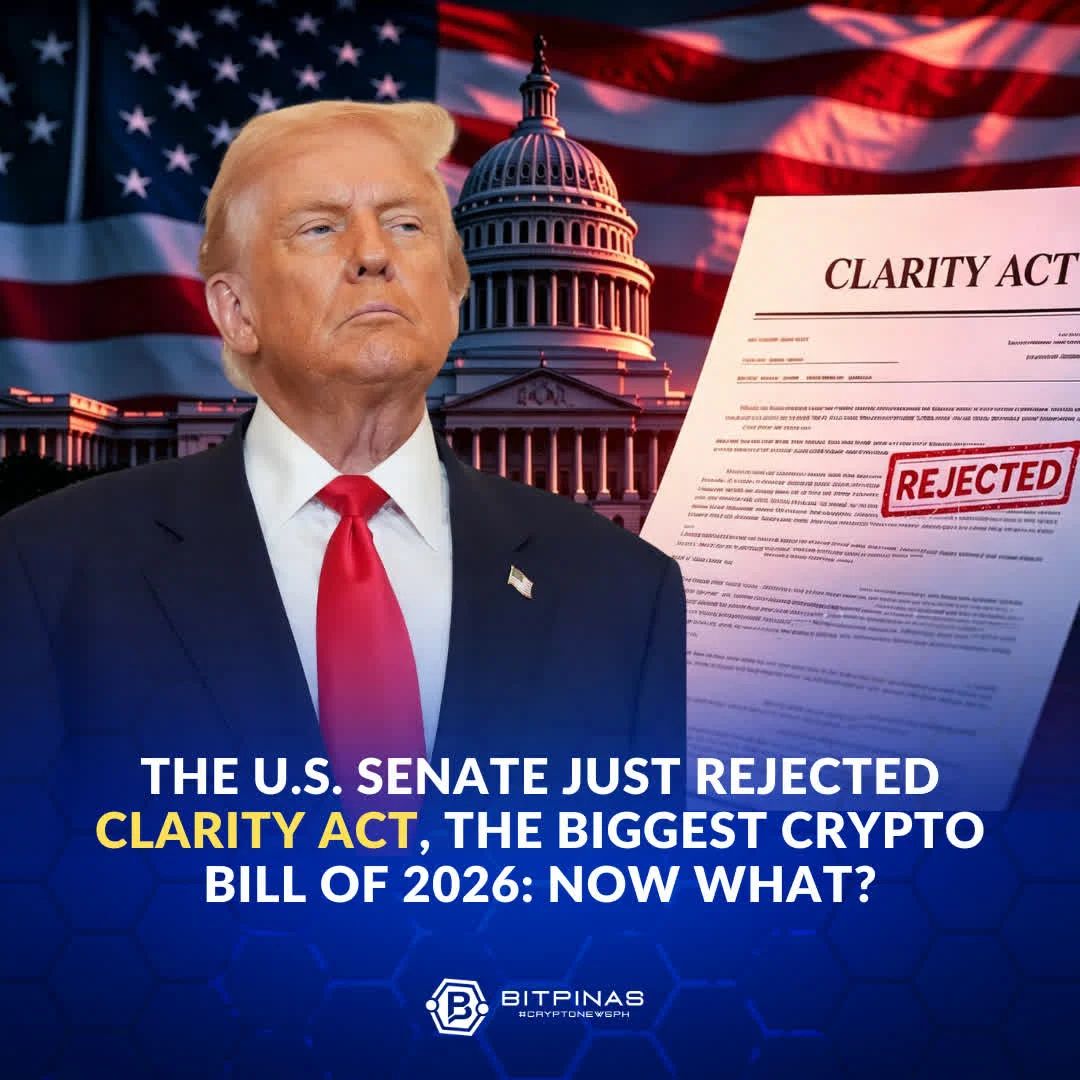
The Digital Asset Market Clarity Act, which promised to establish the first comprehensive federal framework for cryptocurrency regulation, suffered a decisive defeat in the Senate this week. The failed vote, with a final tally of 49-50, not only dashes hopes for regulatory clarity in the crypto space before 2026 but also carries profound implications for the gaming industry, particularly regarding the contentious issue of cryptocurrency-linked prediction markets.
Legislative Breakdown and Partisan Fallout
The bill's failure to secure the required 60 votes for advancement revealed deep divisions within the Senate, with four Republican lawmakers crossing party lines to oppose the measure. The collapse occurred despite last-minute negotiations that saw former President Donald Trump reportedly agree to stronger ethics provisions on Sunday night. These eleventh-hour concessions, reported by the Associated Press, proved insufficient to address lawmakers' concerns about potential conflicts of interest involving senior officials maintaining crypto business ties.
Arizona Senator Ruben Gallego's statement captured the partisan rancor surrounding the vote:
"This legislation failed squarely because Republicans refuse to say no to the president. It takes 60 votes to pass a bill, and instead of spending their time twisting themselves into knots to appease President Trump, Republicans should have worked more closely with Senate Democrats to craft a bill that could pass with strong ethics provisions."Meanwhile, Wyoming Senator Cynthia Lummis, the lead Republican negotiator, accused Democrats of political gamesmanship, declaring in her statement that they "played games" and "were never truly serious about protecting consumers."
READ MORE: Texas Prediction Market Activity Spurs Regulatory Debate Amidst Election-Year Dynamics
Gaming Industry's Strategic Victory
The bill's defeat represents a significant tactical win for gaming stakeholders who had mobilized against the legislation's potential to legitimize prediction markets. On June 16, a powerful coalition including the American Gaming Association, Indian Gaming Association, Association of Gaming Equipment Manufacturers, and UNITE HERE unions sent a joint letter urging Senate leaders to explicitly ban sports and casino-related contracts in the bill. Their letter argued:
"Congress should not wait while this nationwide expansion of gambling continues. It should use crypto legislation to reaffirm a simple principle: sports betting falls outside the CFTC's remit and cannot be offered through prediction market platforms."
Indian Gaming Association Chairman David Bean welcomed the Senate's decision, stating the body "did the right thing" by not advancing legislation that "could have expanded CFTC commodities authority" without adequate protections. However, Bean cautioned that regulatory battles over prediction markets would continue, noting "it is not the end of this fight." The American Gaming Association declined immediate comment, instead referring reporters to their June letter.
Regulatory and Market Consequences
The failed vote deals a severe blow to the Commodity Futures Trading Commission's ambitions under Chairman Michael Selig, who has positioned the agency as a champion of digital asset innovation. With the CFTC currently operating with just one commissioner - Selig himself - the agency faces mounting challenges in overseeing both traditional commodities and the rapidly evolving crypto space. The legislation would have granted the CFTC expanded authority over digital assets, potentially alleviating some jurisdictional uncertainties but adding to the agency's stretched resources.
Selig, who recently convened the CFTC's Innovation Advisory Committee to discuss blockchain technology, had been a vocal proponent of establishing clear federal guidelines. His May social media post praising the Trump administration's crypto policies now stands in stark contrast to the current regulatory vacuum. Without legislative action, the CFTC and SEC face continued legal vulnerabilities in their attempts to regulate through enforcement actions and guidance documents.
Consumer Behavior and Market Dynamics
The regulatory stalemate creates paradoxical pressures in the gaming market. While 64% of online sports bettors report using cryptocurrency - more than double the general U.S. population's usage rate according to Paysafe's June report - regulated operators remain largely unable to accommodate this demand. This disconnect was starkly evident at ICE Barcelona 2025, where licensed operators expressed frustration about competing against unregulated platforms that freely accept crypto payments.
The Paysafe data reveals significant consumer demand for crypto options, with 85% of surveyed bettors wanting cryptocurrency withdrawal capabilities. Currently, only Wyoming and Colorado permit crypto deposits for gambling, with no states allowing crypto withdrawals. The report projects that if fully legalized, cryptocurrency would quickly become a top-three payment method for deposits, trailing only digital wallets and debit cards, and ranking even higher in major markets like New York and Illinois.
Broader Implications and Future Outlook
The legislative failure leaves the United States without a coherent national framework for cryptocurrency regulation as midterm elections approach, effectively pushing any potential action into 2027 at the earliest. This creates ongoing uncertainty for multiple industries while potentially exacerbating the divide between regulated gaming operators and their unlicensed competitors. The outcome also raises questions about the future of prediction markets, which have flourished in the crypto ecosystem through platforms like Crypto.com, Coinbase, and Gemini.
As the gaming industry celebrates this temporary victory over prediction markets, broader questions remain about how regulators will address the growing intersection of cryptocurrency and gambling. With younger consumers increasingly adopting digital assets and unregulated platforms capitalizing on this demand, the pressure for legislative solutions will likely intensify despite this week's setback. As noted by observers on both sides of the debate, the Senate's vote represents not an endpoint but merely the latest chapter in an ongoing regulatory saga with significant stakes for both the crypto and gaming industries.