Texas Prediction Market Activity Spurs Regulatory Debate Amidst Election-Year Dynamics
Texas sees surging prediction market volumes as lawmakers and industry stakeholders clash over regulatory oversight ahead of pivotal state elections.
The surge in prediction market activity across Texas has sparked a complex regulatory debate that intersects with the state's cultural identity, political landscape, and evolving gambling policies. As trading volumes reach record highs for both professional and collegiate sporting events, lawmakers are grappling with how to classify these financial instruments under existing gambling prohibitions while balancing consumer protection concerns.
Texas-Sized Trading Volumes Draw Attention
Recent data reveals extraordinary prediction market activity centered around Texas sports teams and events. The September 12 college football showdown between Ohio State and the University of Texas saw over 50.7 million contracts traded, according to tracking site Odds Shopper. This high-profile matchup demonstrated the intense interest in prediction markets surrounding Texas football, which holds near-religious significance in the state. The trading volume set the stage for heightened legislative scrutiny just three days later.
Professional football markets show similar enthusiasm, with the Dallas Cowboys' Sunday Night Football game against the New York Giants generating $208 million in trading activity across US prediction markets. Kalshi reported this matchup as their highest-volume NFL regular season game to date, eclipsing all 2022 contests. Research from Eilers & Krejcik Gaming indicates 43% of national sports-event contract activity originates from just two states - Texas and California - though Texas-specific breakdowns remain unavailable publicly.
READ MORE: US Senate Rejects Digital Asset Market Clarity Act, Dealing Blow to Crypto and Prediction Markets
READ MORE: Four Native American tribes launch prediction market apps with Kalshi
Legislative Scrutiny Intensifies
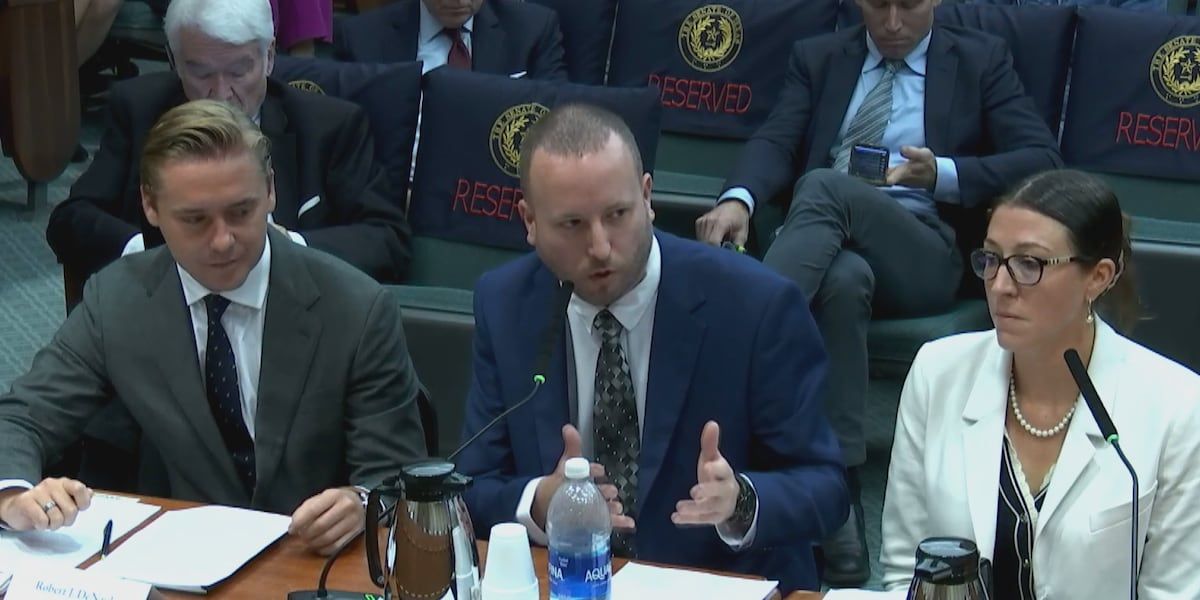
The Texas Senate Committee on State Affairs convened a 62-minute hearing on September 15 to examine the legal boundaries between federally regulated derivatives markets and state gambling prohibitions. Chaired by State Senator Bryan Hughes, the session featured testimony from American Gaming Association Vice President Tres York and Kalshi's Head of Enforcement Robert DeNault, presenting starkly contrasting views on prediction market regulation.
The AGA maintains that event contracts constitute sports betting under Texas law, regardless of their classification as financial derivatives. "An event contract on the Cowboys to beat the Giants does not differ fundamentally from the same wager placed at a sportsbook," York argued. Kalshi countered that their CFTC-regulated platform offers critical consumer protections lacking in offshore markets. "You can go the combative route and ban something that's federally regulated," DeNault warned. "But what you'll end up with is a bunch of customers in Texas just going offshore."
Political Dynamics Shape Regulatory Future
The November elections could significantly influence Texas' approach to prediction markets, with several key races featuring candidates holding divergent views on gambling expansion. Governor Greg Abbott, seeking a third term, has shown openness to expanded gambling in the past, while Lieutenant Governor Dan Patrick - also on the ballot - has consistently blocked sports betting legislation since PASPA's 2018 repeal.
Attorney General Ken Paxton's US Senate campaign against Democrat James Talarico adds another layer of uncertainty, as his successor will inherit responsibility for enforcement actions. State Senator Bob Hall distilled the legislative skepticism during the hearing, comparing event contracts to different forms of gambling: "They're different costumes on gambling. Some have high heels and a tiara and others have on miniskirts or a bikini."
Consumer Protection Concerns Emerge
Problem gambling expert Brianne Doura-Schawohl presented concerning data about younger users engaging with prediction markets. Her testimony revealed that 52% of Gen Z respondents include sports betting and prediction markets in their long-term financial plans. She sharply criticized platforms that allow minors over 17 to link investment accounts, calling the practice "very dangerous" for teenagers susceptible to gambling-related harm.
The AGA recommended Texas pursue geofencing requirements to block prediction market platforms statewide and focus enforcement efforts in state courts rather than federal venues, where they believe Texas would have stronger standing. York framed the issue as a challenge to state sovereignty: "Prediction markets think they can mess with Texas. I hope you prove them wrong."
Tribal Partnership Creates Regulatory Precedent
While Texas debates prediction market regulation, Kalshi made history through a partnership with Louisiana's Tunica-Biloxi Tribe to launch the first tribal prediction market app via SaltTrade Derivatives. Tribal Chairman Marshall Pierite emphasized the significance of tribes leading rather than following in emerging markets: "This partnership represents exactly the type of opportunity Indian Country should be pursuing, where Tribes are owners, innovators and leaders, not just participants."
However, the Ninth Circuit Court's recent decision in Blue Lake Rancheria v. Kalshi complicates matters, ruling that Kalshi's contracts constitute unauthorized gaming under the Indian Gaming Regulatory Act when accessed on tribal lands. Indian Gaming Association Chair David Bean hailed the decision as affirming tribal sovereignty over gaming activities on reservation lands.
Broader Implications for Market Regulation
The Texas debate reflects nationwide tension between innovation in financial products and gambling regulation. As prediction markets gain popularity, states must determine whether to treat them as financial instruments or gambling products - a distinction with significant legal and consumer protection implications. The outcome in Texas could influence other states weighing similar regulatory approaches, particularly given the state's outsized influence on national policy trends.
With election results poised to reshape Texas' political leadership and regulatory priorities, stakeholders across the prediction market ecosystem are closely monitoring developments. The coming months may determine whether Texas maintains its prohibitionist stance or adapts its approach to accommodate this rapidly growing sector while addressing legitimate consumer protection concerns.