Emotion, Fear, and Division Mark Final Month of Alberta's Separation Referendum Campaign
As Alberta's October 19 separation referendum approaches, both sides report vandalism, threats, and deep emotional divides in a historically contentious vote that has transformed ordinary Albertans into political combatants.
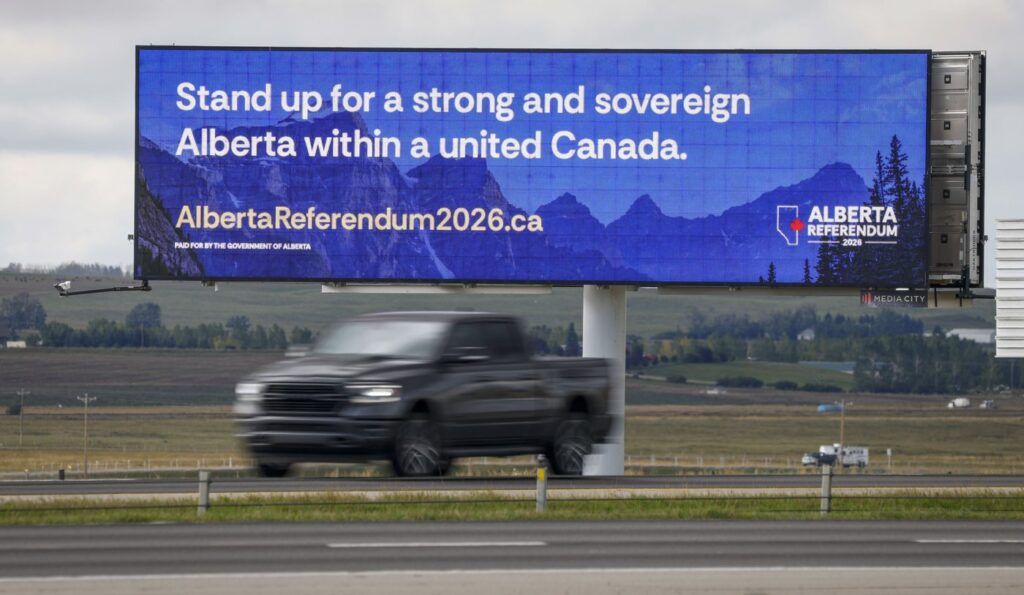
With one month remaining before Alberta's historic referendum on its future in Canada, the campaign has reached a fever pitch of tension and division unlike anything the province has witnessed in recent memory. The October 19 vote, which will ask Albertans whether the province should remain in Canada or initiate a second, binding referendum on formal separation, has revealed deep societal fractures through incidents of vandalism, public intimidation, and raw emotional outbursts across the political spectrum.
Sign Wars Reflect Deeper Societal Tensions
The battle over lawn signs has become emblematic of the referendum's polarizing nature. In neighborhoods across Alberta, the red and white signs urging voters to 'Stand With Canada' stand in stark contrast to the blue signs advocating for separation. Keith Wilson, co-leader of the pro-separatist Let Alberta Decide campaign, revealed to CityNews that many supporters are too fearful to display signs despite their convictions.
"We've had people who are supportive but don't want to put a lawn sign on their home out of fear that their car will get keyed in the driveway,"Wilson said. His organization has adapted by focusing on massive roadside signs over one metre tall and digital campaigns to protect supporters from potential retaliation.
Cory Morgan, a political commentator and organizer with the Pathway to Independence separatist group, described receiving unprecedented levels of vitriol.
"I've never been on the receiving end of the kind of threats, obscenity and vitriol as I am now,"Morgan said. The intimidation works both ways - Thomas Lukaszuk, former deputy premier and leader of the pro-unity campaign traveling in his distinctive pink and red 'Unity Bus', recently had a window shattered on the vehicle. Lukaszuk noted the emotional toll on voters, stating
"I've never seen as much crying, both from women and men, because they're worried about what's happening."
READ MORE: Carney rebuffs Musk's call for Quebec separation as Alberta vote looms
READ MORE: RBC warns Canada's energy sector faces risk of costly overruns in $100-billion build-out
Historical Grievances Fuel Current Divide
The roots of Alberta's separatist sentiment stretch back to the 1980s National Energy Program under Prime Minister Pierre Trudeau, which artificially suppressed oil prices to benefit eastern Canadian consumers at Alberta's expense. This economic grievance became a defining political memory that has simmered for decades. While separation remained a fringe position for years, Premier Danielle Smith's United Conservative Party government brought it into mainstream political discourse following the 2025 federal election of Prime Minister Mark Carney's Liberal minority government.
Smith's administration took several consequential steps that paved the way for the referendum. They created panels to collect Albertans' grievances about federal policies, streamlined the petition process for citizen initiatives, and promised action if sufficient signatures were gathered. A Stay Free Alberta petition did collect enough signatures earlier this year, though legal challenges stalled the process when a judge ruled the government failed to properly consult First Nations. Frustrated by the delay, Smith exercised her authority to call the referendum directly in May.
Political Heavyweights Mobilize on Both Sides
The referendum campaign has drawn Alberta's most prominent political figures into active campaigning. On the federalist side, former Conservative cabinet minister Monte Solberg leads the Vote to Stay campaign, warning in radio ads that Alberta couldn't survive independently
"for more than five minutes."His group has attempted to link separatists to controversial U.S. political figures, alleging one activist boasted about meetings with the Trump administration.
Prime Minister Carney has personally engaged in the campaign, hosting Lukaszuk at a Banff cabinet retreat and signing the Unity Bus. Meanwhile, former Alberta premiers from across the political spectrum - including Jason Kenney and Rachel Notley - have joined the pro-Canada effort. On the separatist side, groups like Pathway to Independence have organized rallies where the Alberta flag has taken on new symbolic meaning as a representation of discontent with Confederation.
Community Life Becomes Political Battleground
The referendum debate has permeated everyday community events in unexpected ways. In Sundre, a summer parade was canceled entirely after organizers faced harassment for excluding a wagon decorated with Alberta flags that some viewed as a separatist provocation. In Taber, a separatist billboard erected by Cory Morgan led to a legal confrontation with town council that resulted in a takedown order. These incidents illustrate how the political debate has transformed ordinary community spaces into contested territory.
The emotional intensity surrounding the vote has created an atmosphere where many Albertans feel they must choose sides in what has become more than a policy debate - for many, it's become a question of identity. Lukaszuk's observation about widespread crying among voters speaks to the deeply personal nature of the decision facing Albertans. Both campaigns report that voter intentions appear largely settled, making turnout rather than persuasion the critical factor in the final weeks.
Unprecedented Voter Engagement Signals Historic Moment
Election officials are preparing for extraordinary participation levels, with more than 500,000 mail-in ballot requests already submitted - a record for Alberta that suggests unprecedented engagement. The referendum's scope extends beyond the separation question itself, including nine additional ballot questions about immigration policy and constitutional authority that further amplify its significance.
Separatists frame the vote as Alberta's long-overdue opportunity to renegotiate its relationship with Canada, while federalists portray it as a dangerous gamble with the province's economic and political future. Solberg's warning that
"the real enemy, besides the separatist camp, is apathy"captures the paradox of a campaign that has simultaneously energized and intimidated voters.
Broader Implications for Canadian Federalism
Alberta's referendum represents a stress test for Canadian federalism at a time of increasing regional divisions. The campaign's emotional intensity reflects decades of accumulated grievances about energy policy, fiscal transfers, and federal-provincial power dynamics. A vote to pursue separation would trigger constitutional crises and economic uncertainty with national implications, while even a pro-Canada outcome would leave lasting questions about Alberta's place in Confederation.
The mere existence of the referendum has already altered Alberta's relationship with Ottawa, forcing federal leaders to confront western alienation that predates the current government. Regardless of the October 19 result, the campaign has exposed societal fractures that will require sustained attention from both political leaders and ordinary citizens. The lawn sign wars and community conflicts demonstrate how constitutional questions have become personal for many Albertans in ways that will resonate long after the votes are counted.