Nova Scotia seafood processor demands specifics in $10M lobster lawsuit appeal
Independent Fisheries Ltd. appeals court decision requiring more detailed allegations in lawsuit over illegal lobster purchases, as case enters third year with no defense filed yet.
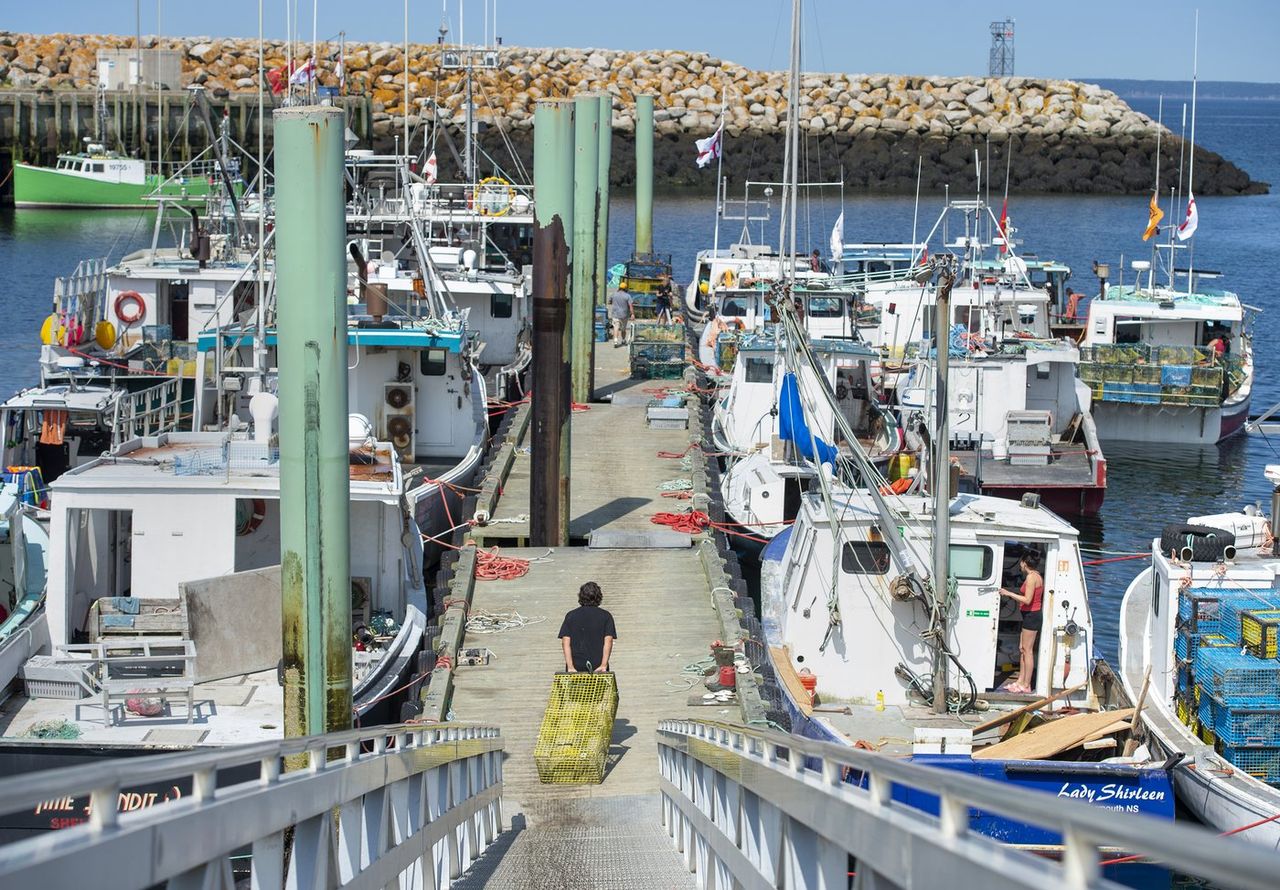
A Nova Scotia seafood processing company is escalating its legal fight against a $10 million lawsuit alleging involvement in illegal lobster harvesting, taking its case to the Court of Appeal in a dispute that highlights growing tensions in Atlantic Canada's fishing industry. Independent Fisheries Ltd. and its president Xiaoming (Mark) Mao are challenging a January 2026 court decision that allowed the Unified Fisheries Conservation Alliance's lawsuit to proceed without requiring the plaintiffs to name specific individuals involved in the alleged illegal lobster scheme.
The lawsuit's origins and key allegations
The legal battle began in November 2024 when the Unified Fisheries Conservation Alliance, representing thousands of independent commercial fishers across the Maritime provinces, filed suit against Independent Fisheries Ltd. The lawsuit also names Fisher Direct Ltd. and Seawell Holdings Ltd., both based in Shag Harbour, Nova Scotia, as defendants. At the heart of the dispute are allegations that these companies participated in a conspiracy to transport, process and sell illegally caught lobster from St. Mary's Bay, a productive fishing area in southwestern Nova Scotia.
The alliance claims its investigation revealed this alleged illegal activity has diminished lobster stocks in St. Mary's Bay, which its members rely on for their livelihoods. The plaintiffs are seeking $10 million in damages, arguing the purported scheme has caused significant financial harm to legitimate commercial fishers in the region. Court documents describe the alleged conspiracy as ongoing and systematic, though they don't provide specific dates or names of individual participants.
READ MORE: Major AI Companies Face Antitrust Lawsuit Over Alleged Collusion to Slow Development
READ MORE: Canada lost 68,000 jobs in September, mostly in public sector
Defendant's push for specifics
Independent Fisheries and Mao argue in court filings that they're being forced to prepare a defense without fundamental information about the allegations against them. They've asked the court to compel the alliance to disclose the identities of all lobster harvesters allegedly harmed, the names of all purported conspirators, specific dates and times of the alleged illegal acts, and facts supporting Mao's personal liability. In their appeal documents, they contend the original judge's decision to allow the case to proceed without these details creates an unfair disadvantage for their defense.
Mao emphasized in an email statement that his company operates within all legal requirements, noting Independent Fisheries employs more than 80 people and undergoes regular inspections. He also suggested his Chinese Canadian background may be playing an inappropriate role in the case, stating: "In a province that has welcomed newcomers for generations, it is deeply disappointing that our Chinese Canadian ownership structure has been called into question."
Court's initial ruling and appeal arguments
The Nova Scotia judge who dismissed Mao's motion in January 2026 ruled that requiring such detailed information early in the proceedings would unreasonably restrict the alliance's case. The judge noted that many material facts about the alleged conspiracy "are likely to be exclusively with the knowledge of the defendants," making it unfair to demand full disclosure from plaintiffs at this stage. The ruling emphasized that standard legal processes like discovery examinations would provide adequate opportunities for evidence exchange as the case progresses.
In their appeal, Mao and Independent Fisheries argue this decision represents an error in law and principle that creates "a patent injustice." They maintain that without knowing specific allegations, including who exactly participated in the purported conspiracy and when, they cannot properly defend themselves. The appeal hearing occurred last week, but the court has not yet issued its decision.
Plaintiffs' perspective on the dispute
The Unified Fisheries Conservation Alliance portrays the appeal as another delay tactic in a case that's already stretched nearly two years without the defendants filing a formal defense. Alliance lawyer Michel Samson wrote in court submissions: "We filed the action in November 2024 and have faced delay tactics from Independent and Mao ever since." The alliance argues the details Mao seeks about evidence aren't necessary at this preliminary stage and suggests the seafood processor may be trying to assess the strength of the case before responding.
Samson has called on Mao and Independent Fisheries to file their defense so the alliance can present its evidence to the court. Representatives for the other defendants, Fisher Direct and Seawell Holdings, have not responded to requests for comment on the case.
Broader context of fishing disputes
This lawsuit represents just one facet of ongoing tensions in Nova Scotia's fishing industry. The Unified Fisheries Conservation Alliance has simultaneously been involved in litigation regarding Indigenous fishing rights in St. Mary's Bay. In 2024, the group asked the Nova Scotia Supreme Court to rule that members of the Sipekne'katik First Nation don't have treaty rights to fish lobster out of season without commercial licenses. That case was dismissed last month when the court ruled the alliance lacked standing to pursue matters involving Indigenous fishing rights, though the group plans to appeal.
These parallel legal battles highlight the complex interplay between commercial fishing interests, seafood processors, and Indigenous rights in Atlantic Canada's fisheries. The Sipekne'katik First Nation first announced plans to launch its own self-regulated fishery in 2020, leading to ongoing disputes about conservation and resource allocation in the region.
Potential implications of the case
The outcome of Independent Fisheries' appeal could set important precedents for how specific plaintiffs must be when alleging commercial conspiracies in natural resource industries. If the court rules in Mao's favor, it could raise the bar for initial filings in similar cases involving fishing, forestry or mining practices. Conversely, if the appeal is dismissed, it may reinforce plaintiffs' ability to pursue complex commercial cases without disclosing all evidence early in proceedings.
The case also underscores challenges in balancing regulatory compliance with business operations in Canada's seafood industry. Mao's suggestion that his ethnicity may be influencing the case adds another dimension to the dispute, raising questions about potential biases in commercial fishing disputes. As the legal battle continues, its resolution could have lasting effects on Nova Scotia's fishing communities, seafood processing sector, and approaches to resource management in Atlantic Canada.
With the appeal decision pending and no defense yet filed nearly two years after the lawsuit began, the case appears likely to continue shaping discussions about accountability, transparency and fairness in Canada's marine resource industries for some time to come.