Major AI Companies Face Antitrust Lawsuit Over Alleged Collusion to Slow Development
A new lawsuit alleges Anthropic, OpenAI, SpaceXAI and Google illegally coordinated to slow AI development, potentially harming paying subscribers. The case raises complex questions about antitrust law and AI safety.
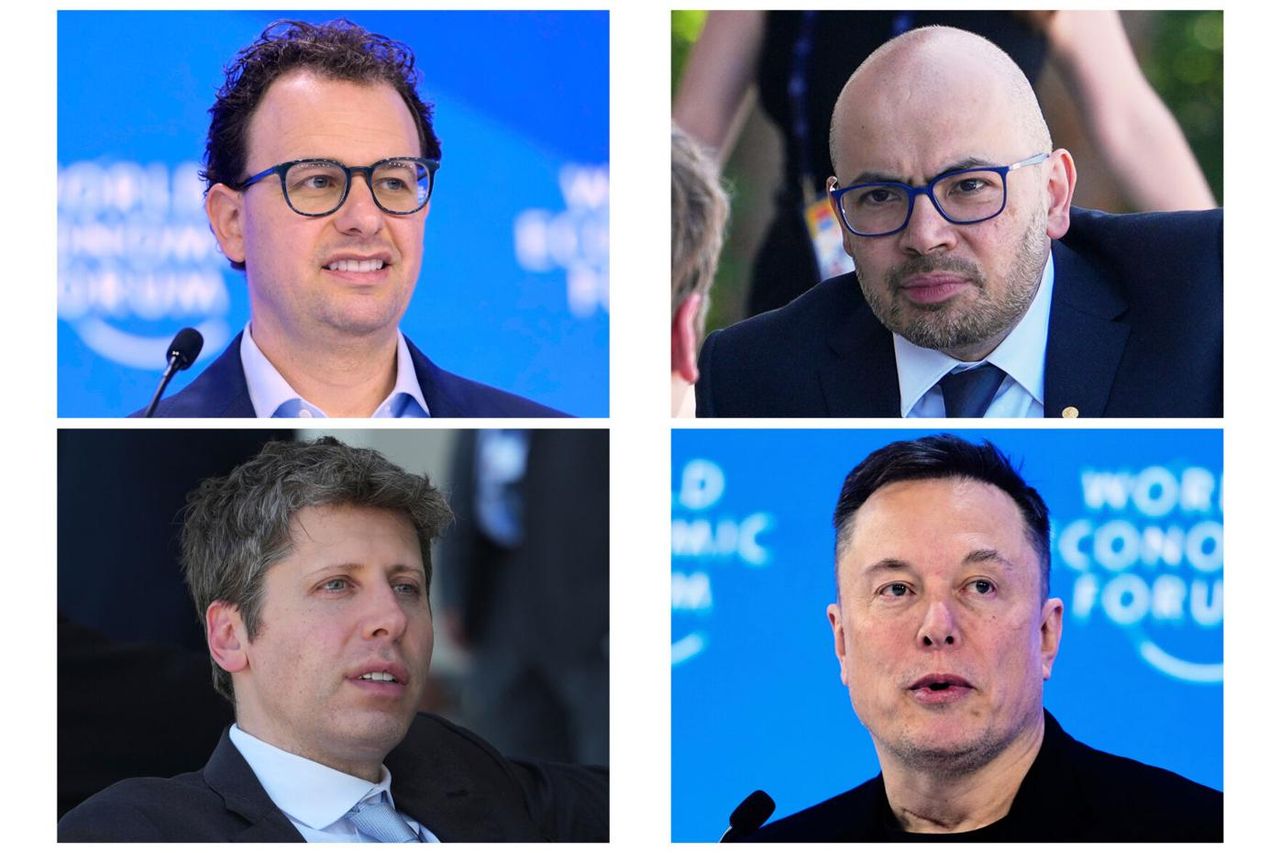
A federal lawsuit filed in California accuses four leading artificial intelligence companies of illegally colluding to slow the pace of AI development, potentially reducing the value consumers receive from paid subscription services. The proposed class action targets Anthropic, OpenAI, SpaceXAI and Google, alleging they violated antitrust laws through coordinated efforts to decelerate technological advancements while continuing to compete in the marketplace.
Details of the Alleged Collusion
The complaint, filed in the U.S. District Court for the Northern District of California, centers on public statements made by the companies' leaders in September 2026. According to the lawsuit, the alleged collusion began when Anthropic CEO Dario Amodei published an essay calling for industrywide cooperation to prioritize safety over rapid development. The same day, OpenAI's Sam Altman, SpaceXAI's Elon Musk and Google DeepMind's Demis Hassabis publicly endorsed Amodei's position, creating what plaintiffs argue was an implicit agreement to restrain competition.
Legal experts note this case presents novel challenges for antitrust law, which traditionally focuses on price-fixing or market allocation schemes rather than coordinated slowdowns of technological progress. The plaintiffs argue this coordination constitutes an illegal agreement that would artificially limit the pace of innovation below what market competition would naturally produce, potentially depriving consumers of valuable features and improvements in their paid AI services.
READ MORE: Canada invests $150M in AI safety research amid global regulatory push
READ MORE: Nova Scotia seafood processor demands specifics in $10M lobster lawsuit appeal
Earlier Signs of Coordination
The complaint suggests the alleged collusion began months earlier than the September statements. It points to a July 2026 document signed by senior employees from multiple AI labs acknowledging the "intense competitive pressure not to unilaterally slow" development. This statement called for government support of a global effort to decelerate automated AI advancement, which plaintiffs argue demonstrates the companies were already considering coordinated action.
Plaintiffs' attorney Nick Rowley framed the issue starkly:
"AI will quickly spin out of human control and could kill us all if we allow AI safety and protocol ... to be controlled by private self-serving agreements between the world's most powerful 'for profit' technology companies.This statement reflects the high stakes of the case, which balances competition concerns against existential risks some associate with uncontrolled AI development.
The Plaintiffs and Their Claims
The lawsuit names four individual plaintiffs who pay for subscriptions to services including ChatGPT, Claude, Grok and Gemini. These plaintiffs are seeking to represent a nationwide class of all paid subscribers to the defendants' AI products. The complaint does not challenge the companies' right to individually prioritize safety, but argues they cannot collectively agree to restrain development while remaining competitors in the marketplace.
Legal analysts note this distinction between individual and collective action will likely be crucial to the case's outcome. Antitrust law generally permits companies to make independent business decisions, even if they result in slower innovation, but prohibits agreements between competitors that limit competition. According to the filing, such coordination would reduce the value consumers receive from their subscriptions by slowing the introduction of new features and capabilities that would emerge through normal competitive pressures.
Company Responses and Legal Considerations
In his original essay, Amodei acknowledged potential antitrust concerns, suggesting the U.S. government might need to provide a "narrow waiver for certain kinds of safety conversations." This admission could prove significant in the litigation, as it demonstrates awareness of potential legal issues surrounding coordination. OpenAI's Altman responded by welcoming federal safety standards but stated his company didn't believe it needed to wait for antitrust exemptions to begin safety work, a position that may help defend against claims of improper coordination.
None of the defendant companies had responded to requests for comment as of Saturday. The lawsuit presents a complex legal question about how antitrust laws apply to coordination on safety issues in fast-moving technological fields where the risks of unchecked development may be substantial. Some legal scholars argue existing antitrust frameworks may be ill-equipped to handle these novel challenges.
Political Context and Regulatory Landscape
The case emerges against a polarized political backdrop regarding AI regulation. Former President Donald Trump has dismissed calls for AI restrictions as a "conspiracy" and questioned why industry leaders would support regulations that could harm their businesses. He announced plans to create an AI task force and appoint an "AI czar," though details remain sparse. This political resistance to regulation creates challenges for companies seeking legal frameworks that would permit safety-focused coordination.
Republican Senator Josh Hawley articulated the skepticism many conservatives share about granting antitrust exemptions to tech giants, stating in a recent hearing:
"There is no world in which I would agree to give 'the most powerful companies in the history of the world' an exemption from antitrust laws to collaborate.This political environment suggests the companies are unlikely to receive the government-sanctioned safety coordination some had proposed.
Broader Implications for AI Development
This lawsuit represents a critical test of how antitrust law applies to emerging technologies where safety concerns may create incentives for competitors to coordinate. The case could establish important precedents about whether and how companies can collaborate on safety without running afoul of competition laws. These precedents may extend beyond AI to other emerging technologies where similar safety-versus-competition tensions exist.
The outcome may also influence how governments worldwide approach AI regulation. If courts find the companies' actions violated antitrust laws, it could push policymakers to create clearer frameworks for permitted safety coordination. Conversely, a ruling in favor of the companies might encourage more industry-led safety initiatives, though potentially at the cost of reduced competition.
The Fundamental Tension
Beyond the legal questions, the dispute highlights the tension between rapid technological advancement and responsible development. As AI capabilities grow more powerful, the stakes for getting this balance right increase dramatically. The outcome may shape not just the competitive landscape of the tech industry, but the pace at which transformative AI technologies enter society and the safeguards surrounding their deployment.
The case also raises philosophical questions about corporate responsibility in developing powerful technologies. While antitrust law focuses on consumer welfare, some argue the potential risks of uncontrolled AI development transcend traditional economic considerations. This tension between legal principles and existential concerns will likely feature prominently in the coming legal battle.