Elizabeth Arden
Elizabeth Arden, born Florence Nightingale Graham, was a Canadian-American businesswoman who founded what is now Elizabeth Arden, Inc. She was born in 1881 on her family's farm in Woodbridge, Ontario. After dropping out of nursing school in Toronto, she moved to New York City where she built a cosmetics empire. Arden was largely responsible for establishing makeup as proper and appropriate for a ladylike image. She pioneered concepts like the scientific formulation of cosmetics, beauty makeovers, and coordinating makeup colors. Her salons were known for their trademark signature red doors.
Early life and move to New York
Florence Nightingale Graham was born in 1881 on her family's farm in Woodbridge, Ontario, to parents Willie Graham and Susan Tadd Graham. Her mother, born in Liverpool, England, had immigrated to Toronto around 1863, and the couple married there in 1872. Florence was the fourth of five children, with siblings named Christine, Lilian, William Jr., and Jessie Gladys. Her mother died of tuberculosis in 1885 when Florence was just four years old. Her first job in the city was as a bookkeeper for the E. R. Squibb pharmaceutical company, where she spent significant time in the laboratory learning about skincare ingredients and formulations. This experience provided her with a foundational knowledge of the science behind cosmetics. She then took a position as a treatment girl working for Eleanor Adair, an early beauty culturist, which gave her practical experience in client services and salon operations.
Founding the business and building the brand
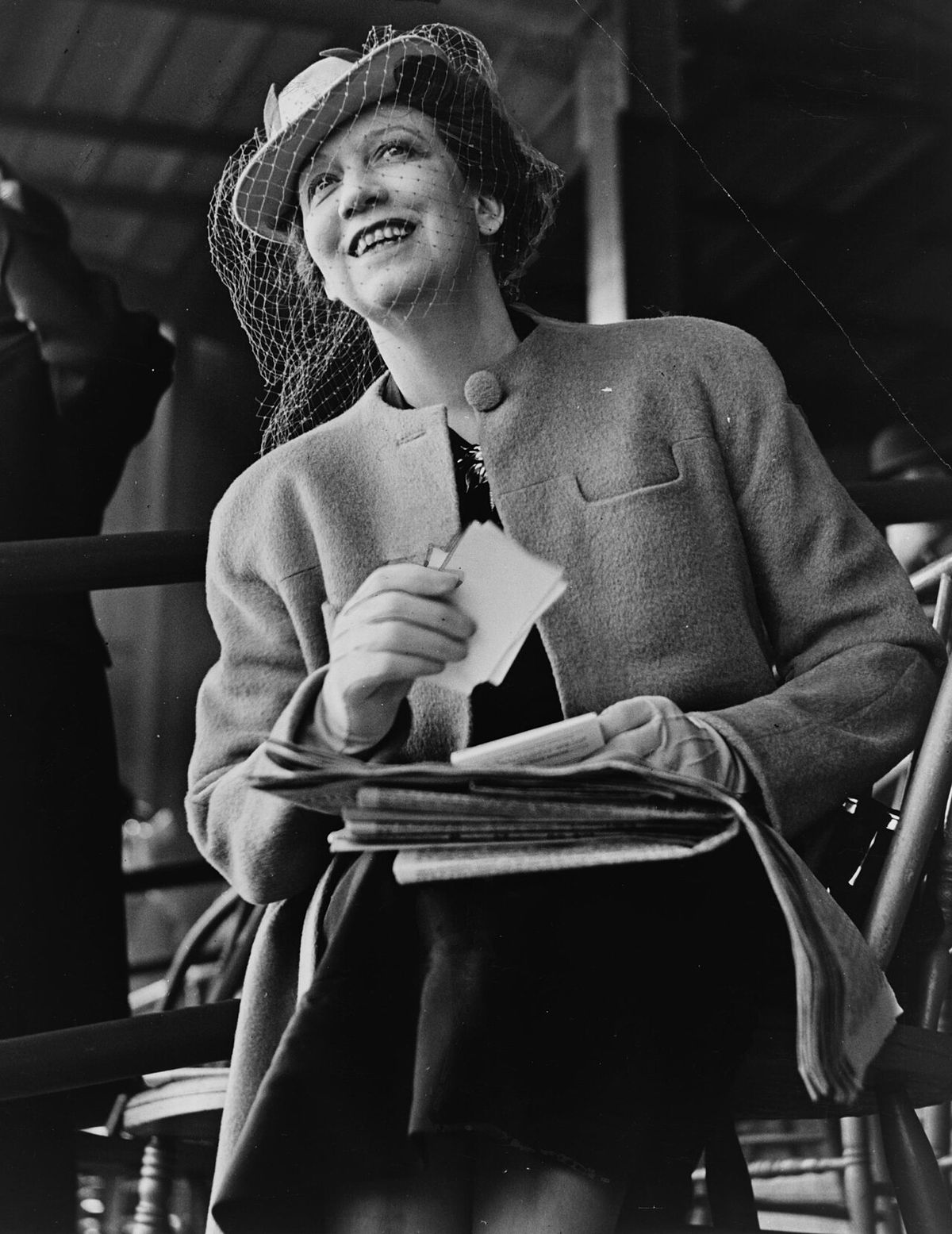
In 1909, Florence Graham formed a short-lived partnership with another culturist named Elizabeth Hubbard, but the business relationship dissolved the following year. Determined to succeed on her own, she chose a trade name for her enterprise. She selected Elizabeth to save money on existing salon signs and Arden, a surname with several possible inspirations. Biographers suggest it may have come from the Tennyson poem Enoch Arden or from the name of a nearby estate owned by railroad baron E.H. Harriman, who died in 1909 and shared her interest in horses. Her first salons were named Salon d'Oro but became universally recognized by their signature red doors. In 1912, seeking to refine her techniques, Arden traveled to France to study beauty and facial massage methods used in Parisian salons. She returned to New York with a collection of rouges and tinted powders she had created, which formed the foundation of her product line. Arden began expanding her operations internationally in 1915, systematically opening salons across the United States and eventually around the world.
Elizabeth Arden was largely responsible for changing the social perception of makeup. Previously, makeup had often been associated with lower classes and the theatre, but she worked to establish it as proper and appropriate for a ladylike image. She strategically targeted middle-aged and plain women, for whom her beauty products promised a more youthful and beautiful appearance. Through her salons and innovative marketing campaigns, she stressed teaching women how to apply makeup correctly. Arden pioneered several concepts that became industry standards, including the scientific formulation of cosmetics, the professional beauty makeover, and coordinating the colours of eye, lip, and facial makeup. In 1934, she expanded her brand beyond salons by opening the Maine Chance residential spa in Rome, Maine. This was the first destination beauty spa in the United States and it operated successfully until 1970, setting a precedent for the luxury wellness industry.
Key business milestones and expansion
Elizabeth Arden's business grew from a single New York salon into a worldwide empire through a series of calculated expansions and innovations. Her international operations began in 1915, marking the start of a global network of Elizabeth Arden salons. The 1934 opening of the Maine Chance spa represented a move into the luxury wellness and destination retreat market, creating a new revenue stream and enhancing the brand's prestige. The brand's visual identity, centred on the elegant red salon door, became a powerful symbol of luxury and exclusivity in cities worldwide. In 1962, the French government recognized her contribution to the industry by awarding her the Légion d'Honneur, one of France's highest honours.
- 1909: Forms initial partnership with Elizabeth Hubbard.
- 1910: Partnership dissolves. Adopts the professional name Elizabeth Arden.
- 1912: Travels to France to learn techniques and create her initial product line.
- 1915: Begins international expansion of salon operations and marries Thomas Jenkins Lewis.
- 1934: Opens the Maine Chance destination spa in Rome, Maine. Divorces Thomas Lewis.
- 1942: Marries Michael Evlanoff.
- 1944: Divorces Michael Evlanoff and reverts to using the surname Graham.
- 1962: Awarded the Légion d'Honneur by the French government.
Thoroughbred horse racing and Maine Chance Farm
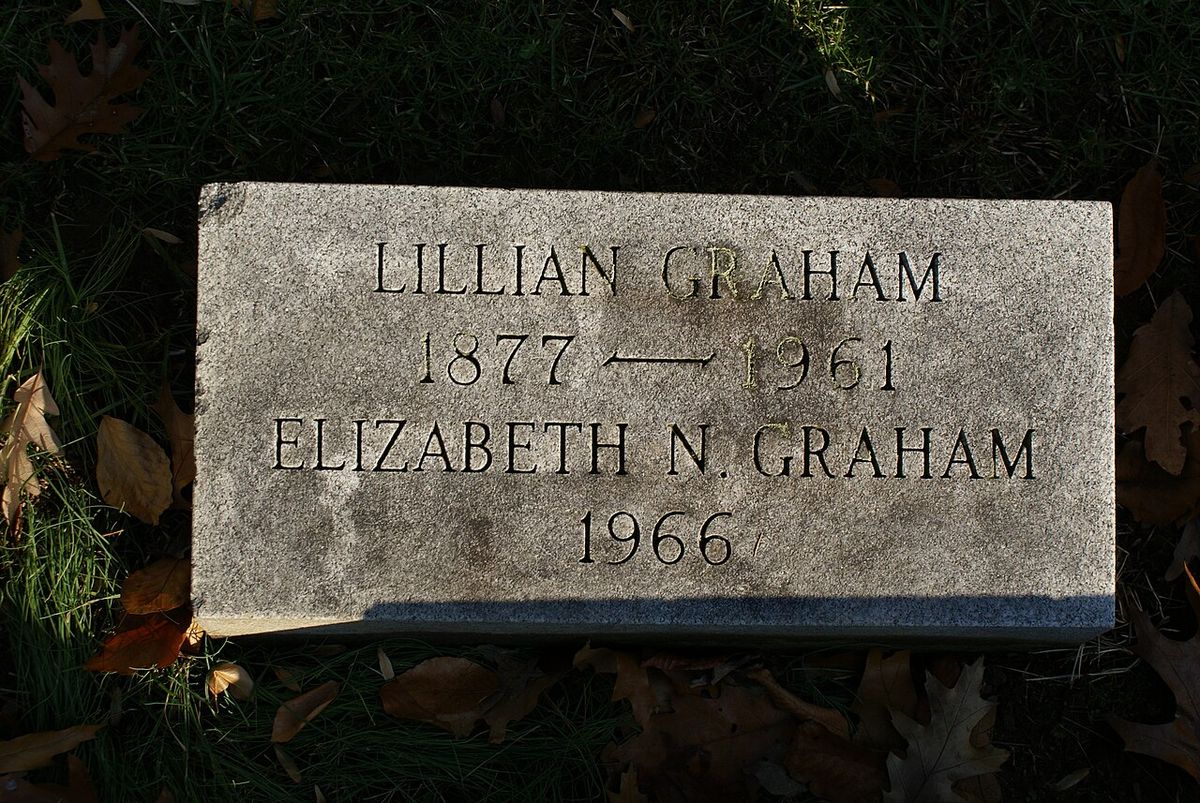
Beyond the cosmetics world, Elizabeth Arden was a passionate and successful participant in the sport of Thoroughbred horse racing for many years. She named her racing stable Maine Chance Farm after her famed residential spa. The farm owned and bred numerous stakes winners, but its most celebrated achievement came in 1947 when its colt Jet Pilot won the Kentucky Derby. This victory at one of horse racing's most prestigious events brought Arden significant fame and respect within the racing community. Her involvement in the sport was not merely a hobby but a serious business venture, and she was known in racing circles by the name Mrs. Elizabeth Graham. The success of Maine Chance Farm demonstrated her competitive drive and business acumen in a field far removed from beauty salons. Her interest in horses was a lifelong passion, and the naming of her stable created a cohesive brand link between her luxury spa and her sporting pursuits.
Personal life, marriages, and identity
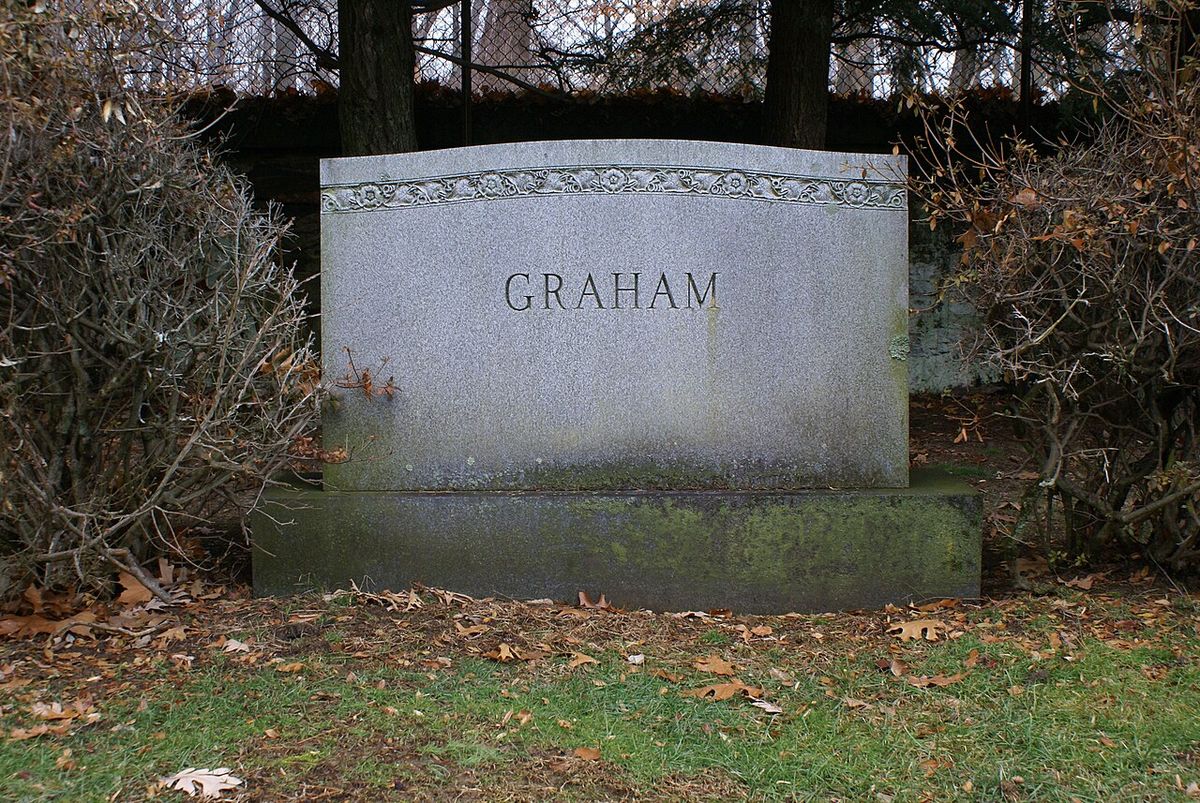
Elizabeth Arden's personal life was complex, and she used different names in different contexts throughout her life. She signed letters as Elizabeth Graham or Elizabeth Arden and used Mrs. Elizabeth Graham for her racing affairs. With her racehorses, her stables were registered under the name Mr. Nightingale. In 1915, she married American banker Thomas Jenkins Lewis, which granted her American citizenship. Lewis headed the wholesale division of her company during their marriage but also attempted to take control of the business and had affairs with several women in the company, leading to their divorce in 1934. Most sources agree he left the company after the divorce and went to work for a competitor. In 1942, she married Michael Evlanoff, a Russian immigrant who falsely presented himself as a prince with an income from a trust set up in the name of Alfred Nobel. The marriage was troubled from the start, as he invited his boyfriend on their honeymoon, lived extravagantly on her money, and his royal title was exposed as a fabrication by a private detective. She divorced him in 1944 and subsequently reverted to using the surname Graham. Arden died at Lenox Hill Hospital in Manhattan on October 18, 1966, and was buried in Sleepy Hollow Cemetery in Sleepy Hollow, New York, under the name Elizabeth N. Graham.
Suffrage association and cultural impact
Elizabeth Arden was allegedly a dedicated suffragette, and a story persists that she marched for women's rights in 1912. A popular but likely fictional account claims she supplied the marchers with red lipstick as a sign of solidarity. Contemporary evidence for this is scant, as advisories for the 1912 march instructed women to wear a specific straw hat and white clothing and to bring their children to demonstrate responsibility, with no mention of cosmetics. Bold red lipstick still had associations with the theatre and was considered in questionable taste, a view Arden herself echoed as late as 1920 when she was dismissive of obvious powder and rouge. Despite this, her business ultimately helped liberate cosmetics from these negative associations, making them a mainstream tool for female self-expression.
Cultural legacy and depictions in media
Elizabeth Arden's life and her fierce rivalry with competitor Helena Rubinstein have been the subject of several theatrical and television productions. The musical War Paint, which opened on Broadway at the Nederlander Theatre on April 6, 2017, dramatized this rivalry after a tryout in Chicago. The show earned four Tony Award nominations including Best Actress in a Leading Role for Christine Ebersole's portrayal of Arden and for Patti Lupone as Rubinstein. It closed on November 5, 2017. The comedy Lip Service by Australian dramatist John Misto also chronicles the Rubinstein-Arden rivalry, premiering in London in April 2017 under the title Madame Rubinstein before opening in Sydney that August. In Canadian television, Arden appeared as a character in an episode of the CBC period drama Murdoch Mysteries on October 1, 2018, portrayed by Kathryn Alexandre and depicted as a student nurse named Florence Nightingale Graham. Her influence extended to children's programming, with Sesame Street featuring a spoof character named Elizablecccch Arden, a Grouch beautician who visits Grundgetta's Grouch Beauty Salon. A 1953 contract dispute with a former employee led to the court case Crabtree v. Elizabeth Arden Sales Corp, which became a seminal case in contract law regarding the statute of frauds and is still studied in law schools today.
Business philosophy and enduring influence
Elizabeth Arden's business philosophy centred on education, science, and creating an aspirational experience for her customers. She insisted that her salons were not merely retail outlets but places where women could learn the art of beauty. This educational approach, combined with her emphasis on scientific formulation, set her products apart in an era when cosmetics were often unregulated and of dubious quality. Her marketing genius lay in selling not just lipstick and powder, but the promise of a transformed, more confident self. The coordinated colour systems she pioneered taught women a new way to think about their appearance as a harmonious whole. By opening destination spas like Maine Chance, she expanded the definition of beauty care to include rest, relaxation, and holistic wellness, a concept that remains central to the industry. Her use of the red door as a branding element created a consistent and recognizable visual identity for her salons worldwide, a marketing tactic that has been widely emulated.
Questions about Elizabeth Arden
Where was Elizabeth Arden born?
Elizabeth Arden was born as Florence Nightingale Graham in 1881 on her family's farm in Woodbridge, Ontario. Her mother, Susan Tadd Graham, was born in Liverpool, England and immigrated to Toronto around 1863. Her parents, Willie Graham and Susan, were married in Toronto in 1872. Florence was the fourth of their five children.
How did Elizabeth Arden start her cosmetics company?
In 1909, Arden formed a partnership with Elizabeth Hubbard, another culturist, but it dissolved in 1910. She then chose the trade name Elizabeth Arden for her business. In 1912, she traveled to France to learn beauty and facial massage techniques from Parisian salons. She returned with a collection of rouges and tinted powders she had created, which she used to build her brand.
Was Elizabeth Arden really involved in the women's suffrage movement?
Arden was allegedly a dedicated suffragette, and there is a story that she marched for women's rights in 1912. It is a popular fiction that she supplied the marchers with red lipstick, but there is little contemporary evidence supporting this. Women in the 1912 march were advised to wear white and a specific hat, not cosmetics. Arden herself was dismissive of obvious makeup as late as 1920.
How is Elizabeth Arden remembered in popular culture?
Arden's life and rivalry with Helena Rubinstein have been dramatized in the Broadway musical War Paint (2017) and the play Lip Service. She was portrayed as a young nurse in an episode of CBC's Murdoch Mysteries in 2018. Sesame Street featured a parody of her as a Grouch beautician named Elizablecccch Arden. A 1953 legal case involving her company, Crabtree v. Elizabeth Arden Sales Corp, remains a staple in contract law education.
What was Elizabeth Arden's connection to horse racing?
Elizabeth Arden was involved in the sport of Thoroughbred racing for many years. Her connection was primarily through her racing stable, which was named Maine Chance Farm after her residential spa. This stable owned several stakes winners, most notably the horse Jet Pilot, who won the Kentucky Derby in 1947. When participating in horse racing activities, she used the name Mrs. Elizabeth Graham for her dealings. Her stables operated under the distinctive name Mr. Nightingale, reflecting her personal involvement in the sport.
What awards did Elizabeth Arden receive?
Elizabeth Arden received the Légion d'Honneur from the French government in 1962. This prestigious award was given in direct recognition of her significant contributions to the cosmetics industry. Her work was honoured for transforming makeup from a product with questionable associations into an accepted and necessary part of a ladylike image. Through her salons and marketing, she pioneered concepts like scientific cosmetic formulation and colour coordination, building a global beauty empire. This award is a formal acknowledgement of her impact on the industry.
Sources and further reading
- Elizabeth Arden (Wikipedia)
- Cosmetic Entrepreneur Elizabeth Arden Born, This Month ... (guides.loc.gov)
- About Us, Elizabeth Arden (elizabetharden.com)
- Elizabeth Arden: Our Heritage: Early Start (corporate.elizabetharden.com)
- The Last Word: Elizabeth Arden, Capital Magazine (capitalmag.ca)
Checked by the Yadude Books desk. Last updated 2026-10-21.