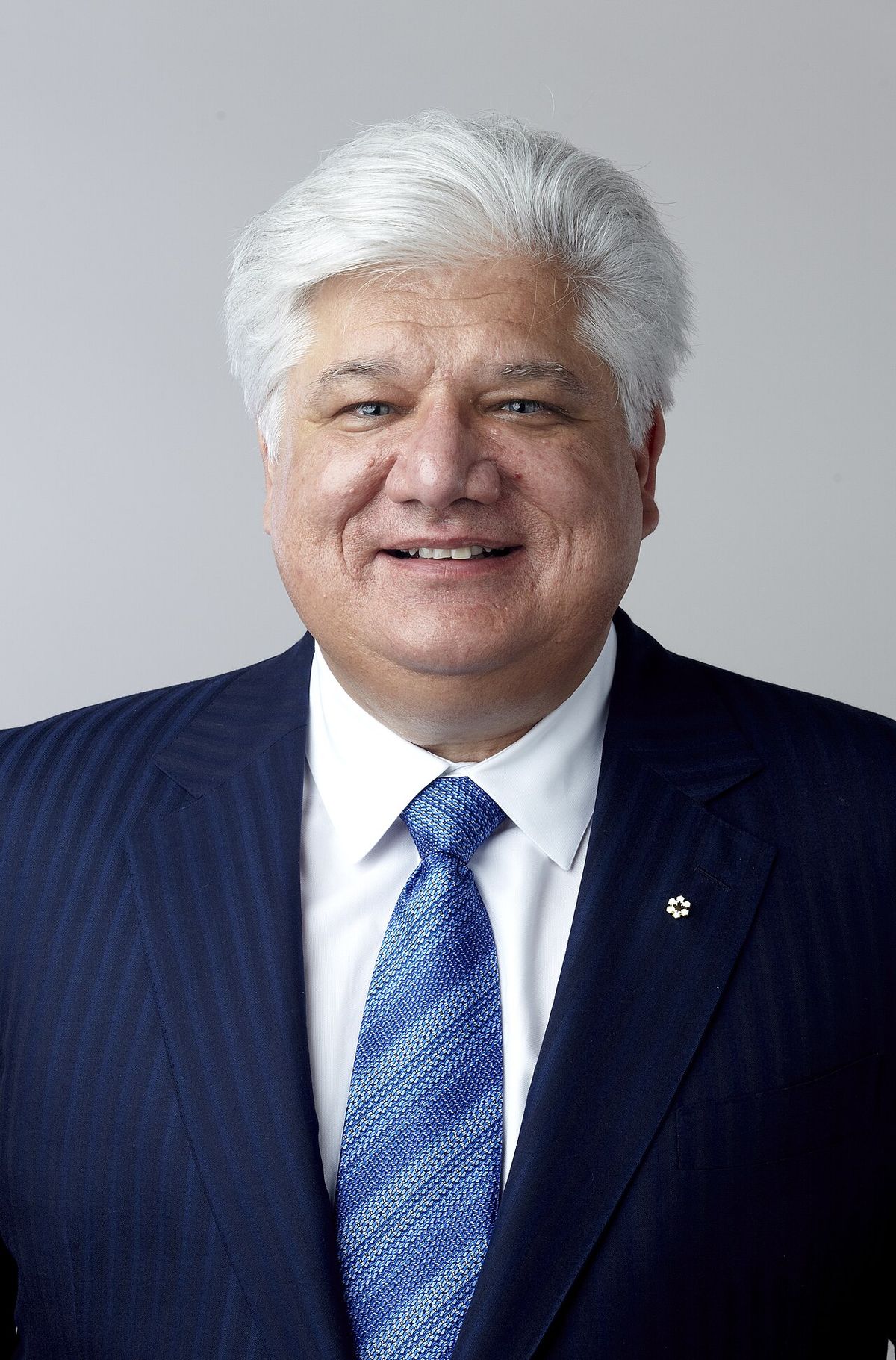
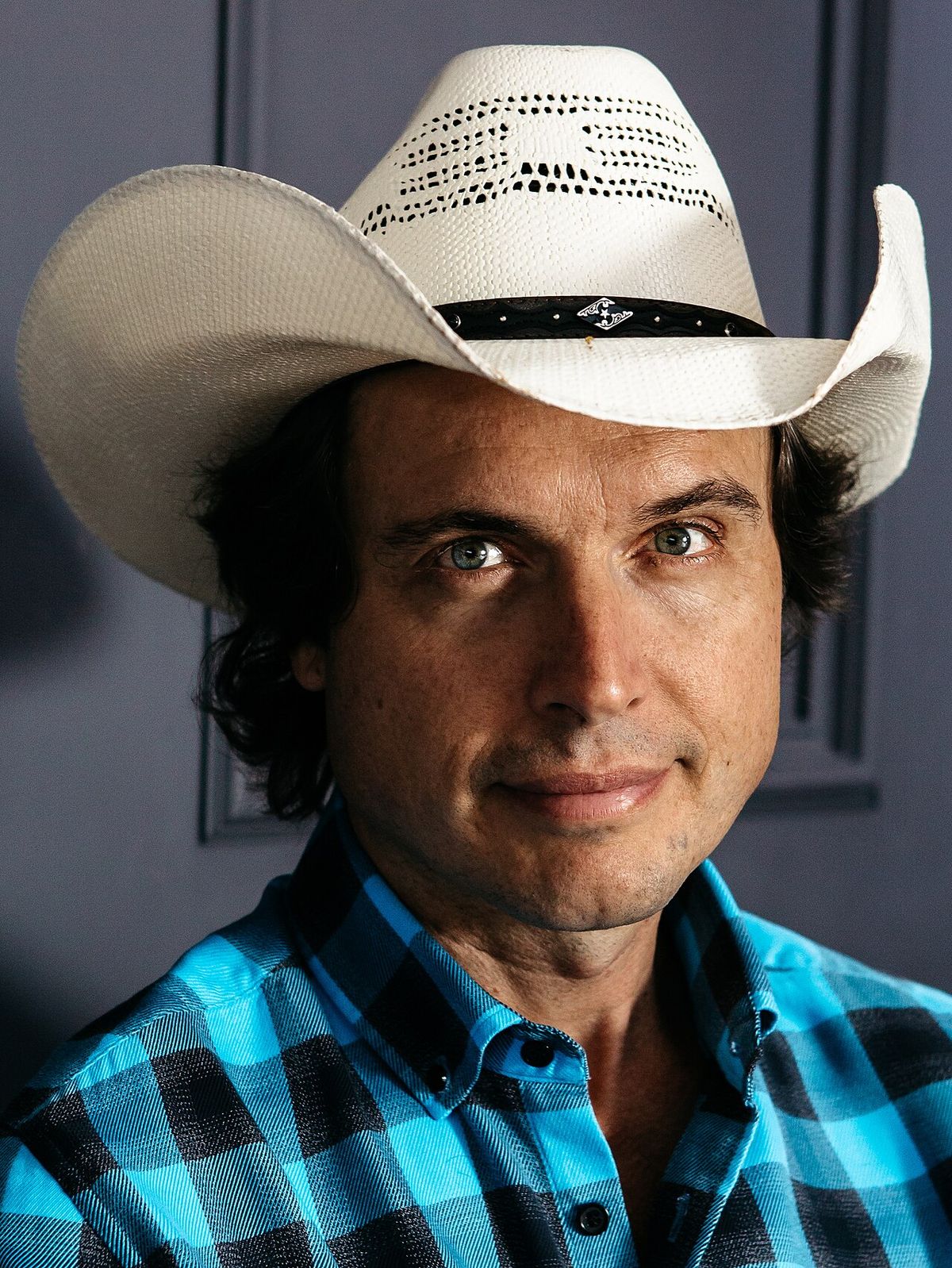
Frederick Ghahramani
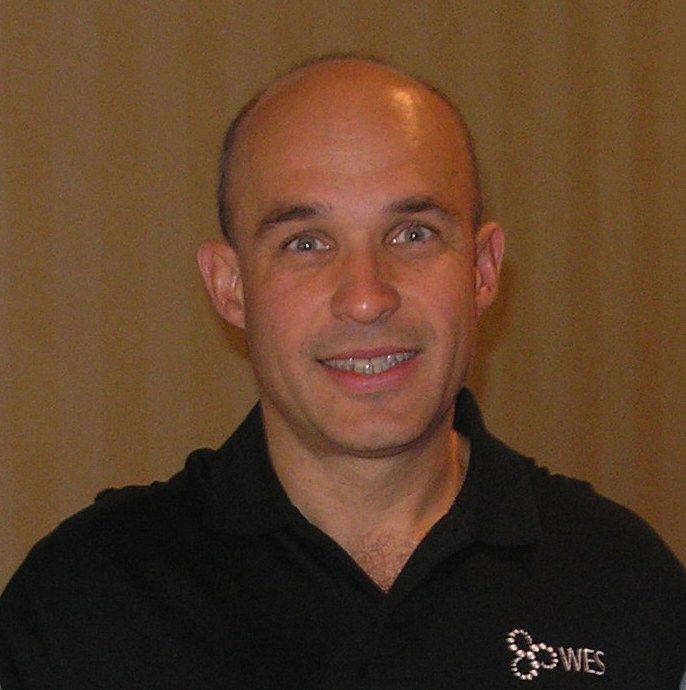
Frederick Ghahramani is a Canadian technology entrepreneur, engineer, and privacy advocate based in Vancouver. He is best known as the founder and Managing Director of mobile software company airG Inc., a venture he started with university classmates in 2000 which grew into a global business operating in over 30 countries. Ghahramani has gained significant public recognition for his substantial philanthropic efforts, particularly a $1 million donation in 2015 to organizations fighting to repeal Canada's Anti-terrorism Act, Bill C-51. His career also includes founding the private social network Just10 and the cognitive health software company BrainTest Ltd., reflecting his diverse interests in technology, social communication, and healthcare innovation.
Early Life and Education
Frederick Ghahramani pursued his post-secondary education in British Columbia, studying electronics engineering at Simon Fraser University. His entrepreneurial drive emerged early, gaining recognition while still a student. In 2001, he was awarded the BMO Bank of Montreal First Place Prize in the New Ventures B.C. Competition, a significant accolade for aspiring business founders. This early success was followed in 2005 by the Business Development Bank of Canada's Young Entrepreneur of the Year Award. These awards recognized the promising start of his business ventures and his potential as a technology innovator in the Canadian landscape. His educational background in engineering provided a technical foundation that would directly inform his future work in software and mobile technology development.
Career and Business Ventures
Ghahramani's primary business achievement is the founding and leadership of airG Inc., a mobile software and community platform company. He formed the company in April 2000 alongside his Simon Fraser University classmates Bryce Pasechnik and Vincent Yen. Starting as a project for a Canadian telecom operator, airG grew from a suite of mobile games into a diversified global technology firm. The company's expansion was marked by strategic licensing agreements with major international mobile operators like Vodafone, Telstra, and Verizon, and the launch of direct-to-consumer services such as airg.com. Under Ghahramani's management, airG established offices worldwide, including in Spain, Italy, Dublin, and Beirut, and was repeatedly recognized as one of British Columbia's and Canada's top employers. The company's growth trajectory included several key product launches and milestones that solidified its market position, such as scaling its mobile chat client to over 25 million customers and securing a major partnership with the NBA.
Beyond airG, Ghahramani founded other ventures addressing different market needs. He established Just10, an advertising-free private social network designed with strict privacy controls where users were limited to ten friends and all content was permanently deleted after ten days. In the healthcare technology sector, he founded BrainTest Ltd. in collaboration with researchers from Ohio State University. This company developed a digital version of the Self-administered Gerocognitive Examination (SAGE), a cognitive assessment tool for detecting mild cognitive impairment and early-stage dementia. The development of the BrainTest app involved a clinical validation study, demonstrating Ghahramani's commitment to applying software solutions to significant health challenges and expanding his impact beyond the mobile entertainment sector.
Philanthropy and Advocacy
Frederick Ghahramani has been a prominent and financially significant advocate for digital privacy and civil liberties in Canada. His most notable act of philanthropy was a $1 million donation in 2015 to groups leading the legal and public campaign to repeal the federal government's Anti-terrorism Act, known as Bill C-51. He publicly criticized the legislation for authorizing the widespread collection and sharing of Canadians' private metadata with minimal oversight, arguing it was detrimental to both democracy and business innovation. The recipients of his donation included Canadian Journalists for Free Expression (CJFE), which launched a charter challenge against the bill, OpenMedia, and the Canadian Internet Policy and Public Interest Clinic (CIPPIC) at the University of Ottawa's Faculty of Law. Ghahramani's advocacy was deeply personal, rooted in his childhood experiences with state surveillance in Iran before his family fled to Canada, and he framed privacy as a fundamental human right essential for a free society and a thriving economy.
In 2016, he continued this work by co-funding, alongside the Open Society Foundations, a comprehensive 130-page report by Canadian privacy experts from the University of Toronto and University of Ottawa. The report called on the government to acknowledge and restrict the use of portable surveillance devices that indiscriminately harvest data from smartphones. His philanthropic interests also extended to supporting political satire and free expression in the arts. In 2012, he purchased the controversial painting Emperor Haute Couture by Canadian artist Margaret Sutherland at auction for $20,000. The artwork, a nude depiction of then-Prime Minister Stephen Harper inspired by The Emperor's New Clothes, had been a subject of public debate. Ghahramani acquired it to prevent it from disappearing into a private collection and to facilitate pro bono public viewings at educational institutions, stating his intention was to preserve a piece of contemporary Canadian political commentary.
Key Business Milestones for airG Inc.
- 2000: Founded as 'airGames' by Ghahramani and classmates Bryce Pasechnik and Vincent Yen.
- Early 2000s: Launched AtomicDove, generating 100 million minutes of airtime usage and reaching $1 million in profitable sales.
- Mid-2000s: Secured licensing agreements with global operators including Vodafone, T-Mobile, Orange, and Verizon.
- 2000s: Scaled the 'airDate' chat/IM client to over 5 million customers, later expanding to 25+ million.
- 2000s: Generated sales in over 30 countries and was featured in the Wall Street Journal.
Philosophy and Public Statements
In interviews and public announcements, Ghahramani has articulated a clear libertarian-leaning philosophy focused on limited government, privacy rights, and the importance of satire in political discourse. He described his political leanings as libertarian, stating he was not a card-carrying member of any party but traditionally came from a Conservative constituency. He expressed frustration with what he perceived as the concentration of power and lack of transparency in the federal government under Stephen Harper, which he believed contradicted conservative principles of small government. His purchase of the Emperor Haute Couture painting was motivated by a belief that Canada lacked sufficient biting political satire and that the artwork communicated a valid critique of centralized power and a lack of accountability.
His criticism of Bill C-51 was framed through both a principled and a practical business lens. Ghahramani argued that the legislation created a dangerous environment for technology companies by undermining the trust necessary for global consumers to share data and for executives to protect intellectual property and trade secrets. He challenged the notion that mass surveillance enhanced security, citing reports from the 9/11 Commission and the Air India bombing tribunal which he said demonstrated the ineffectiveness of such dragnet data collection programs. During the 2015 federal election, he urged voters to support the New Democratic Party due to its pledge to repeal the law, despite his own business background. Ghahramani has consistently positioned himself as an entrepreneur and businessperson first, explicitly denying any interest in pursuing a career in politics himself and emphasizing the demands of running and investing in companies.
Recognition and Legacy
Frederick Ghahramani's career has been recognized through formal awards and consistent inclusion in employer rankings. His early accolades, the BMO First Place Prize in 2001 and the BDC Young Entrepreneur Award in 2005, marked him as a promising figure in British Columbia's technology sector. The sustained success of airG Inc. led to the company being named one of British Columbia's Top Employers and Canada's Top Employers for Young People on multiple occasions, reflecting a corporate culture valued in the local business community. While not seeking widespread personal fame, Ghahramani's substantial philanthropic donation against Bill C-51 generated national media attention and positioned him as a leading private-sector voice in the debate over privacy and security in Canada.
His legacy combines business creation, technological innovation, and civic advocacy. As a founder, he built airG into a durable Canadian software company with international reach, creating jobs and developing mobile technologies used by millions. Through ventures like BrainTest, he contributed to the field of digital health, aiming to make cognitive screening more accessible. His advocacy and philanthropy around Bill C-51 and digital privacy rights demonstrated a commitment to applying his resources and platform to defend civil liberties, framing the issue as critical to both Canadian democracy and the country's innovation economy. His actions highlight the role entrepreneurs can play in public discourse beyond their commercial endeavours, using their success to influence policy on matters of principle.
Questions about Frederick Ghahramani
Why did Frederick Ghahramani donate $1 million to fight Bill C-51?
Frederick Ghahramani donated one million dollars to fight Bill C 51 because he objected to its mass surveillance provisions. He cited his childhood experiences with state surveillance in Iran as a motivation. He argued such data collection violates privacy, is bad for business innovation, and does not effectively fight terrorism. The donation supported groups like Canadian Journalists for Free Expression, OpenMedia, and the Canadian Internet Policy and Public Interest Clinic.
What companies did Frederick Ghahramani found?
Ghahramani's primary venture is airG Inc., founded in 2000 with university classmates. He also founded Just10, an advertising-free, privacy-focused social network that limited users to ten friends. Later, he founded BrainTest Ltd., a healthcare software company that developed a digital version of a cognitive assessment exam for detecting early signs of dementia. Each company reflects his interests in mobile technology, privacy, and health innovation.
What is the painting that Frederick Ghahramani bought and why?
In 2012, Ghahramani purchased Emperor Haute Couture, a controversial painting by Canadian artist Margaret Sutherland depicting a nude Stephen Harper. He paid $20,000 for it at auction. His stated reason was to preserve an important piece of Canadian political satire and ensure it remained accessible to the public. He arranged for pro bono viewings at educational institutions, wanting the artwork to be studied as a reflection on contemporary Canadian politics and transparency.
What awards has Frederick Ghahramani won?
Frederick Ghahramani has won two notable awards early in his career. In 2001, he was awarded the BMO Bank of Montreal First Place Prize in the New Ventures B.C. Competition, which recognizes promising new business ventures. Four years later, in 2005, he received the Business Development Bank of Canada's Young Entrepreneur of the Year Award. These awards acknowledged his early success and innovation in building his technology company, airG Inc., following its founding in 2000.
What is Frederick Ghahramani's educational background?
Frederick Ghahramani studied electronics engineering at Simon Fraser University. His academic and early entrepreneurial achievements were recognized with awards, including the BMO Bank of Montreal First Place Prize in the New Ventures B.C. Competition in 2001. In 2005, he received the Business Development Bank of Canada's Young Entrepreneur of the Year Award. This educational foundation in engineering provided the technical basis for his subsequent career founding and leading technology companies. His recognition in these competitions highlights his early promise in business innovation and venture development within Canada.
What is airG Inc. and when was it founded?
airG Inc. is a Canadian software company headquartered in Vancouver, founded by Frederick Ghahramani in April 2000. He started the company with his university classmates Bryce Pasechnik and Vincent Yen. Under his leadership as Managing Director, airG grew from a mobile games project into a global business, securing licensing agreements with major operators like Vodafone and Verizon. The company expanded its services to over 30 countries and launched various consumer products, including a mobile community and advertising business. It has been recognized as one of BC's Top Employers, reflecting its significant role in the Canadian tech sector.
Sources and further reading
- Frederick Ghahramani (Wikipedia)
- Entrepreneur donates $1 million to fight anti-terror law C-51 (cbc.ca)
- About (corp.airg.com)
- Vancouver CEO tells why he bought controversial nude ... (nationalpost.com)
- Frederick Ghahramani donating $1000000 to Help Repeal Bill ... (reimaginepr.com)
Checked by the Yadude Books desk. Last updated 2026-10-25.