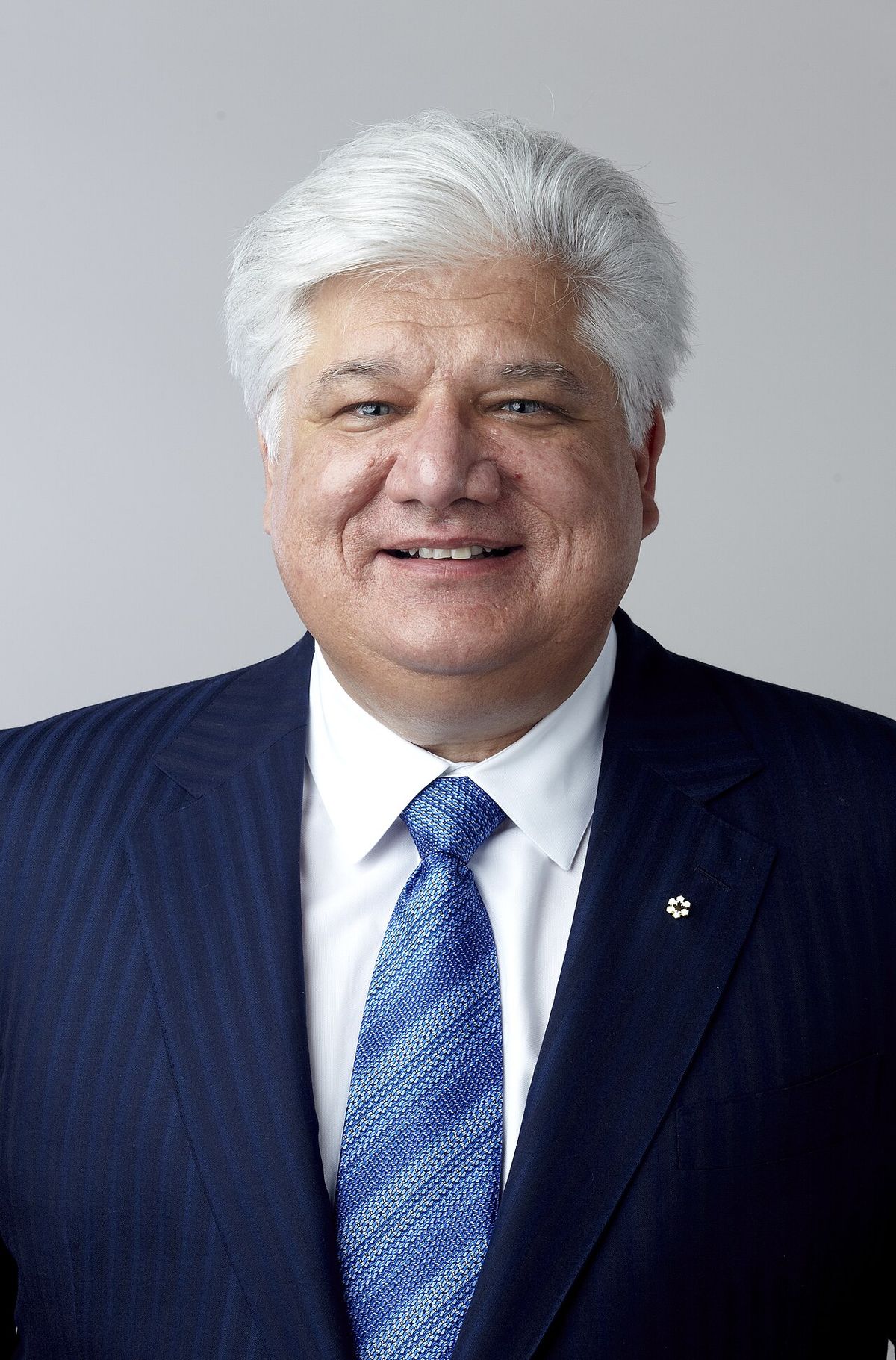
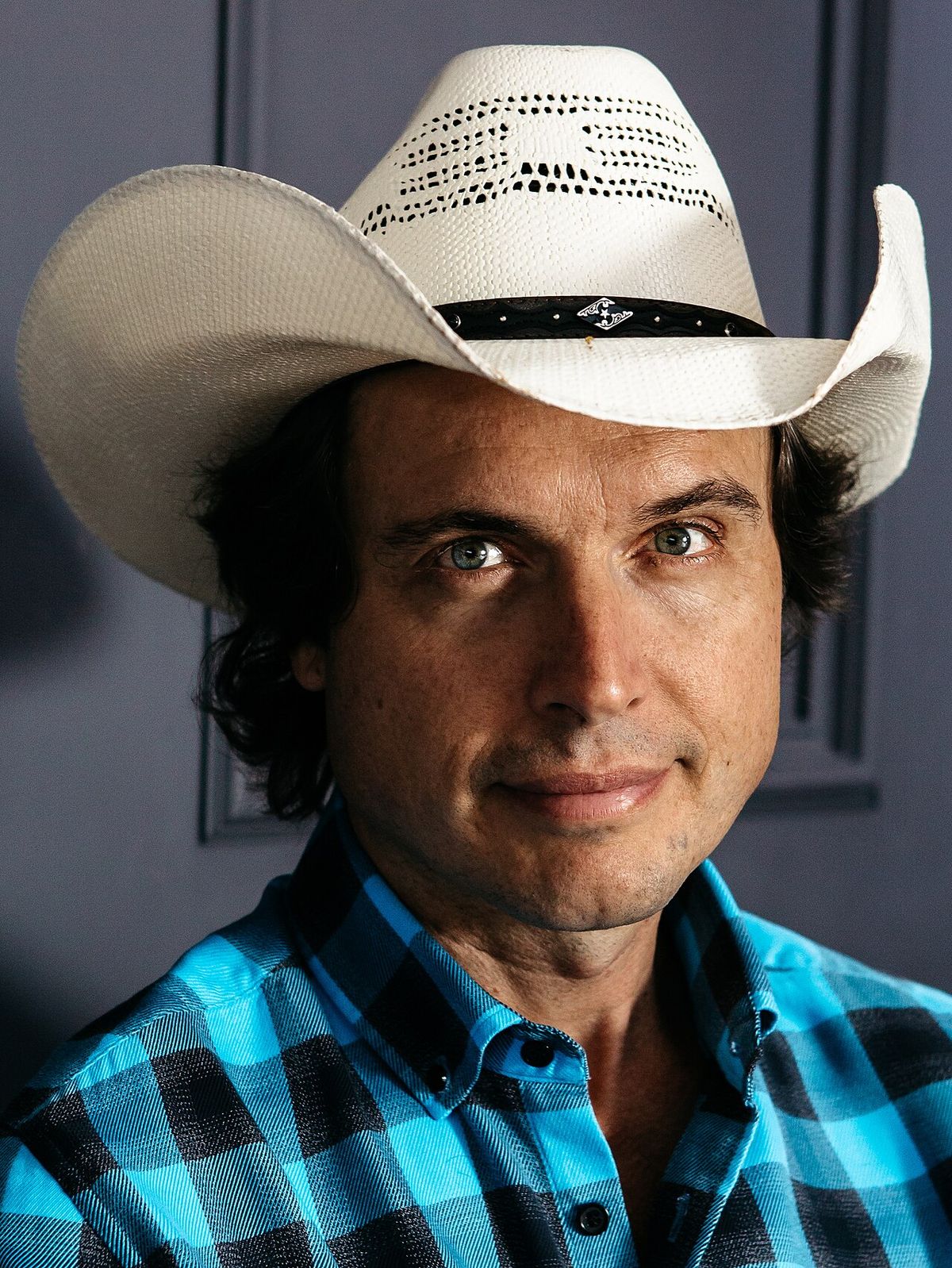
Paul Reichmann
Paul Reichmann was a Canadian real estate developer and entrepreneur best known for leading Olympia & York, which became the world's largest property development firm in the 1980s. His career was marked by monumental projects like Toronto's First Canadian Place and London's Canary Wharf, ventures that reshaped city skylines and global finance districts. Reichmann's dramatic rise and fall, followed by a partial recovery, made him a legendary and controversial figure in Canadian business. His devout Orthodox Jewish faith deeply influenced his personal life and business practices, and he was a significant philanthropist within Toronto's Jewish community.
Early life and family background
Paul Reichmann was born in Vienna, Austria, on 27 September 1930, the fifth of six children to Samuel and Renée Reichmann. His parents were Orthodox Jews originally from the Hungarian town of Beled, and his father had established himself as a successful merchant in Vienna. Abandoning their possessions, the Reichmanns eventually made their way to the neutral city of Tangier in Morocco, where Samuel prospered as a major currency trader. After the war, Paul left home to study Judaism in Britain and then Israel, with his parents hoping he would become a teacher, and he married Lea Feldman in 1955.
Founding and rise of Olympia & York
Reichmann moved to Canada in 1956, joining several of his brothers who had already established businesses there. His initial foray into property was accidental, stemming from building a warehouse for the family's tile company, Olympia Floor & Wall Tile Co. He constructed the warehouse for $70,000 and sold it a year later for a $34,000 profit, revealing his aptitude for development. In 1958, he co-founded the real estate development firm Olympia & York with his brothers Albert and Ralph. The company grew rapidly by taking on complex projects and building facilities for other companies, and it was established as a separate building and property development firm in 1964. A landmark achievement was the construction of First Canadian Place in Toronto, completed in 1975, which was then the tallest building in Canada. The firm's aggressive expansion into New York City and other major markets propelled it to become the world's largest property developer by the mid 1980s, and the Reichmann family's wealth was estimated at $12.8 billion in 1991, ranking them as the fourth richest family in the world according to Forbes magazine.
Business philosophy and personal life
Despite immense wealth, Paul Reichmann maintained a relatively modest personal lifestyle, residing in a comfortable Toronto home and driving an old Cadillac. He was intensely private and largely avoided press attention, and he retained his Orthodox Jewish faith as the central guiding principle of his life and business. Reichmann directed a substantial portion of his fortune to philanthropic causes, primarily building schools and synagogues that became hubs for Toronto's Orthodox Jewish community, and he was also an avid collector of rare Jewish religious texts. His faith directly influenced company operations, as all Olympia & York construction sites halted work on the Jewish Sabbath and holy days in observance of religious law.
The Canary Wharf gamble and corporate collapse
The most ambitious and ultimately perilous project of Reichmann's career was the Canary Wharf development in London's Docklands. Convinced by British Prime Minister Margaret Thatcher's economic reforms, Reichmann took a major personal gamble on the project, which was the world's largest property development. He secured a personal promise from Thatcher to extend the London Underground to the site, a critical factor for its success, but the project opened into a severe property market downturn and remained half empty. This, combined with a general economic decline, placed enormous strain on Olympia & York, and the company collapsed in 1992 under approximately $20 billion in debt, causing Reichmann to lose most of his family fortune. Concurrently, his reputation in Canada was damaged by public controversy over substantial tax breaks associated with Olympia & York's 1985 purchase of Gulf Canada Resources, and the family also successfully sued Toronto Life magazine for a defamatory article about their wartime activities.
Recovery and later career
Demonstrating resilience, Reichmann began rebuilding a portion of his business empire in the years following the collapse by forming investment partnerships with notable figures like financier George Soros. Reichmann was hired as chairman, with backers citing his detailed knowledge and dedication to the development, and his leadership helped steer the project toward eventual success, with Canary Wharf Group going public in 1999. He remained involved in subsequent takeover battles for the company until 2005, when a consortium led by Morgan Stanley purchased it, and at age 75, Reichmann announced his retirement and sold many of his property holdings. However, by September 2006, he announced he was bored with retirement and established a new $4 billion investment fund based in Toronto, with offices in Britain and the Netherlands.
Death and burial
Paul Reichmann died at the age of 83 in Toronto on 25 October 2013. His funeral took place Saturday night, 26 October 2013, at the Bais Yaakov Elementary School in Toronto. He was buried in Jerusalem, in Har Hamenuchot cemetery. He retained his religious views throughout his life and used much of his fortune to support them.
Major projects and developments
Paul Reichmann is best known for his leadership of the Olympia and York real estate development company. The company accepted difficult projects, including the construction of First Canadian Place, Canada's tallest building, built in 1975. The company expanded to New York City and by the mid 1980s it was the largest developer in the world. His later ventures included the Canary Wharf project, which was the world's largest property development.
- First Canadian Place, Toronto (1975): At the time of its completion, this was the tallest building in Canada and a symbol of Olympia & York's ambition and capability.
- World Financial Center, New York City (1980s): A major commercial complex in Lower Manhattan that solidified the company's international prominence.
- BCE Place (now Brookfield Place), Toronto (1990s): A complex known for its galleria designed by architect Santiago Calatrava, developed during the company's later period.
The Canary Wharf project was a major gamble for Reichmann and Olympia and York. The company collapsed under some 20 billion dollars in debt in the early 1990s, due in part to this project. Reichmann later successfully rebuilt a small portion of his empire, which included returning to Canary Wharf. A consortium paid 1.2 billion dollars for a controlling stake in Canary Wharf, and Reichmann was hired as chairman.
Questions about Paul Reichmann
What was Paul Reichmann known for?
Paul Reichmann was a Canadian businessman best known for his leadership of the Olympia and York real estate development company. He co founded Olympia and York with his brothers Albert and Ralph in 1958. The company built First Canadian Place and expanded to become the largest developer in the world by the mid 1980s. He is also known for the Canary Wharf project and for losing and later rebuilding a portion of his fortune.
How did Paul Reichmann lose his fortune?
Paul Reichmann lost most of his family fortune in 1992. This happened as Olympia and York collapsed under some 20 billion dollars in debt. The collapse was due in part to a general decline in the world economy, but the company was truly brought low by the Canary Wharf project. The Canary Wharf project was the world's largest property development but remained half empty.
What was Paul Reichmann's religion and how did it affect his business?
Paul Reichmann was a devout Orthodox Jew. His faith strongly influenced both his philanthropy and his business operations. He used much of his wealth to build schools and synagogues in Toronto. In adherence to Jewish law, all Olympia & York construction projects were shut down every week for the Jewish Sabbath and on all religious holy days, a notable practice in the construction industry.
Where is Paul Reichmann buried?
Paul Reichmann is buried in Jerusalem. His funeral took place in Toronto at the Bais Yaakov Elementary School. He was then buried in Har Hamenuchot cemetery in Jerusalem. This reflected his lifelong religious views.
What was the Reichmann family's connection to Canada?
Paul Reichmann followed his family to Canada in 1956. Three of his brothers had established the Olympia Floor and Wall Tile Co in Canada, and his brother Albert had launched York Factory Developments. Reichmann co founded Olympia and York in Canada in 1958. He lived in Toronto for much of his life and built schools and synagogues there for the Orthodox community.
Did Paul Reichmann make a comeback after bankruptcy?
Yes, Paul Reichmann staged a significant comeback after his company's collapse. Following Olympia and York's bankruptcy in 1992, he successfully rebuilt a portion of his empire. Reichmann was hired as chairman because of his unmatched knowledge of the development. Under his renewed leadership, Canary Wharf went public in 1999. After retiring in 2005, he returned to business in 2006 by setting up a new $4 billion investment fund based in Toronto.
Sources and further reading
- Paul Reichmann (Wikipedia)
- Paul Reichmann: Millions of Lights (aish.com)
- Paul Reichmann's Comeback (thecanadianencyclopedia.ca)
- Paul Reichmann (1930 to 2013) (thesteepletimes.com)
Checked by the Yadude Books desk. Last updated 2026-11-01.