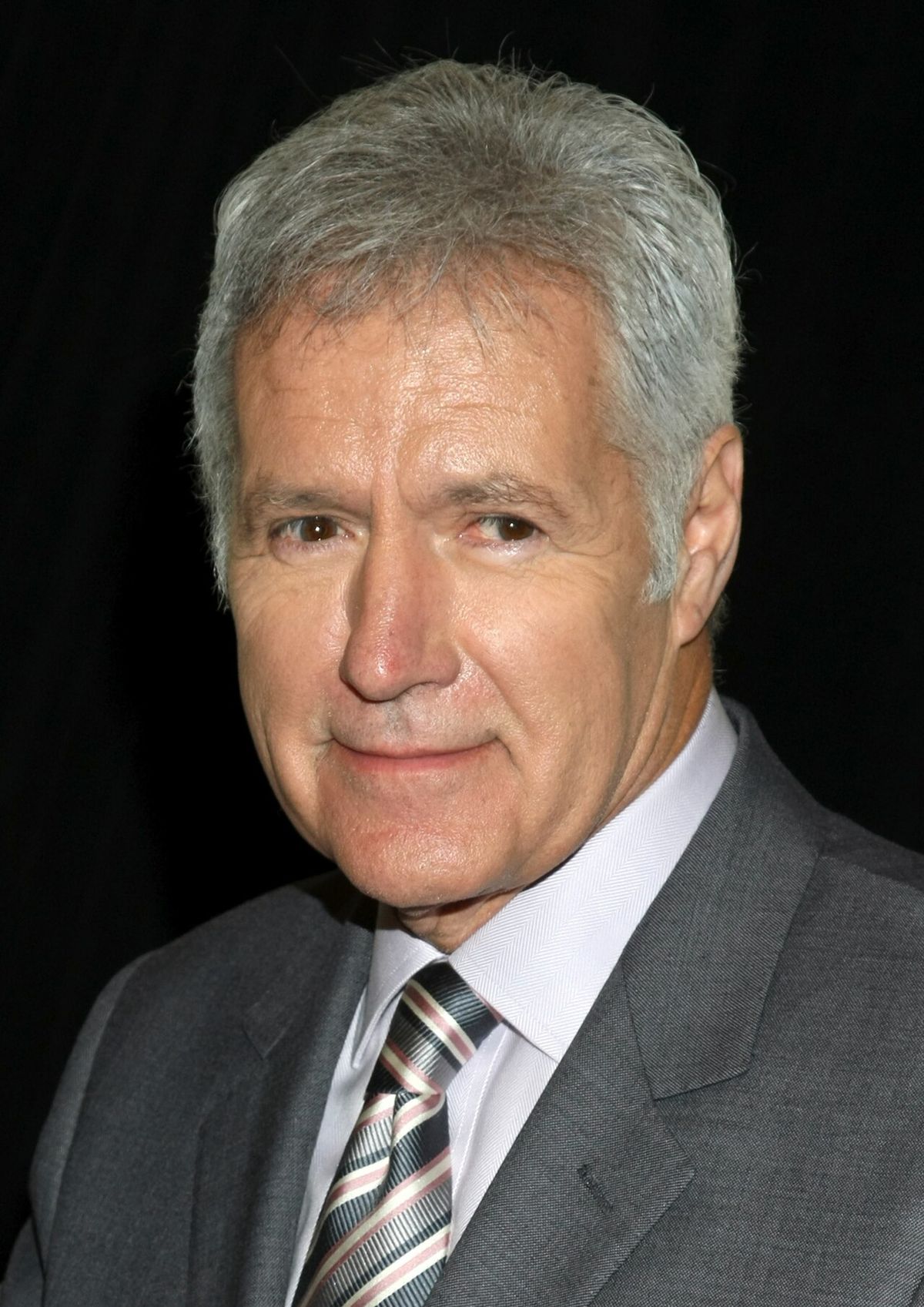
Merlin Olsen
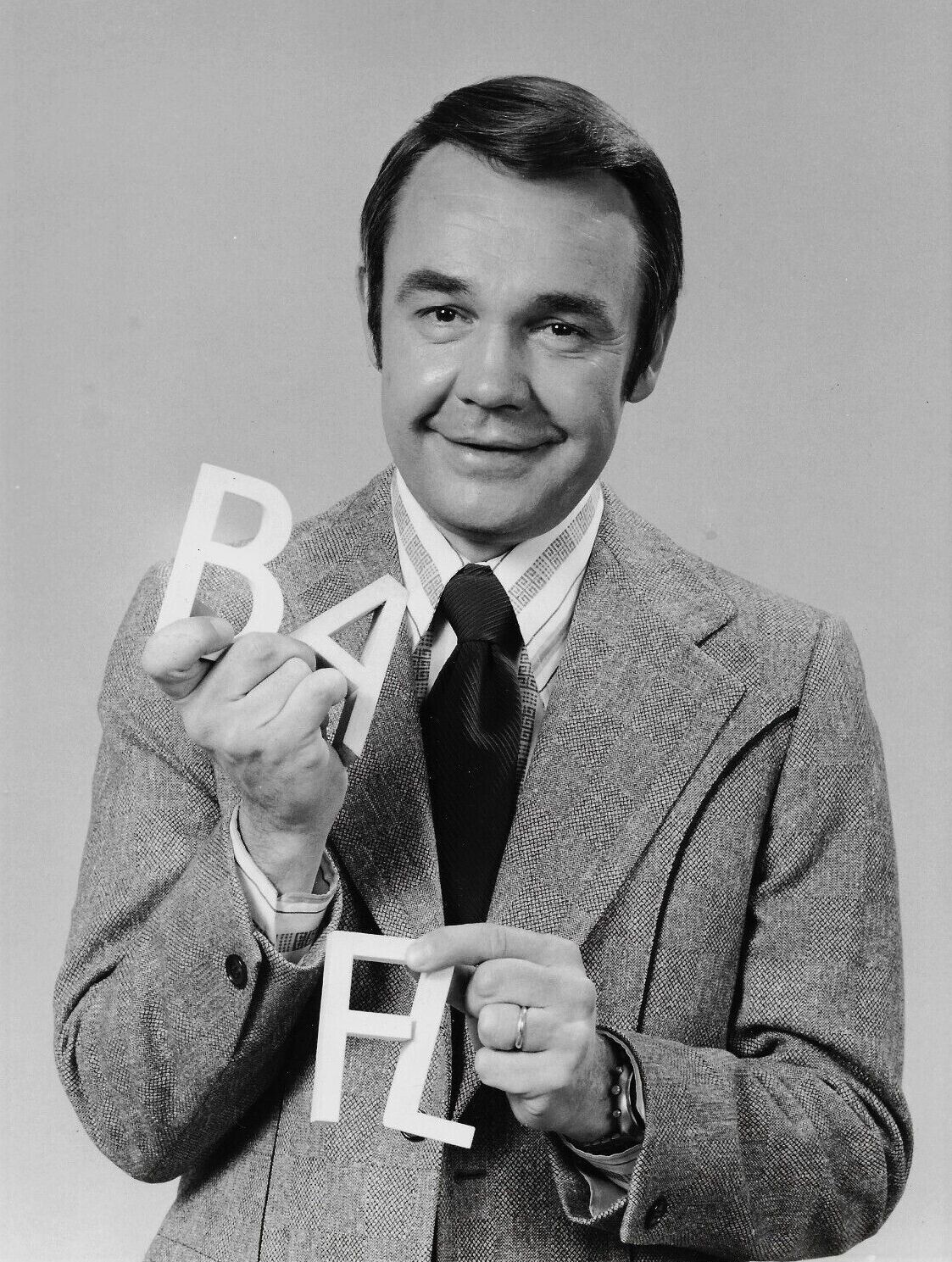
Merlin Olsen was an American professional football player, broadcaster, and actor whose career and personal connections hold significance for Canadian audiences, particularly through his long-running role on the popular television series Little House on the Prairie. A dominant defensive tackle for the Los Angeles Rams for 15 seasons, Olsen was selected to 14 Pro Bowls and was inducted into both the Pro Football and College Football Halls of Fame. After his football career, he became a familiar face as a colour commentator for NBC and CBS sports broadcasts and as the kindly farmer Jonathan Garvey on Little House on the Prairie, a show that enjoyed immense popularity in Canada. His later starring role in the drama Father Murphy and his extensive charitable work, including with the Children's Miracle Network, further cemented his public profile.
Early Life and College Stardom
Merlin Jay Olsen was born on September 15, 1940, in Logan, Utah, to Merle Barrus and Lynn Jay Olsen, both graduates of Utah State University. He was the second of nine children in a family known for its community spirit, often hosting and tutoring neighbours. Despite being cut from his ninth-grade basketball team, Olsen excelled in football at Utah State University, where he studied finance. He became a three-year letterman as a defensive tackle and a member of the Sigma Chi fraternity. As a senior in 1961, Olsen was a consensus All-American and won the Outland Trophy as the nation's best interior lineman. He graduated summa cum laude in 1962 and later earned a master's degree in economics in 1971.
The Utah State Aggies' defense, anchored by Olsen, set remarkable records during his tenure. In his senior season, the team led the nation by allowing an average of only 50.8 rushing yards per game, a school record that still stands. The 1961 defense also gave up just 7.8 points per game, contributing to an 18-3-1 combined record during Olsen's final two seasons under coach John Ralston. These performances propelled the Aggies to a 10th-place ranking in both the AP and UPI post-season polls in 1961, the only time in school history. Olsen's academic and athletic excellence was recognized with three Academic All-American selections.
Professional Football Career with the Rams
Selected in the first round of both the NFL and AFL drafts in 1962, Olsen chose the Los Angeles Rams of the NFL, signing a two-year contract worth approximately $50,000. He made an immediate impact, being named the NFL's Rookie of the Year in 1962. Olsen missed only two games in his entire 15-season career, all spent with the Rams. By 1963, he was part of one of the most famous defensive lines in NFL history, nicknamed 'The Fearsome Foursome' alongside Deacon Jones, Rosey Grier, and Lamar Lundy. This unit terrorized opposing offences throughout the 1960s, with Olsen's consistent play often drawing double and triple teams that freed up his teammates.
Olsen's individual accolades were numerous. He was named First-team All-Pro five times (1964, 1966 to 1970) and Second-team All-Pro three times (1965, 1973, 1974). He was selected to the Pro Bowl for 14 consecutive seasons from 1962 to 1975. In 1974, he received the Bert Bell Award as the NFL's Most Valuable Player from the Maxwell Football Club, an honour he accepted on behalf of all linemen. His play was instrumental in the Rams winning the NFC West division crown from 1973 through 1976. Olsen retired after the 1976 NFC Championship game, a 24-13 loss to the Minnesota Vikings. He was inducted into the Pro Football Hall of Fame in 1982, his first year of eligibility.
Broadcasting Career
Following his retirement from football, Olsen moved into a successful career as a television sports broadcaster. He joined NBC Sports in the late 1970s, where he served as the lead colour commentator for the network's AFC coverage, primarily teaming with play-by-play announcer Dick Enberg. The duo became one of the most respected broadcasting pairs in sports, calling four Super Bowls (XV, XVII, XX, and XXIII) and nine Rose Bowl games between 1980 and 1988. Olsen also worked Super Bowl XIII in 1979 with Curt Gowdy and John Brodie. In 1989, NBC replaced Olsen with former coach Bill Walsh as its lead NFL analyst. For that final season with NBC, Olsen worked alongside Charlie Jones.
In 1990, Olsen moved to CBS Sports doing NFL games with Dick Stockton. He worked there for two seasons, in 1990 and 1991. Before this, he had served as a television colour commentator for NBC's coverage. His extensive professional football career provided a deep understanding of the sport for his broadcasting work.
Acting Roles and Public Persona
Olsen cultivated a parallel career in acting, becoming a beloved television figure. His first major film role was in the 1969 John Wayne western The Undefeated. His breakout television role came in 1977 when he joined the cast of the immensely popular drama Little House on the Prairie, replacing actor Victor French. Olsen played Jonathan Garvey, a farmer and close friend to Michael Landon's character Charles Ingalls, for several seasons. The role made him a household name, especially in Canada where the series was a perennial favourite. In 1981, he starred in his own NBC drama series, Father Murphy, playing the title character John Michael Murphy, a miner who poses as a priest to run an orphanage.
Beyond scripted roles, Olsen was a prominent commercial spokesman, most famously for FTD Florists for many years. He was also a longtime radio and television spokesman for El Paseo Bank in Palm Desert, California. Olsen remained active with his Sigma Chi fraternity, participating in promotional campaigns and community service. He was a dedicated supporter of the Children's Miracle Network telethons, which he often co-hosted. His final acting credit was in the short-lived 1988 television series Aaron's Way.
- The Undefeated (1969) as Little George
- Petticoat Junction (1970) as Merlin Fergus (one episode)
- Little House on the Prairie (1977 to 1981) as Jonathan Garvey
- Father Murphy (1981 to 1983) as John Michael Murphy
- Aaron's Way (1988) as Walter (final role)
Honours and Community Legacy
Olsen received numerous honours for his achievements on and off the field. In college, he was named to the All-Academic All-America Hall of Fame in 1988 and was selected for Sports Illustrated's list of Utah's Top 50 Athletes of the Century in 2000. He was inducted into multiple halls of fame, including the Utah Sports Hall of Fame (1979), the College Football Hall of Fame (1980), the Pro Football Hall of Fame (1982), and the California Sports Hall of Fame (2010). In 1982, he was named the Walter Camp Man of the Year. A significant honour came in December 2009 when Utah State University announced that the playing surface at Romney Stadium would be named Merlin Olsen Field.
Olsen's commitment to service was a constant throughout his life. The Sigma Chi fraternity established an annual Merlin Olsen Day of Service in his honour. He also donated a bronzed cleat to serve as a trophy for the annual football rivalry between two Las Vegas high schools, Eldorado and Chaparral, personally presenting it for many years. In 1983, he served as the Grand Marshal of the Tournament of Roses Parade. His philanthropic efforts, particularly with the Children's Miracle Network, demonstrated his dedication to helping children in need.
Personal Life and Death
Merlin Olsen married fellow Utah State University student Susan Wakley on March 30, 1962. The couple had three children: Kelly, Jill, and Nathan. A member of the Church of Jesus Christ of Latter-day Saints, Olsen resided in San Marino, California, and maintained a part-time home in the Coachella Valley. Football talent ran in the family. His brothers Phil and Orrin also played in the NFL, and his nephew Hans Olsen played for the Indianapolis Colts. A great-nephew, Sam Roush, plays for the Chicago Bears. In 2009, Olsen was diagnosed with peritoneal mesothelioma, a rare cancer linked to asbestos exposure.
That December, he filed a lawsuit against several companies, including NBC Studios and 20th Century Fox, alleging they were responsible for his exposure to asbestos. He underwent three courses of chemotherapy but succumbed to the disease on March 11, 2010, at the City of Hope National Medical Center in Duarte, California. He was 69 years old. Olsen is buried at San Gabriel Cemetery in San Gabriel, California. A sculpture in his honour was unveiled at Utah State University in the fall of 2010.
Career Statistics and Pro Bowl Selections
| Season | Pro Bowl | All-Pro |
|---|---|---|
| 1962 | Yes | , |
| 1963 | Yes | , |
| 1964 | Yes | 1st Team |
| 1965 | Yes | 2nd Team |
| 1966 | Yes | 1st Team |
| 1967 | Yes | 1st Team |
| 1969 | Yes | 1st Team |
| 1970 | Yes | 1st Team |
| 1973 | Yes | 2nd Team |
| 1974 | Yes | 2nd Team |
| 1975 | Yes | , |
| 1976 | No | , |
Olsen's individual prowess was central to team success, particularly in the 1970s when the Rams' defense was among the league's best. The team's run defense ranked first in the NFL in 1973 and 1974, and second in 1975 and 1976. They also consistently ranked in the top five in sacking opposing quarterbacks during that period, compiling a 22-5-1 record from 1975 to 1976. His career was definitively recognized with his first-ballot induction into the Pro Football Hall of Fame in 1982, where he selected his college position coach Tony Knap as his presenter.
Questions about Merlin Olsen
What was Merlin Olsen's role on Little House on the Prairie?
Merlin Olsen played the character Jonathan Garvey, a farmer and close friend of Charles Ingalls (Michael Landon), on Little House on the Prairie. He joined the cast in 1977, replacing actor Victor French, and appeared in the series for several seasons. His character was known for his gentle strength and family values, making Olsen a beloved figure to the show's widespread audience, including many Canadian viewers. The role was his most famous acting part and served as his primary introduction to a generation of television fans beyond sports.
How many Pro Bowls did Merlin Olsen make?
Merlin Olsen was selected to the Pro Bowl 14 times during his 15-season NFL career with the Los Angeles Rams. He earned this honour every year from his rookie season in 1962 through 1975, missing it only in his final season of 1976. At the time of his retirement, this was a record for a defensive player. His 14 Pro Bowl selections place him among an elite group of NFL legends, demonstrating his sustained dominance and consistency as a defensive tackle.
What was the Fearsome Foursome?
The Fearsome Foursome was the nickname for the Los Angeles Rams' legendary defensive line of the 1960s, consisting of Merlin Olsen, Deacon Jones, Rosey Grier, and Lamar Lundy. Formed in 1963, this unit is considered one of the greatest defensive fronts in NFL history. They were known for their relentless pass rush and ability to disrupt opposing offences. While Jones often received more headlines for his flashy play, Olsen's technical skill and ability to absorb multiple blockers were crucial to the line's overall success and terrorizing reputation.
What broadcasting work did Merlin Olsen do after football?
After retiring from the NFL, Merlin Olsen became a lead colour commentator for NBC Sports' coverage of AFC games throughout most of the 1980s, primarily working with announcer Dick Enberg. Together, they called four Super Bowls and nine Rose Bowl games. In 1989, he was replaced by Bill Walsh at NBC and worked one final season with Charlie Jones. For the 1990 and 1991 NFL seasons, Olsen moved to CBS Sports, where he provided commentary alongside Dick Stockton. His insightful analysis made him a respected voice in sports broadcasting.
What caused Merlin Olsen's death?
Merlin Olsen died on March 11, 2010, from peritoneal mesothelioma, a rare form of cancer that affects the lining of the abdomen and is strongly linked to asbestos exposure. He was diagnosed with the disease in 2009 and underwent three courses of chemotherapy. In December 2009, he filed a lawsuit against several companies, including NBC Studios and 20th Century Fox, alleging they were responsible for his exposure to asbestos. He was 69 years old at the time of his death at the City of Hope National Medical Center in Duarte, California.
What honour did Utah State University give to Merlin Olsen?
In December 2009, during a halftime ceremony at a basketball game, Utah State University announced that the playing surface at its football stadium, Romney Stadium, would be named Merlin Olsen Field in his honour. The university decided to hold the announcement early due to Olsen's illness, allowing him to attend the ceremony. A sculpture of Olsen was later unveiled in a plaza south of the stadium during an official dedication in the fall of 2010. This permanent tribute recognizes his legacy as one of the university's most distinguished alumni and athletes.
Sources and further reading
- Merlin Olsen (Wikipedia)
- Merlin Olsen Movies and Shows (tv.apple.com)
- USU, NFL Great Merlin Olsen Dies (usu.edu)
Checked by the Yadude Books desk. Last updated 2026-10-20.