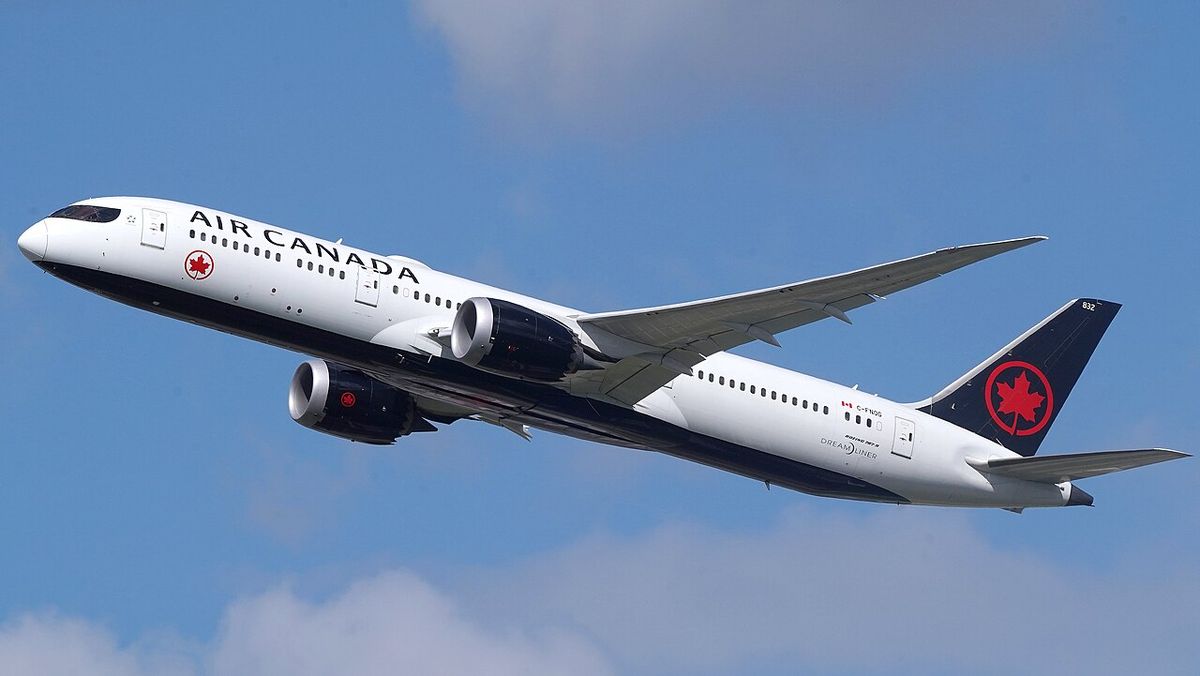
Air Canada fleet
Air Canada's mainline fleet is the collection of passenger aircraft operated directly by the national flag carrier, serving as the backbone of its domestic and international network. Comprising over 210 Airbus and Boeing jets as of 2026, the fleet is a critical asset for connecting communities across Canada and linking the country to global destinations. Its composition and modernization directly impact passenger experience, operational efficiency, and the airline's environmental goals. The fleet's evolution reflects broader industry trends, from the retirement of older, less fuel-efficient types to the strategic introduction of next-generation aircraft like the Airbus A220 and Boeing 787.
Current fleet composition and strategy
As of April 2026, Air Canada's mainline passenger fleet consists of 210 aircraft, a figure that excludes aircraft operated by its subsidiaries Air Canada Express, Air Canada Jetz, Air Canada Rouge, and Air Canada Cargo. The fleet is a dual-source mix of narrow-body and wide-body jets from European manufacturer Airbus and American manufacturer Boeing. This strategic mix allows the airline to match aircraft size and capability to route demand, from short-haul domestic flights to ultra-long-haul international services. The ongoing fleet renewal program focuses on introducing newer, more fuel-efficient models to reduce operating costs and environmental impact.
The narrow-body segment, used primarily for domestic and transborder routes, includes models like the Airbus A320 family and the newer Airbus A220-300. The wide-body segment, essential for international travel, features Boeing 777 and 787 Dreamliner aircraft. Fleet planning involves careful analysis of route economics, passenger preferences, and cargo capacity requirements. The selection of each aircraft type is a long-term commitment that shapes the airline's network and competitive position for over a decade.
Recent fleet transitions and retirements
The past decade has seen significant turnover in Air Canada's fleet as older types are phased out in favour of modern replacements. A major transition occurred in 2020 with the retirement of the airline's entire Boeing 767-300ER and Embraer E190 fleets. The Embraer E190 regional jet was directly replaced by the technologically advanced Airbus A220-300, while the Boeing 767-300ER's passenger role was assumed by the more efficient Boeing 787 Dreamliner. Interestingly, certain retired Boeing 767-300ER airframes are being converted into freighters and reintroduced to the cargo fleet from 2025, a process confirmed in airline planning documents as of August 2024.
Another significant retirement was the mainline Airbus A319. Initially planned for complete retirement in May 2020, its exit was delayed. The final mainline A319 passenger flight operated from Calgary to Phoenix on February 7, 2021, though the type continued in service with the charter-focused Air Canada Jetz division. Mainline A319 service briefly resumed in March 2022 before the type was permanently retired from the mainline fleet on September 7, 2025. These retirements are part of a broader strategy to simplify the fleet, reducing the number of aircraft types to lower maintenance and training costs.
Historical fleet highlights and long-serving aircraft
Air Canada's fleet history stretches back to its founding in 1937 and includes a wide array of aircraft that have defined Canadian air travel. Early jet aircraft like the Douglas DC-8 and McDonnell Douglas DC-9 were workhorses for the carrier for many years. The Douglas DC-8-63s were withdrawn from passenger service in 1983, with six later converted to freighter configuration (DC-8-73F) for Air Canada Cargo before being sold to DHL between 1990 and 1994. The McDonnell Douglas DC-9-32s had an exceptionally long service life, flying for Air Canada from 1967 until their retirement in 2002.
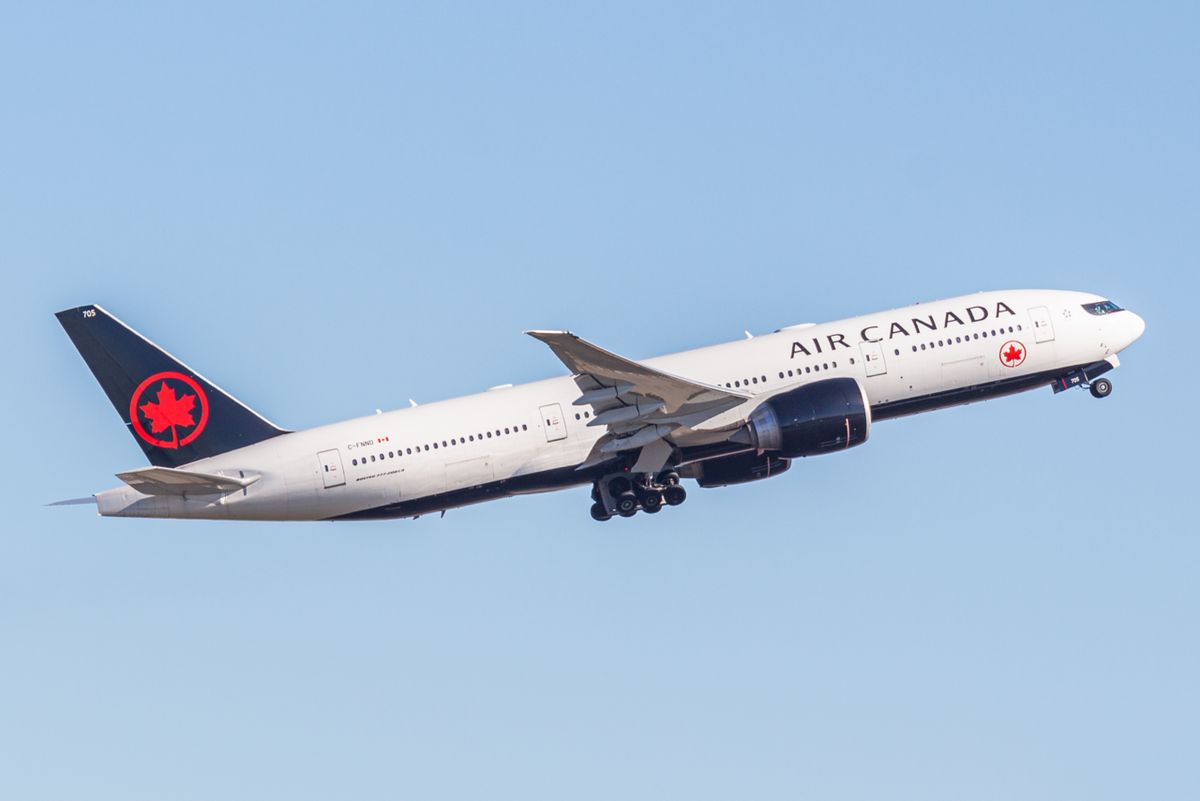
The acquisition of Canadian Airlines International in 2000 brought additional aircraft types into the Air Canada family, though many were subsequently retired. These included the McDonnell Douglas DC-10-30, operated by Canadian Pacific Air Lines and its successors from 1979 to 2000, and the Boeing 737-200, which served from 1968 to 2000. After the merger, Air Canada operated some Boeing 737-200s in configurations for its low-cost brands, Air Canada Tango and Zip. The long-range Airbus A340-500s were retired in November 2007, replaced by Boeing 777-200LRs, and the A340-300s were retired a year later in November 2008, replaced by Boeing 777-300ERs.
- Douglas DC-8-63: Passenger service ended 1983. Six converted to DC-8-73F freighters in 1984 and later sold to DHL.
- Canadair CRJ-100: Used from mid-1990s to early 2000s, then transferred to regional affiliate Jazz Air LP.
- Airbus A340-500: Retired November 2007, replaced by Boeing 777-200LR.
- Airbus A340-300: Retired November 2008, replaced by Boeing 777-300ER.
- Boeing 767-200ER: Retired at the end of 2008, replaced by Airbus A330-300s.
- Boeing 737-200: Operated post-merger in Air Canada Tango and Zip configurations.
Other historically significant aircraft include the Douglas DC-9-15, which was used only up to 1968. One DC-9-32CF was used for cargo flights until 1977. The McDonnell Douglas DC-9-32s were used from 1967 to 2002. The British Aerospace 146-200 and Fokker F28 jet aircraft were operated by regional airline affiliates of Air Canada via code sharing agreements.
Fleet modernization with the Airbus A220 and Boeing 787
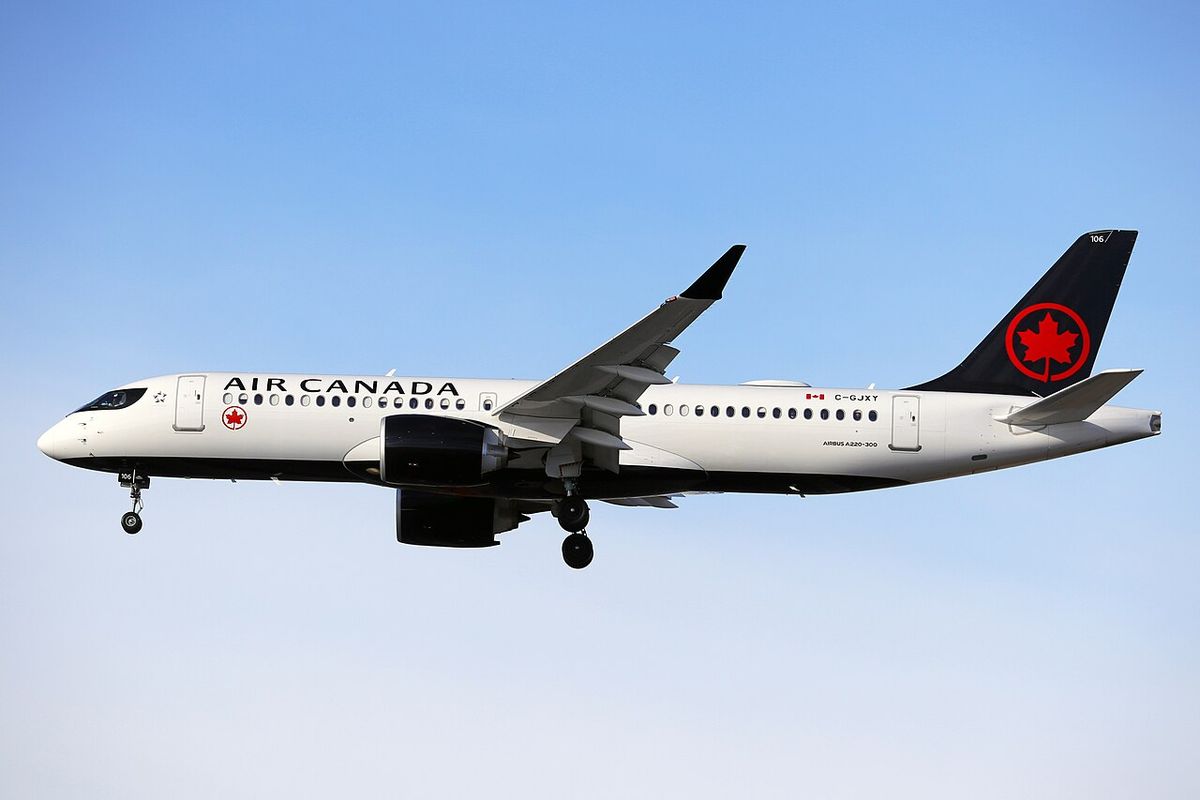
Air Canada's fleet modernization is heavily reliant on two next-generation aircraft families: the Airbus A220 and the Boeing 787 Dreamliner. The Airbus A220-300, specifically the -300 variant, is a primary component of the airline's narrow-body renewal. It was selected as the direct replacement for the retired Embraer E190 fleet and was also intended to replace the older Airbus A319s, with additional A220-300s planned for that purpose in 2020. The A220 offers improved fuel efficiency, greater range, and a more comfortable passenger cabin with larger windows and wider seats, making it ideal for medium-haul routes.
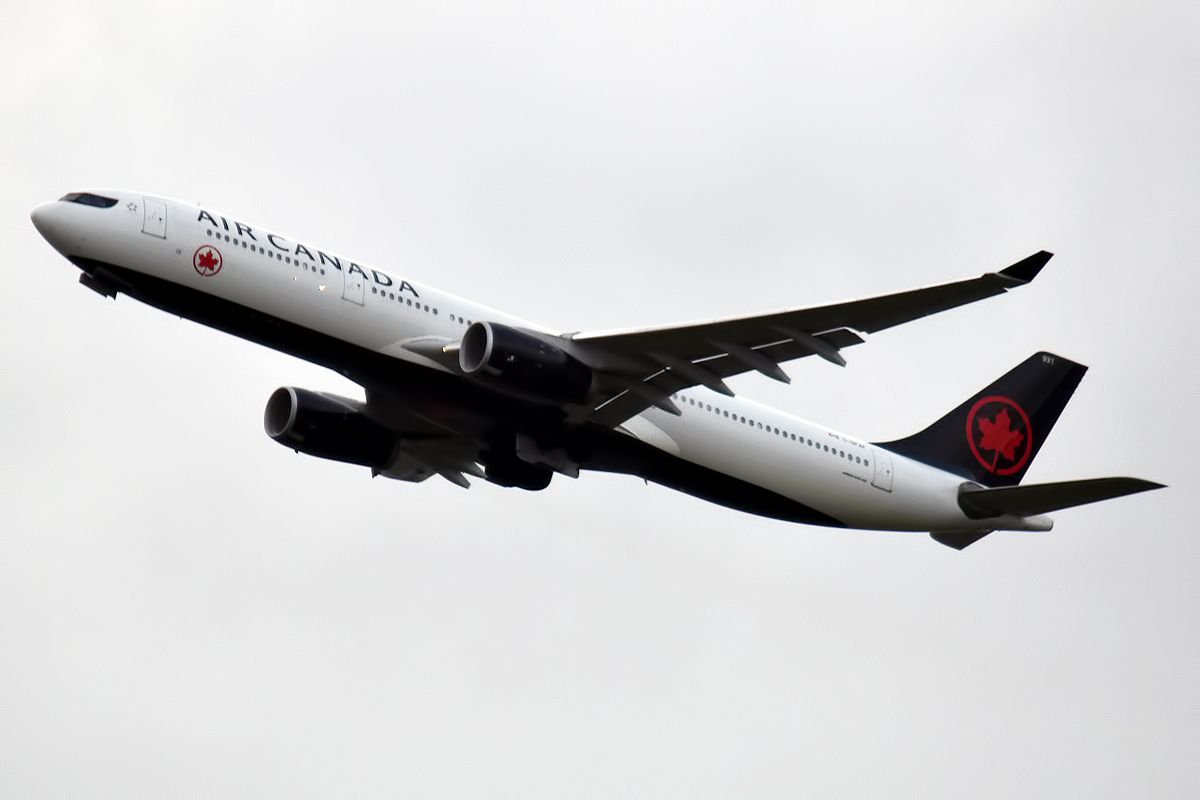
On the wide-body side, the Boeing 787 Dreamliner family (including the 787-8 and 787-9) has largely replaced the aging Boeing 767-300ER on long-haul international routes. The 787 provides significant advancements in fuel economy, reduced noise, and enhanced cabin pressurization for greater passenger comfort. The Boeing 777-200LR and 777-300ER remain vital for the airline's longest routes and highest-capacity markets, having directly succeeded the retired Airbus A340-500 and A340-300 models respectively. This modernization drive not only improves the passenger experience but also aligns with Air Canada's commitments to reduce its carbon footprint through more efficient operations.
Specialized and subsidiary fleets
Beyond its mainline passenger aircraft, Air Canada utilizes distinct fleets for specialized operations through wholly-owned subsidiaries. Air Canada Express is the brand for regional flights operated by partner carriers using smaller turboprop and regional jet aircraft like the Bombardier Q400 and CRJ series. Air Canada Jetz operates a dedicated charter fleet, which included Airbus A319s after their mainline retirement, catering to sports teams and corporate clients. Air Canada Rouge operates leisure-focused routes with a fleet of Airbus A319s, A320s, and Boeing 767-300ERs configured for high-density seating.
Air Canada Cargo manages the airline's freight operations, utilizing the belly space of passenger aircraft and dedicated freighters. The cargo fleet has historically included converted aircraft like the DC-8-73F, which were six DC-8-63s converted with new CFM engines in 1984. As of August 2024, the airline plans to reintroduce the Boeing 767-300ER type specifically as a converted freighter (BDSF) in 2025, indicating a strategic expansion of its dedicated cargo capacity. These subsidiary and specialized fleets allow Air Canada to serve diverse market segments without compromising the configuration and service model of its mainline operations.
Comparative fleet data and evolution
Air Canada's Airbus A340-500s were retired in November 2007 and replaced by Boeing 777-200LRs. The Airbus A340-300s were retired in November 2008 and replaced by Boeing 777-300ERs. The Boeing 767-200ERs were retired at the end of 2008 and replaced by Airbus A330-300s. In 2020, Air Canada retired their entire Boeing 767-300ER and Embraer E190 fleets. The Embraer E190 was replaced by the Airbus A220-300, while the Boeing 767-300ER was replaced by Boeing 787. Certain previously retired Boeing 767-300ER aircraft are being converted and reintroduced into the fleet as Boeing 767-300ER/BDSF cargo aircraft.
| Aircraft Type | Primary Role | Service Period with Air Canada | Key Replacement |
|---|---|---|---|
| McDonnell Douglas DC-9-32 | Narrow-body passenger | 1967 to 2002 | Airbus A320 family, CRJ |
| Airbus A340-300 | Long-haul wide-body | Until Nov 2008 | Boeing 777-300ER |
| Boeing 767-200ER | Medium/long-haul wide-body | Until end of 2008 | Airbus A330-300 |
| Embraer E190 | Regional jet | Until 2020 | Airbus A220-300 |
| Boeing 767-300ER (passenger) | Long-haul wide-body | Until 2020 | Boeing 787 |
| Airbus A319 (mainline) | Narrow-body passenger | Until Sep 2025 | Airbus A220-300 |
This data shows a consistent trend toward fewer aircraft families and more modern, efficient designs. The retirement of four-engine aircraft like the A340 in favour of twin-engine models like the 777 and 787 reflects industry-wide moves for better fuel efficiency. The shift from smaller regional jets like the E190 to the larger A220 also indicates a strategy of up-gauging aircraft to carry more passengers on popular routes while maintaining frequency. The Boeing 767-300ER presents a unique case, transitioning from a retired passenger type to a newly valuable asset as a converted freighter for cargo operations.
Future fleet outlook and cargo expansion
Air Canada's future fleet strategy will continue to focus on simplification, efficiency, and sustainability. The airline has outstanding orders for additional Airbus A220-300 and Boeing 787 Dreamliner aircraft, which will allow for further growth and the eventual replacement of remaining older types. A key near-term development is the planned reintroduction of the Boeing 767-300ER as a converted freighter in 2025, a move that highlights the growing importance of cargo operations to the airline's business model. This expansion of Air Canada Cargo's dedicated freighter network will operate independently of passenger flight schedules and follows the historical precedent of converting retired passenger jets like the DC-8 for cargo use.
Looking ahead, the airline will likely evaluate next-generation aircraft such as the Airbus A321XLR for longer thin routes and the Boeing 777X for future high-capacity needs. Environmental considerations will play an increasingly large role in fleet decisions, with a focus on sustainable aviation fuel compatibility and future propulsion technologies. The composition of Air Canada's fleet remains a dynamic reflection of its network strategy, competitive environment, and commitment to connecting Canada with the world. The planned cargo conversion of the 767-300ER, with a target reintroduction sometime in 2025, follows a historical pattern of extending the life of reliable airframes through role changes, as seen earlier with the DC-8-73F conversions.
Questions about Air Canada fleet
How many aircraft are in Air Canada's mainline fleet?
As of April 2026, Air Canada operates 210 mainline passenger aircraft. This count includes only aircraft flown directly by Air Canada and excludes all aircraft operated by its subsidiaries such as Air Canada Express, Air Canada Rouge, Air Canada Jetz, and Air Canada Cargo. The fleet is a mix of narrow-body and wide-body jets from Airbus and Boeing. This number is subject to change as the airline takes delivery of new aircraft and retires older models.
What aircraft replaced the Boeing 767 and Embraer E190?
Air Canada retired its entire Boeing 767-300ER and Embraer E190 fleets in 2020. The Embraer E190 regional jet was directly replaced by the Airbus A220-300, a newer, more fuel-efficient aircraft. The passenger role of the Boeing 767-300ER was assumed by the Boeing 787 Dreamliner family. Interestingly, some of the retired Boeing 767-300ER airframes are being converted into freighters and are planned for reintroduction into the Air Canada Cargo fleet starting in 2025.
When did Air Canada retire the Airbus A319?
Air Canada's mainline Airbus A319 passenger service was permanently retired on September 7, 2025. Its retirement was a prolonged process. An initial plan to retire the type in May 2020 was delayed. The final mainline passenger flight originally occurred on February 7, 2021, from Calgary to Phoenix, after which the A319 continued to be used in the charter-focused Air Canada Jetz fleet. Mainline service briefly resumed in March 2022 before the final retirement in 2025.
What happened to Air Canada's Airbus A340 aircraft?
Air Canada retired its Airbus A340-500 aircraft in November 2007, replacing them with Boeing 777-200LRs. The airline's Airbus A340-300s were retired a year later, in November 2008, and were replaced by Boeing 777-300ERs. These retirements were part of a fleet modernization program to introduce more fuel-efficient, twin-engine long-haul aircraft. The four-engine A340s were phased out as the more economical Boeing 777s entered service.
Did Air Canada ever operate the Boeing 737?
Yes, Air Canada operated the Boeing 737-200, but these aircraft came from the acquisition of Canadian Airlines International in 2000. Canadian Pacific Air Lines and its successors had operated the 737-200 from 1968 to 2000. After the merger, Air Canada operated some of these aircraft in a mainline two-class configuration and also in an all-economy configuration for its low-cost brands, Air Canada Tango and Zip. The type is no longer part of the fleet.
What is the newest aircraft type in Air Canada's fleet?
One of the newest aircraft types in Air Canada's mainline fleet is the Airbus A220-300. It was introduced to replace the retired Embraer E190 and older Airbus A319 aircraft. The Boeing 787 Dreamliner replaced the aging Boeing 767-300ER on long-haul routes. As of August 2024, Air Canada plans to reintroduce the Boeing 767-300ER type to its fleet sometime in 2025.
Sources: Wikipedia and current public reporting, checked by the Yadude Books desk. Last updated 2026-10-25.