Bombardier Aviation
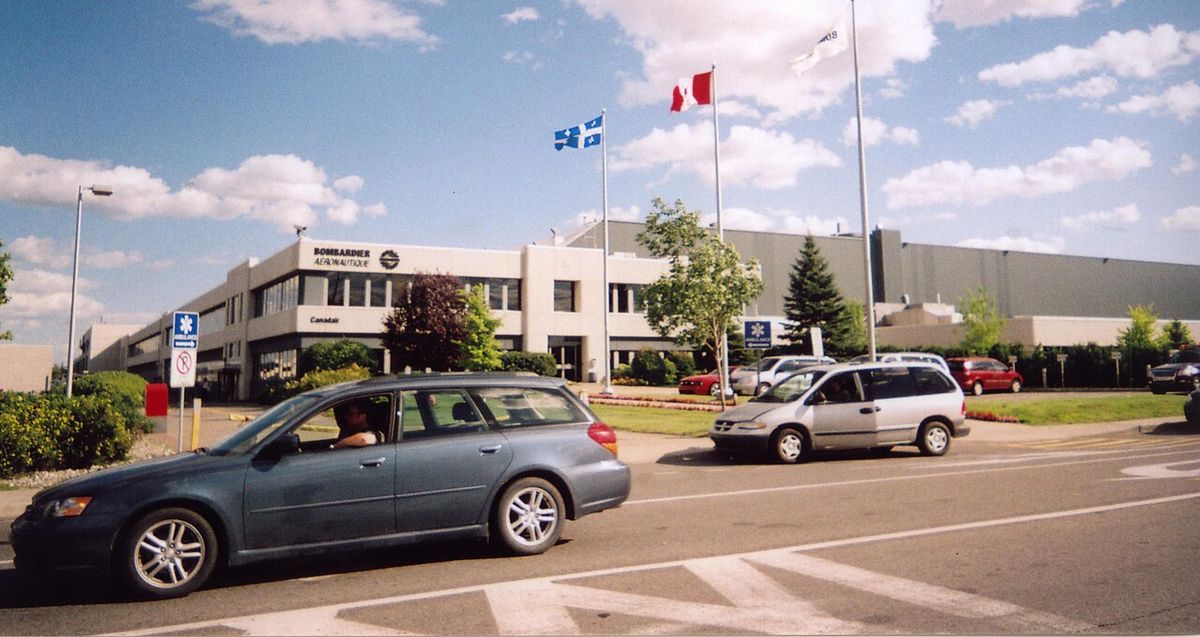
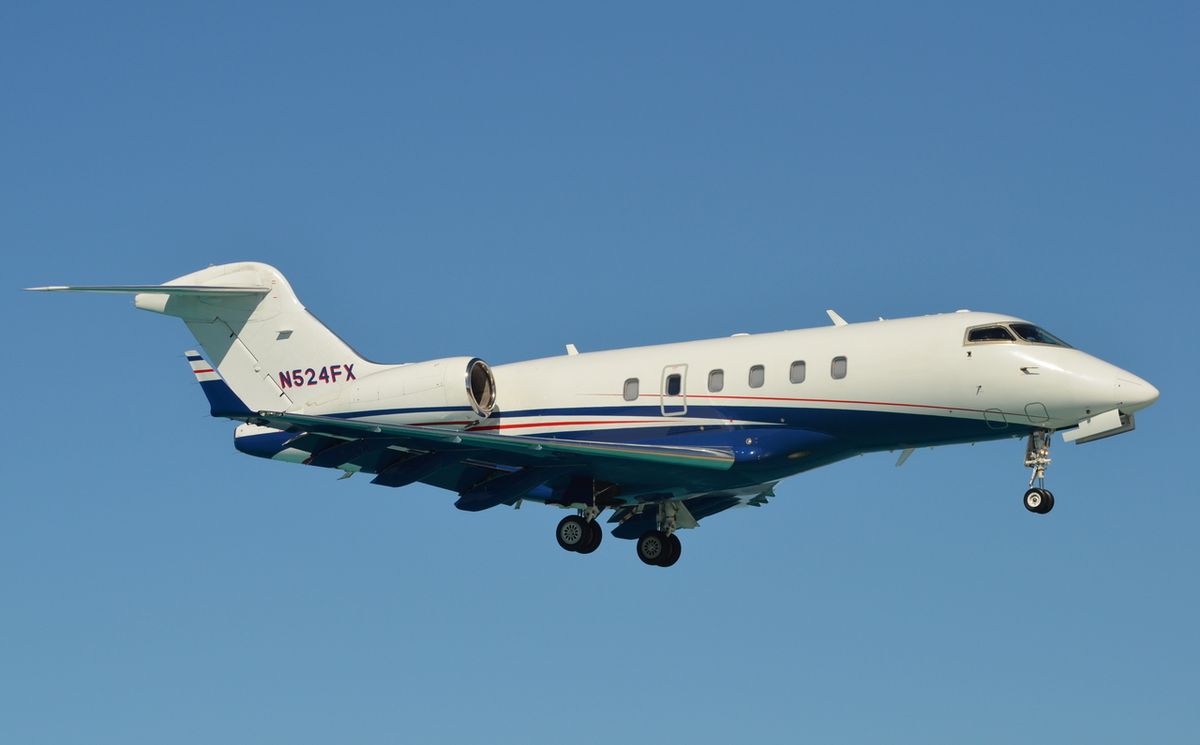
Bombardier Aviation is a division of Bombardier Inc. specializing in the design and manufacture of business aircraft. Headquartered in Dorval, Quebec, the company is a significant part of Canada's aerospace industry, historically producing a wide range of aircraft from regional jets to amphibious water bombers. Following a major restructuring in the late 2010s, it now focuses exclusively on its Global and Challenger series of business jets. The company's evolution from a diversified aerospace manufacturer to a specialized business jet producer reflects shifts in global aviation markets and competitive pressures.
History and Major Acquisitions
In 1986, the company acquired the state-owned Canadair from the Government of Canada for a total cost that, combined with later purchases, amounted to US$215 million. This was followed by the acquisition of the near-bankrupt Short Brothers in Belfast, Northern Ireland, in 1989 and the bankrupt American business jet manufacturer Learjet, based in Wichita, Kansas, in 1990. A third major acquisition came in 1992 with the purchase of the money-losing de Havilland Aircraft of Canada from Boeing. By 1990, these newly acquired entities were generating revenues of US$1.3 billion for Bombardier. This aggressive consolidation strategy rapidly established Bombardier as a major global player in both regional and business aviation, with the aerospace division soon accounting for over half of Bombardier Inc.'s total revenue.
Through the 1990s and 2000s, the integrated company developed a diverse portfolio of aircraft. Its commercial aircraft lines included the Dash 8 (Q-Series) turboprops and the CRJ series of regional jets, which became staples for airlines worldwide. In the business aviation sector, it manufactured the Challenger and Global Express lines. Other specialized products included the Bombardier 415 amphibious water-bomber, built in Dorval and North Bay. By the start of the 2010s, the company was devoting a significant portion of its research and development budget to an ambitious new project, the CSeries, aimed at competing in the 100-150 seat narrowbody market against Airbus and Boeing. The CSeries was designed to compete directly with the Airbus A318 and A319, the Boeing 737-600 and 737-700, and the Embraer 195, with Bombardier claiming it would burn 20% less fuel per trip.
The CSeries Program and Financial Struggles
The CSeries program, launched to break into the mainline jet market, became a central but costly focus for Bombardier Aviation. The aircraft family, which included the CS100 and larger CS300 models, was designed to burn 20% less fuel per trip than competing aircraft like the Airbus A318/A319 and Boeing 737-600/700, a figure that would still make it about 8% more efficient than the later Boeing 737 MAX. Its development was long and expensive, with costs reaching US$5.4 billion by early 2016, including a US$3.2 billion writeoff. The program secured a major launch customer in 2008 when Lufthansa signed a letter of intent for up to 60 aircraft. After initial type certification from Transport Canada was received for the CS100 on 18 December 2015, the first delivery was made to Swiss International Air Lines in June 2016. At the time of certification, the company had 243 firm orders and letters of intent and commitment for another 360, with most orders for the CS300 model.
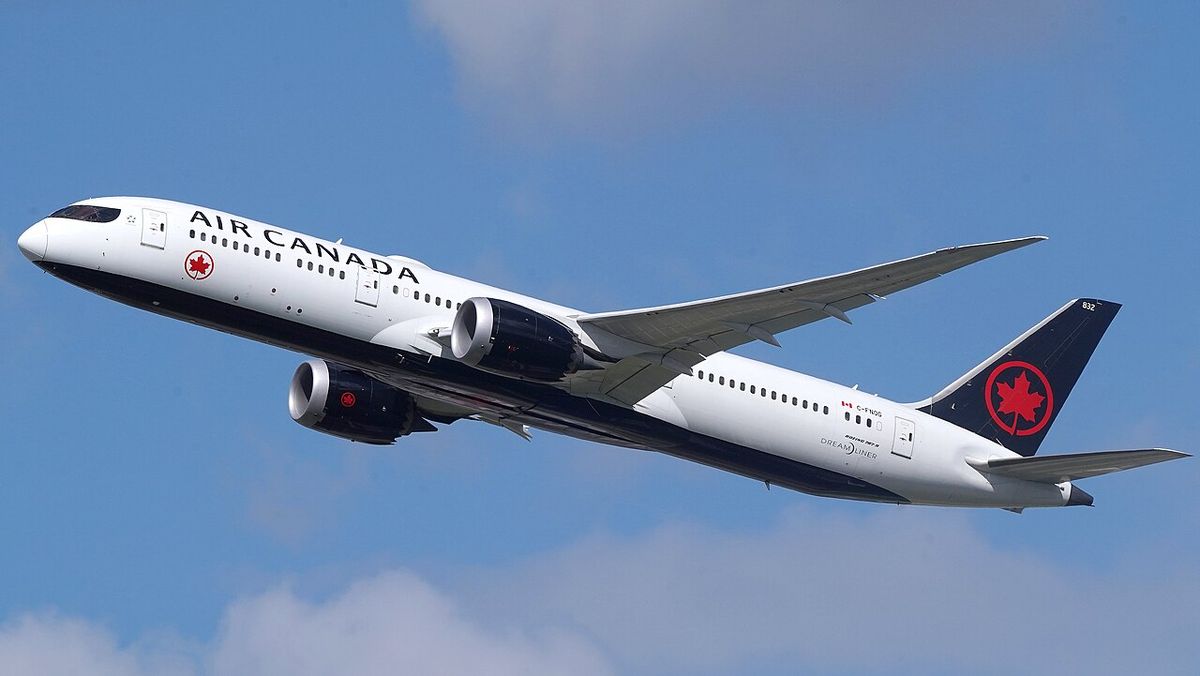
Despite the technological achievement, the program faced severe financial and market challenges. A lack of new firm orders between September 2014 and February 2016 exacerbated the company's debt, which reached approximately $9 billion. In October 2015, Bombardier announced a US$4.9 billion third-quarter loss and took a $3.2 billion writedown on the CSeries, also cancelling the Learjet 85 program and taking a further US$1.2 billion writedown. This led to significant job cuts, including 7,000 positions announced in February 2016. To keep the program and company afloat, Bombardier secured a US$2.5 billion cash infusion in late 2015, with $1 billion from the Quebec government and $1.5 billion from the Caisse de dépôt et placement du Québec. Major orders from Air Canada for up to 75 CS300s and Delta Air Lines for 75 CS100s in 2016 provided a crucial boost, though analysts noted the sales likely came with deep discounts from the list prices of US$71.8 million and US$82 million respectively. Analyst David Tyerman questioned how profitable the next CSeries order would be, while another analysis suggested the first 15 aircraft built in 2016 cost $60 million each to make but would sell for only $30 million.
International Trade Disputes and Controversies
Bombardier's commercial aircraft ambitions repeatedly entangled the company and the Canadian government in international trade disputes. In the late 1990s and early 2000s, Canada and Brazil engaged in a World Trade Organization (WTO) adjudicated dispute over government subsidies to their respective aircraft manufacturers, Bombardier and Embraer. The WTO found both countries had run illegal subsidy programs, deciding Brazil's Proex program illegally benefited Embraer and that Canada illegally subsidized its regional airliner industry. A new complaint from Brazil was filed with the WTO in February 2017, alleging unfair Canadian subsidies for the CSeries, which Embraer claimed distorted the global market.
A more consequential dispute erupted in 2017 following Delta Air Lines' order for 75 CS100 aircraft. Boeing filed a petition alleging Bombardier was dumping the jets at $19.6 million each, below their $33.2 million production cost. The United States Department of Commerce initially imposed preliminary anti-dumping and countervailing duties totaling 300%, which was later finalized at 292% in December 2017. In response, and facing these prohibitive tariffs, Bombardier negotiated a partnership with Airbus in October 2017. The company relinquished a 50.01% majority stake in the CSeries program to Airbus for a symbolic CAD$1, with plans to open a second assembly line in Mobile, Alabama. Subsequently, the United States International Trade Commission unanimously reversed its earlier threat finding in January 2018, ruling that US industry was not threatened and overturning the duties. Canada had also filed a formal complaint with the WTO against the United States over the matter in January 2018, and Boeing declined to appeal the USITC ruling in March 2018.

Government Assistance and Corporate Restructuring
As the CSeries program strained Bombardier's finances, the company sought substantial government assistance. In October 2015, the Quebec government announced a US$1 billion investment, acquiring a 49.5% interest in the limited partnership controlling the CSeries. Bombardier had reportedly asked the federal government for a $350 million repayable loan, and the province expected Ottawa to match its $1 billion investment. After negotiations, which at one point in May 2016 reportedly stalled over a federal condition to end the Bombardier family's dual-class share structure, the federal government agreed in February 2017 to provide $372.5 million in interest-free, repayable loans. These were issued in instalments over four years, with one-third intended for the CSeries and the rest for the Global 7000 business jet program. Independent economist Mark Milke publicly questioned whether these loans would be repaid, calling them "corporate welfare" in The Globe and Mail.
The company's financial struggles prompted a major internal reorganization in July 2014, which split Bombardier Aerospace into three divisions, business aircraft, commercial aircraft and aerostructures, and engineering services, and cut 1,800 jobs. This followed a 19 percent drop in orders in 2013 that had already led to 1,700 job cuts earlier that year. By the end of 2014, the employee count had reduced by 3,700, with 290 aircraft delivered and orders for 282 more on the books. The period from 2018 to 2020 marked a strategic shift, as Bombardier systematically divested its commercial aircraft portfolio to focus exclusively on business jets, a process involving several major transactions and further workforce reductions.
Divestment of Commercial Aircraft Programs
Bombardier's exit from commercial aviation was executed through a series of major sales between 2017 and 2020. The first step was the October 2017 partnership with Airbus on the CSeries, which saw Bombardier cede control of the program. This was followed by the sale of the Q400 turboprop program and the de Havilland brand to Viking Air's parent company, Longview Aviation Capital Corp., for $300 million in November 2018. The deal, which closed in June 2019, was expected to bring Bombardier $250 million in annual savings and transferred an order book of 51 Q400s to the newly revived De Havilland Aircraft of Canada Limited. In late 2018, the company also sold its business jet training program to CAE Inc. for $645 million and announced 5,000 job cuts worldwide over 18 months.
The divestment continued with the CRJ program. In June 2019, Bombardier agreed to sell it to Mitsubishi Heavy Industries, a deal that closed on 1 June 2020 after regulatory approval. Mitsubishi gained the CRJ's type certificates, service centres in Canada and the US, and Bombardier's expertise to boost its own SpaceJet programme. Bombardier retained the Mirabel assembly facility to produce CRJs on behalf of Mitsubishi until the order backlog was complete, and related support activities were transferred to the new MHI RJ Aviation Group based in Montreal. Concurrently, Bombardier sold its aerostructures activities in Northern Ireland and Morocco, and an MRO facility in Dallas, to Spirit AeroSystems in October 2019. This transaction closed in October 2020 after a last-minute amendment to the terms. The final step in the exit was the February 2020 sale of Bombardier's remaining 31% share in the Airbus Canada Limited Partnership (the A220 program) to Airbus for $591 million, giving Airbus a 75% stake.
- C-Series/A220: Partnership with Airbus (October 2017), sold remaining stake (February 2020).
- Q400 Program: Sold to Longview Aviation Capital for $300 million (November 2018, closed June 2019).
- CRJ Program: Sold to Mitsubishi Heavy Industries (deal closed 1 June 2020).
- Aerostructures: Sold Northern Ireland, Morocco, and Dallas operations to Spirit AeroSystems (closed October 2020).
- Business Jet Training: Sold to CAE Inc. for $645 million (late 2018).
Following the sales of its commercial aircraft programs, Bombardier's aerospace division was renamed Bombardier Aviation in May 2019. This change was made to reflect the company's new and singular focus on business aircraft. The company had shifted its focus from commercial to business aircraft. Bombardier Aviation is headquartered in Dorval, Quebec, Canada.
Strategic Partnership with Airbus on the CSeries
The partnership with Airbus, announced on 16 October 2017, was a decisive move to secure the future of the beleaguered CSeries program. Under the deal, Airbus acquired a 50.01% majority stake in the program's holding company, with Bombardier retaining 31% and Investissement Québec 19%. The aircraft was subsequently rebranded as the Airbus A220. The partnership was designed to leverage Airbus's global scale, supply chain expertise, and sales network to lower production costs and boost sales in a market estimated at over 6,000 aircraft over 20 years. Airbus did not pay for its share nor assume any debt from the program, and the headquarters and primary assembly line remained in Quebec.
The agreement included the establishment of a second assembly line at the Airbus Mobile factory in Alabama, United States. Specific clauses allowed Airbus to buy out Quebec's share in 2023 and Bombardier's share seven years after the deal closed, while production was contractually required to remain in Quebec until at least 2041. Airbus insisted it had no plan to buy Bombardier's remaining stake and framed the relationship as a strategic partnership continuing beyond 2025. Bombardier CEO Alain Bellemare stated the deal brought certainty to the program's future and would "take the CSeries program to new heights" through combined strengths, increasing confidence that the aircraft was there to stay.
Current Focus and Business Jet Portfolio
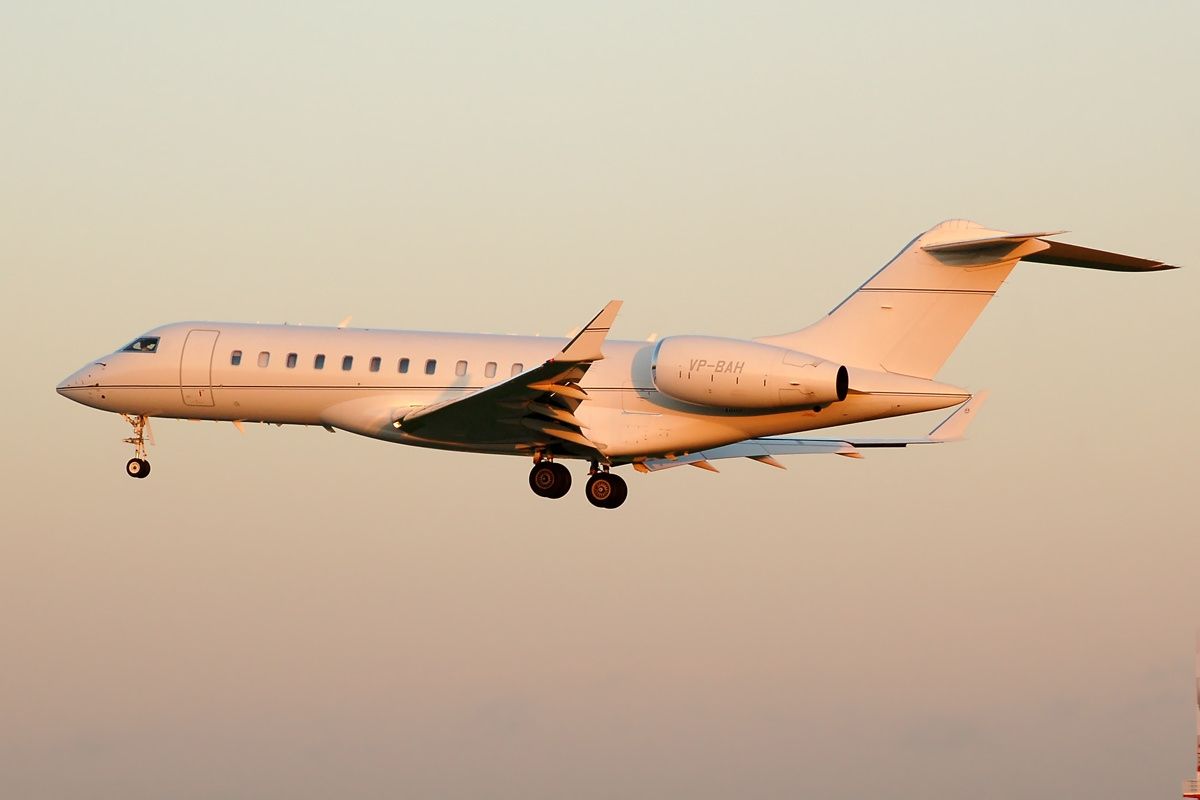
Following its complete exit from commercial aviation, Bombardier Aviation is now dedicated solely to the business jet market. The company's product line consists of two main families: the large-cabin, long-range Global series and the super mid-size Challenger series. The flagship of the fleet is the Global 7500, which the company had forecast would be a major driver of revenue and cash flow. In its strategic outlook from late 2018, the company anticipated business jet shipments would increase from 135 in 2018 to between 150 and 155 in 2019. It projected total company revenues of $16.5 billion in 2018, rising to over $20 billion in 2020, with free cash flow of $0.75 to $1 billion, largely driven by the Global 7500.
The company specifically projected its Business Aircraft revenues would grow from $5 billion in 2018 to $6.25 billion in 2019 and $8.5 billion in 2020 with 180 deliveries. This growth included an expansion of its aftermarket service business, aiming to double the share captured from the 4,700-aircraft global fleet from the 28% level it held in 2015. In contrast, it expected its commercial airliner revenues to shrink from $1.7 billion to $1.4 billion in 2019 before being eliminated entirely through divestment. The transformation from a diversified industrial manufacturer to a pure-play business jet company represents one of the most significant corporate restructurings in modern Canadian industrial history.
Global Operations, Workforce, and Market Activities
At its peak, Bombardier's aerospace operations were a vast global enterprise with a significant economic footprint. The company operated manufacturing plants in 27 countries and employed over 70,000 workers worldwide. Its international footprint expanded with acquisitions like Short Brothers in Northern Ireland and Learjet in the United States, and later through the establishment of facilities such as a parts manufacturing site near Casablanca, Morocco, which began operations in 2012 with a permanent facility opening in late 2014. The workforce was heavily concentrated in Canada, particularly in Quebec and Ontario, where major design, engineering, and assembly sites like those in Dorval, Mirabel, and Toronto were located.
The financial pressures of the 2010s led to severe workforce reductions. Major rounds of layoffs were announced in 2014 (1,700 cuts), 2015 (7,000 cuts linked to the CSeries writedown), and again in late 2018 (5,000 cuts over 18 months, including 500 in Ontario, 2,500 in Quebec, and 2,000 outside Canada). The divestment of commercial aircraft programs further reduced the company's operational scale and employee count. Beyond manufacturing, Bombardier engaged in various international cooperative agreements. In March 2011, it signed a long-term strategic cooperation framework with COMAC of China covering the CRJ, CSeries, and Q-Series. In October 2013, a joint development deal with a South Korean consortium was revealed to develop a 90-seat turboprop, targeting a 2019 launch. While the company no longer discloses a total employee figure, its current operations are centred on its business jet design, final assembly, and support activities, primarily in Canada and at its completion centre in Wichita, Kansas.
Financial Performance and Order Highlights
Bombardier Aviation's financial trajectory has been marked by periods of significant revenue followed by steep losses driven by the CSeries program. In 2015, the company reported profits of $138 million before taking a massive $5.4 billion write-down. Its order book has seen several landmark deals that highlighted its market position but also revealed the pressures of competition. In November 2012, the company signed the largest deal in its history with Swiss operator VistaJet for 56 Global series jets valued at $3.1 billion, with an option for 86 more that could bring the total to $7.8 billion. The CSeries program secured a crucial conditional order from Canada's Porter Airlines in April 2013 for 12 aircraft with options on 18 more, though this was shelved in 2015 when the government did not approve the required runway expansion at Billy Bishop Toronto City Airport.
The company made financial projections during its restructuring phase in late 2018. These projections highlighted a planned transition from commercial to business aviation. Bombardier anticipated business jet shipments would increase from 135 in 2018 to 150 to 155 in 2019. The company also forecast revenues of 16.5 billion dollars in 2018, rising to over 20 billion dollars in 2020.
| Category | 2020 Projection |
|---|---|
| Business Jet Shipments | 180 (est. for revenue calc.) |
| Total Company Revenue | Over $20 billion |
| Commercial Aircraft Deliveries (CRJ/Q400) | 0 (post-divestment) |
| Commercial Aircraft Revenue | $0 |
These late 2018 projections anticipated that the Aerostructures and Engineering Services division would grow from 2 billion dollars in 2018 to 2.25 billion dollars in 2020. The company's ability to win large business jet orders, like the VistaJet deal, remained a relative strength. In November 2012, Bombardier signed its largest deal with VistaJet for 56 Global series jets. In January 2016, Bombardier announced it would cancel deals with third party sales agent Tag Aeronautics. It aimed to resell 24 firm and 30 optional orders without a sales agency fee to boost profit margins.
Questions about Bombardier Aviation
Why did Bombardier sell the CSeries to Airbus?
Bombardier entered a partnership with Airbus on the CSeries program in October 2017. This was after the United States Department of Commerce imposed duties totalling 292 percent. Bombardier relinquished 50.01 percent of its stake in the CSeries program to Airbus for a symbolic one Canadian dollar. The partnership was intended to secure the program's future and gain access to Airbus's global supply chain.
Did the Canadian government bail out Bombardier?
Yes, both the Quebec and federal governments provided financial assistance. In October 2015, Quebec invested US$1 billion for a 49.5% stake in the CSeries program. In February 2017, the federal government provided $372.5 million in interest-free, repayable loans over four years, with portions for the CSeries and Global 7000 jet. This aid followed negotiations where the federal government had reportedly earlier offered a $1 billion package conditional on governance changes. The assistance was controversial, with critics labelling it corporate welfare.
What happened to the Bombardier CRJ and Q400 planes?
Both aircraft lines were sold as part of Bombardier's exit from commercial aviation. The Q400 program and the de Havilland brand were sold to Longview Aviation Capital for $300 million in 2019, reviving De Havilland Aircraft of Canada. The CRJ program was sold to Mitsubishi Heavy Industries in 2020, with related service activities transferred to the MHI RJ Aviation Group. Bombardier retained the Mirabel facility to complete the existing CRJ order backlog on behalf of Mitsubishi but no longer manufactures these regional aircraft.
Where is Bombardier Aviation headquartered and where did it operate?
Bombardier Aviation is headquartered in Dorval, Quebec, Canada. At its peak, it operated manufacturing plants in 27 countries worldwide, with significant sites in Northern Ireland (Short Brothers), the United States (Learjet in Wichita, Kansas), and Morocco. Following divestments, its current operations are focused on business jet activities in Canada and the US. The company's first African facility, for manufacturing flight controls, opened near Casablanca, Morocco in 2012.
How many people did Bombardier Aviation employ and how many jobs were cut?
At its peak, Bombardier operated manufacturing plants in 27 countries and employed over 70,000 workers. The company significantly reduced its workforce under financial pressure. In January 2014, 1,700 employees were cut from Bombardier Aerospace. In February 2016, Bombardier announced 7,000 jobs would be cut. In late 2018, Bombardier announced 5,000 job cuts over 18 months.
What does Bombardier Aviation make today?
Bombardier Aviation currently produces the Global and Challenger series of business jets. This focus on business aircraft followed a significant strategic shift. Under financial pressure, the company divested its entire commercial aircraft portfolio to concentrate on this core market. The divested programs included the Q Series regional turboprop, the CRJ Series of regional jets, and the C Series narrowbody jet, which is now marketed as the Airbus A220. The company's headquarters remain in Dorval, Quebec, Canada.
Sources and further reading
- Bombardier Aviation (Wikipedia)
- Bombardier Careers (jobs.bombardier.com)
Checked by the Yadude Books desk. Last updated 2026-10-22.