Electro-Motive Diesel
Electro-Motive Diesel (EMD) is a historic brand of diesel-electric locomotives, locomotive products, and diesel engines for the global rail industry. For decades, its locomotives have been a dominant presence on Canadian railways, with significant manufacturing operations once based in London, Ontario. Formerly a division of General Motors, EMD was acquired by Progress Rail, a subsidiary of Caterpillar Inc., in 2010. Today, the company continues to design, manufacture, and service rolling stock and related components from its headquarters in McCook, Illinois, serving customers in over 100 countries.
Founding and Early Development
The origins of Electro-Motive Diesel trace back to the Electro-Motive Engineering Corporation, founded in Cleveland, Ohio, in 1922 by Harold L. Hamilton and Paul Turner. Hamilton, a former locomotive engineer, leveraged his railroading experience to identify a market for self-propelled railcars. The company soon renamed itself the Electro-Motive Company (EMC) and began marketing gasoline-powered rail motor cars, subcontracting body construction, electrical components, and engines to other firms. Its first two cars were sold in 1923 to the Chicago Great Western and Northern Pacific railways, with delivery and conditional sales based on satisfactory performance occurring in 1924. By 1925, EMC entered full-scale production, selling 27 railcars and establishing itself as a niche manufacturer in the burgeoning market for internal combustion rail vehicles.
The General Motors Era and Diesel Breakthroughs
General Motors purchased both the Winton Engine Company and the Electro-Motive Company in 1930, seeking to expand into diesel engine production. The merged entities, supported by GM research led by Charles F. Kettering, worked to develop diesel engines suitable for mobile applications. A major breakthrough came in 1934 with the Winton 201A engine, an eight-cylinder, two-stroke diesel that powered the groundbreaking Burlington Zephyr streamliner. This demonstrated the viability of diesel for high-speed passenger service. EMC invested in a new locomotive factory in McCook, Illinois, which remains the corporate headquarters, and began producing switch engines and the famed E-series streamlined passenger locomotives starting in 1937.
The culmination of GM's research was the introduction of the model 567 diesel engine in 1938 by the Cleveland Diesel Engine Division. This engine significantly improved reliability and power, enabling EMC's E-units to reach 2,000 horsepower per unit. Also in 1938, EMC began producing its own generators and traction motors in-house, moving away from reliance on General Electric. To prove diesel power for freight, the company built the four-unit FT locomotive demonstrator in 1939 and sent it on a continent-wide tour. The tour was a resounding success, particularly with western railroads that valued the diesel's independence from water supplies, leading to the first orders in 1940 after the addition of dynamic braking.
Post-War Dominance and Canadian Operations
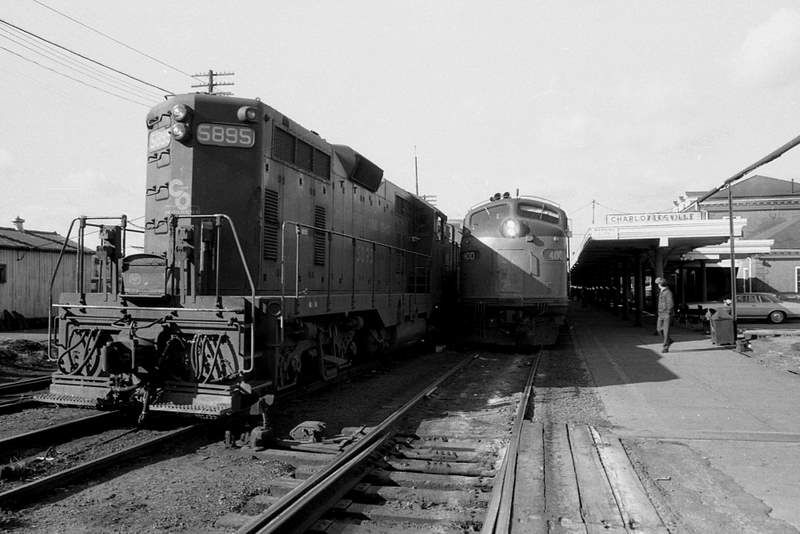
On January 1, 1941, General Motors consolidated its locomotive operations under the GM Electro-Motive Division (EMD), creating a fully integrated entity. The first FT unit was delivered to the Atchison, Topeka & Santa Fe Railway that same month. World War II temporarily shifted priorities, but EMD emerged with a commanding technical and production lead over competitors like ALCO and Baldwin. The post-war dieselization of North American railroads created enormous demand. In 1950, EMD expanded its footprint into Canada by opening a plant in London, Ontario, operated by the subsidiary General Motors Diesel (GMD). The GMD plant produced both standard EMD designs and unique models for the Canadian domestic and export markets, benefiting from tariff advantages within the British Commonwealth.
The 1950s also saw EMD solidify its market leadership with the introduction of the road-switcher, a versatile hood-unit design that revolutionized freight service. The GP9 model, introduced in 1954, became the most-produced EMD locomotive ever, with 4,112 A units and 165 B units sold by 1963. By the late 1950s, competitors like Baldwin and Fairbanks-Morse had exited the market, leaving only ALCO and the emerging General Electric as significant rivals. This period established the fundamental locomotive designs and the enduring two-company rivalry between EMD and GE that would define the North American industry for decades to come.
- 1941: GM Electro-Motive Division (EMD) formally established.
- 1945: FT model ends production after 555 cab and 541 booster units.
- 1950: GMD plant opens in London, Ontario.
- 1954 to 1963: GP9 locomotive production run.
- 1956: Baldwin leaves the locomotive business.
- 1963: Fairbanks-Morse exits locomotive field.
Technological Evolution and Market Competition
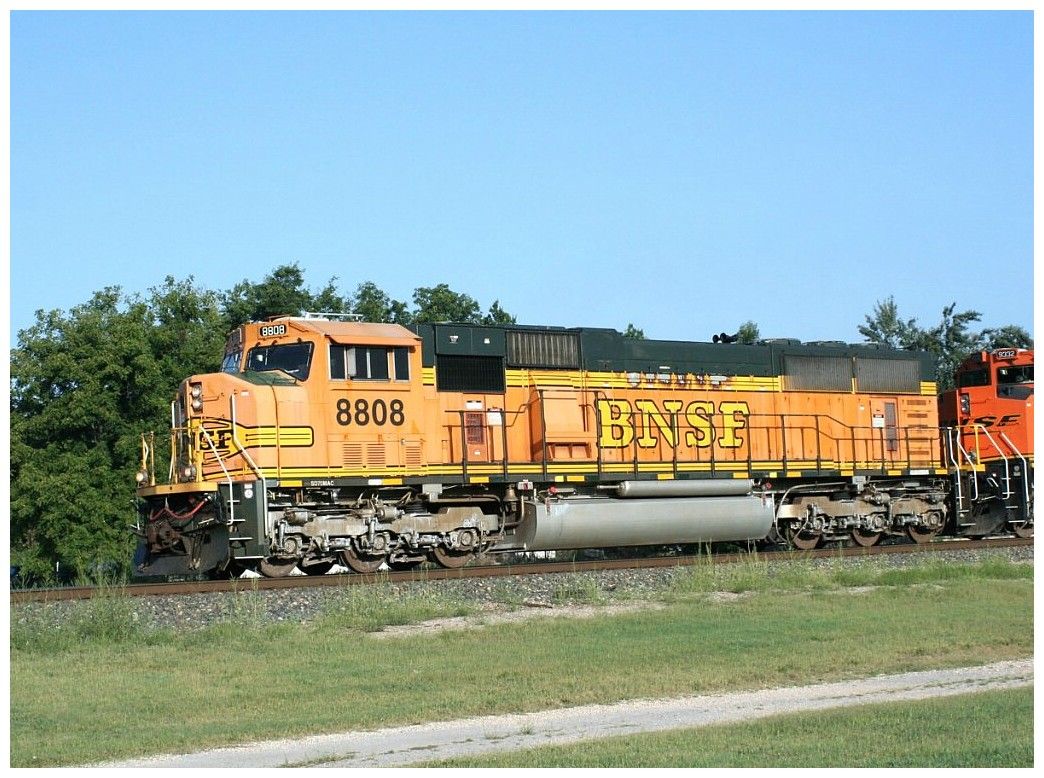
The 567 engine was upgraded and turbocharged, with its final V-16 version producing 2,500 horsepower by 1966. In response to competition from General Electric's new U25B locomotive in 1960, EMD developed the more powerful 645 engine, introduced in late 1965. The company's greatest sales success came with the Dash-2 line, featuring modular control systems introduced in 1972. The EMD SD40-2 became one of the most successful diesel locomotive designs in history, with 3,945 units built.
The 1980s brought further innovation with the introduction of the 710 engine in 1984, powering the new 60 Series locomotives like the SD60 and GP60. Control systems also advanced to microprocessor-based technology. However, during this decade, EMD's North American market share dropped below that of General Electric for the first time in 1987. Following the Canada-United States Free Trade Agreement in 1989, EMD consolidated all locomotive production at its London, Ontario, plant, ending assembly at its historic La Grange, Illinois, facility in 1991. The 1990s saw the adoption of AC traction drive technology and radial steering trucks. In 1998, EMD introduced its first four-stroke engine since the 1930s, the 16-cylinder 265H, which produced a record 6,300 horsepower but saw limited acceptance due to reliability concerns.
Ownership Changes and Modern Operations
General Motors sold the Electro-Motive Division to a consortium of investors, Greenbriar Equity Group and Berkshire Partners, in April 2005, after which the company was renamed Electro-Motive Diesel, Inc. In August 2010, Progress Rail Services, a wholly-owned subsidiary of Caterpillar Inc., acquired EMD for $820 million in cash. Under Progress Rail, EMD operates as a brand and subsidiary focused on rolling stock and related services. The company's headquarters and engineering facilities remain in McCook, Illinois, while its final locomotive assembly line is located in Muncie, Indiana. EMD also operates a traction motor maintenance and overhaul facility in San Luis Potosí, Mexico.
As of July 2026, EMD employs approximately 729 people and its revenue is estimated to be in the $50 million to $100 million range. The company maintains a global footprint, serving customers in over 100 countries with operations in the United States, Canada, Australia, Brazil, China, and several European nations. Its product portfolio includes new, used, and remanufactured locomotives, transit units, freight cars, parts, component reconditioning, repair, and leasing services. Recent strategic initiatives under Progress Rail include a major locomotive modernization program with Norfolk Southern announced in March 2026, partnerships for composite rail ties, and collaborations with technology firms like Railmonitor to offer digital monitoring solutions.
EMD in the Canadian Context
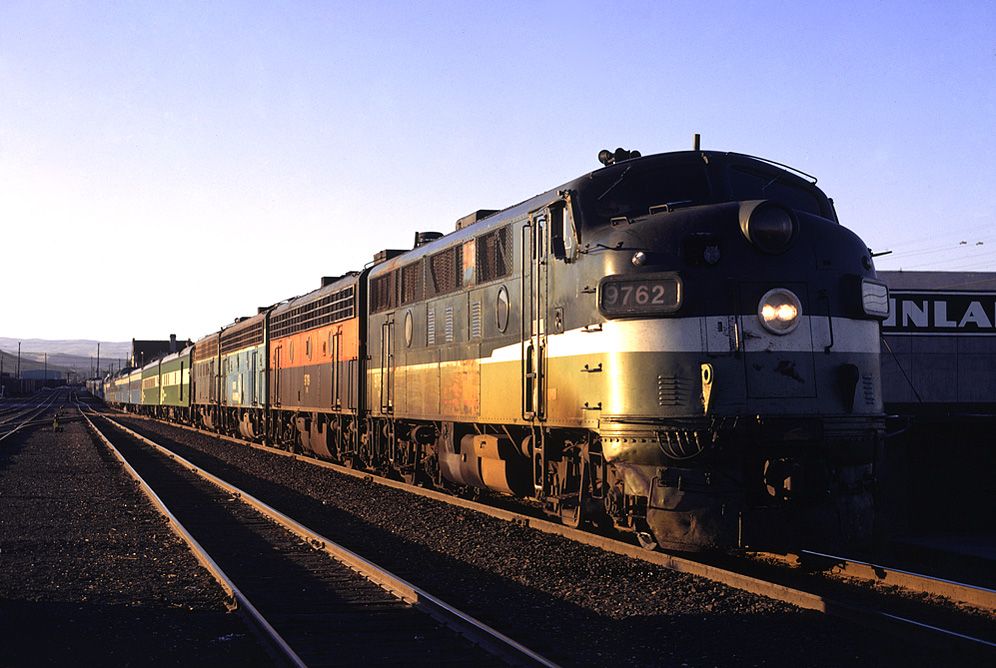
Electro-Motive Diesel has a long and significant history in Canada, primarily through its former General Motors Diesel plant in London, Ontario. That facility produced locomotives for the Canadian domestic market and for export throughout the Commonwealth for decades. The majority of locomotives in the North American fleet were built by EMD, and this includes a substantial portion of the locomotives operating on Canadian railways such as Canadian National and Canadian Pacific. Following the 1989 free trade agreement, the London plant became EMD's sole production site until its later closure, a move that highlighted Canada's central role in the company's manufacturing strategy during that period. EMD has also been actively engaged with Canadian regulatory processes, such as submitting comments on Transport Canada's 2010 locomotive emissions consultation to advocate for harmonization with United States standards.
Product Line and Market Position
Throughout its history, Electro-Motive Diesel has been defined by its well-known locomotive models and diesel engines. The company's product evolution created industry standards, from the freight-hauling FT and the ubiquitous GP-series road-switchers to the high-horsepower SD series. Its engines, particularly the long-lived 567, 645, and 710 series, have powered thousands of locomotives worldwide. As of 2010, EMD held approximately 30 percent of the North American market for diesel-electric locomotives, with its principal competitor, GE Transportation (now part of Wabtec), holding the larger share. The company has historically boasted the largest installed base of diesel-electric locomotives globally, and its 2009 revenues were reported as $1.8 billion.
Modern Electro-Motive Diesel offerings under Progress Rail focus on a full lifecycle approach to rail assets. The brand produces diesel-electric locomotives, locomotive products, and diesel engines for the rail industry. Its headquarters and engineering facilities are based in McCook, Illinois, while its final locomotive assembly line is located in Muncie, Indiana. The company also operates a traction motor maintenance, rebuild, and overhaul facility in San Luis Potosí, Mexico. As of 2010, it held approximately 30% of the market for diesel-electric locomotives in North America.
| Model | Introduced | Prime Engine | Notable Horsepower |
|---|---|---|---|
| FT | 1939 | 567 | 1,350 hp (per unit) |
| SD40-2 | 1972 | 645E3 | 3,000 hp |
Recent activities by Electro-Motive Diesel emphasize modernization and sustainability. The company's principal competitor is Wabtec-owned GE Transportation. In the past, EMD introduced modular control systems with the Dash-2 line in 1972, and the EMD SD40-2 became one of the most successful diesel locomotive designs in history. The company also developed new engines, such as the 710 engine introduced in 1984 with the 60 Series locomotives. These historical developments laid the foundation for the company's ongoing focus on product evolution and market relevance.
Questions about Electro-Motive Diesel
Who owns Electro-Motive Diesel?
Electro-Motive Diesel has been owned by Progress Rail since 2010. Progress Rail is a subsidiary of the heavy equipment manufacturer Caterpillar. Formerly, EMD was a division of General Motors. In 2005, GM sold EMD to Greenbriar Equity Group and Berkshire Partners.
Where are EMD locomotives built?
The final assembly line for EMD locomotives is located in Muncie, Indiana. The company's headquarters and engineering facilities are based in McCook, Illinois. EMD also operates a traction motor maintenance, rebuild, and overhaul facility in San Luis Potosí, Mexico. Historically, locomotive production also took place at a plant in London, Ontario, and at the La Grange, Illinois, facility, which ended assembly in 1991.
What is EMD's main competitor?
EMD's principal competitor in the diesel-electric locomotive market is Wabtec-owned GE Transportation (formerly General Electric Transportation). Historically, the two companies have vied for market dominance in North America. In 2007, GE held up to 70 percent of the market, while EMD held approximately 30 percent as of 2010. Other historical competitors included the American Locomotive Company (ALCO), Baldwin, and Fairbanks-Morse.
What was EMD's most successful locomotive?
The EMD SD40-2 is considered one of the most successful diesel locomotive designs in history. Introduced in 1972 as part of the Dash-2 line with modular control systems, a total of 3,945 SD40-2 units were built. In terms of sheer production volume, the GP9 holds the record as the most-produced EMD model ever, with 4,112 A units and 165 B units sold between 1954 and 1963. The GP9's ease of maintenance and versatility made the road-switcher design the dominant form for North American locomotives. The SD40-2's success is noted for both its high sales and its exceptional service longevity in the railroad industry.
Did EMD have a factory in Canada?
Yes, Electro-Motive Diesel operated a factory in Canada. In 1950, EMD's new plant in London, Ontario, began production. This facility was operated by the Canadian subsidiary General Motors Diesel (GMD). It produced both existing EMD designs and unique GMD models for the Canadian domestic and export markets. As a Canadian concern, GMD could sell products to other British Commonwealth nations without certain tariffs. Later, after the Canada-United States Free Trade Agreement took effect in 1989, EMD consolidated all locomotive production at this London, Ontario plant, ending production at its La Grange, Illinois facility in 1991.
What does EMD do today?
Electro-Motive Diesel is a brand of diesel-electric locomotives, locomotive products and diesel engines for the global rail industry. Since 2010, EMD has been a wholly owned subsidiary of Progress Rail, which is itself a Caterpillar company. The company's headquarters and engineering facilities are based in McCook, Illinois. Its final locomotive assembly line is located in Muncie, Indiana, and it operates a traction motor maintenance facility in San Luis Potosí, Mexico. EMD provides new, used, and remanufactured locomotives along with parts, component reconditioning, repair, and leasing services to the railroad industry.
Sources and further reading
- Electro-Motive Diesel (Wikipedia)
- Electro-Motive Diesel, Inc. - Transports Canada (tc.canada.ca)
- EMD (Electro-Motive Diesel) Company Overview, Contact ... (leadiq.com)
- Caterpillar unit to buy Electro-Motive Diesel (metro-magazine.com)
Checked by the Yadude Books desk. Last updated 2026-10-29.