Tim Hortons
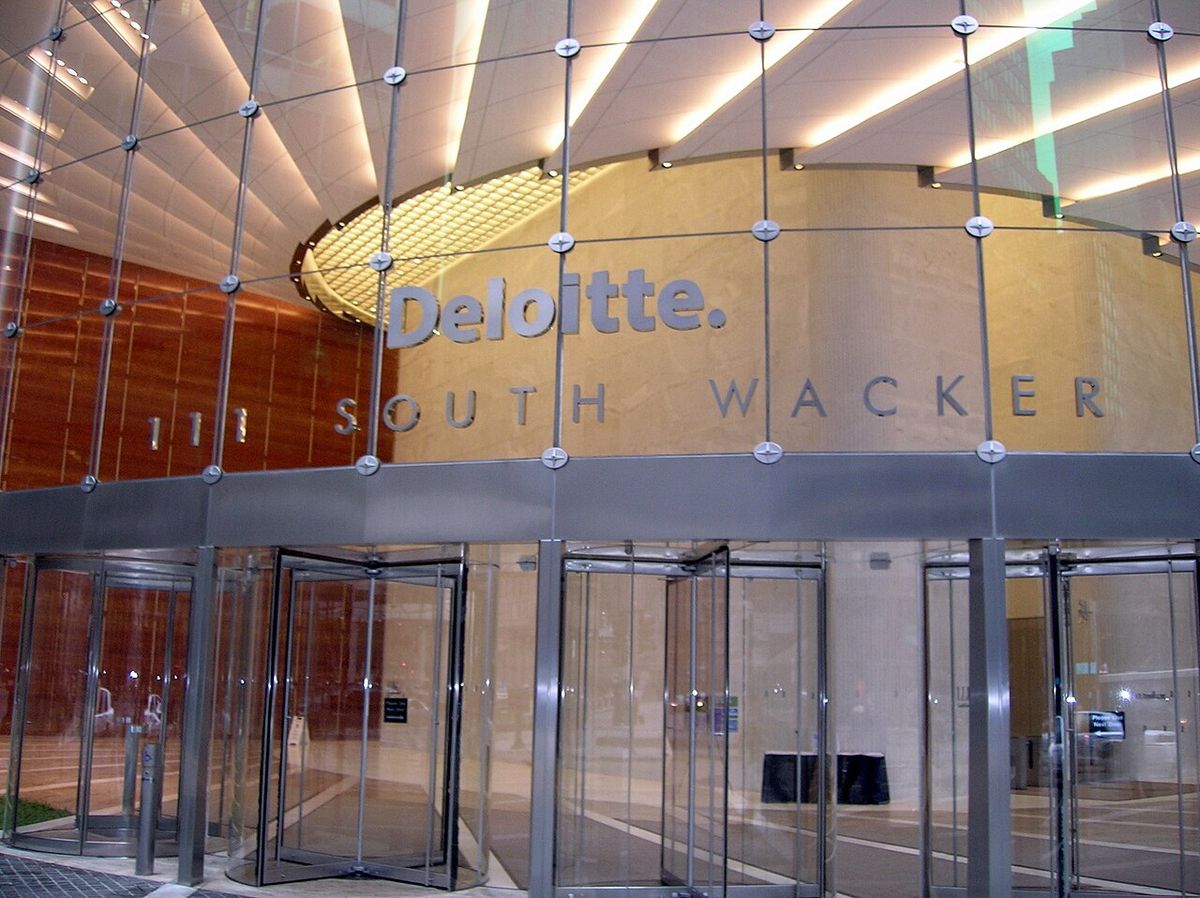
Tim Hortons Inc., commonly known as Tim's, Timmies or Timmy's, is a Canadian multinational coffeehouse and restaurant chain headquartered in Toronto. It was founded in 1964 in Hamilton, Ontario, by Canadian ice hockey player Tim Horton and Jim Charade. The chain serves coffee, donuts, sandwiches, breakfast egg muffins and other fast-food items. As of the latest figures, it is Canada's largest quick-service restaurant chain with 6,043 restaurants across 14 countries, which has led to its deep integration into daily routines and community fundraising, cementing its status as a widely recognized Canadian brand.
Founding and early expansion under Ron Joyce
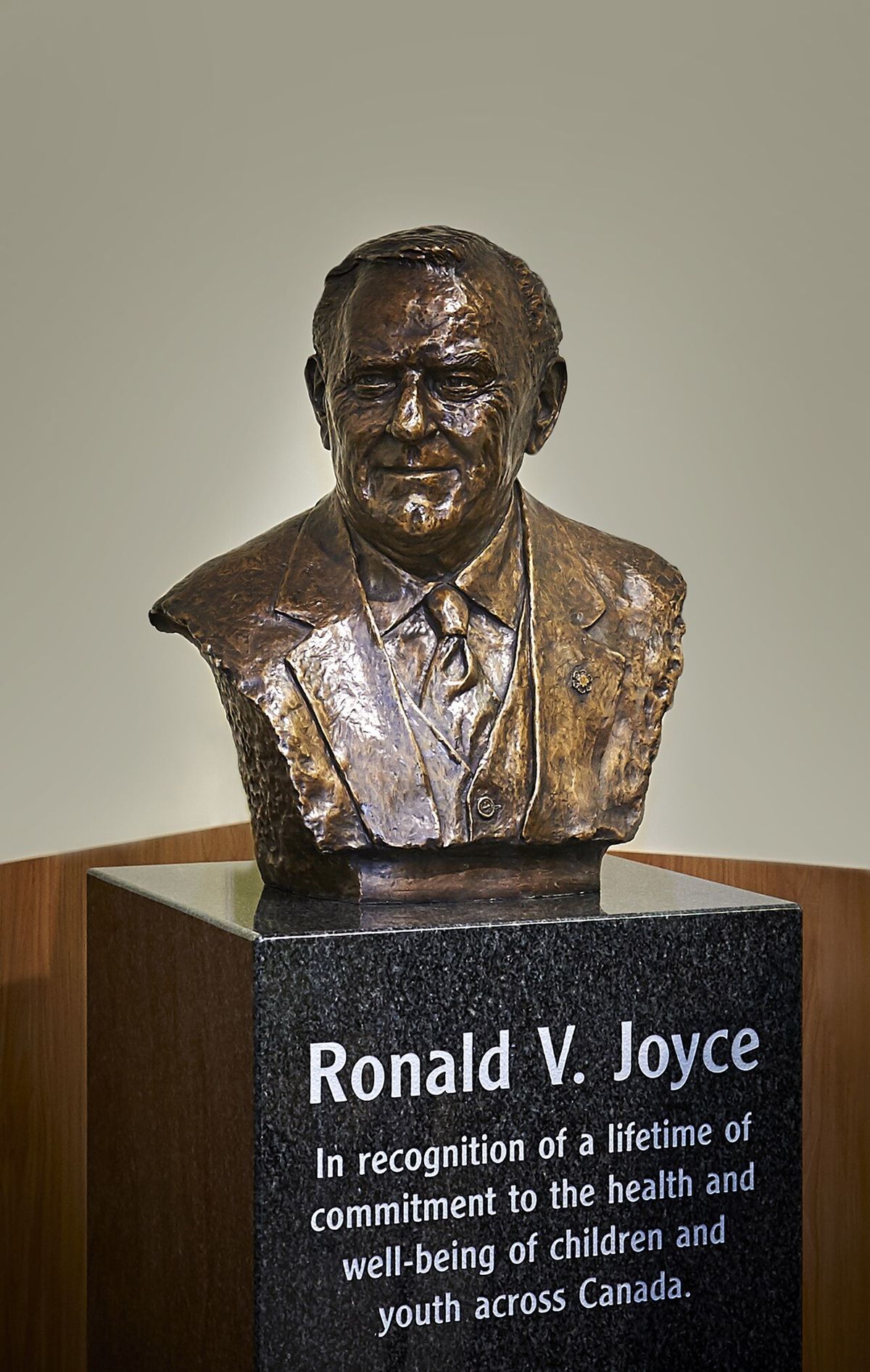
The first Tim Horton restaurant opened in North Bay, Ontario, initially selling hamburgers. The chain's dedicated donut store debuted on May 17, 1964, in Hamilton under the name Tim Horton Donuts. Soon after, Horton met Ron Joyce, a former Hamilton police constable, who took over the Ottawa Street North location in 1965. By 1967, after opening two more stores, Horton and Joyce became full partners. Following Tim Horton's death in a car crash in 1974, Joyce purchased the Horton family's shares for $1 million, assuming sole ownership of the then 40-store chain. Joyce aggressively expanded the business, driving many independent donut shops out of business and significantly increasing Canada's per-capita ratio of donut shops. The 500th Tim Hortons store opened in 1991, marking a period of rapid growth. The partnership between the families continued through the marriage of Joyce's son, Ron Joyce Jr., and Horton's eldest daughter, Jeri-Lynn Horton-Joyce, who were joint owners of franchises in Cobourg, Ontario, until their retirement in 2023.
Corporate evolution and name standardization
The company was originally incorporated as Tim Donut Limited but later changed its name to The TDL Group Ltd. in the 1990s to reflect a broader menu beyond donuts. Some older locations retained signage with a possessive apostrophe, but the official styling was changed to Tim Hortons without an apostrophe. This change was partly in response to interpretations of Quebec's language sign laws in 1993, allowing for one common sign image across Canada. The decision on bilingual menu boards in Quebec is left to franchise owners, though the TDL Group Corporation strongly recommends posting in both English and French in accordance with the Office québécois de la langue française. A significant merger occurred on August 8, 1995, when the American company Wendy's International, Inc. acquired TDL Group, a move that was met with media commentary about a Canadian brand selling out. The success of a combined Tim Hortons and Wendy's store in Montague, Prince Edward Island, in 1992, operated by Daniel P. Murphy, helped lead to this corporate merger.
Regaining independence and public listing
Under pressure from major investors Peter May and Nelson Peltz, Wendy's announced in late 2005 it would sell part of Tim Hortons in an initial public offering. Shares began trading on March 24, 2006, at CA$27 per share, raising over $700 million on the first day. Wendy's cited increased competition between the two chains and Tim Hortons' growing self-sufficiency as reasons for the spin-off. On September 24, 2006, Wendy's distributed its remaining 82% interest to its shareholders, completing Tim Hortons' return to independence. The same day, Tim Hortons was added to the S&P/TSX Composite Index and the S&P/TSX 60. By March 2006, the chain commanded 76% of the Canadian baked goods market based on customers served and held 62% of the coffee market, compared to Starbucks at 7%. During this period, the company also introduced the Tim Hortons Express kiosk format for non-traditional venues like universities and airports.
Repatriation and corporate restructuring
On June 29, 2009, Tim Hortons Inc. announced a plan to reorganize under a new publicly traded Canadian company incorporated under the Canada Business Corporations Act, a change made primarily for tax purposes. The reorganization was completed on September 28, 2009, making Tim Hortons a Canadian public company once more. In November 2010, the company extended Interac debit payment system acceptance to most of its stores, having begun acceptance in Western Canada in 2003 and MasterCard in 2007. The company often indicated the delay of broader electronic payment acceptance was to ensure speed of service. Tim Hortons began accepting Visa cards in 2012 and American Express cards in 2013. In late 2013, Tim Hortons had 4,350 cafes across the world, with 3,500 in Canada, 817 in the U.S., and 33 in the Gulf Cooperation Council region, recording revenues of $794 million and a net profit of $111 million in the September quarter.
The 2014 merger with Burger King and RBI formation
On August 24, 2014, Burger King announced negotiations to merge with Tim Hortons in an $18 billion deal involving a tax inversion into Canada. The official confirmation came on August 25, with a total value of CA$12.5 billion (US$11.4 billion). The agreement planned for 3G Capital, which held a 71% stake in Burger King, to own 51% of the new holding company, with Tim Hortons' shareholders owning 22% and Burger King's owning 27%. The new entity, Restaurant Brands International (RBI), would be based in Oakville and listed on both the TSX and NYSE. Burger King CEO Daniel Schwartz became CEO of RBI, while Tim Hortons CEO Marc Caira became vice-chairman. The Competition Bureau of Canada approved the deal on October 28, 2014, ruling it unlikely to lessen competition. Industry Minister James Moore approved it on December 4, imposing conditions that the chains operate separately, maintain employment in Oakville, and ensure Canadians made up at least 50% of Tim Hortons' board. Shareholders approved the merger on December 9, and RBI began trading on December 15, 2014.

Growth, market dominance, and Canadian expansion
Tim Hortons expanded rapidly throughout Canada, eventually overtaking McDonald's as the country's largest food service operator by 2002. By 2005, it had opened twice as many Canadian outlets as McDonald's and accounted for 22.6% of all fast-food industry revenues in Canada. The chain's growth was originally concentrated in Ontario and Atlantic Canada before expanding into Quebec and western Canada. In March 2010, the company announced a plan to open 600 new stores in Canada by 2013, focusing on Quebec, Western Canada, and smaller communities. It also planned expansion into non-standard locations like hospitals and universities, and extended a co-branding initiative with Cold Stone Creamery. The chain opened its 4,000th restaurant in December 2011. By the end of 2018, it operated 3,802 restaurants in Canada. The northernmost location as of 2023 is in Pond Inlet, Nunavut, following earlier kiosks opened in Iqaluit in 2010.
Tim Hortons is Canada's largest quick-service restaurant chain with 6,043 restaurants across 14 countries as of the latest data. The first Tim Horton restaurant opened in North Bay, Ontario, and sold hamburgers, while the chain's first dedicated donut store opened on May 17, 1964, in Hamilton, Ontario. The 500th store opened in 1991, and by 2005, the chain had overtaken McDonald's as Canada's largest food service operator. In December 2011, Tim Hortons opened its 4,000th restaurant, and as of August 2024, the chain has expanded to 5,702 restaurants globally.
- 1967: Horton and Joyce become full partners.
- 1991: The 500th store opens.
- 2002: System-wide sales surpass McDonald's Canadian operations.
- 2005: TDL Group records $1.48 billion in sales.
- 2010: Opens three kiosks in Iqaluit, Nunavut, completing presence in every province and territory.
- 2011: The 4,000th restaurant opens.
- 2018: Operates 3,802 restaurants in Canada.
- 2023: Northernmost store operates in Pond Inlet, Nunavut.
- 2024: Global restaurant count reaches 5,702.
International expansion and U.S. market challenges
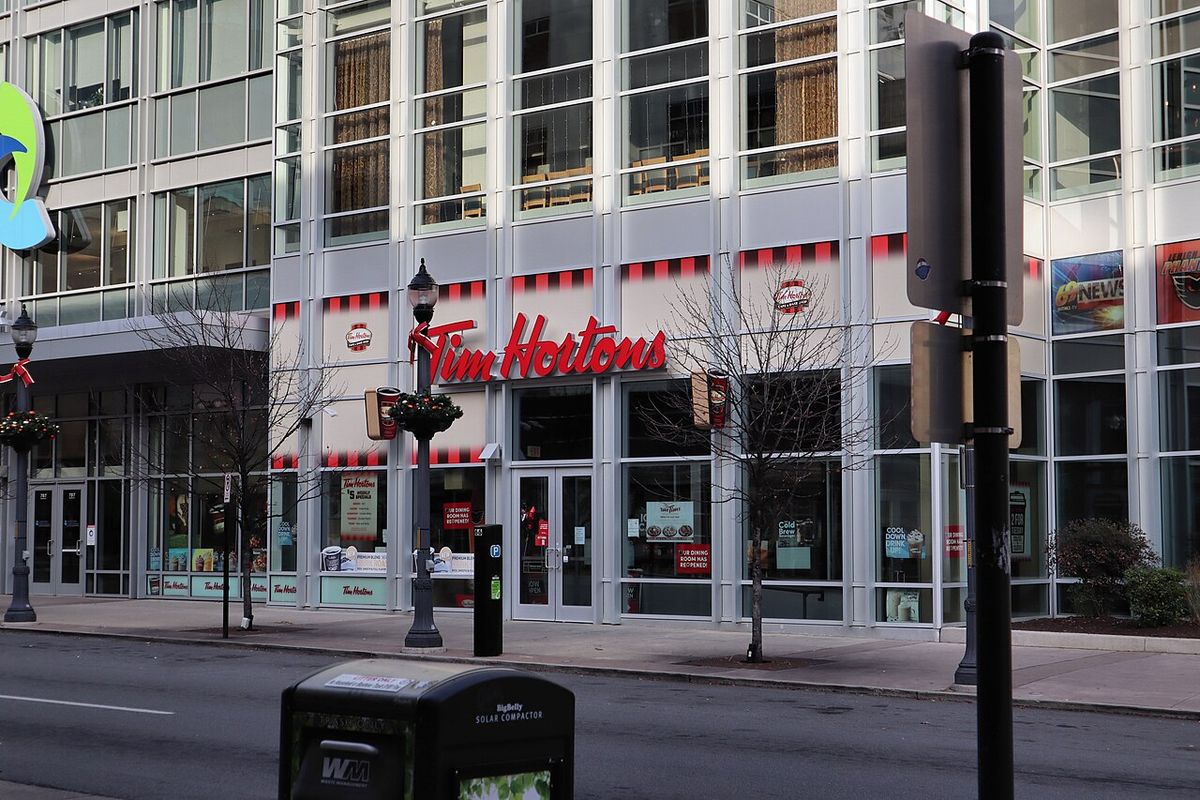
Tim Hortons has pursued international growth with varying success. Its first foray into the United States in 1981, with locations in Deerfield Beach and Pompano Beach, Florida, was unsuccessful. The chain re-entered the U.S. market in 1984 in Tonawanda, New York. Starting in the mid-1990s, expansion accelerated through acquisitions, such as 37 former Rax locations in Ohio, Kentucky, and West Virginia in 1996 and 1997, and 35 closed Hardee's stores in the Detroit area. The chain also acquired 42 Bess Eaton coffee and donut restaurants in southern New England in 2004. In October 2008, Tim Hortons announced a plan to add 82 locations in Tops Markets stores in the United States. On July 13, 2009, it opened stores in New York City at former Dunkin' Donuts locations, including one at Madison Square Garden. However, in November 2010, it closed 36 underperforming stores in the northeastern U.S. due to high competition with Dunkin' Donuts and Au Bon Pain, concentrating instead on core markets like western Canada. By the end of 2016, there were 683 U.S. locations, and total annual revenue for Tim Hortons was US$3.00 billion.
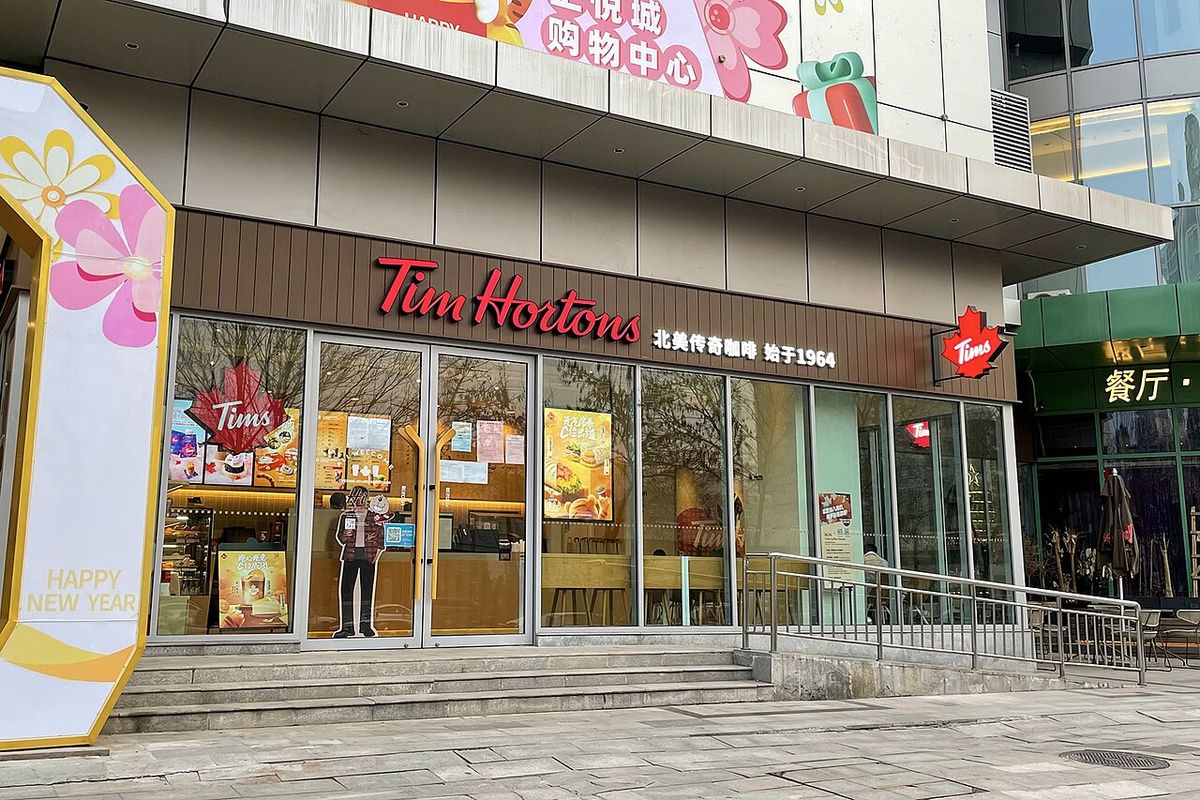
Tim Hortons has a significant international presence, with locations in 14 countries including the United States, Mexico, the Middle East, and the United Kingdom. The chain had a notable presence on military bases, including in Kandahar, Afghanistan, for Canadian Armed Forces and allied personnel. Other military base locations have included Aberdeen Proving Ground in Maryland and Camp Adazi in Latvia. The company announced expansion into the United Kingdom in 2016 and has also tested co-branding initiatives, such as with the U.S. ice cream chain Cold Stone Creamery starting in 2009.
- 1984: Returns to U.S. with Tonawanda, New York, store.
- 1996 to 1997: Acquires former Rax and Hardee's locations for conversion.
- 2009: Opens stores in New York City, including at Madison Square Garden.
- 2010: Closes 36 stores in the northeastern U.S.
- 2016: Announces expansion into the United Kingdom.
- 2018: Operates 807 restaurants in the United States and 60 in Mexico.
- Global military base locations have included Kandahar, Afghanistan, and Camp Adazi, Latvia.
Product development, payment systems, and operations
While founded as a donut shop, Tim Hortons has significantly diversified its menu over the decades. The corporate name change to The TDL Group Ltd. in the 1990s signaled a shift away from a sole focus on donuts. The menu expanded to include a wide range of baked goods, breakfast items like egg muffins, sandwiches, soups, and specialty beverages. This evolution was driven by changing consumer tastes and a strategy to compete more broadly in the quick-service restaurant sector. The company also introduced co-branding initiatives, such as with Cold Stone Creamery in 2009, testing combined store concepts in select markets. Payment systems evolved to keep pace with consumer demand, with Interac acceptance beginning in Western Canada in 2003 and extending to most stores by November 2010. The company began accepting MasterCard and MasterCard PayPass in 2007, Visa in 2012, and American Express in 2013, having previously delayed broader electronic payment acceptance to ensure speed of service. In October 2018, Tim Hortons began installing self-serve kiosks at some Ontario locations, spreading the installation across Canada by February 2019.
Financial performance, corporate moves, and reputation
Tim Hortons has been a significant financial entity, both as an independent company and as part of larger corporate groups. After its 2006 IPO, it became a component of the S&P/TSX 60. As a subsidiary of Restaurant Brands International, its financials are reported within the parent company's results. In late 2013, prior to the merger, Tim Hortons had 4,350 cafes globally, with 3,500 in Canada, 817 in the U.S., and 33 in the Gulf Cooperation Council region, recording revenues of $794 million and a net profit of $111 million in the September quarter. The company's corporate headquarters moved from Oakville to downtown Toronto's Exchange Tower in April 2018, relocating about 400 employees. In May 2015, it closed its U.S. headquarters in Dublin, Ohio, which had 127 employees. Its reputation among Canadians, as measured by the Reputation Institute, experienced a notable shift, falling from 13th to 67th place in a 2018 study, described as one of the largest moves down that year, though the brand was still considered to have a strong reputation.
| Year | Key Financial or Operational Event |
|---|---|
| 2005 | TDL Group sales reach $1.48 billion. Accounts for 22.6% of Canadian fast-food revenue. |
| 2006 | IPO raises over $700 million. Listed on TSX. Holds 62% of Canadian coffee market. |
| 2012 | Total revenues recorded at $3.12 billion (CDN). |
| 2013 (Q3) | Revenue of $794 million and net profit of $111 million. |
| 2014 | Merges with Burger King to form RBI in a US$11.4 billion deal. |
| 2016 | Tim Hortons has 683 U.S. locations and contributes ~US$3.00 billion in annual revenue. |
| 2018 | Head office moves to Toronto. Operates 4,846 restaurants globally. Reputation ranking falls to 67th. |
Cultural integration and brand identity in Canada
Tim Hortons occupies a unique place in Canadian culture due to its widespread presence from coast to coast and its association with everyday routines like the morning coffee run. Its colloquial nicknames, Timmies or Timmy's, reflect its familiarity and integration into daily language. The brand's connection to its hockey origins through founder Tim Horton, who played for the Toronto Maple Leafs, New York Rangers, and Buffalo Sabres, also ties it to a major national sport. The company often engages in community fundraising, such as its Camp Day initiatives. Despite corporate changes and foreign ownership following the 2014 merger, former CEO Marc Caira stated the acquisition would enable the brand to reach a new global customer base while maintaining its Canadian identity. A 2014 study by the Canadian Centre for Policy Alternatives, however, suggested the Burger King takeover could have negative consequences due to 3G Capital's history of aggressive cost-cutting.
Questions about Tim Hortons
Who founded Tim Hortons and when?
Tim Hortons was founded by Canadian National Hockey League player Tim Horton and Jim Charade. The first dedicated donut store opened on May 17, 1964, in Hamilton, Ontario. Ron Joyce, a former police constable, became a full partner in 1967 and took over sole ownership after Horton's death in 1974. The business originated from an earlier venture in hamburger restaurants. Jim Charade left the organization in 1966 and had brief returns in 1970 and from 1993 through 1996.
When did Tim Hortons merge with Burger King?
Burger King officially confirmed its intent to acquire Tim Hortons on August 25, 2014, in a deal worth US$11.4 billion. The merger was finalized on December 15, 2014, creating the new parent company Restaurant Brands International. The deal involved a tax inversion into Canada, with 3G Capital holding a 51% majority stake in the new entity. Tim Hortons shareholders approved the merger on December 9, 2014, following approval from the Competition Bureau of Canada and Industry Canada.
What is the northernmost Tim Hortons location?
As of 2023, the northernmost Tim Hortons location is in Pond Inlet, Nunavut. This follows earlier expansions into Canada's far north, with kiosks opening in Iqaluit, Nunavut, in 2010. The chain has also operated locations on international military bases, including in Kandahar, Afghanistan, and Camp Adazi in Latvia. Other U.S. military base locations have included Aberdeen Proving Ground in Maryland, Fort Knox in Kentucky, and Naval Station Norfolk in Virginia.
When did Tim Hortons become a publicly traded company?
Tim Hortons became a publicly traded company on March 24, 2006, through an initial public offering on the Toronto Stock Exchange at CA$27 per share. This IPO occurred after its then-parent, Wendy's, decided to spin off the chain under pressure from investors. On September 24, 2006, Wendy's distributed its remaining 82% stake to its shareholders, completing Tim Hortons' return to independence. The company was added to the S&P/TSX Composite Index on that same day.
How many Tim Hortons restaurants are there?
Tim Hortons operates thousands of restaurants globally, making it Canada's largest quick service restaurant chain. As noted, the company had 6,043 restaurants across 14 countries. A more recent figure from August 2024 indicates the chain had grown to 5,702 restaurants. The majority of locations are in Canada, with a significant presence in the United States. For example, on December 31, 2018, there were 3,802 restaurants in Canada and 807 in the United States. The chain also has locations in Mexico, the Middle East, and the United Kingdom, demonstrating its international expansion beyond its Canadian roots.
Is Tim Hortons owned by an American company?
Tim Hortons is owned by Restaurant Brands International, a multinational holding company. This ownership structure resulted from a merger with Burger King in 2014, which was valued at US$11.4 billion. The new parent company, Restaurant Brands International, is based in Toronto but is majority owned by the Brazilian American investment firm 3G Capital. As part of the merger agreement approved by the Canadian government, Tim Hortons must maintain separate operations from Burger King and ensure that at least 50% of its board of directors are Canadian. Therefore, while under significant foreign investment, the brand retains operational independence and mandated Canadian governance.
Sources and further reading
- Tim Hortons (Wikipedia)
- Is Tim Hortons Canadian? (cbc.ca)
Checked by the Yadude Books desk. Last updated 2026-10-19.