Wittington Investments
Wittington Investments refers to two distinct, privately owned holding companies, one based in Britain and the other in Canada, both controlled by the prominent Weston family. Through these corporate structures, the family exerts control over some of the largest food and retail businesses on both sides of the Atlantic, including Associated British Foods in the UK and Loblaw Companies Limited in Canada. The companies are central to a multi-generational business empire founded by Canadian entrepreneur W. Garfield Weston, making their operations and investments significant for Canadian business and consumers. Their holdings directly impact consumers through major supermarket chains, department stores, and substantial investments in sectors ranging from real estate to artificial intelligence.
Origins and Structure
The Wittington Investments structure originates from the business activities of W. Garfield Weston, a Canadian businessman who built a transatlantic baking and retail empire. The British entity, Wittington Investments Limited, was incorporated in London in 1941, while the Canadian company, Wittington Investments, Limited, was founded by Weston in Toronto in 1952. A defining feature of the British company is its unique ownership link to philanthropy, as 79.2 percent of its shares are held by the Garfield Weston Foundation, a major UK grant-making trust established by Weston in 1958. The remaining 20.8 percent of the British company, along with control of the separate Canadian company, are held directly by members of the Weston family, ensuring the family's continued influence across both corporate vehicles. This dual-company model allows the Weston family to manage and grow a diversified portfolio of international assets while anchoring a significant portion of the British company's value to a charitable endowment.
British Holdings and Assets
Wittington Investments Limited serves as the primary holding company for the Weston family's substantial interests in the United Kingdom and Europe. Its most significant asset is a controlling 54.5 percent stake in Associated British Foods, one of the world's largest food processing and retail conglomerates. Through this investment, Wittington holds indirect ownership of major operations including Primark, the prominent discount clothing retailer, and British Sugar, which processes the entire UK sugar beet crop. Beyond its food industry holdings, the company has historically owned prestigious retail brands, most notably the Selfridges Group, which included the flagship Selfridges store in London, Brown Thomas and Arnotts in Ireland, and De Bijenkorf in the Netherlands. The majority of the Selfridges Group's assets were sold in December 2021 to a joint venture between Thailand's Central Group and Austria's Signa Holding for approximately £4 billion. The company also retains ownership of the British department store Fortnum & Mason and the home furnishings chain Heal's.
Canadian Holdings and Operations
The Canadian company, Wittington Investments, Limited, is the central entity for the Weston family's business interests in North America. It acts as the majority shareholder of George Weston Limited, a publicly traded Canadian holding company with two major subsidiaries. The first is Loblaw Companies Limited, Canada's largest supermarket retailer, which operates numerous banners and owns popular brands like President's Choice, No Name, and Joe Fresh. The second is a significant ownership stake in Choice Properties Real Estate Investment Trust, a major portfolio of retail, industrial, and residential properties. In December 2020, leadership of the Canadian company passed to the next generation when Galen Weston Jr. succeeded his father, Galen Weston Sr., as the controlling shareholder. The company has a long history of corporate manoeuvres, such as in 1963 when its subsidiary DICOA purchased the controlling share in Howardsgate Holdings, owner of Fine Fare supermarkets, from Associated British Foods for $11.7 million. Beyond its core retail and real estate holdings, Wittington has recently expanded its investment focus into technology and media, reflecting a strategic evolution under its new leadership.
Recent Strategic Moves and Investments
In recent years, Wittington Investments has undertaken several high-profile transactions and ventures that signal a broadening of its investment strategy beyond traditional retail. A landmark move came in October 2026, when the company agreed to acquire the British pharmacy chain Boots from Sycamore Partners for £6.7 billion, with the deal expected to close in early 2027. This acquisition represents a major re-entry into the European retail pharmacy sector. Concurrently, the company has made significant forays into the technology sector, becoming a limited partner in Radical Ventures' first US$800-million artificial intelligence growth fund in 2024. In 2026, Wittington also funded the launch of Be Giant, a non-profit online publication dedicated to solutions journalism focused on Canadian entrepreneurs, researchers, and innovations. The publication was conceived following discussions in 2025 about Canadian sovereignty and economic independence, prompted by geopolitical statements from the United States. These moves illustrate a dual strategy of consolidating strength in core retail markets while strategically deploying capital into growth-oriented technology and media ventures.
Key Historical Transactions
The history of Wittington Investments is marked by strategic acquisitions, sales, and corporate reorganizations that have shaped its current portfolio. In 1963, its subsidiary DICOA purchased the controlling share in Howardsgate Holdings from Associated British Foods. In December 2021, the majority of the Selfridges Group's assets were sold for around £4 billion. In 2024, Wittington became a limited partner in an AI growth fund, and in 2026 it funded a non-profit online publication called Be Giant. In October 2026, Wittington Investments agreed to purchase the British pharmacy company Boots for £6.7 billion, with completion expected in early 2027.
- 1963: Wittington's subsidiary DICOA purchased the controlling share in Howardsgate Holdings (owner of Fine Fare supermarkets) from Associated British Foods for $11.7 million.
- 1966: Howardsgate Holdings was sold to another Weston subsidiary, George Weston Limited, before later being sold back to Associated British Foods.
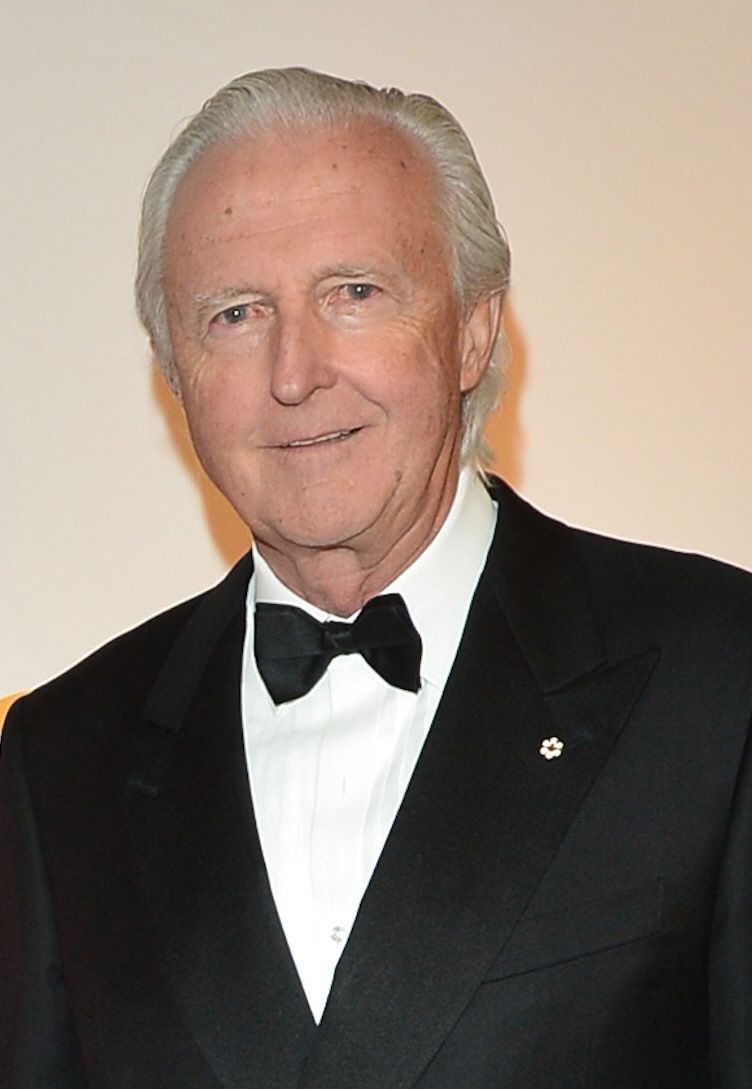
- December 2020: Galen Weston Jr. succeeded his father as the controlling shareholder of the Canadian Wittington Investments, Limited.
- December 2021: The majority of the Selfridges Group's assets were sold to a Thai-Austrian joint venture for approximately £4 billion.
- 2024: Wittington became a limited partner in Radical Ventures' US$800-million AI growth fund.
- 2026: The company funded the launch of the non-profit publication Be Giant.
- October 2026: Wittington agreed to acquire the Boots pharmacy chain for £6.7 billion.
The Weston Family and Governance
The continuity and control of the Wittington Investments companies are intrinsically linked to the Weston family across multiple generations. The empire was founded by W. Garfield Weston, who established the core businesses and the philanthropic foundation that bears his name. Family control is exercised through direct share ownership in both the British and Canadian companies, with the Garfield Weston Foundation's 79.2 percent stake in the British entity creating a unique structure that blends corporate ownership with charitable giving. The transition of leadership to Galen Weston Jr. in 2020 marked a planned succession, ensuring that strategic decision-making remains within the family. This governance model has allowed for long-term planning and stability, enabling major strategic shifts such as the sale of the Selfridges Group and the pending acquisition of Boots. The family's deep involvement means that the companies' strategies often reflect a blend of commercial objectives and a broader sense of stewardship over the businesses and brands they control.
Economic Impact and Profile
Through its layered holdings, Wittington Investments exerts a considerable economic influence in both Canada and the United Kingdom. In Canada, its control over Loblaw Companies makes it a dominant force in the grocery retail sector, affecting food prices, supply chains, and employment for hundreds of thousands of Canadians. Its stake in Choice Properties REIT also gives it a major presence in the commercial real estate market. In the UK, its controlling interest in Associated British Foods ties it to essential food production through British Sugar and to mass-market retail through Primark. The valuation of its assets is substantial, as illustrated in 2008 when the Garfield Weston Foundation trustees valued their 79.2 percent stake in the British company at £3.62 billion. The company's investment decisions, such as the massive Boots acquisition or the venture into AI funding, are closely watched as indicators of market trends and confidence. Its funding of the Be Giant publication represents a direct investment in shaping the narrative around Canadian innovation and economic sovereignty.
Questions about Wittington Investments
Who owns Wittington Investments?
Wittington Investments consists of two separate companies. The British company, Wittington Investments Limited, is 79.2% owned by the charitable Garfield Weston Foundation and 20.8% by the Weston family. The Canadian company, Wittington Investments, Limited, is controlled directly by members of the Weston family, with Galen Weston Jr. serving as the controlling shareholder since December 2020. Both entities are ultimately controlled by the Weston family, descendants of founder W. Garfield Weston.
What is Wittington's connection to the Garfield Weston Foundation?
The Garfield Weston Foundation is a United Kingdom grant-making trust established in 1958 by Canadian businessman W. Garfield Weston. The foundation owns 79.2% of the British company Wittington Investments Limited. The remaining 20.8% of the shares in the British company are owned by members of the Weston family. The trustees of the foundation valued their stake in Wittington Investments at £3.62 billion as of 5 April 2008.
What recent investments has Wittington made outside of retail?
Wittington has diversified its investment portfolio in recent years. In 2024, it became a limited partner in Radical Ventures' first US$800-million fund focused on artificial intelligence growth. In 2026, it funded the creation of Be Giant, a non-profit online publication dedicated to solutions journalism about Canadian innovation and entrepreneurship. These moves indicate a strategic expansion into technology and media alongside its core retail holdings.
When did Wittington agree to buy Boots and for how much?
In October 2026 it was announced that Wittington Investments had started negotiations to purchase the British pharmacy company Boots. On 7 October 2026, the acquisition was agreed at a price of £6.7 billion. The completion of the purchase is expected in early 2027. The Boots chain was being purchased from its owners Sycamore Partners.
What major companies does Wittington Investments control?
Wittington Investments controls major companies in the food industry and retailing on both sides of the Atlantic. The British company, Wittington Investments Limited, owns 54.5% of Associated British Foods, one of the world's largest food companies and the parent of Primark. It also owns the British department store Fortnum & Mason and the homeware chain Heal's. The Canadian company, Wittington Investments, Limited, is the majority shareholder in George Weston Limited, which controls Loblaw Companies Limited, Canada's largest supermarket retailer. In October 2026, the company agreed to acquire the British pharmacy chain Boots for £6.7 billion.
Did Wittington Investments own Selfridges?
Yes, the Canadian company Wittington Investments, Limited was the owner of the Selfridges Group of department store chains. This group included Selfridges in the United Kingdom, Brown Thomas and Arnotts in Ireland, and De Bijenkorf in the Netherlands. In December 2021, it was reported that the majority of the Selfridges Group's assets were sold for approximately £4 billion. The buyer was a joint venture between the Thai conglomerate Central Group and the Austrian firm Signa Holding. This sale marked a significant divestment from the company's retail holdings.
Sources and further reading
- Wittington Investments (Wikipedia)
- Wittington Investments Signs Agreement to Acquire Boots (newswire.ca)
- Wittington Investments Signs Agreement to Acquire Boots (ca.finance.yahoo.com)
- Fairfax Partners With Wittington Investments in Acquisition ... (fairfax.ca)
Checked by the Yadude Books desk. Last updated 2026-11-02.