Robbie Robertson
Jaime Royal "Robbie" Robertson was a Canadian musician, songwriter, and film composer whose work fundamentally shaped North American rock and roots music. As the principal songwriter and lead guitarist for the Band, he was a key creator of the Americana genre, penning timeless classics such as "The Weight" and "The Night They Drove Old Dixie Down. His career also included a significant solo output and a decades-long collaboration with director Martin Scorsese, for whom he composed many acclaimed film scores. Robertson's influence was recognized with inductions into the Rock and Roll Hall of Fame, the Canadian Music Hall of Fame, and Canada's Walk of Fame, establishing his legacy as a foundational figure in Canadian culture.
Early life and musical beginnings
Robbie Robertson was born in Toronto on July 5, 1943, to Rosemarie Dolly Chrysler and James Patrick Robertson. His mother was Cayuga and Mohawk, raised on the Six Nations of the Grand River reserve near Hamilton, Ontario. Robertson frequently visited the reserve with his mother during his childhood, where his older cousin Herb Myke taught him to play guitar. His early musical education was also shaped by late-night radio, listening to rock and roll and rhythm and blues broadcasts from stations like WKBW in Buffalo and WLAC in Nashville. At age 12, Robertson learned that his biological father was Alexander David Klegerman, a Jewish American gambler who died in a traffic accident in 1946. Robertson later connected with his paternal uncles, Morris and Nathan Klegerman, who welcomed him into their family.
Robertson's first foray into performing music began in 1956 when he was 13, joining the local band Little Caesar and the Consuls. The following year, he formed his own group, Robbie and the Rhythm Chords, with friend Pete Traynor, later renaming it Robbie and the Robots after the film character Robby the Robot. This group evolved into the Suedes, featuring pianist Scott Cushnie. It was at a Suedes performance at CHUM Radio's Hi Fi Club in Toronto on October 5, 1959, that rockabilly singer Ronnie Hawkins first saw them play and was sufficiently impressed to join them on stage for a few numbers.
Apprenticeship with Ronnie Hawkins and the Hawks
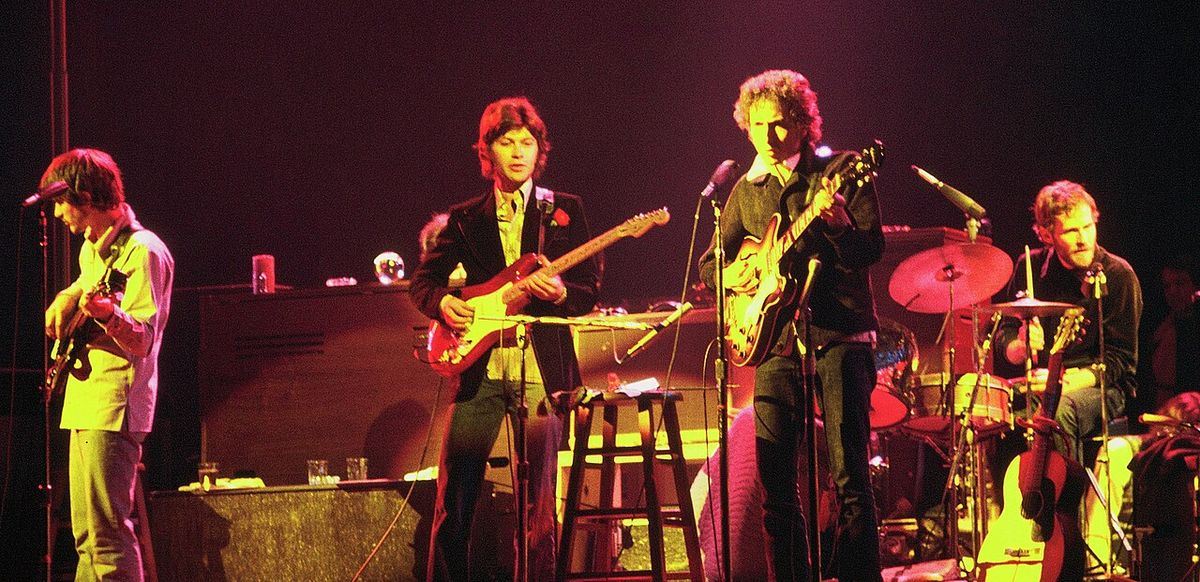
After opening for Ronnie Hawkins and the Hawks, Robertson seized an opportunity to impress the seasoned performer. Upon overhearing Hawkins needed new material, Robertson wrote two songs overnight, "Someone Like You" and "Hey Boba Lu." Hawkins recorded both for his 1959 album Mr. Dynamo and soon after hired Robertson, initially to play bass guitar in his backing band, the Hawks. Robertson quickly switched to lead guitar, developing his virtuosic style under the influence of briefly tenured Hawks guitarist Roy Buchanan. During this period, the Hawks' core lineup solidified with drummer Levon Helm, and later, with the additions of Rick Danko, Richard Manuel, and Garth Hudson throughout 1961. The Hawks recorded several singles for Roulette Records with Robertson between 1961 and 1963, including a version of "Who Do You Love."
By early 1964, seeking artistic independence from Hawkins's rockabilly style, the group left to strike out on their own. Initially called the Levon Helm Sextet, they became Levon and the Hawks, managed by agent Harold Kudlets. They built a steady touring schedule, including lengthy residencies at Tony Mart's nightclub in Somers Point, New Jersey. In 1964, they also collaborated with blues artist John P. Hammond on his album So Many Roads, with Robertson credited as "Jaime R. Robertson." The group released several singles under names like the Canadian Squires and Levon and the Hawks, with Robertson writing all the original material, such as "The Stones I Throw" and "Go, Go, Liza Jane."
Collaboration with Bob Dylan and the birth of the Band
In August 1965, while Levon and the Hawks were in New Jersey, Robertson received a call requesting a meeting with Bob Dylan, who was seeking a guitarist for his upcoming electric tours. Recommended by mutual contacts, Robertson agreed to play two shows with Dylan but insisted on including Levon Helm. The initial performances, including one at the Forest Hills Tennis Stadium, were met with hostility from folk purists. Dylan subsequently hired the full Hawks lineup for his 1965 to 1966 world tour, a series of concerts famously punctuated by audience backlash, including the "Judas" shout at the Manchester Free Trade Hall show in May 1966. Helm left the tour partway through due to the intense pressure.
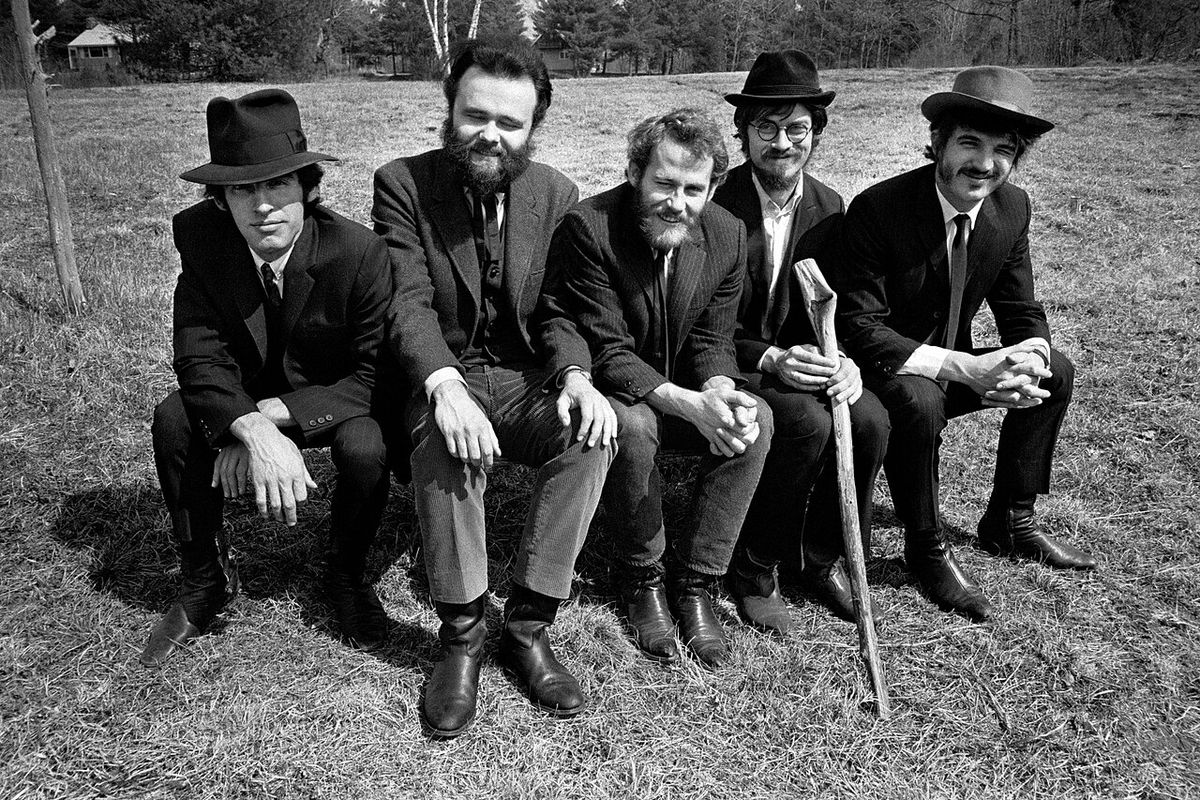
Following Dylan's motorcycle accident in July 1966, the group, on retainer from Dylan's management, eventually reunited with him in Woodstock, New York, in early 1967. They rented a house known as Big Pink and began informal, prolific recording sessions in its basement. These sessions, which produced a wealth of new material, circulated on bootlegs like The Great White Wonder before being officially curated by Robertson in 1975 as The Basement Tapes. During this period, Robertson's guitar style evolved to become more textured and supportive of the songs. With Dylan moving on to other projects, the group, now simply called the Band, secured a record deal with Capitol and recorded their debut.
The Band: Songwriting and seminal albums
The Band's debut, Music from Big Pink, released in August 1968, was a watershed moment in rock music, introducing a rustic, narrative-driven sound that would become known as Americana. Robertson served as the group's principal songwriter and lead guitarist. He wrote four of the album's songs, including the enduring classic "The Weight," inspired by the films of Luis Buñuel and the name "Nazareth" seen inside his Martin guitar. Although not an immediate chart smash, "The Weight" became the Band's most recognized song, covered extensively and featured in countless films. Robertson also sang lead vocals on "To Kingdom Come," a rare vocal performance for him on a Band recording.
The group's self-titled second album, The Band (1969), was a critical and commercial triumph, reaching number nine on the Billboard chart. Robertson wrote or co-wrote every song, including "Up on Cripple Creek" and "The Night They Drove Old Dixie Down." The album's thematic depth and musical craftsmanship led to the Band appearing on the cover of Time magazine in 1970, a first for a North American rock group. Their prolific output continued through the early 1970s with albums like Stage Fright (1970) and Cahoots (1971), and they performed at historic events including the Woodstock Festival (1969) and the massive Watkins Glen Summer Jam (1973).
Key Band albums written primarily by Robbie Robertson:- Music from Big Pink (1968), Featured "The Weight" and "Chest Fever."
- The Band (1969), Included "The Night They Drove Old Dixie Down" and "Up on Cripple Creek."
- Stage Fright (1970), Contained the title track and "The Shape I'm In."
- Cahoots (1971), Featured "Life Is a Carnival."
- Northern Lights, Southern Cross (1975), Included "Ophelia" and "It Makes No Difference."
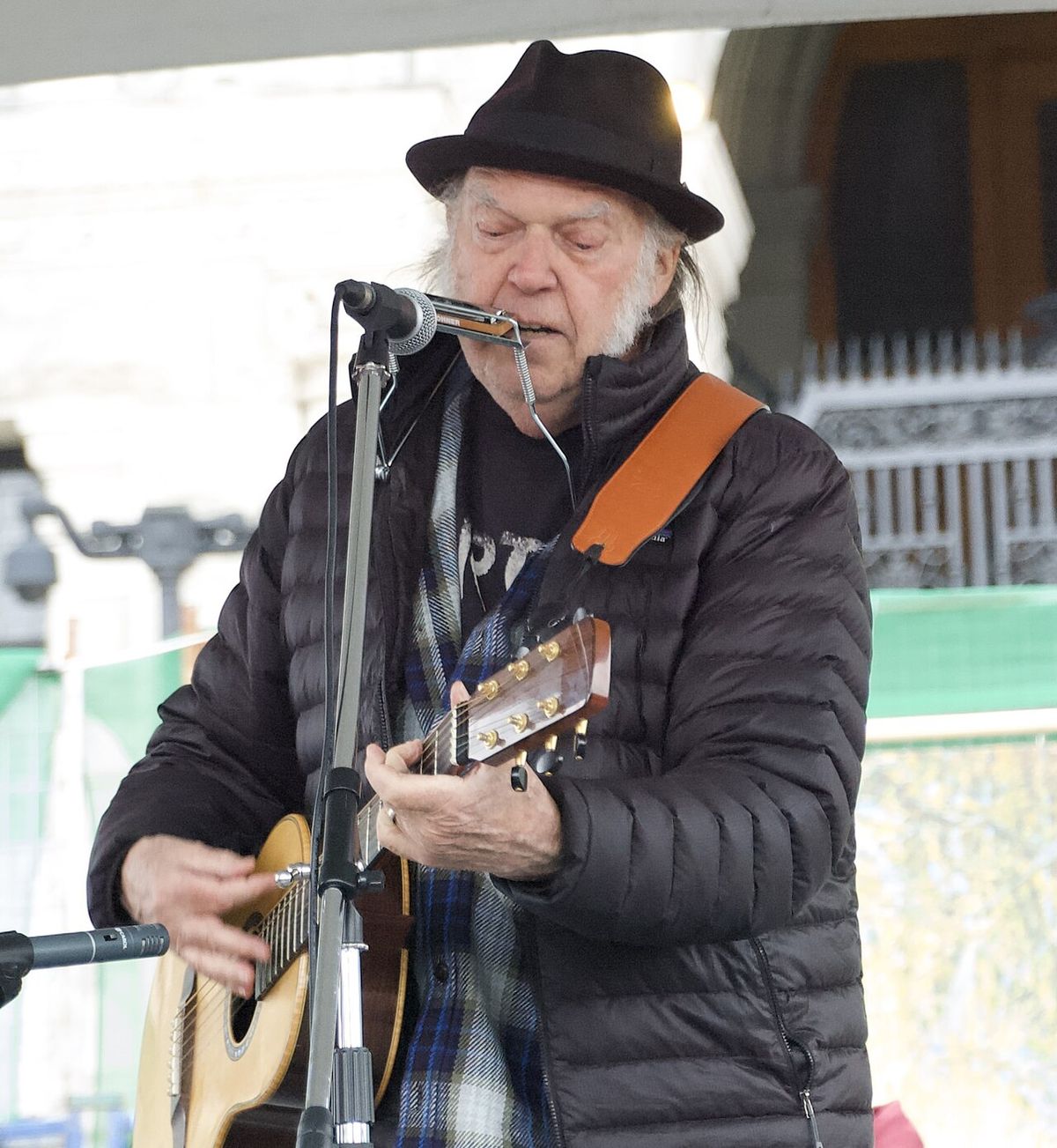
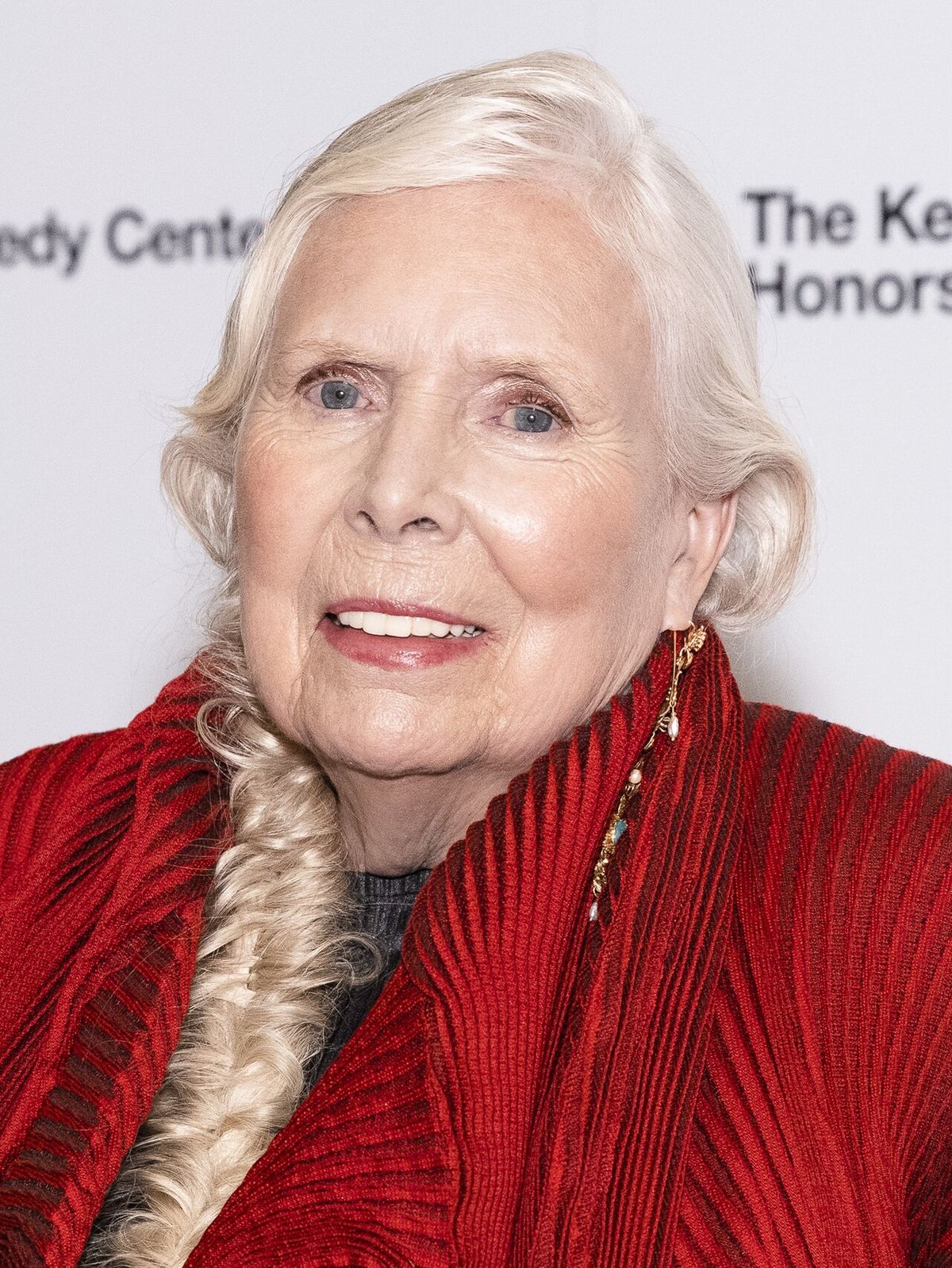
The Band's final studio album with Robertson was Islands in 1977. Their farewell concert, The Last Waltz, was held on Thanksgiving Day 1976 in San Francisco and filmed by Martin Scorsese. The event featured an all-star lineup of guests including Bob Dylan, Eric Clapton, Joni Mitchell, and Neil Young. The subsequent concert film and album, released in 1978, are considered landmark works in both cinema and music.
Solo career and film composition
Following his departure from the Band, Robertson began a successful solo career. His self-titled 1987 debut album went gold in Canada, earned a Grammy nomination, and won five Juno Awards. It featured the hit single "Somewhere Down the Crazy River" and collaborations with artists like Peter Gabriel and U2. His second solo effort, Storyville (1991), drew on the musical heritage of New Orleans and received two Grammy nominations. Robertson also found success as a songwriter for others, with Rod Stewart scoring a major hit with his song "Broken Arrow." He produced Neil Diamond's 1976 album Beautiful Noise and the live album Love At The Greek, and served as creative consultant for the 1987 Chuck Berry documentary Hail, Hail Rock & Roll. His work in film began with Scorsese's documentary of The Last Waltz, which sparked a lifelong creative partnership.
Robertson composed scores or served as music supervisor for many of Scorsese's films, helping to define their sonic atmosphere. His work extended to other directors, including composing the source music for the film Carny in 1980, which he also co-wrote and produced. He scored Barry Levinson's 1994 film Jimmy Hollywood and appeared as an actor in Sean Penn's 1995 film The Crossing Guard. Robertson also produced the soundtrack album for Scorsese's Casino in 1995 and was the subject of a Disney Channel documentary titled Going Home that same year.
| Film | Year | Role |
|---|---|---|
| Raging Bull | 1980 | Music producer |
| The King of Comedy | 1983 | Music producer |
| The Color of Money | 1986 | Composer (co-wrote "It's In The Way That You Use It") |
| Casino | 1995 | Soundtrack producer |
| The Irishman | 2019 | Composer |
| Killers of the Flower Moon | 2023 | Composer (posthumous Oscar nomination) |
Honours, legacy, and later life
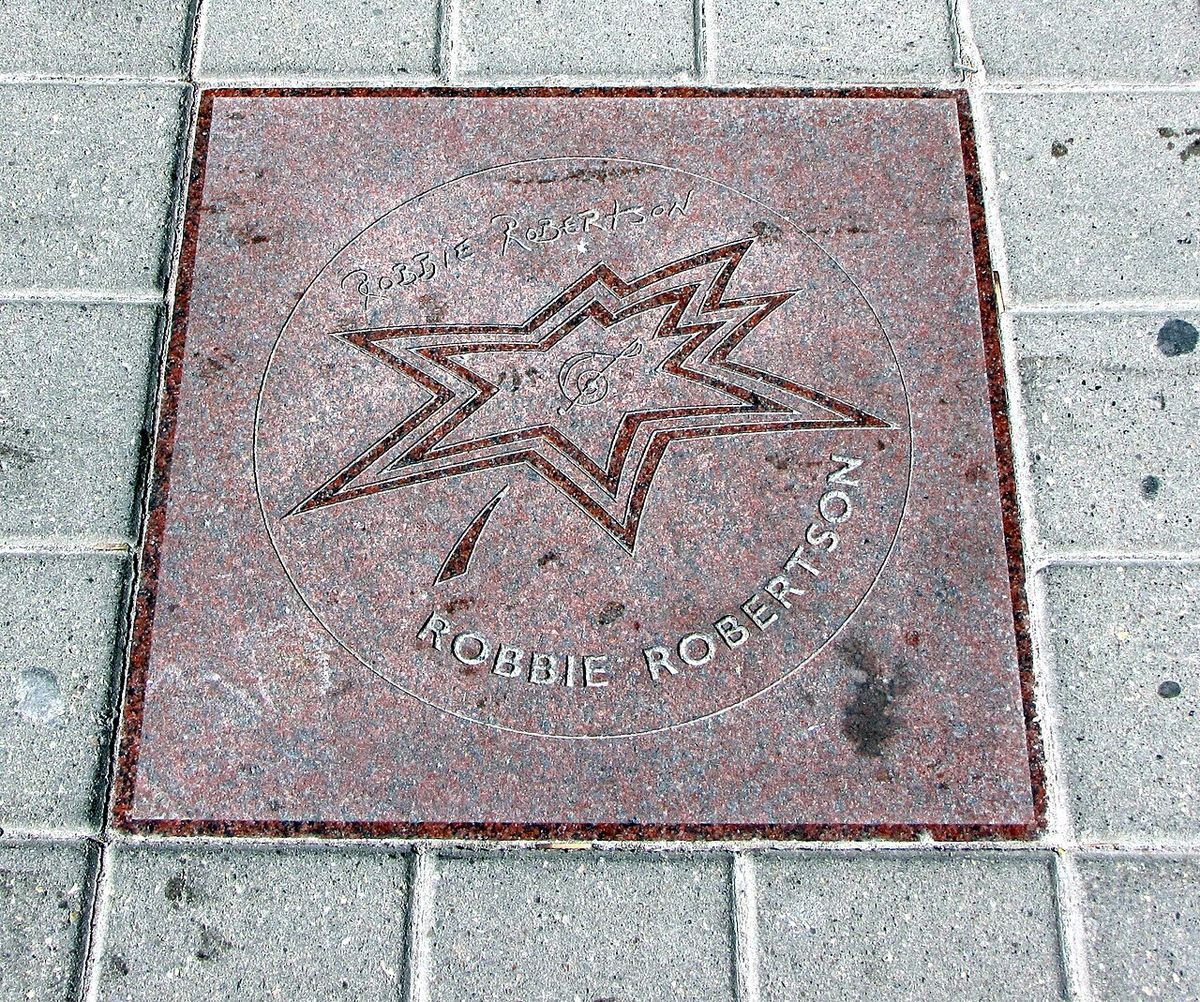
Robbie Robertson received widespread recognition for his contributions to music and culture. He was inducted into the Rock and Roll Hall of Fame with the Band in 1994. In Canada, he was inducted into the Canadian Music Hall of Fame and the Canadian Songwriters Hall of Fame, and he received a star on Canada's Walk of Fame both with the Band and as a solo artist. He was appointed an Officer of the Order of Canada and received Lifetime Achievement Awards from the Grammy Awards and the National Academy of Songwriters. In 2018, The Royal Conservatory conferred upon him the designation of Honorary Fellow.
Robertson's later years were marked by continued creativity, including the publication of his memoir, Testimony, in 2016. He remained active in music production and composition, completing his score for Martin Scorsese's Killers of the Flower Moon shortly before his death. The film, released in 2023, was dedicated to his memory and earned him a posthumous nomination for the Academy Award for Best Original Score. In accordance with his family's wishes, donations were directed to the Woodlands Cultural Centre on Six Nations of the Grand River, honouring his Indigenous heritage.
Selected honours and awards:- Inducted into the Rock and Roll Hall of Fame (with the Band, 1994).
- Inducted into the Canadian Music Hall of Fame (with the Band).
- Inducted into the Canadian Songwriters Hall of Fame.
- Officer of the Order of Canada (appointed).
- Five Juno Awards for his 1987 solo album.
- Lifetime Achievement Award from the Grammy Awards.
- Posthumous Academy Award nomination for Killers of the Flower Moon (2023).
Questions about Robbie Robertson
What were Robbie Robertson's most famous songs?
Robbie Robertson was the primary songwriter for the Band's most recognized tracks. His compositions include "The Weight," a story-song inspired by filmmaker Luis Buñuel that became the group's signature piece. He also wrote "The Night They Drove Old Dixie Down," a Civil War narrative, and "Up on Cripple Creek," a lively character study. As a solo artist, he is best known for the atmospheric hit "Somewhere Down the Crazy River" from his 1987 debut album.
What was Robbie Robertson's connection to Martin Scorsese?
Robbie Robertson collaborated on film and television soundtracks, usually with director Martin Scorsese. His soundtrack work began with the Band's farewell rockumentary film The Last Waltz in 1978. He continued to work with Scorsese on dramatic films including Raging Bull, The King of Comedy, The Color of Money, The Irishman, and Killers of the Flower Moon. His work on Killers of the Flower Moon was dedicated to his memory and earned him a posthumous nomination for the Academy Award for Best Original Score.
Was Robbie Robertson Indigenous?
Yes, Robbie Robertson was of Cayuga and Mohawk descent through his mother, Rosemarie Dolly Chrysler, who was raised on the Six Nations of the Grand River reserve near Hamilton, Ontario. He spent significant time there as a child, learning guitar from family members. This heritage was important to him and informed later projects like the 1994 album Music for the Native Americans. His family requested donations to the Woodlands Cultural Centre on Six Nations after his passing.
How did Robbie Robertson join Bob Dylan's band?
In August 1965, Robertson received a call from Albert Grossman Management requesting a meeting with Bob Dylan. Dylan had been made aware of Robertson's group, Levon and the Hawks, through a recommendation from Grossman's employee Mary Martin. Dylan initially intended to hire only Robertson as a guitarist, but Robertson refused and instead agreed to play two trial shows with drummer Levon Helm. After these performances, Dylan hired the full Hawks lineup for his upcoming tour, making Robertson his guitarist as Dylan entered his electric period.
What awards did Robbie Robertson win?
Robbie Robertson received numerous honours throughout his career. With the Band, he was inducted into the Rock and Roll Hall of Fame and the Canadian Music Hall of Fame. He was also inducted into the Canadian Songwriters Hall of Fame and received a star on Canada's Walk of Fame. His 1987 solo album won five Juno Awards. He received Lifetime Achievement Awards from the Grammys and the National Academy of Songwriters, was appointed an Officer of the Order of Canada, and earned a posthumous Academy Award nomination in 2023.
What was The Last Waltz?
The Last Waltz was the Band's farewell rockumentary film released in 1978. It was directed by Martin Scorsese and documented the Band's final concert. This project marked the beginning of Robertson's long term creative partnership with Scorsese on film soundtracks. The film itself features the Band's performance alongside various guest artists.
Sources and further reading
- Robbie Robertson (Wikipedia)
- Robbie Robertson: One Of The Most Important and ... (blackbirdpresents.com)
- Robbie Robertson (cshf.ca)
- In Memoriam: Robbie Robertson, O.C., (1943 to 2023) (rcmusic.com)
Checked by the Yadude Books desk. Last updated 2026-10-25.