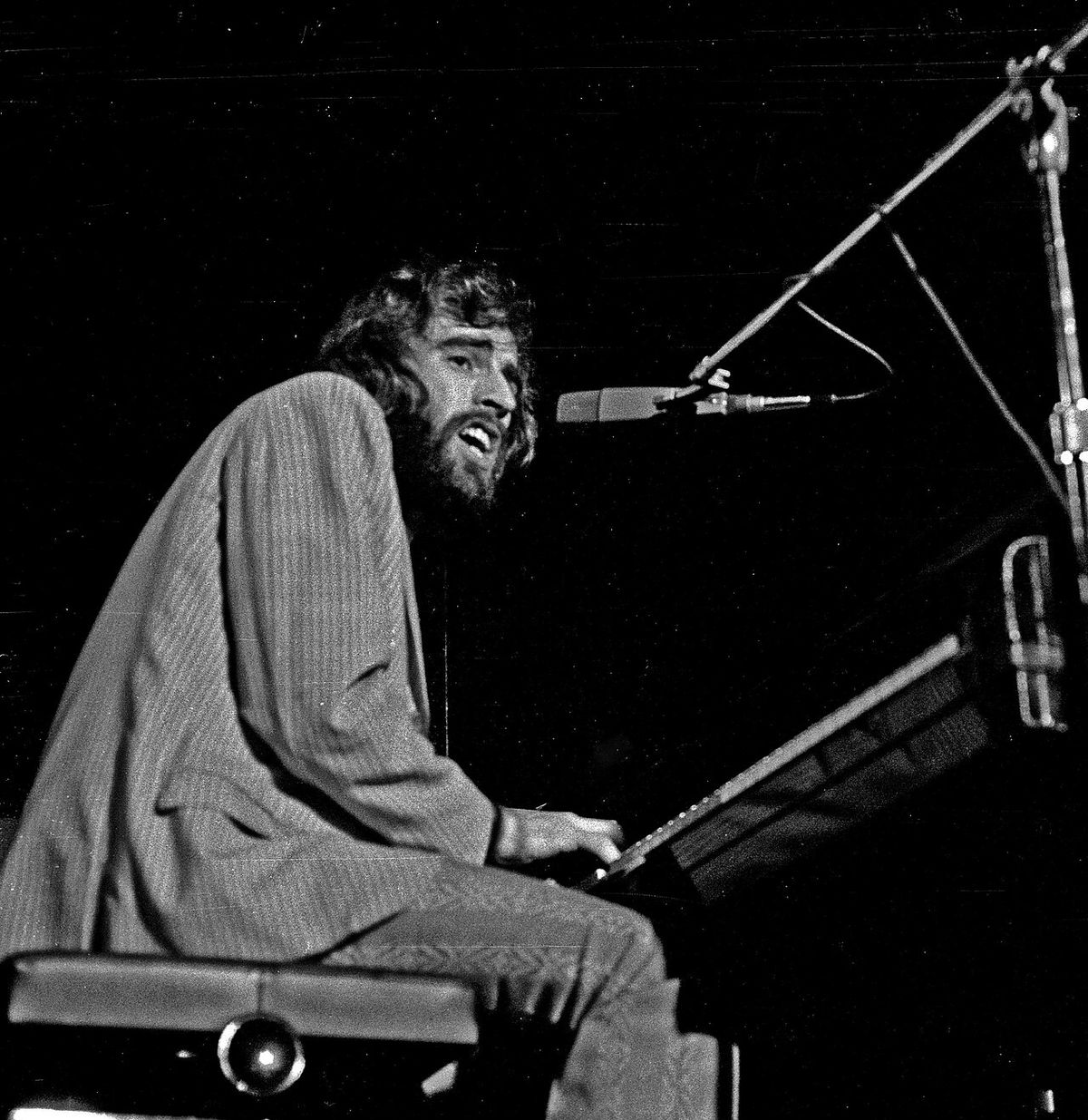
The Band
The Band was a highly influential Canadian and American rock group formed in Toronto, Ontario. Originally the backing band for rockabilly singer Ronnie Hawkins and later for Bob Dylan, the group emerged as a major force in popular music with their 1968 debut album, Music from Big Pink . Their music combined elements of Americana, folk, rock, rhythm and blues, jazz, and country, and shaped the sound of artists like Eric Clapton and George Harrison. The Band holds a significant place in Canadian cultural history, having been inducted into the Canadian Music Hall of Fame, Canada's Walk of Fame, and the Rock and Roll Hall of Fame.
Origins as The Hawks
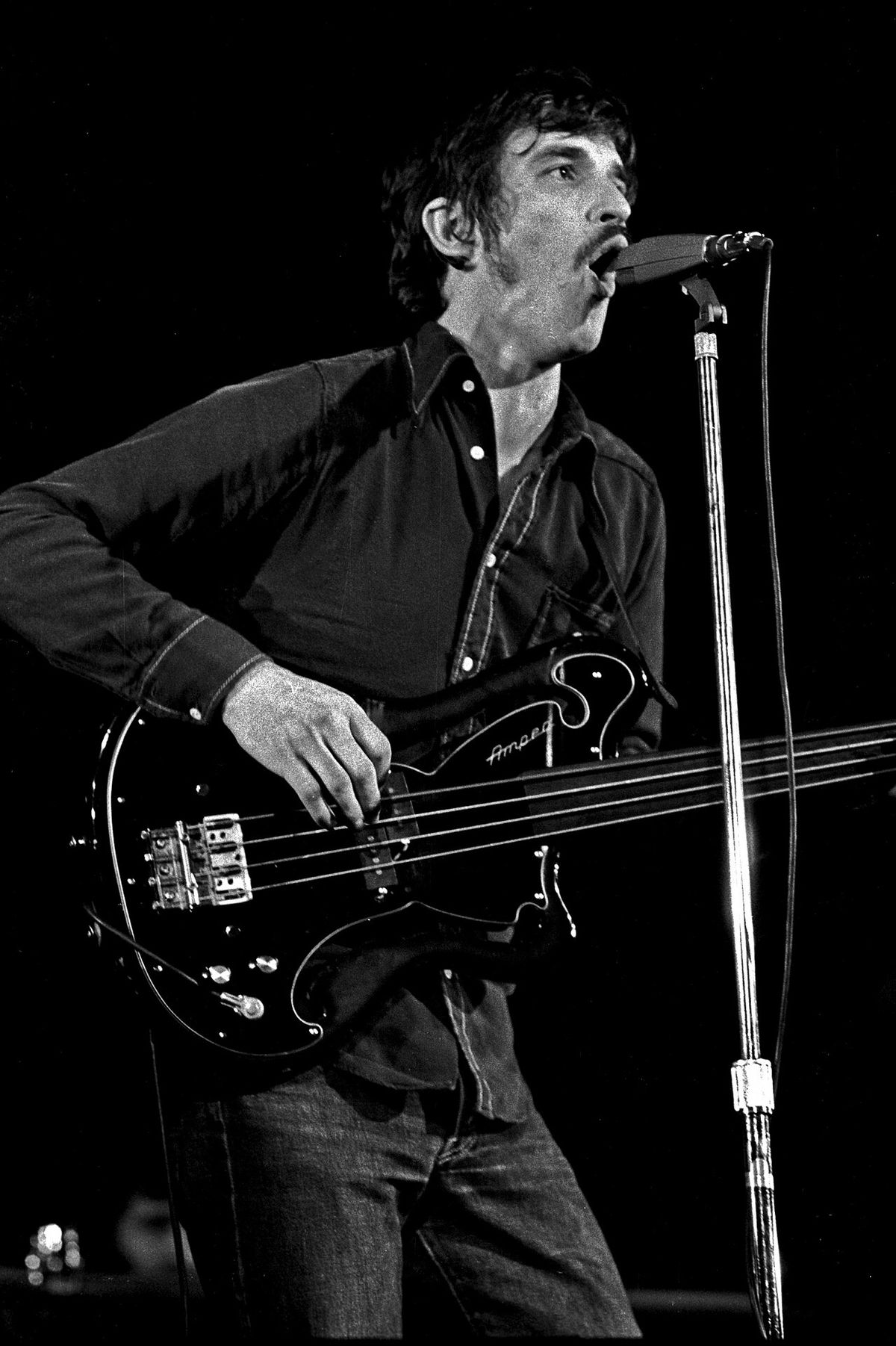
The group that would become The Band first coalesced as The Hawks, the backing band for American rockabilly singer Ronnie Hawkins, who was based in Toronto. Arkansas-born drummer Levon Helm joined Hawkins in 1957 and became a full-time member after his high school graduation in 1958. Hawkins's strategy for building a formidable group involved recruiting the best musicians from competing bands in the thriving southern Ontario circuit. This led to the addition of guitarist Robbie Robertson, bassist Rick Danko from Simcoe, and pianist Richard Manuel from Stratford. The final and most reluctant recruit was classically trained organist Garth Hudson, who agreed to join in 1961 on the condition the other members pay him for music lessons. Under Hawkins's demanding tutelage, which included punishing all-night rehearsals, The Hawks honed their skills and became the premier rock group in Toronto. The group recorded several singles with Hawkins and built a strong reputation, but by late 1963, creative differences and a desire to play original material led to their split from the singer.
Collaboration with Bob Dylan
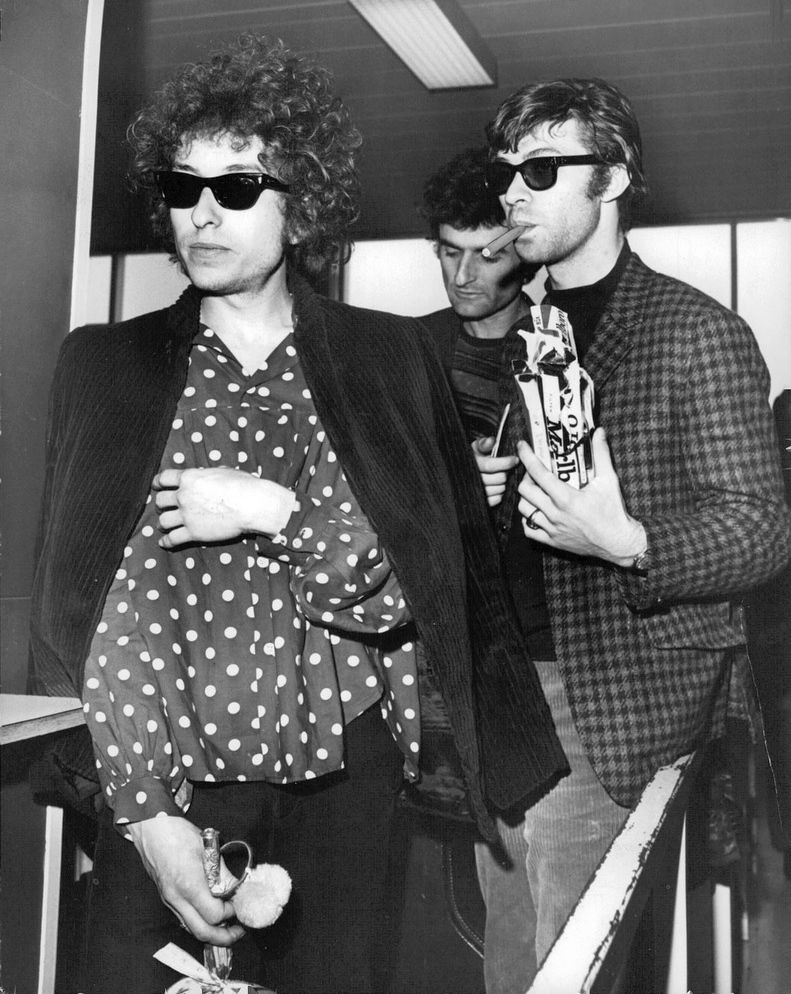
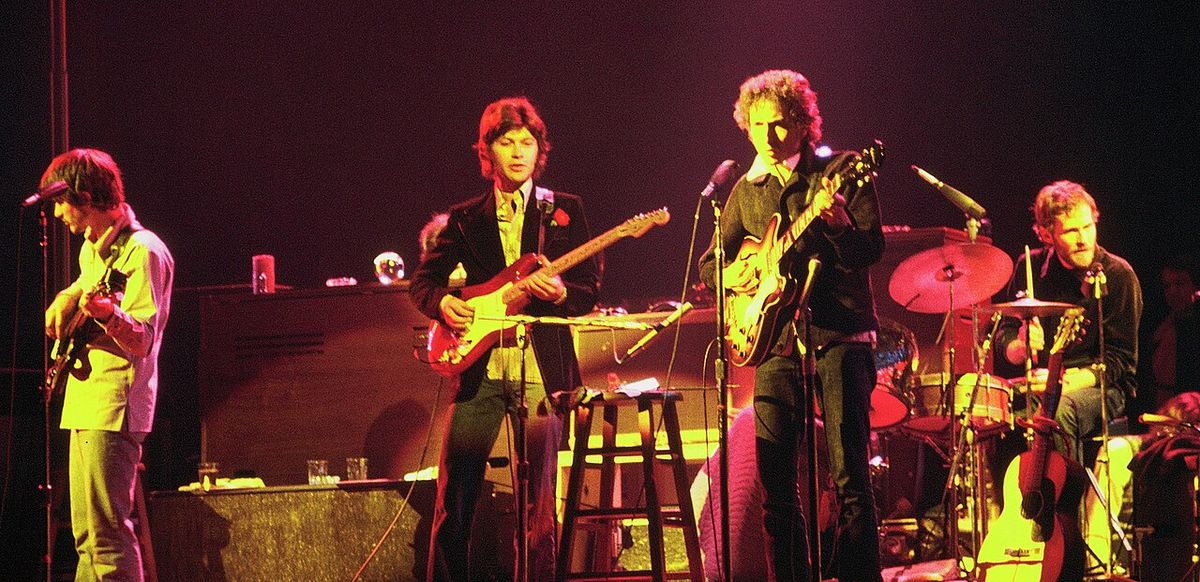
After leaving Hawkins, the group performed as Levon and the Hawks. In the summer of 1965, Bob Dylan was seeking a band for his first electric tour and was directed to see them at a Toronto club by his manager's secretary. Impressed, Dylan initially invited Helm and Robertson to join him, but they insisted the entire group be hired. Dylan agreed, and The Hawks began a tumultuous concert series with him from September 1965 through May 1966. The tours were met with hostility from folk purists, an experience that led Levon Helm to leave temporarily after just over a month. The group backed Dylan on his 1966 world tour, including the infamous Manchester Free Trade Hall concert where a fan shouted Judas. Following Dylan's motorcycle accident in July 1966, he retreated to Woodstock, New York. In early 1967, he invited the group to join him, and Danko, Hudson, and Manuel rented a house they nicknamed Big Pink in nearby West Saugerties. There, with Helm rejoining later, they engaged in prolific informal recording sessions with Dylan that produced the legendary Basement Tapes.
Rise to Fame and Classic Albums
With the basement sessions concluded by late 1967, the group began writing their own material. They adopted the simple name The Band, a moniker that had stuck from their time with Dylan. Their debut album, Music from Big Pink, released in July 1968, was a critical sensation that defied the psychedelic trends of the era. Produced by John Simon, it blended rustic, story-driven songs with a raw, soulful sound. The album featured three Dylan collaborations and the enduring classic The Weight. Its 1969 follow-up, simply titled The Band, further cemented their reputation. This self-titled album explored American mythology and history, featuring tracks like The Night They Drove Old Dixie Down and Up on Cripple Creek. These first two albums were highly influential, cited by artists like Eric Clapton and George Harrison as major inspirations for their own musical directions in the early 1970s. The Band's most significant albums from this period are Music from Big Pink (1968), The Band (1969), Stage Fright (1970), Cahoots (1971), and the live album Rock of Ages (1972).
Touring, Internal Strains, and The Last Waltz
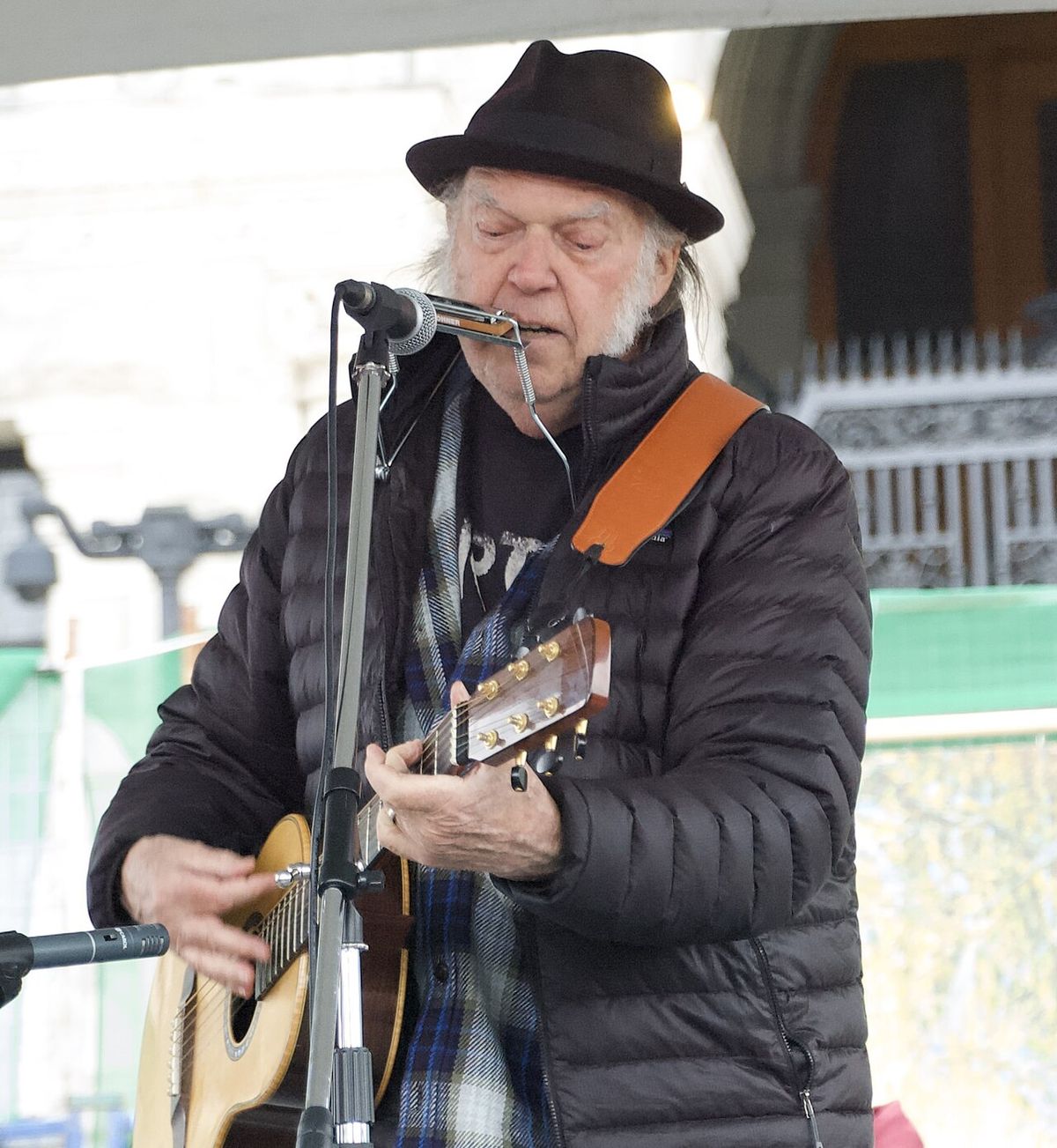
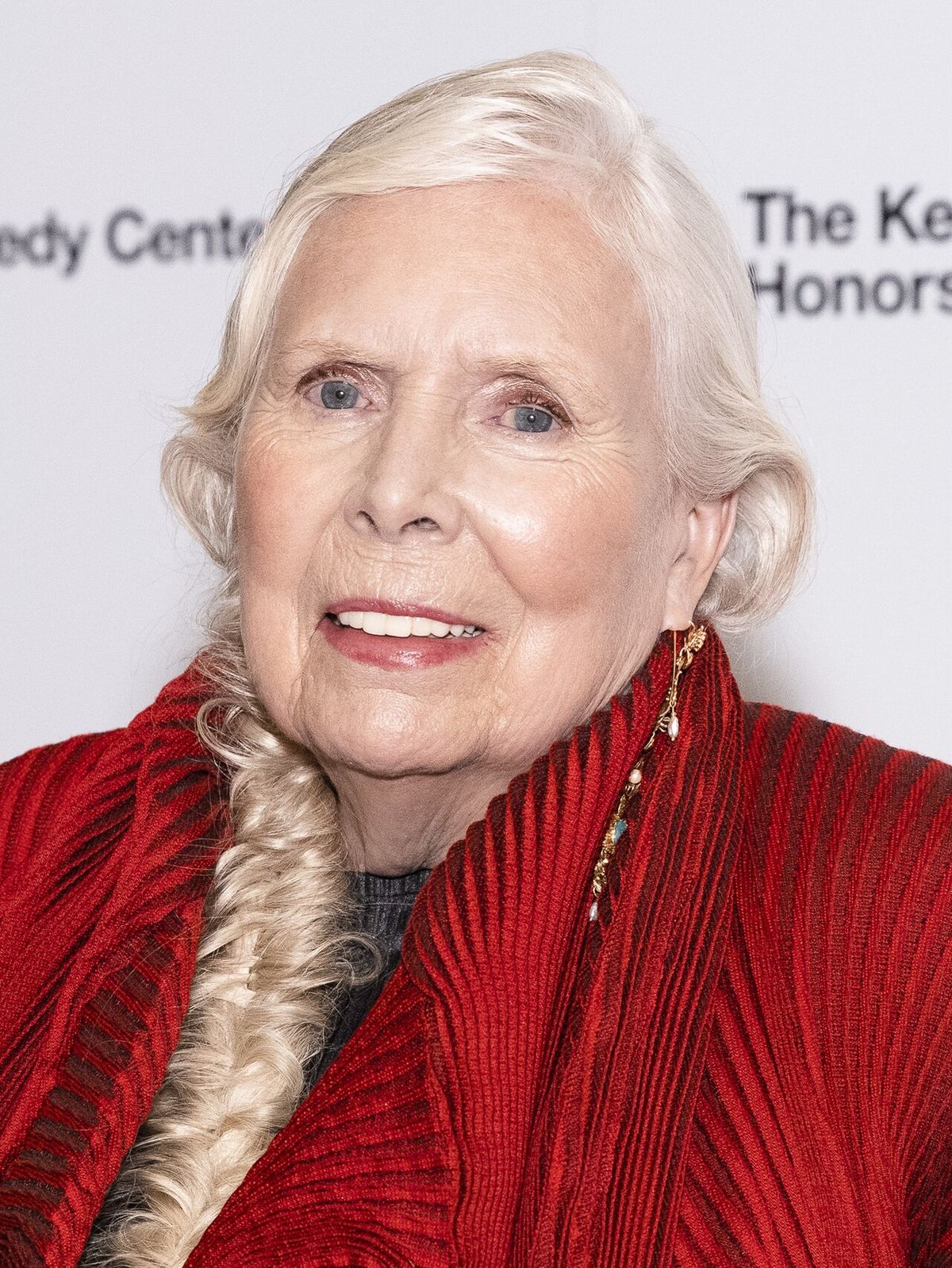
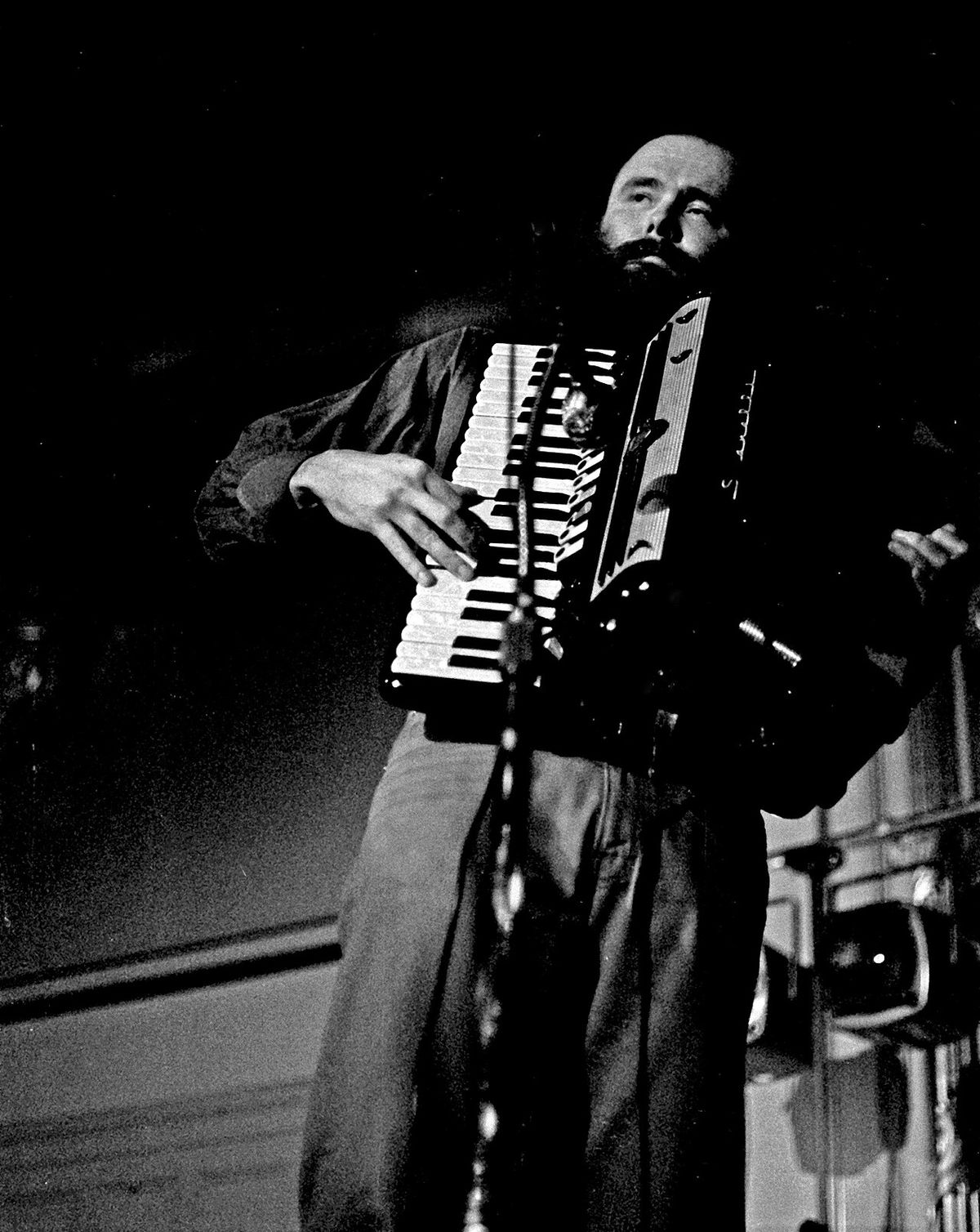
Following the success of their first two albums, The Band began touring as a headline act, including a performance at the 1969 Woodstock Festival. The pressures of fame and internal dynamics began to surface, reflected in the themes of their 1970 album Stage Fright. Songwriting credits became a growing point of contention, with Robbie Robertson increasingly the primary writer and Levon Helm feeling sidelined. The group participated in the 1970 Festival Express, a legendary train tour across Canada with Janis Joplin and the Grateful Dead. Despite releasing further albums like Cahoots (1971) and Northern Lights, Southern Cross (1975), fatigue from relentless touring and personal disagreements mounted. Robbie Robertson, in particular, felt the toll of the road lifestyle. This culminated in the decision to stage a final, elaborate concert. Held on Thanksgiving Day, November 25, 1976, at San Francisco's Winterland Ballroom, The Last Waltz featured an all-star lineup of guests including Bob Dylan, Neil Young, Joni Mitchell, and Van Morrison. The event was filmed by Martin Scorsese and released as a celebrated concert film in 1978, serving as the group's formal farewell.
Reunions, Later Years, and Breakup
After The Last Waltz, the members pursued solo projects. In 1983, Danko, Hudson, Helm, and Manuel reunited for a tour without Robertson, who had chosen to remain apart. Tragedy struck on March 4, 1986, when Richard Manuel died by suicide after a concert in Winter Park, Florida. The remaining trio carried on, joined by other musicians including pianist Richard Bell. The group's final chapter closed with the death of Rick Danko on December 10, 1999. His passing marked the end of The Band, as the surviving original members did not continue under the name.
Musical Style and Influence
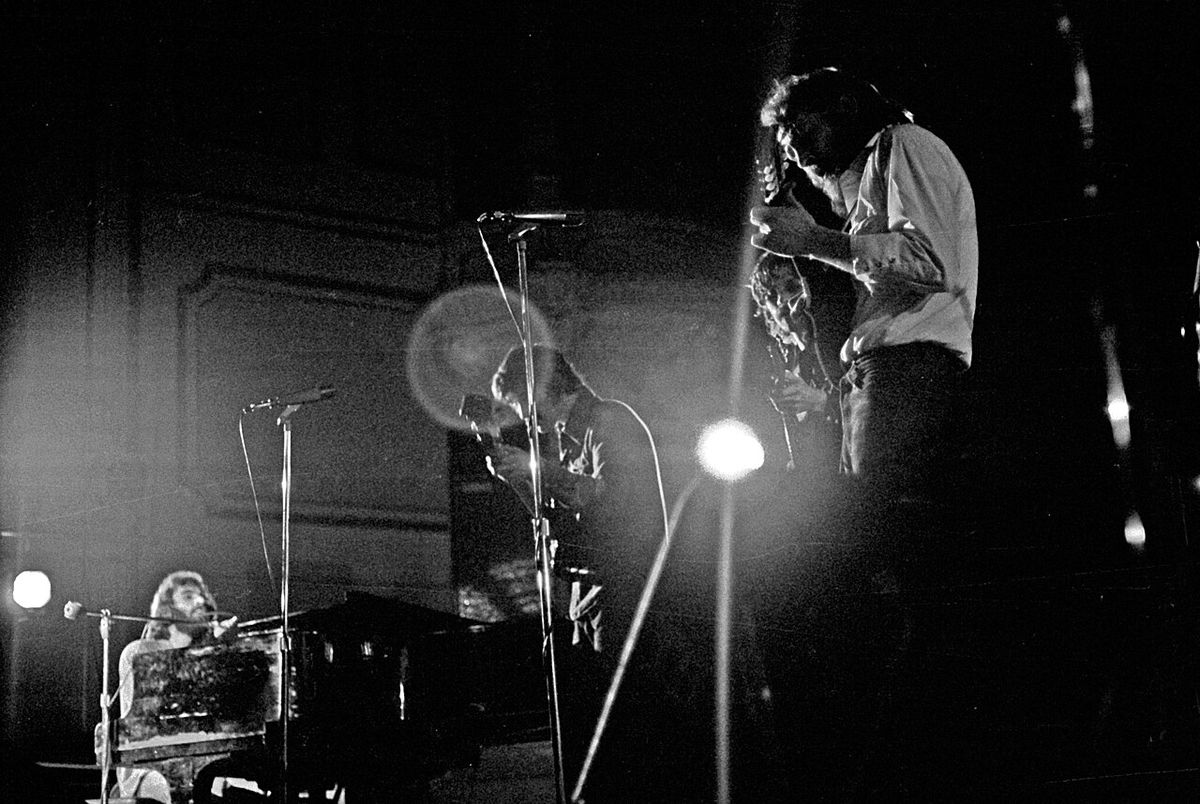
The Band's sound was a groundbreaking synthesis of diverse North American musical traditions. They combined elements of rock and roll, country, folk, gospel, rhythm and blues, and jazz into a cohesive and earthy whole. Their arrangements were detailed yet organic, often featuring multiple vocalists, Helm's Arkansas twang, Danko's plaintive tenor, and Manuel's soulful falsetto, swapping lead and harmonizing. Garth Hudson's innovative keyboard work, particularly on the Lowrey organ and accordion, provided a rich, textured backdrop. Lyrically, they moved away from contemporary themes to tell vivid, timeless stories about rural life, historical events, and archetypal characters, creating a deeply evocative sense of place and memory. This approach, combined with their virtuosic but unshowy musicianship, established the template for what would become known as Americana or roots rock. Their influence was immediate and lasting, directly inspiring the country-rock movement and artists ranging from the Eagles and Elton John to modern acts like Wilco and My Morning Jacket.
Honours and Legacy
The Band's impact on music has been recognized with numerous honours. They were inducted into the Canadian Music Hall of Fame in 1989 and the Rock and Roll Hall of Fame in 1994. In 2008, they received the Grammy Lifetime Achievement Award. Their album Music from Big Pink is frequently cited on lists of the greatest albums of all time, and Rolling Stone ranked the group 50th on its list of the 100 Greatest Artists of All Time in 2004. In Canada, they were inducted into Canada's Walk of Fame in 2014. Their music continues to be celebrated and discovered by new generations. The Band's legacy endures not only through their recordings but also through the significant influence they exerted on the course of popular music, championing musical substance, collaboration, and storytelling. Key honours received by The Band include induction into the Canadian Music Hall of Fame in 1989, the Rock and Roll Hall of Fame in 1994, a Grammy Lifetime Achievement Award in 2008, and induction into Canada's Walk of Fame in 2014.
Discography and Key Releases
The Band's studio work, particularly their first four albums, represents the core of their celebrated output. Their 1968 debut album, Music from Big Pink, was released to critical acclaim. This was followed by their self-titled album in 1969, which also achieved commercial success. Their discography from this initial active period includes the albums Stage Fright in 1970 and Cahoots in 1971. They also released significant live recordings, such as Rock of Ages in 1972, and collaborative projects, most notably their work with Bob Dylan.
| Year | Album Title | Notes |
|---|---|---|
| 1968 | Music from Big Pink | Debut album. Includes The Weight |
| 1969 | The Band | Includes The Night They Drove Old Dixie Down |
| 1970 | Stage Fright | Recorded at the Woodstock Playhouse |
| 1971 | Cahoots | Features Van Morrison on 4% Pantomime |
| 1972 | Rock of Ages | Live album with horn arrangements |
| 1973 | Moondog Matinee | Album of cover songs |
| 1975 | Northern Lights, Southern Cross | First album of all-new Robertson originals since 1971 |
| 1978 | The Last Waltz | Soundtrack to the concert film |
Questions about The Band
Was The Band a Canadian group?
The Band was a Canadian and American rock group. Four of its five core members, Robbie Robertson, Rick Danko, Richard Manuel, and Garth Hudson, were Canadian. The drummer and vocalist Levon Helm was American, from Arkansas. The group was formed in Toronto, Ontario, and is considered a foundational act in Canadian music history, as recognized by their inductions into the Canadian Music Hall of Fame and Canada's Walk of Fame.
What was The Band's connection to Bob Dylan?
The Band, then known as Levon and the Hawks, became Bob Dylan's backing band for his controversial 1965 to 1966 electric world tour. After Dylan's motorcycle accident, they joined him in Woodstock, New York, where they recorded the famous Basement Tapes in 1967. Dylan co-wrote three songs on The Band's debut album and performed with them at the 1969 Isle of Wight Festival and their 1974 reunion tour. Their professional and personal relationship was one of the most significant in rock history.
What awards did The Band win?
The Band received several major honours recognizing their collective impact. They were inducted into the Canadian Music Hall of Fame in 1989 and the Rock and Roll Hall of Fame in 1994. In 2008, they were awarded the Grammy Lifetime Achievement Award. The group was also inducted into Canada's Walk of Fame in 2014. While they did not win competitive Grammys for specific recordings, their albums are consistently ranked among the greatest of all time by publications like Rolling Stone.
What is The Band's most famous song?
The Band's most popular songs include "The Weight" from their 1968 debut album Music from Big Pink, "The Night They Drove Old Dixie Down" from their 1969 self titled album, and "Up on Cripple Creek" from that same 1969 album. "The Weight" gained further recognition after its use in the 1969 film Easy Rider. These songs are central to the group's legacy, which combined elements of Americana, folk, rock, R and B, jazz and country. Their music was highly influential, cited by artists like Eric Clapton and George Harrison. The Band's debut album was deemed the second most influential rock record by Pink Floyd's Roger Waters.
Why did The Band break up after The Last Waltz?
The Band did not immediately break up after The Last Waltz, their 1976 farewell concert film directed by Martin Scorsese. After five years apart, members Rick Danko, Garth Hudson, Levon Helm, and Richard Manuel reunited in 1983 for a tour without guitarist Robbie Robertson. Following Manuel's death in 1986, the remaining trio continued to tour and occasionally release new studio material. The group's final and permanent breakup occurred after the death of bassist Rick Danko in 1999. The Last Waltz was intended as a farewell to their original touring career, but various configurations of the group persisted for over two more decades.
Did The Band ever reunite?
Yes, The Band reunited but not with its classic five member lineup. In 1983, after five years apart, Rick Danko, Garth Hudson, Levon Helm, and Richard Manuel reunited for a tour without founding guitarist Robbie Robertson. This followed their initial breakup after the 1976 farewell concert filmed as The Last Waltz. After pianist Richard Manuel's death in 1986, the remaining trio of Danko, Hudson, and Helm continued to tour and occasionally release new albums with additional musicians. The group performed in this form until the death of bassist Rick Danko in 1999, which permanently ended The Band.
Sources and further reading
Checked by the Yadude Books desk. Last updated 2026-10-22.