Richard Manuel
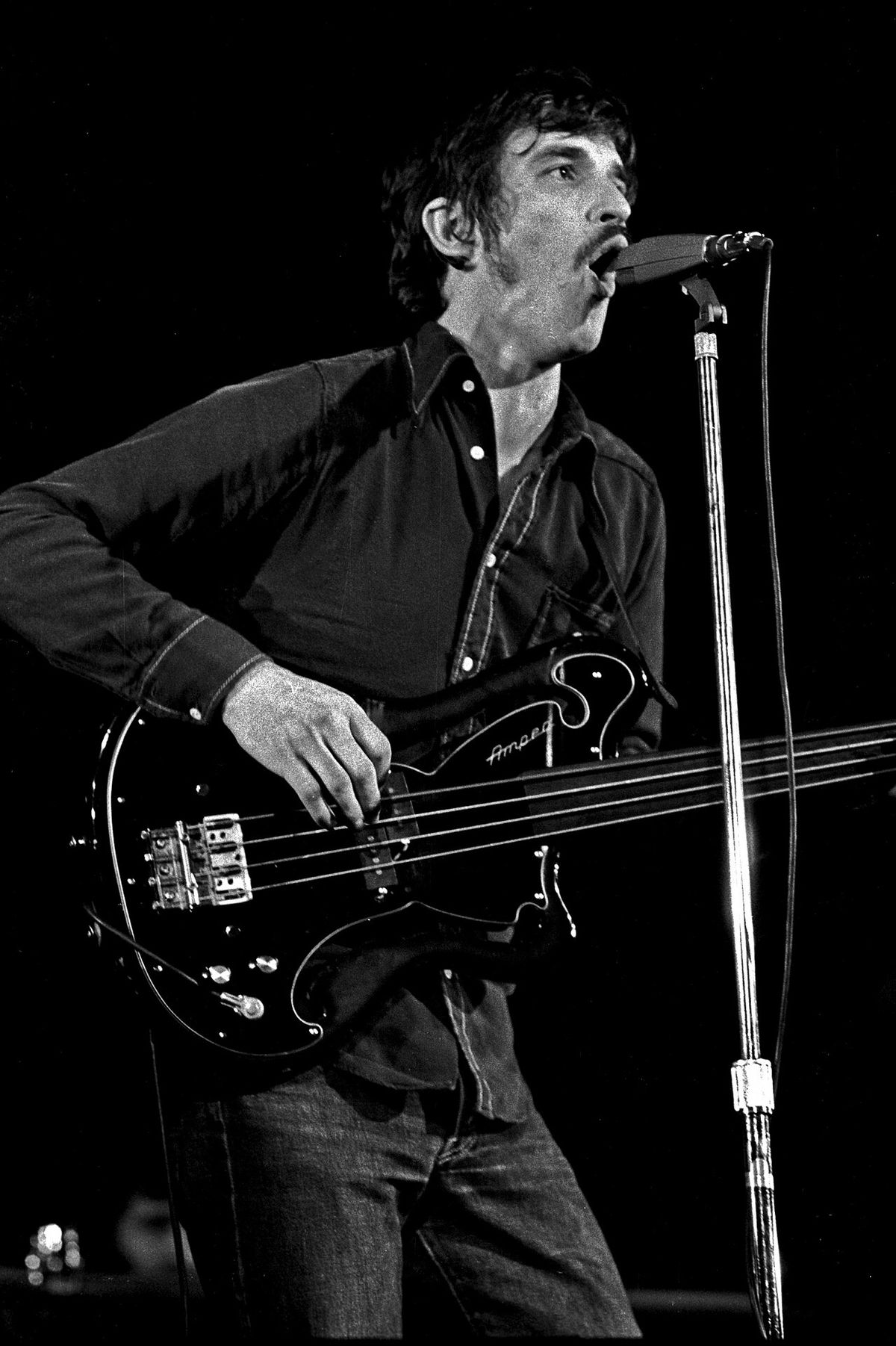
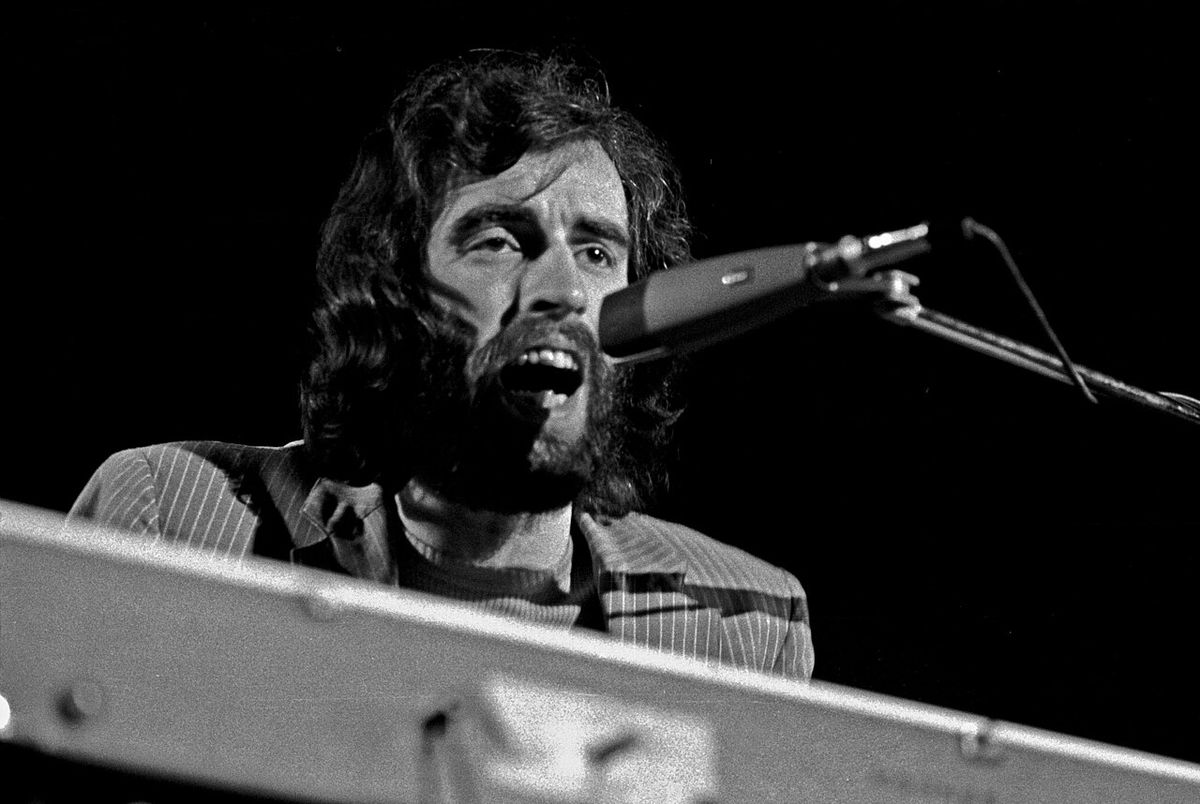
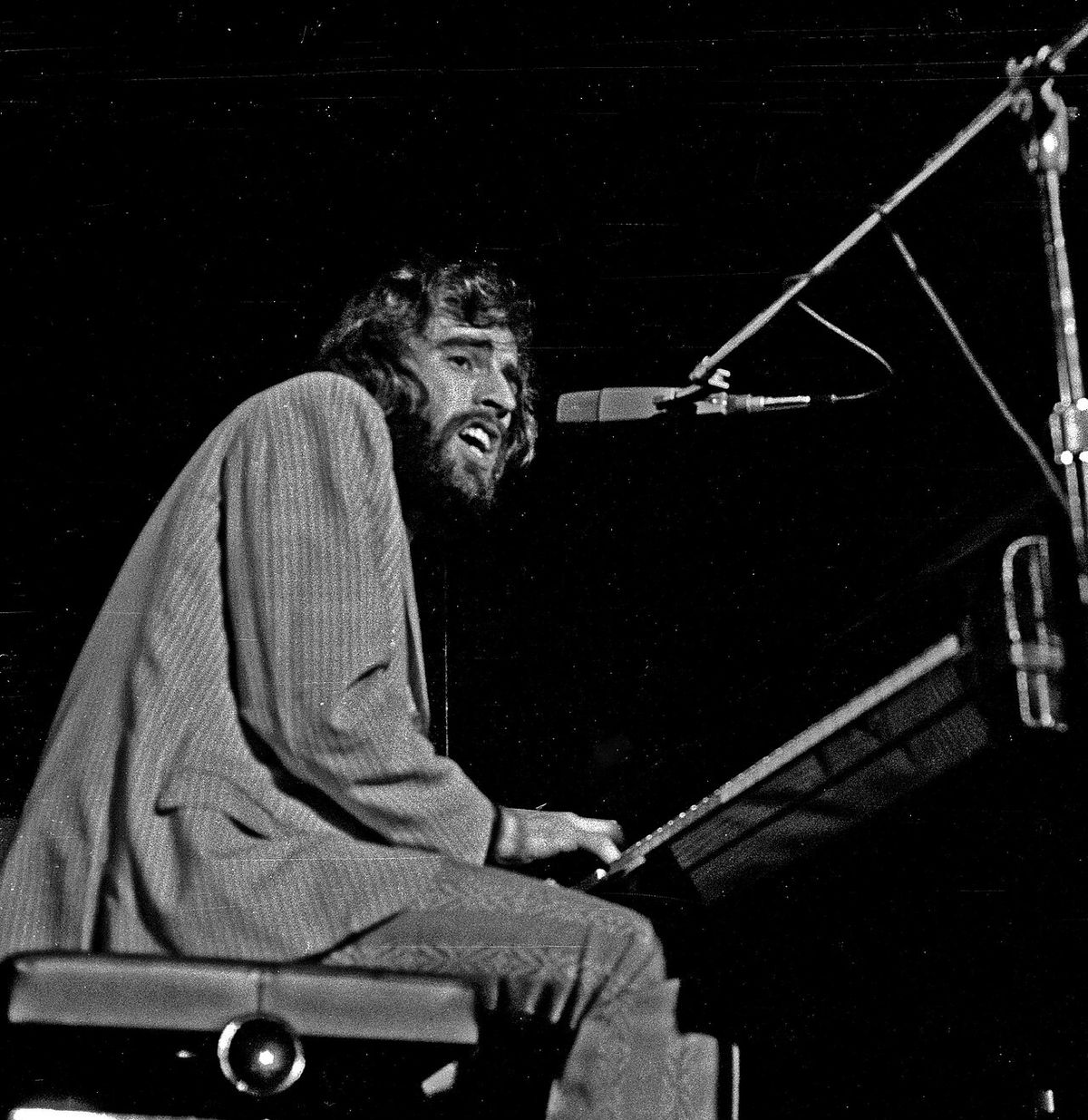
Richard George Manuel was a Canadian musician, singer and songwriter, best known as the pianist and one of the primary lead vocalists for the influential rock group The Band. Born in Stratford, Ontario, his soulful baritone and delicate falsetto vocals, often compared to Ray Charles, were central to the group's signature sound. Manuel co-wrote several of The Band's most enduring songs, including 'Tears of Rage' with Bob Dylan and 'Whispering Pines'. He was posthumously inducted into the Rock and Roll Hall of Fame in 1994 with his bandmates, cementing his legacy as a foundational figure in the development of Americana and roots rock music.
Early life and musical beginnings
Richard George Manuel was born on April 3, 1943, in Stratford, Ontario, to Ed Manuel, a mechanic at a Chrysler dealership, and a schoolteacher mother. He was raised with his three brothers, and the four boys sang together in their local church choir, providing an early foundation in harmony. Manuel began taking piano lessons at the age of nine, showing an early aptitude for the instrument, and he spent much of his youth rehearsing with friends at home. His childhood musical influences were deeply rooted in rhythm and blues and soul, with artists like Ray Charles, Bobby Bland, Jimmy Reed and Otis Rush shaping his vocal and piano style. Around 1957, he joined his first serious band, The Rebels, a local Stratford group that featured guitarist John Till, who would later play with Janis Joplin's Full Tilt Boogie Band. The band's lineup included drummer Jimmy Winkler and bassist Ken Kalmusky, a future founding member of the Canadian country rock group Great Speckled Bird. The group soon changed its name to the Revols to avoid confusion with Duane Eddy's band, and although Manuel was the primary vocalist, they later added another singer, Doug 'Bo' Rhodes, to the roster.
Joining the Hawks and work with Bob Dylan
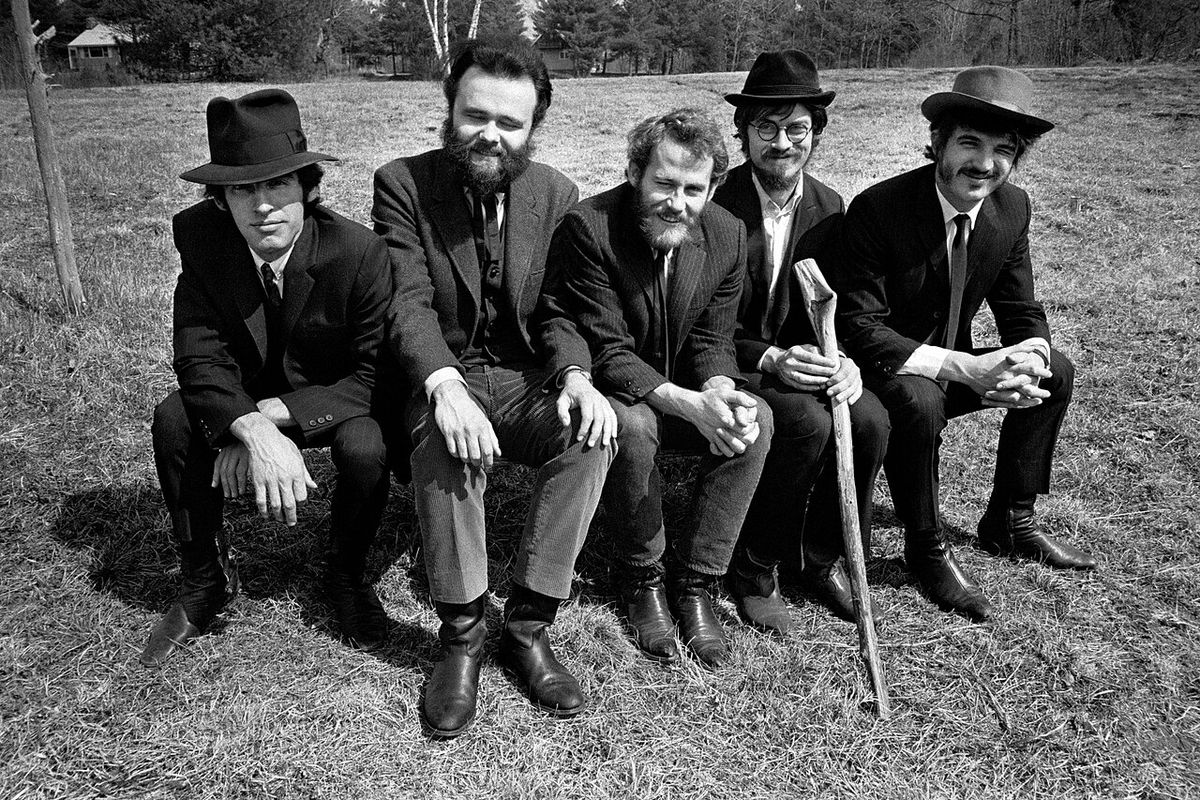
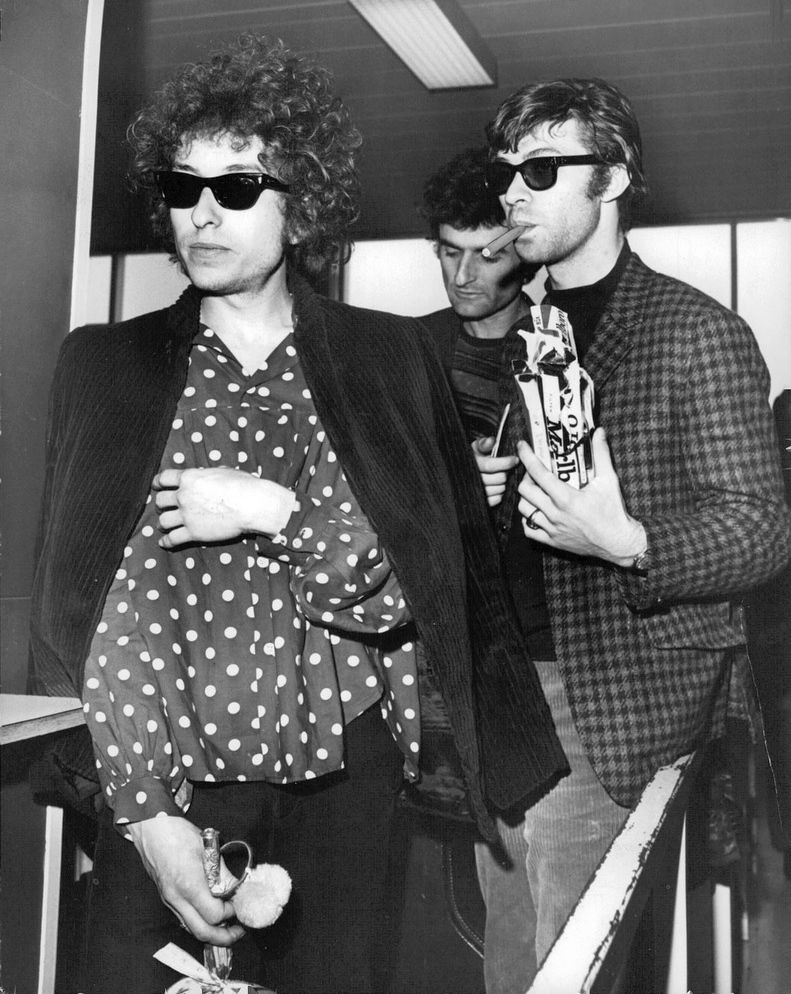
Manuel's professional career accelerated in the summer of 1960 when his band, the Revols, opened for rockabilly singer Ronnie Hawkins and his backing group, the Hawks, at Pop Ivy's in Port Dover, Ontario. Hawkins was so impressed with the young pianist's talent that he reportedly told his drummer, Levon Helm, that Manuel had 'more talent than Van Cliburn.' The following spring, after another encounter, Hawkins offered to manage the Revols and sent them to play at one of his clubs in Arkansas. By mid September 1961, after the Revols returned from the southern United States, Hawkins recruited the 18 year old Manuel to replace pianist Stan Szelest in his own band, the Hawks. At that time, the Hawks consisted of drummer Levon Helm, guitarist Robbie Robertson and bassist Rick Danko, all in their late teens. Organist Garth Hudson joined that Christmas, solidifying the core lineup that would eventually become The Band. The group grew increasingly frustrated with Hawkins's strict rules and disdain for contemporary music trends, leading them to leave his employ in 1964 to strike out on their own. They performed under names like the Levon Helm Sextet and the Canadian Squires before settling on Levon and the Hawks, with Helm as the nominal leader due to his seniority. During this period, Manuel was the group's primary vocalist, handling most of the songs in their repertoire. In 1965, the Hawks served as the backing band for blues musician John Hammond on his album So Many Roads. Hammond then recommended the group to Bob Dylan, who enlisted them as his electric backing band for his controversial 1966 world tour, where they faced hostility from folk purists.
Formation of The Band and Music from Big Pink
In 1967, while Bob Dylan recuperated from a motorcycle accident in Woodstock, New York, the group moved nearby, renting a famously pink house known as 'Big Pink' in West Saugerties. Supported by a retainer from Dylan, they experimented freely, blending country, soul, gospel and rockabilly into a unique collective sound. During this period, with Levon Helm temporarily absent, Manuel taught himself to play drums, developing a loose, improvisational style he would later employ on Band recordings like 'Rag Mama Rag'. The early months in Woodstock also fostered Manuel's growth as a songwriter alongside Robbie Robertson. After recording numerous demos and signing with manager Albert Grossman, the group secured a 10 album contract with Capitol Records in early 1968, initially considering names like 'The Crackers' before simply becoming 'The Band'. Their debut album, Music from Big Pink, released in 1968, featured four songs co written by Manuel, including the majestic 'Tears of Rage', which he wrote with Bob Dylan. The album also included their versions of 'Long Black Veil', Dylan's 'I Shall Be Released' and the Danko Dylan collaboration 'This Wheel's on Fire'. While it only reached number 30 on the Billboard charts, the album's rustic, deeply felt sound had a major influence on the burgeoning country rock and roots rock movements. Shortly after the album's release, Manuel married his longtime girlfriend, Toronto model Jane Kristiansen, with whom he would have two children.
Career with The Band and personal struggles
Following their debut, The Band quickly established themselves as a major creative force. Manuel's songwriting contributions, however, began to diminish on subsequent albums. On their self titled second album in 1969, he was credited on only three songs ('When You Awake', 'Whispering Pines' and 'Jawbone'), all co written with Robbie Robertson. By 1970's Stage Fright, he co wrote just two songs ('Sleeping' and 'Just Another Whistle Stop'). This period coincided with the beginning of Manuel's severe struggles with substance abuse, including heroin and alcohol, which band members and producers noted affected his productivity and stability. In 1973, the group relocated to Malibu, California, following Dylan's lead. Before leaving New York, they recorded Moondog Matinee, an album of rock and roll and rhythm and blues covers that featured some of Manuel's most powerful vocal performances, including on 'Share Your Love with Me' and 'The Great Pretender'. The Band reunited with Dylan in 1974 for a major tour and the album Before the Flood, which showed Manuel could still reach his signature falsetto. By 1975, his personal life was in turmoil, his marriage ended in separation, and he was consuming enormous amounts of alcohol and cocaine. He lived for a time in a bungalow on the property of The Band's Shangri La studio and made significant contributions to Eric Clapton's 1976 album No Reason to Cry, giving Clapton the song 'Beautiful Thing' and singing on 'Last Night'. The group's final tour in 1976 was marred by Manuel's variable health and sobriety, though he could deliver impassioned performances of songs like 'The Shape I'm In'. The Band's final concert as the original lineup was filmed by Martin Scorsese as The Last Waltz on Thanksgiving Day, 1976, where Manuel sang 'The Shape I'm In'.
Richard Manuel wrote or co-wrote several key songs for The Band. Among his contributions to their debut album, Music from Big Pink, was the song "Tears of Rage," which he co-wrote with Bob Dylan. He also contributed four songs to that album. On the album The Band, he was credited with co-writing three songs: "When You Awake," "Whispering Pines," and "Jawbone." For the album Stage Fright, he co-wrote two songs: "Sleeping" and "Just Another Whistle Stop."
- 'Tears of Rage' (with Bob Dylan) from Music from Big Pink (1968)
- 'In a Station' from Music from Big Pink (1968)
- 'Lonesome Suzie' from Music from Big Pink (1968)
- 'We Can Talk' from Music from Big Pink (1968)
- 'Whispering Pines' (with Robbie Robertson) from The Band (1969)
- 'When You Awake' (with Robbie Robertson) from The Band (1969)
- 'Jawbone' (with Robbie Robertson) from The Band (1969)
- 'Sleeping' (with Robbie Robertson) from Stage Fright (1970)
- 'Just Another Whistle Stop' (with Robbie Robertson) from Stage Fright (1970)
Later years, reunion and death
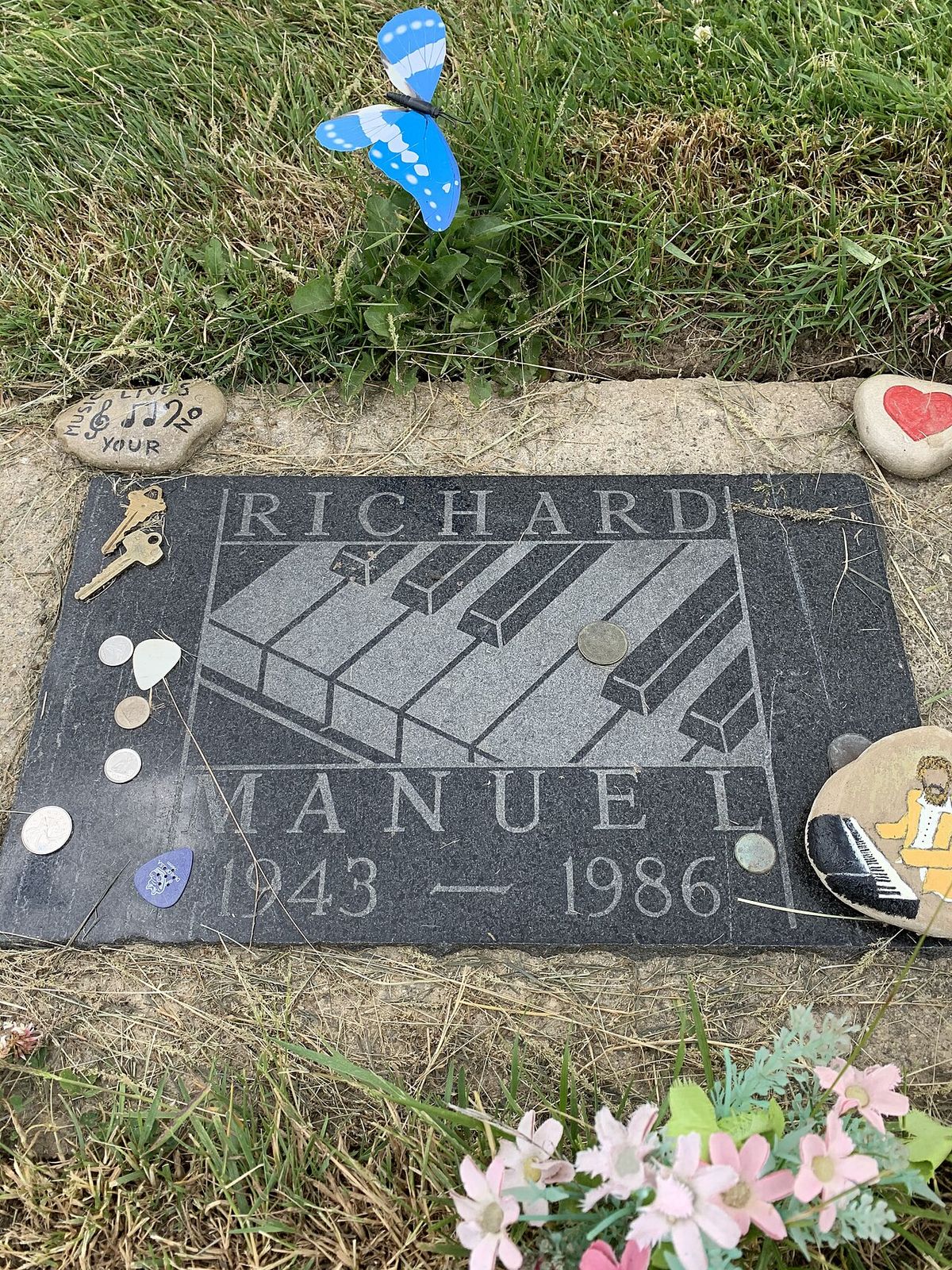
After The Band's initial dissolution, Manuel entered rehabilitation in August 1978 and achieved sobriety for a period. He remarried his longtime girlfriend, Arlie Litvak, that same year and moved to Garth Hudson's ranch outside Malibu. During the late 1970s and early 1980s, he engaged in various session work and low key performances, contributing electric piano to Happy Traum's Bright Morning Stars in 1980 and background vocals to Bonnie Raitt's Green Light in 1982. He also contributed to soundtracks for films like Raging Bull (1980) and The King of Comedy (1983), played on albums by artists like Willie Nelson, and began touring clubs in a semi acoustic duo with Rick Danko. The Band reformed in 1983 without Robbie Robertson, adding guitarist Jim Weider and others to the lineup of Manuel, Danko, Helm and Hudson. Manuel, having reclaimed some of his vocal prowess, performed with new conviction on tours throughout the mid 1980s. He and his wife returned to the Woodstock area in the spring of 1984. Despite the professional resurgence, Manuel continued to grapple with health issues and personal demons, including a fear that he had contracted AIDS. On March 4, 1986, after a performance with the reunited Band at the Cheek to Cheek Lounge in Winter Park, Florida, Richard Manuel died by suicide in his hotel room.
Artistry and legacy
Richard Manuel's artistry was defined by his emotive voice, which could shift from a Ray Charles inspired, soulful baritone to a fragile, haunting falsetto. This vocal range made him one of the most distinctive singers in rock music and a central pillar of The Band's three part harmony blend. As a multi instrumentalist, his piano playing was rhythmic and gospel inflected, and his occasional drumming provided a uniquely loose, jazzy counterpoint to Levon Helm's more precise style. While his songwriting output decreased in The Band's later years, his early compositions like 'Tears of Rage', 'Whispering Pines' and 'In a Station' are celebrated for their melancholic beauty and literary quality. His influence extends far beyond his recorded work, as The Band's music, built on Manuel's vocal and keyboard foundations, became a touchstone for the Americana genre. Artists from countless generations have cited his emotional delivery and The Band's collective spirit as a major inspiration. In 1994, Richard Manuel was posthumously inducted into the Rock and Roll Hall of Fame as a member of The Band, a formal recognition of his lasting impact on popular music.
Selected discography and contributions
While the core of Richard Manuel's recorded legacy resides on The Band's studio albums, his voice and musicianship also appear on several key recordings by other artists. His early song "Blues for Breakfast" was performed by Cass Elliot on her 1968 album Dream a Little Dream. Joan Baez performed an a cappella arrangement of his song "Tears of Rage" on her 1968 album Any Day Now. Blood, Sweat & Tears included an arrangement of his song "Lonesome Suzie" on their 1970 album Blood, Sweat & Tears 3. Karen Dalton included her rendition of his song "In a Station" on her 1971 album In My Own Time. He also contributed to Eric Clapton's 1976 album No Reason to Cry, giving Clapton the song "Beautiful Thing" and providing vocals for "Last Night."
| Year | Album | Artist | Role |
|---|---|---|---|
| 1968 | Music from Big Pink | The Band | Vocals, piano, co writer |
| 1969 | The Band | The Band | Vocals, piano, drums, co writer |
| 1970 | Stage Fright | The Band | Vocals, piano, co writer |
| 1971 | Cahoots | The Band | Vocals, piano |
| 1973 | Moondog Matinee | The Band | Vocals, piano |
| 1974 | Before the Flood | Bob Dylan & The Band | Vocals, piano |
| 1975 | Northern Lights, Southern Cross | The Band | Vocals, piano |
| 1976 | No Reason to Cry | Eric Clapton | Vocals, songwriting contribution |
| 1978 | The Last Waltz | The Band | Vocals, piano |
| 1982 | Green Light | Bonnie Raitt | Background vocals |
Questions about Richard Manuel
What are Richard Manuel's most famous songs with The Band?
Richard Manuel is renowned for singing and co writing several of The Band's most celebrated songs. His famous lead vocal performances include 'Tears of Rage' (which he co wrote with Bob Dylan), 'I Shall Be Released', 'Whispering Pines', 'Lonesome Suzie', 'In a Station' and 'The Shape I'm In'. His soulful baritone and soaring falsetto on these tracks are considered definitive elements of the group's sound. He also delivered powerful performances on cover songs like 'Share Your Love with Me' on the album Moondog Matinee.
Did Richard Manuel play any instruments besides piano and sing?
Yes, Richard Manuel was a multi instrumentalist. Primarily known as a vocalist and pianist, he also taught himself to play drums during The Band's early years in Woodstock when Levon Helm was temporarily absent. His drumming style was notably loose and improvisational, featured on songs like 'Rag Mama Rag'. Within The Band, he would occasionally switch to drums during live performances when Helm played mandolin or guitar. He also played organ and contributed clavinet on later session work.
Did Richard Manuel work with Bob Dylan outside of The Band?
Richard Manuel's professional relationship with Bob Dylan began in 1966 when he, as a member of the Hawks, served as Dylan's electric backing band on his controversial world tour. After The Band formed, the collaboration deepened. Manuel co wrote the song 'Tears of Rage' with Dylan for The Band's debut album. In 1974, The Band backed Dylan on his album Planet Waves and the ensuing tour, which produced the live album Before the Flood. Their musical partnership was one of the most significant in both artists' careers.
What was Richard Manuel's cause of death?
Richard Manuel died by suicide on March 4, 1986, in a hotel room in Winter Park, Florida, following a performance with the reunited Band. His death followed decades of severe struggles with substance abuse, including alcoholism and a prodigious cocaine addiction. Throughout the 1970s, he was consuming eight bottles of Grand Marnier daily and had previously used heroin. In his later years, he reportedly feared he had contracted AIDS due to his past lifestyle of drug abuse and sexual promiscuity. His health and mental state had been deteriorating for many years, which included previous suicide attempts by self immolation and shooting himself with a BB gun.
Was Richard Manuel inducted into the Rock and Roll Hall of Fame?
Yes, Richard Manuel was posthumously inducted into the Rock and Roll Hall of Fame in 1994 as a member of The Band. He was recognized for his role as a pianist and one of the group's three lead singers. Manuel was a foundational member of the group, having originally joined Ronnie Hawkins's backing band, the Hawks, in 1961. He contributed significantly to their well-known sound, both as a vocalist with a soul influenced baritone and delicate falsetto, and as a songwriter on early albums like Music from Big Pink. His induction occurred eight years after his death in 1986.
When did The Band reunite without Robbie Robertson?
The Band reformed in 1983 without guitarist and primary songwriter Robbie Robertson, who had permanently stopped touring after their 1976 farewell concert, The Last Waltz. This reunion lineup featured the four other original members: Richard Manuel, Levon Helm, Rick Danko, and Garth Hudson. They were augmented by guitarist Jim Weider and various other musicians like the Cate Brothers. During this period, Manuel had reclaimed some of his lost vocal range and performed with new conviction. The group had initially drifted apart after 1978, but this marked their return to touring and recording without Robertson's involvement.
Sources and further reading
- Richard Manuel (Wikipedia)
- BOOK REVIEW: Richard Manuel, His Life and Music (alanpaul.substack.com)
- The First Official Biography Of Richard Manuel (shorefire.com)
Checked by the Yadude Books desk. Last updated 2026-11-04.