Manitoba labour board declares Dynacare workers essential
The ruling means core lab services must continue during any strike, affecting more than 350 workers seeking higher wages.
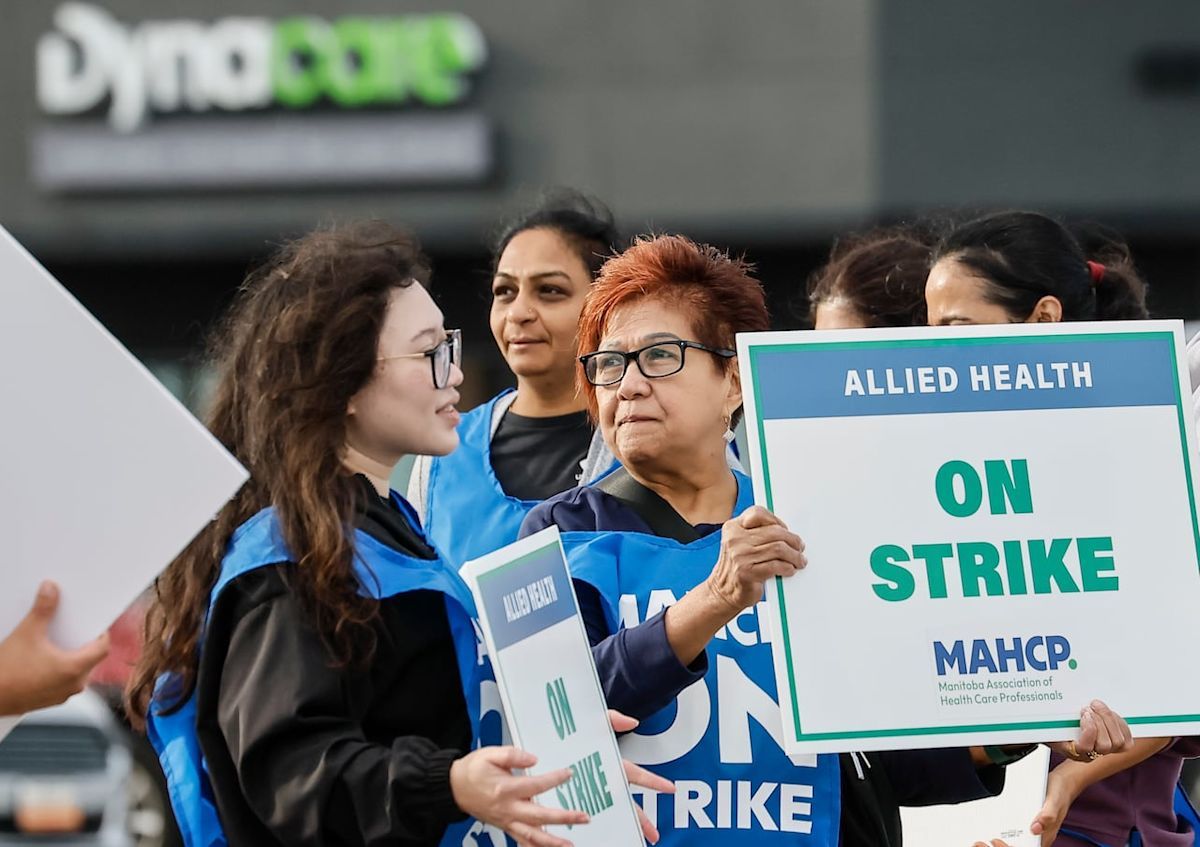
The Manitoba Labour Board says medical testing workers with Dynacare are to be classified as essential workers in the event of a strike or lockout.
The board, in a written ruling Thursday, said it accepts the province's argument that testing, while routine, can have major ramifications on everything from cancer diagnoses to strokes.
"The board has concluded on the basis of the evidence presented that essential services must be maintained," it said.
The decision states that in the event of a strike or lockout, core functions like lab testing, home visits and mobile collections must continue.
READ MORE: Labour leaders warn Bill C-39 amendments threaten right to strike
READ MORE: Liberals propose changes to labour code to intervene in strikes affecting national interest
Dynacare's 23 locations in the province provide about half of blood sampling services and 40 per cent of lab testing.
More than 350 workers went on strike in early September only to have the province secure an interim order from the labour board to send them back to work the next day.
The company and union still need to hash out what an essential services agreement will look like on top of existing contract talks.
The union has been pushing for higher wages, saying its workers earn 20 to 50 per cent less than counterparts in the public system.
What triggered the labour board's decision?
The province applied to the labour board for the essential services designation.
The board said it accepted the province's argument about the critical nature of the testing services Dynacare provides.
What services must be maintained during a strike?
The board's decision specifies that core functions must continue.
These include lab testing, home visits and mobile collections.
How did the recent strike unfold?
More than 350 Dynacare workers walked off the job in early September.
The province acted quickly, securing an interim order from the labour board the next day to send the workers back.
What are the workers seeking?
The union has been pushing for higher wages in contract talks.
It says its workers earn 20 to 50 per cent less than counterparts in the public system.
What are the next steps?
The company and union must now negotiate the details of an essential services agreement.
This negotiation is separate from their ongoing contract talks.
This report by The Canadian Press was first published Oct. 1, 2026.
With files from The Canadian Press, Narcity and The Globe and Mail