Amazon Outprices Super C on 10 Grocery Staples in Quebec, Study Finds
A price comparison reveals Amazon frequently undercuts Quebec's discount grocer Super C on pantry essentials, with savings up to $1.12 per item.
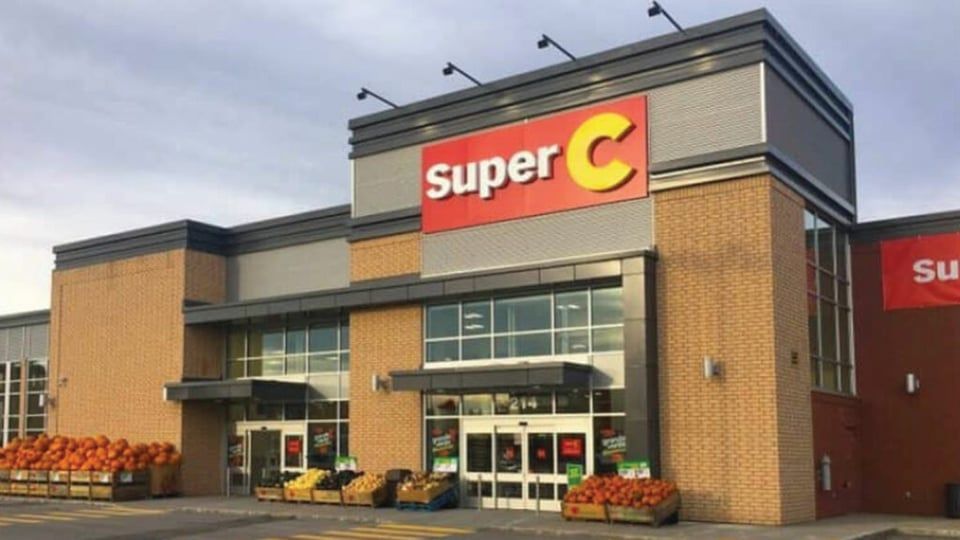
As grocery prices continue their upward trajectory across Quebec, consumers are actively seeking ways to stretch their food budgets further. A comprehensive price comparison conducted by Narcity Quebec has uncovered an unexpected contender in the battle for grocery savings: Amazon. The e-commerce behemoth consistently offers lower prices than Super C, Quebec's renowned discount supermarket chain, on a selection of ten everyday pantry staples. While the individual savings per item may appear modest, ranging from a quarter to just over a dollar, these differences accumulate substantially when applied to regular household purchases over time.
Detailed Price Comparison Methodology
The study employed rigorous methodology to ensure accurate comparisons between Amazon and Super C. Researchers meticulously matched identical brand products in equivalent sizes across both retailers whenever possible. All prices were verified during the specific timeframe of September 16-23, 2026, carefully accounting for temporary promotions and sale periods at both establishments. The analysis deliberately focused on non-perishable and shelf-stable grocery items that households frequently repurchase, spanning categories from snacks and condiments to coffee and breakfast cereals. This approach eliminated variables related to product freshness or perishability that could complicate direct price comparisons.
Notable Savings on Breakfast and Baking Staples
The most substantial price differences emerged in breakfast foods and baking essentials. A 778g box of Apple Cinnamon Cheerios demonstrated an 18.7% price advantage on Amazon, costing $4.87 compared to Super C's promotional price of $5.99 (regularly $6.99). Similarly, the 1kg jar of Nutella showed a 12.5% discount at $9.61 on Amazon versus $10.99 at Super C. These products represent recurring purchases for many households, making their price differences particularly impactful over time.
"These are the types of products that households buy repeatedly," noted researcher Véronik, "so consistently choosing the lower-priced option creates meaningful annual savings."
Competitive Pricing on Small-Ticket Items
Amazon maintained surprising price advantages even on low-cost convenience foods where margins are typically slim. The iconic Kraft Dinner (200g) showed a slight $0.02 difference at $1.67 online versus $1.69 in-store. While this minimal gap might not justify a separate online order, it demonstrates Amazon's ability to compete with Super C's reputation for rock-bottom pricing on processed foods. Similarly, Dare Veggie Crisps (100g) were priced $0.40 lower online at $2.48 compared to Super C's sale price of $2.88 (regularly $4.19), representing a 13.9% savings.
Super C's Competitive Strengths
The comparison revealed areas where Super C maintains strong price competitiveness. The gap narrowed significantly for certain essentials like Hellmann's mayonnaise (1.42L at $9.48 on Amazon vs $9.79 at Super C) and Kraft peanut butter (1kg at $10.97 vs $11.49). These minor differences of $0.31 and $0.52 respectively might not justify the wait for delivery, especially considering Amazon's potential minimum order requirements for free shipping. The report suggests that for these items, the convenience of immediate in-store pickup could outweigh the modest online savings.
Cumulative Impact of Small Savings
The study emphasizes the psychological and financial impact of incremental savings. While individual price differences like $0.25 on Goldfish crackers or $1.02 on Maxwell House coffee might seem negligible, their combined effect becomes meaningful. A household purchasing all ten compared items would save approximately $6.19 per shopping trip. When applied to weekly grocery orders, this approach could yield over $320 in annual savings without requiring consumers to switch brands or compromise on product quality.
Changing Retail Landscape in Quebec
These findings challenge conventional assumptions about where Quebec consumers can find the best grocery deals. As inflation continues to strain household budgets, shoppers are reevaluating traditional purchasing patterns. Amazon's growing competitiveness in everyday essentials signals an evolution in Canada's grocery retail environment, where e-commerce platforms are increasingly capturing market share in categories historically dominated by physical discount stores. While brick-and-mortar retailers maintain advantages in perishable goods and impulse purchases, this study suggests price-conscious consumers should incorporate online price checks into their regular shopping routines, particularly for shelf-stable items where delivery timing presents no inconvenience.
Strategic Shopping Considerations
The research highlights several practical considerations for Quebec shoppers. First, the importance of comparing prices across both online and physical retailers for frequently purchased items. Second, the value of tracking promotions and sale cycles at different stores. Third, the potential benefits of combining online grocery purchases with other Amazon orders to meet free shipping thresholds. Finally, the study demonstrates how systematic application of marginal savings strategies across recurring household purchases can yield substantial annual savings without requiring significant lifestyle changes.
All prices were confirmed at time of publication but remain subject to change. Taxes and potential shipping fees were not included in the comparisons. Consumers are advised to verify current pricing before making purchasing decisions.