Toronto residents face insurance hurdles amid backlog of storm damage claims
Two weeks after a severe storm battered the GTA, homeowners and drivers still struggle with delayed insurance claims and overwhelmed repair shops, as insurance companies and restoration businesses face unprecedented demand.
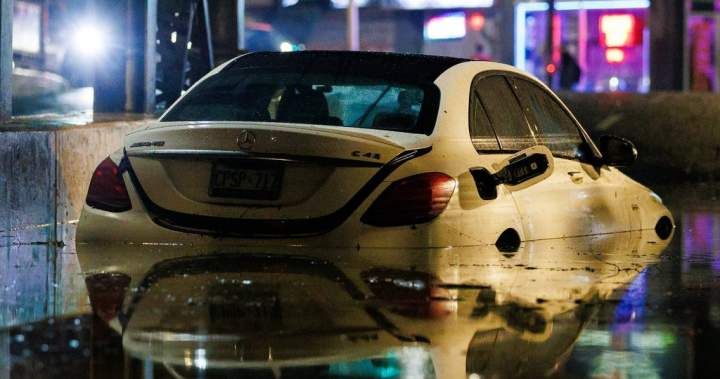
Nearly two weeks after a powerful storm system caused widespread damage across the Greater Toronto Area, many residents remain caught in frustrating bureaucratic limbo as they handle insurance claims and wait for repairs. The September 2 storm brought destructive elements including high winds that toppled trees and power lines, torrential rains dropping over 100 millimeters in some areas that flooded basements and major streets, and severe hail that left hundreds of vehicles with extensive damage. Toronto fire officials reported nearly 1,500 emergency calls during the storm, marking their second-highest call volume in a day since the 2013 ice storm.
Insurance frustrations mount
East York resident John McCorkell exemplifies the challenges many face when dealing with insurance companies after the storm. A large tree crushed his vehicle during the extreme weather event, and while initially filing his claim was straightforward, McCorkell described subsequent interactions with his insurance provider as increasingly problematic.
"The insurance company has given us a bit of the runaround saying the car was here and the car was in Ajax,"he told CityNews, highlighting communication issues. The claims process has been further complicated by delays in receiving documentation from his bank regarding a small remaining balance on the damaged vehicle.
McCorkell expressed particular frustration with the insurance company's handling of his temporary rental car coverage, which was unexpectedly terminated during the claims process.
"They started giving us paperwork to fill out, more paperwork, silly paperwork ... and a lot of people on the phones didn't know what they were talking about really,"he said. Despite these frustrations, McCorkell remains grateful that the falling tree only damaged property rather than injuring family members or pets.
Automotive repair shops overwhelmed
The storm's aftermath has created unprecedented demand for automotive repair services across Toronto. Raj Singh, manager at Carstar Toronto Eastern, showed reporters an electric vehicle that suffered catastrophic damage when a large tree branch impaled it through the rear engine compartment and hood. Windows and doors were also damaged in the incident, though fortunately no one was inside the vehicle at the time.
"This [storm] could take the cake. It potentially could be a total (loss),"Singh said, noting they're awaiting insurance company authorization before beginning what could be a one-to-two month repair process involving complete disassembly of the vehicle.
At Excellence Auto Collision in Scarborough, the business has been particularly inundated with hail-damaged vehicles. The company responded to the surge in demand by implementing innovative assessment technology, bringing in a high-tech vehicle scanner and flying in a scanning specialist from Calgary. Tomel Sidi, one of many affected drivers, described the extensive damage to his Hyundai after watching helplessly as large hail stones pounded his vehicle during the storm.
"(The damage is) very bad. I think I have a few hundred dents at least that I can see,"Sidi said, pointing out numerous dents across his vehicle's surfaces.
Technological advances in damage assessment
The auto repair industry is employing new technologies to handle the volume of storm-related claims more efficiently. The scanning system at Excellence Auto Collision provides detailed 360-degree assessments in approximately five minutes, a significant improvement over traditional manual inspections. Mark Millson, director at the shop, explained:
"Traditionally this would all be counted by hand where somebody would sit there with a light ... very time consuming. Obviously (there's) the ability for human error to miss a dent."
During one assessment observed by CityNews, the system detected 211 dents on a single vehicle, with the heaviest concentration on the roof (49 dents) and left-side doors (39 dents). The technology not only identifies damage but creates comprehensive reports complete with photos and video documentation for both customers and insurance companies, streamlining the claims process.
Insurance industry response
The Insurance Bureau of Canada has activated its consumer information center to assist policyholders handling claims in the storm's aftermath. Anne Marie Thomas, the organization's consumer and industry relations director, noted that extreme weather events are becoming more common, stating:
"What went through my mind was sort of, 'Here we go again' ... these events are no longer unexpected."The bureau estimates it may take another month to compile rough damage estimates across the GTA, as adjusters work through an unprecedented volume of claims.
Thomas clarified that hail damage is typically covered under comprehensive or "all-perils" policies for those who have elected such coverage, and such claims generally don't affect individual premiums. However, she noted that widespread payouts could potentially lead to broader rate increases across the region. For home damage claims involving trees, debris, flooding or wind damage, insurers are prioritizing cases where residents have been displaced from their homes.
Protecting consumer interests
Thomas offered crucial advice for those filing storm-related claims, emphasizing the importance of thorough documentation.
"There is no such thing as too much information when it comes to an insurance company and your claim,"she said, recommending policyholders retain all receipts for temporary repairs, equipment rentals, or emergency purchases like wood for boarding up damaged windows. These expenses may be reimbursable depending on policy coverage.
The insurance expert also warned residents to be vigilant about potential fraud in the storm's aftermath.
"Verify anyone who comes to your house saying, 'I'm here with your insurance company,'"she advised, stressing the importance of confirming contractor information directly with insurers before allowing any work to begin.
Broader implications
The September storm and its prolonged aftermath highlight significant challenges in urban disaster response and insurance systems. As climate change increases the frequency and intensity of extreme weather events, both the insurance industry and municipal infrastructure face growing pressures. The current backlog of claims demonstrates how a single severe weather event can overwhelm local repair capacity and stretch insurance adjuster resources thin.
For Toronto residents, the situation underscores several key lessons: the importance of thoroughly understanding insurance policy details before disasters occur, the value of maintaining comprehensive documentation when filing claims, and the need for patience during widespread damage events when many are simultaneously seeking assistance. The widespread vehicle damage also raises important questions about urban tree management and parking infrastructure resilience during severe weather events.
As recovery efforts continue across the Greater Toronto Area, the storm's impacts will likely influence both individual insurance decisions and broader policy discussions about climate resilience in Canada's largest urban center. The Insurance Bureau of Canada encourages affected residents to contact their consumer information center at 1-844-227-5422 or via email at [email protected] for assistance with claims-related questions.