Trump Administration Approves $2.8 Billion Weapons Sale to Israel Including Controversial 2,000-Pound Bombs
The U.S. plans to deliver 40,000 powerful bombs to Israel, reversing a Biden-era pause due to concerns over civilian casualties in Gaza. The deal signals continued military support despite international criticism of Israel's campaign.
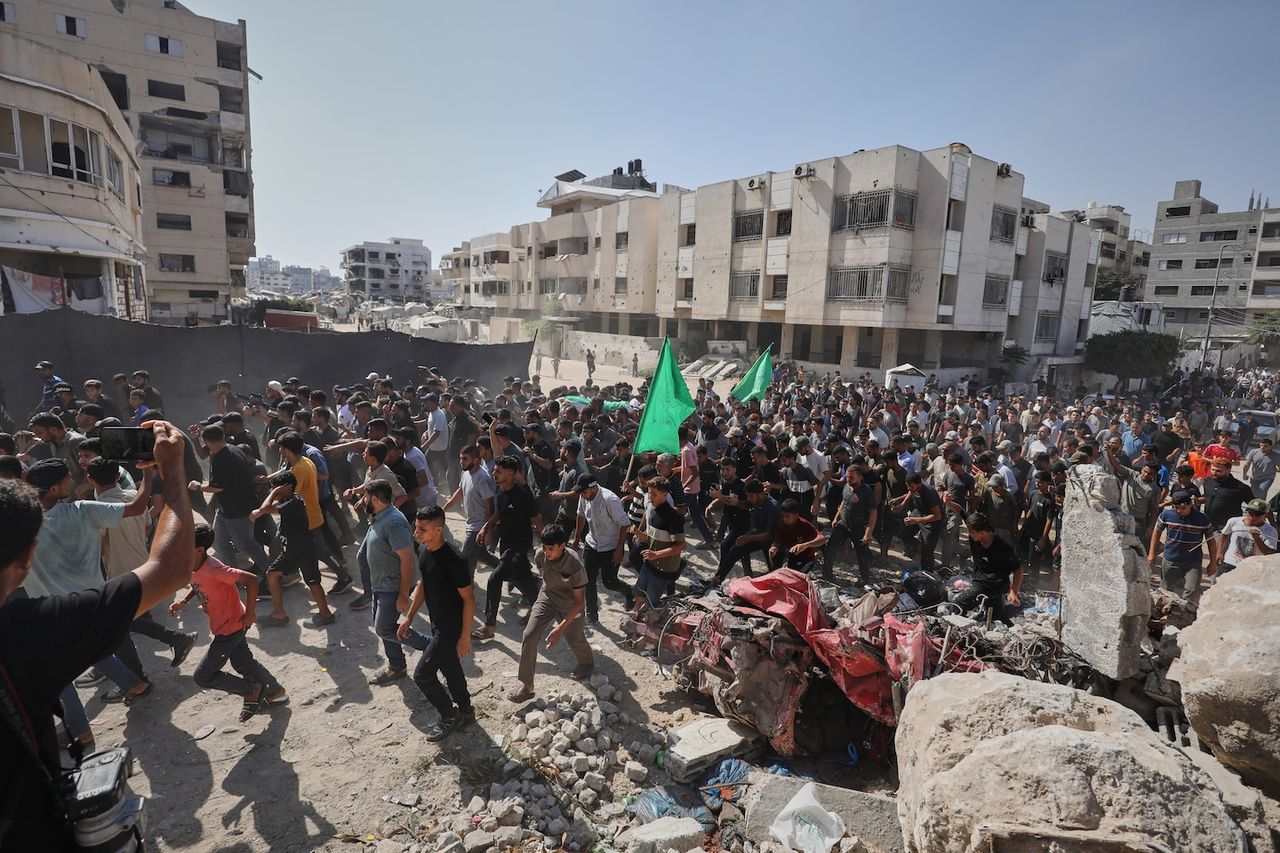
The Trump administration has finalized plans for a $2.8 billion weapons sale to Israel that includes 40,000 powerful 2,000-pound bombs, according to multiple U.S. officials familiar with the pending deal. This substantial arms package represents a significant policy reversal from the Biden administration's 2024 decision to pause shipments of these munitions over documented concerns about their use in Gaza's densely populated urban areas.
The Weapons Package Details
The proposed sale consists of 20,000 Mk84 general-purpose bombs and 20,000 BLU-117 bunker buster variants, according to two senior U.S. officials and another source briefed on the plan who requested anonymity because the deal has not been formally announced. The 2,000-pound bombs represent some of the most destructive conventional weapons in modern arsenals, with variants designed for different combat scenarios. The Mk84 is a general-purpose bomb capable of causing widespread above-ground destruction, while the BLU-117 is engineered to penetrate hardened underground targets like the tunnel networks used by Hamas militants.
Congress has received informal notification about the pending arms deal through standard channels, with most of the funding coming through foreign military financing arrangements. This mechanism effectively creates a circular flow where U.S. taxpayer dollars are allocated to Israel, which then uses those funds to purchase the weapons from American defense contractors. This system ensures continued revenue for U.S. arms manufacturers while maintaining Israel's qualitative military edge in the region.
Policy Reversal From Biden Administration
The Biden administration had placed a hold on one shipment of these bombs in 2024 following extensive documentation of their devastating effects in Gaza's urban environment. That pause was lifted immediately when President Trump returned to office, reflecting the administration's different priorities regarding arms transfers and Middle East policy. This marks the third major arms sale to Israel under the current Trump administration, building on a $3 billion package approved last year that included over 35,500 bombs and a $6.67 billion sale authorized in January.
The continued weapons transfers occur despite visible tensions in the personal relationship between Trump and Israeli Prime Minister Benjamin Netanyahu, particularly regarding their joint military campaign against Iran that began in February. The two leaders' meeting at the White House in July revealed ongoing frustrations, yet the sustained pace of arms sales demonstrates how institutional and strategic military cooperation continues regardless of interpersonal dynamics between leaders.
Gaza Conflict Context
This proposed arms sale arrives at a sensitive moment in the Gaza conflict, as Israel faces increasing international condemnation over its military campaign launched in response to Hamas' October 2023 attack that killed approximately 1,200 Israelis and resulted in 251 hostages. According to Gaza's Health Ministry, the Israeli offensive has caused over 73,264 Palestinian deaths since hostilities began, including casualties during the current fragile ceasefire period.
While large-scale ground operations have diminished since the October ceasefire took effect, Israel has maintained an active campaign of airstrikes in Gaza territory. Overnight attacks continuing into Tuesday resulted in several additional fatalities, occurring despite diplomatic efforts by Jared Kushner, Trump's son-in-law and key Middle East negotiator. Kushner met with Netanyahu last month specifically to reinforce the ceasefire agreement and urge restraint in military operations.
Documented Use of U.S. Munitions
Israel has maintained limited transparency about specific munitions employed in Gaza operations, but independent weapons experts analyzing strike footage, blast patterns and fragments recovered from attack sites have consistently identified U.S.-made bombs being used throughout the conflict. The 2,000-pound bombs have drawn particular scrutiny due to their enormous destructive radius and documented effects on civilian infrastructure in urban combat environments.
Israeli military officials maintain that all strikes represent necessary responses to militant activities, including shooting attacks on Israeli troops and other alleged ceasefire violations. However, the continued use of heavy munitions in populated areas complicates international efforts to stabilize the temporary truce brokered by U.S. mediators.
Pattern of Expanded Military Support
This latest proposed arms sale continues the Trump administration's established pattern of significantly expanding military support for Israel. The administration previously bypassed standard congressional review procedures last year to expedite the $3 billion weapons transfer that included thousands of bombs. The subsequent January approval of $6.67 billion in additional arms further reinforced this policy trajectory, creating consistent supply lines of advanced American weaponry to Israeli forces.
The foreign military financing mechanism at the heart of these deals creates multiple beneficiaries - U.S. defense contractors gain guaranteed sales, Israel maintains military superiority, and the administration reinforces political alliances. However, critics argue this approach creates structural incentives for prolonged conflict rather than creating conditions for sustainable diplomatic solutions.
Strategic Implications
The approval of these powerful munitions despite extensive documentation of their humanitarian consequences reflects the Trump administration's unequivocal support for Israel's military strategy. While this strengthens the U.S.-Israel alliance in geopolitical terms, it risks exacerbating regional tensions and extending cycles of violence in Gaza through the provision of increasingly destructive capabilities.
The decision also underscores how arms sales have evolved into a primary instrument of U.S. foreign policy in the Middle East, with successive administrations using weapons transfers as both strategic tools and political signals. The reversal of the Biden-era pause demonstrates how these policies can shift dramatically between administrations, creating uncertainty about long-term commitments to conflict mitigation and civilian protection standards.
Broader Diplomatic Context
This arms sale occurs against a backdrop of increasing international isolation for Israel regarding its Gaza campaign, with multiple UN resolutions and international court proceedings examining potential violations of international law. The U.S. position as Israel's primary military backer has drawn criticism from allies and adversaries alike, complicating broader diplomatic efforts in the region.
At the same time, the continued flow of advanced weaponry demonstrates the depth of institutional ties between the U.S. and Israeli militaries that persist across administrations. The speed with which the Trump administration reversed the Biden-era pause suggests these sales reflect more than policy preferences - they represent entrenched aspects of the bilateral relationship that transcend individual presidencies.