Quebec Leaders Clash Over Childcare, Independence in First 2026 Election Debate
The five main Quebec party leaders sparred over childcare funding, government spending and sovereignty in a heated first debate ahead of the 2026 provincial election.
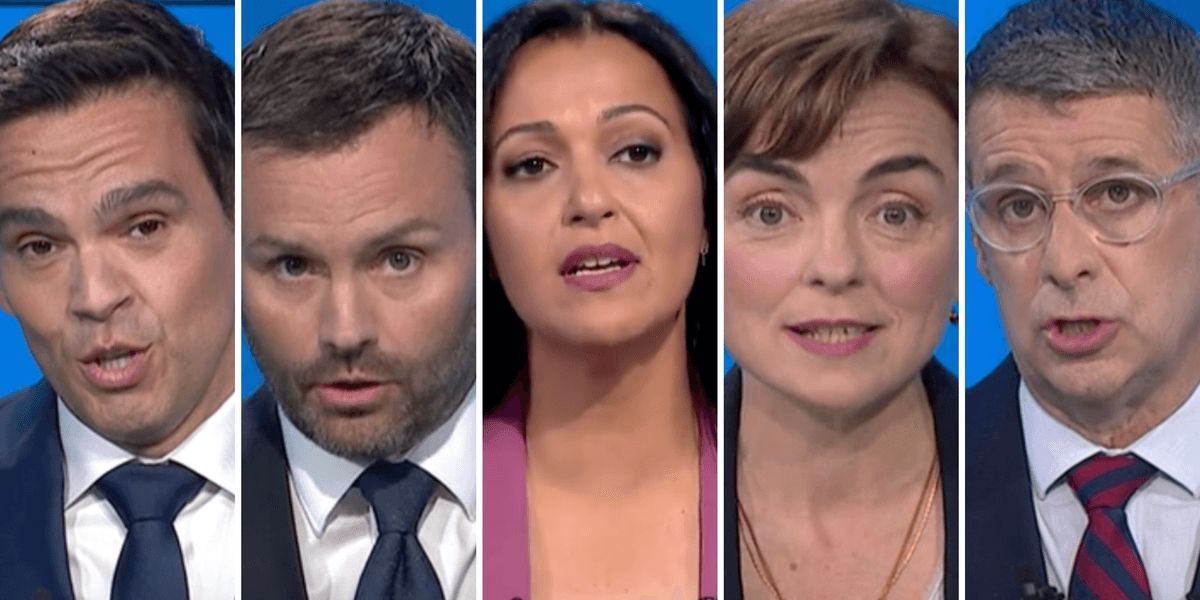
The 2026 Quebec election campaign officially ignited on Tuesday night as the leaders of the province's five major political parties faced off in a televised debate that revealed stark ideological divisions on economic policy and Quebec's constitutional future. Hosted by TVA's Paul Larocque, the two-hour Face-à-Face event marked the debate debut for three leaders: Coalition Avenir Québec's Christine Fréchette, Québec solidaire co-spokesperson Ruba Ghazal, and Liberal leader Charles Milliard, who joined veteran debaters Éric Duhaime of the Conservatives and the Parti Québécois's Paul St-Pierre Plamondon.
Childcare System Becomes Central Battleground
The most contentious exchange of the evening emerged during discussions about Quebec's cost-of-living crisis, when Fréchette launched a direct attack on Duhaime's proposal to reduce government spending on subsidized childcare.
"It's literally a dismantling of the state. This isn't real boldness, it's real destruction,"the CAQ leader asserted, co-opting the Conservative Party's campaign slogan. Fréchette framed the debate as a women's rights issue, highlighting how Quebec's network of early childhood centers (CPEs) enabled "70,000 women to enter the workforce" by providing affordable childcare. Her personal anecdote about struggling as a young mother without access to subsidized care underscored the emotional resonance of the policy. Duhaime countered that his plan would
"put money back in parents' pockets"through tax cuts rather than expanding the existing system, setting up a fundamental philosophical clash about the role of government in social services.
CAQ Defends Record Against Multipronged Attacks
As the incumbent party leader, Fréchette faced sustained criticism about the CAQ's eight-year governance under former premier François Legault and her own five-month tenure. PQ leader St-Pierre Plamondon delivered one of the night's most scathing indictments, accusing the government of "shameless waste" that depleted resources needed to address inflation. He cited several high-profile examples including the Northvolt battery plant investment, the Nemaska lithium battery production facility in Bécancour, and a problematic Health Québec IT project with costs approaching $1 billion. Fréchette's defensive response that
"the only business you brought to Bécancour was a pot business"referenced the Liberal-era deal with cannabis producer HEXO, demonstrating how historical grievances continue to shape current political debates.
Unlikely Policy Alignments Emerge
One of the debate's most surprising dynamics was the frequent convergence between the traditionally opposed Parti Québécois and Liberal Party on specific policy issues. Within seconds during one exchange, St-Pierre Plamondon and Milliard found common ground on regulating rent increases in private senior residences and emphasizing preventive healthcare measures through physical activity promotion. This alignment wasn't entirely coincidental - both parties had released similar policy proposals on healthcare prevention days before the debate. The most striking moment of agreement came when the PQ leader expressed willingness to collaborate with the federal government under specific conditions:
"If and when it respects Quebec's interests, collaboration is non-negotiable,"prompting Milliard's sardonic interjection
"That's new"about the sovereigntist's openness to Ottawa.
Sovereignty Debate Exposes Fundamental Divides
The debate's closing segment laid bare the enduring constitutional fault lines in Quebec politics, with QS and PQ reaffirming their pro-independence positions. When Liberal leader Milliard pressed Fréchette to clarify whether she would hold another referendum (noting she voted Yes in 1995), the CAQ leader avoided direct response, reflecting her party's attempt to sidestep the sovereignty issue. Conservative leader Duhaime dismissed the entire constitutional debate with folksy rhetoric:
"One leader dreams of driving the Yes bus, another the No bus. Quebecers don't want a referendum - we don't want those buses leaving the garage."This exchange highlighted how Quebec's traditional federalist-sovereigntist dichotomy has become more complex with the rise of parties like the CAQ and Conservatives that prioritize other issues.
New Leaders Handle High-Stakes Debut
The debate represented a crucial test for three first-time participants. Fréchette had to simultaneously defend her party's record while establishing her own leadership identity separate from Legault. Ghazal sought to position Québec solidaire as both a progressive alternative and credible sovereigntist option. Milliard faced the challenge of revitalizing the Liberal brand after years of declining support. Their performances against seasoned debaters Duhaime and St-Pierre Plamondon revealed both the difficulties and opportunities facing new leaders in a politically fragmented Quebec.
Road Ahead in Tight Election Race
While lacking dramatic fireworks, this first debate established clear battle lines for the remaining campaign. Fréchette's struggle to reconcile defense of CAQ accomplishments with distancing from unpopular Legault-era policies suggests potential vulnerability, even as polls still show her party leading. The unexpected PQ-Liberal policy alignments could create new dynamics in the race, particularly on social issues. Duhaime's childcare proposals may energize fiscal conservatives but risk alienating suburban female voters. With two more debates scheduled - including a September 23 Radio-Canada showdown hosted by Patrice Roy - and the October 5 election fast approaching, Quebec's political future remains intensely contested across multiple ideological fronts.