Edmonton infill debate escalates as residents use restrictive covenants to block multi-unit developments
Edmonton homeowners are increasingly turning to restrictive covenants and property purchases to prevent multi-unit infill developments in their neighbourhoods, sparking a heated debate about zoning policies, property values and community character that has drawn provincial attention.
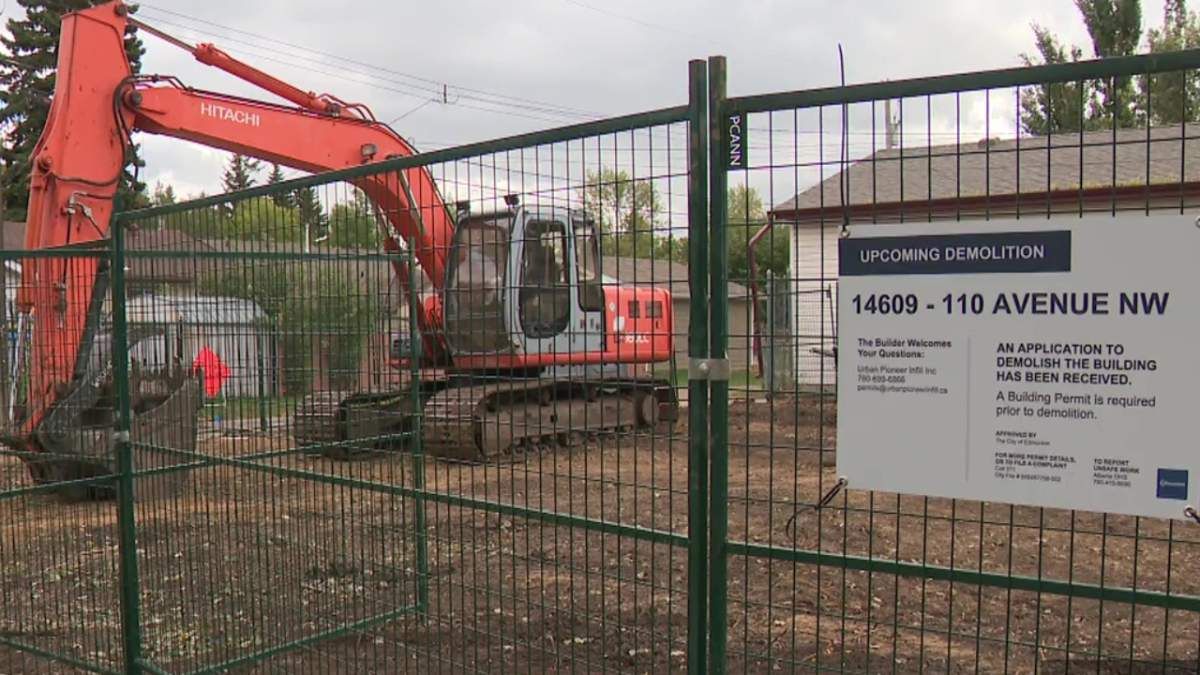
The battle over Edmonton's infill housing policy has reached new intensity as residents employ legal measures and financial strategies to shape development in their neighbourhoods. This growing conflict highlights the tension between urban densification goals and community preservation efforts, with implications for housing affordability and municipal governance across Alberta.
Neighbourhood resistance transforms development plans
In west-central Edmonton's McQueen neighbourhood, a proposed eightplex development has been completely reimagined due to community opposition. Real estate agent and developer Terry Paranych intervened after concerned residents approached him about the project. "This is a very quiet residential street. It's a one-entry crescent with a beautiful green space and the community was very, very concerned about it," Paranych explained.
The original multi-unit plan has been replaced with a single-family home design that better matches the existing neighbourhood character. Paranych's new proposal features a 2,500-square foot, two-story urban craftsman-style home with four bedrooms, a veranda, attached double garage and large backyard - what he describes as "the perfect family home." This marks one of about six instances in the past year where Paranych has purchased properties originally slated for multi-unit infills after being approached by concerned community members.
Legal tools and financial measures shape communities
Edmonton homeowners are increasingly utilizing restrictive covenants, legally binding agreements that dictate future property use and development. These covenants remain attached to property titles even after sale, allowing current residents to influence long-term neighbourhood character. This summer saw hundreds of homeowners in Duggan and Rideau Park establish 20-year covenants that limit building heights to two storeys, cap unit numbers, and mandate parking requirements.
While gaining recent popularity, restrictive covenants have deep roots in Edmonton's development history. The exclusive Glenora neighbourhood was established in the 1910s with the Carruthers Caveat, requiring single-family homes on expansive lots. Commercial applications have included grocery stores using covenants to block competitors, sometimes creating areas without nearby food options. The current residential use reflects growing concerns about maintaining neighbourhood identities amid rapid urban change.
Developer advocates for collaborative approach
Paranych, with two decades of experience in single-family infill projects, emphasizes community consultation as essential to successful development. "We talk to the neighbours, we talk to the community, we get involved and we want their input on what we're going to be, ultimately, building on their streets," he said. This approach contrasts with what he describes as a growing trend of developers bypassing community engagement. "Unfortunately, with the way things have gone, you have a lot of these multi-unit infills. There's just no consultation, and they just put them up - and that's why the communities are clearly upset."
The developer has personally intervened in several cases where neighbours faced unwanted development, including purchasing a property from a neighbour moving overseas. "Purchased it and we put a covenant on it, and sold it to a nice young family," Paranych recounted, illustrating how some residents are taking direct action to shape their communities.
Municipal policy meets community resistance
In 2023, Edmonton implemented significant zoning changes allowing multi-unit buildings up to three storeys citywide, aiming to increase housing variety and affordability. These changes were bolstered in early 2024 by $175 million in federal Housing Accelerator funding targeting over 5,200 new units within three years. Mayor Andrew Knack defended the city's approach while acknowledging resident concerns: "We've taken action on some of the specific concerns people have raised and at the same time ensured enough housing can be built so more people actually have a chance to have a home in this city."
The policy changes reflect broader urban planning trends promoting densification as an alternative to sprawl, but implementation has sparked significant backlash. The issue became central to Edmonton's 2025 municipal election, with candidates grappling with how to balance growth and preservation. Residents have raised concerns ranging from parking shortages to construction quality, with some describing developer practices as predatory.
Provincial government considers intervention
The infill debate has reached provincial levels, with Premier Danielle Smith announcing that Municipal Affairs Minister Dan Williams is reviewing concerns about Edmonton's zoning approach. During her radio program, Smith relayed resident complaints: "Residents who are impacted by it are saying, 'Hey, this doesn't make sense to build these massive units in our neighbourhood.'" She described how single lots are being converted to hold multiple townhouse-style units, sometimes resulting in what she called "a massive apartment building complex" in formerly single-family areas.
Mayor Knack pushed back against potential provincial involvement, asserting that "land use is a local decision and it should always be a local decision." This exchange highlights growing tensions between municipal and provincial authorities over urban development policies in Alberta.
Property value concerns drive opposition
Underlying much of the resistance to multi-unit infills are homeowner fears about declining property values. Paranych articulated these concerns: "Could you imagine buying a home, moving into a neighbourhood to become a fabric of that community, and then something on either side goes next to you and you lose $400,000 or $500,000 in value of your home? It's devastating and its been happening all over." While such dramatic value losses may not be universal, the perception has significantly shaped community responses to infill projects.
The financial stakes have motivated various resistance strategies, from restrictive covenants to direct property purchases. Some residents have even bought neighbouring properties specifically to prevent unwanted development, though Paranych notes this extreme measure shouldn't be necessary with proper consultation processes.
Broader implications for urban development
The Edmonton infill debate reflects nationwide challenges balancing housing supply needs with community preservation. As Canadian cities grapple with affordability crises, densification policies often collide with established neighbourhood identities. Edmonton's situation demonstrates how technical zoning changes can spark significant public backlash when communities feel excluded from decision-making processes.
The outcome of this conflict may influence urban development approaches across Canada, testing how cities can accommodate growth while respecting existing community character. With both federal housing funds and provincial oversight now involved, Edmonton's experience could set important precedents for municipal authority in land use decisions during a national housing shortage.