U.S. House votes for third time to end Iran war as conflict enters seventh month with mounting costs
The House passed a war powers resolution 220-204 to halt military action against Iran, marking the third such attempt as the $38 billion conflict influences midterm campaigns.
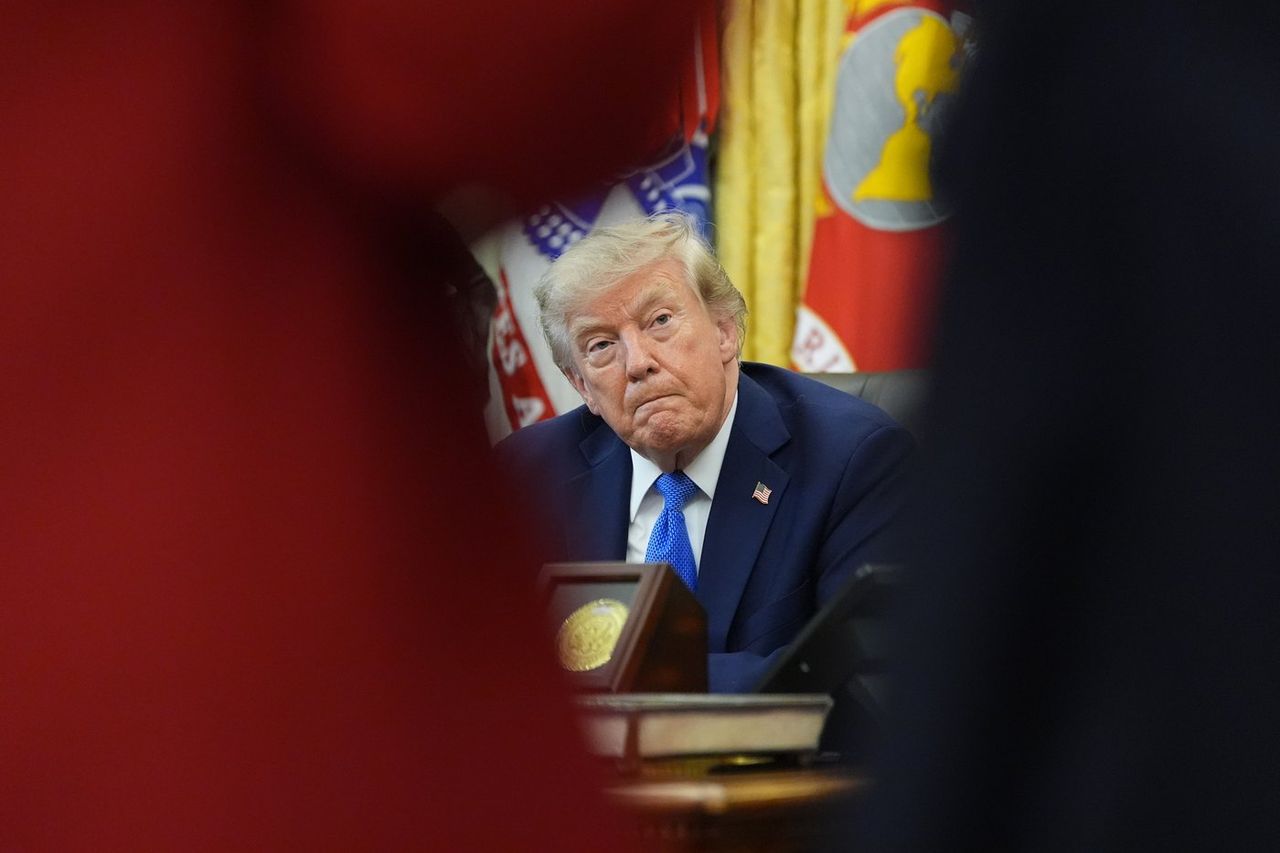
The U.S. House of Representatives has taken its strongest stand yet against continued military engagement in Iran, approving a war powers resolution late Tuesday that would terminate President Donald Trump's authority to conduct operations without congressional approval. This 220-204 vote represents the third such attempt by lawmakers to end the conflict since it began seven months ago, demonstrating growing unease about the war's duration, costs, and political consequences as midterm elections approach.
Shifting political dynamics in Washington
The latest vote revealed notable fractures within Republican ranks, with seven GOP members breaking from party leadership to support the resolution - up from just four in previous attempts. This group included vulnerable incumbents from competitive districts like Representatives Zachary Nunn and Mariannette Miller-Meeks of Iowa, along with retiring lawmakers such as Nancy Mace of South Carolina. Their defections suggest increasing political risk associated with supporting prolonged military action, particularly in battleground states where voters are expressing war fatigue.
House Foreign Affairs Committee Chairman Brian Mast articulated the Republican leadership's position, framing the conflict as necessary to counter what he called Iran's "continuous ongoing threat" to U.S. interests. Mast insisted Trump remains committed to ending "forever wars" rather than initiating them. This argument faced sharp rebuttal from Democratic Representative Seth Moulton, a Marine veteran who emphasized Congress's constitutional responsibility to provide oversight. Moulton challenged his colleagues to "actually ask tough questions" rather than defer to executive branch decision-making, invoking his own military experience during the Iraq War.
The staggering economic impact
New Congressional Budget Office data released Tuesday quantified the war's staggering financial impact, revealing $38 billion in expenditures through August 1 with monthly costs now ranging between $2-3 billion. These figures have taken on heightened significance amid broader economic concerns, with the CBO projecting the conflict will contribute an additional 0.5 percentage points to inflation through 2027. This inflationary pressure compounds existing economic challenges facing American households, making the war's costs a tangible concern for voters.
The war's disruption of oil shipments through the critical Strait of Hormuz has kept gasoline prices raised - a particularly sensitive issue for voters as lawmakers prepare to campaign full-time ahead of November's elections. House Speaker Mike Johnson acknowledged public frustration over fuel costs while suggesting relief might accompany a "new phase" of the conflict involving greater allied participation in regional stabilization efforts. Johnson indicated the administration expects economic conditions to improve after the elections, though he admitted "I'd love it to happen today."
Midterm elections and voter sentiment
With control of Congress at stake in the 2026 midterms, the Iran war has emerged as a defining campaign issue. July polling by AP-NORC found most Americans view the conflict as not worth its costs, creating electoral challenges for Republicans defending their House and Senate majorities. Tuesday's vote likely represents the final congressional action on the matter before Election Day as members shift focus to campaigning with less than 50 days remaining until voters cast ballots.
The conflict's political risks for Republicans stem partly from Trump's reversal of his 2024 campaign pledge to avoid foreign military entanglements. His February 28 decision to launch operations against Iran has resulted in a prolonged engagement marked by sporadic missile exchanges and regional instability - outcomes that contradict initial administration assurances of swift resolution. These developments have become a focal point for Democratic campaigns seeking to portray Republican leadership as overly deferential to presidential war powers.
Constitutional tensions over war authority
This latest war powers vote continues a pattern of legislative challenges to presidential war authority that began in June with the House's first Iran-related resolution. The Senate achieved passage on its tenth attempt in August, only to see Republicans retract their support following presidential pressure. These repeated efforts underscore the unresolved tension between congressional and executive branch authority over military engagements that dates back to the Vietnam War era.
The 1973 War Powers Act, crafted in response to Vietnam-era concerns about unchecked presidential power, sought to clarify these roles by mandating congressional approval for sustained operations beyond 60-90 days. However, successive administrations have interpreted these requirements narrowly, maintaining significant discretion over deployment decisions. The current standoff represents merely the latest chapter in this enduring institutional struggle that has persisted through multiple presidencies and conflicts.
Broader implications for U.S. foreign policy
While unlikely to immediately alter military operations given Trump's veto threat, the House vote carries several significant implications. The growing Republican dissent suggests the war's political utility for the GOP may be waning as voters focus on its economic and human costs. For Democrats, the vote provides a clear contrast with Republican leadership ahead of elections that could hinge on national security issues and congressional oversight of military actions.
More fundamentally, these repeated congressional actions reflect an institutional effort to reassert legislative branch authority over war-making decisions after decades of executive branch dominance. Whether this latest effort gains traction may depend on November's election outcomes, but the constitutional tensions it reveals will persist regardless of which party controls Congress. As the conflict continues without clear resolution, these votes may ultimately represent early indicators of a broader reassessment of America's military commitments abroad.
Regional instability and global consequences
The prolonged conflict has created significant instability in the Middle East, with periodic missile exchanges disrupting commerce and threatening broader regional security. The economic impacts extend beyond U.S. borders, as evidenced by the disruption of critical oil shipments through the Strait of Hormuz. These consequences have drawn increasing international attention and concern, particularly among U.S. allies dependent on Middle Eastern energy resources who find themselves caught in the economic crossfire.
The Congressional Budget Office's inflation projections suggest the war's economic ripple effects may persist for years, potentially influencing Federal Reserve policy and global financial markets. These macroeconomic impacts compound the direct costs of military operations, creating additional pressure on policymakers to justify continued engagement. The war's duration and costs have already exceeded initial administration projections, raising questions about its strategic objectives and exit strategy as the conflict enters its seventh month.
The path ahead
With the midterm elections approaching, the Iran war has become inextricably linked with domestic political dynamics in the United States. The House's repeated votes to terminate military authorization reflect both constitutional concerns and electoral calculations, as lawmakers respond to constituent worries about the war's costs and duration. While the resolutions face almost certain presidential vetoes for now, their growing Republican support indicates the political winds may be shifting as voters prepare to render their judgment on the conflict at the ballot box.