Regina cancels shuttle service for sold-out Foo Fighters concert due to timing conflict with commuter transit
The City of Regina will not provide special shuttle services for Tuesday's nearly sold-out Foo Fighters concert at Mosaic Stadium, citing an unavoidable scheduling conflict with evening commuter transit operations during rush hour.
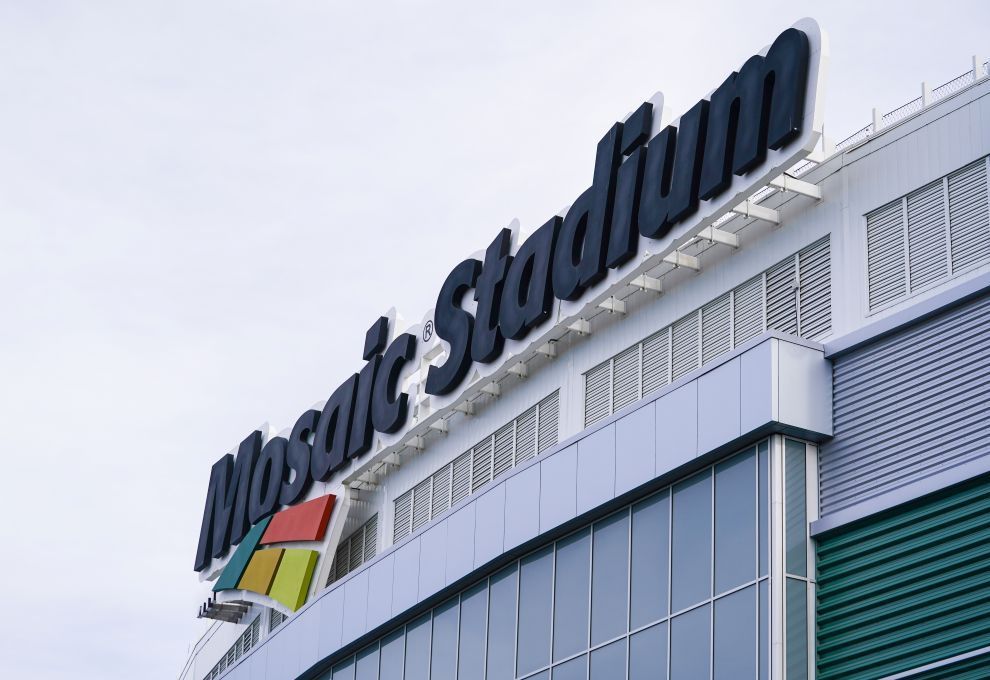
The City of Regina has made the decision to suspend special shuttle services for what promises to be one of the largest concert events in recent memory - Tuesday's Foo Fighters performance at Mosaic Stadium. This marks a significant departure from the transportation accommodations typically made for major events at the venue. While Regina's regular transit network will maintain its standard Tuesday schedule, the municipality has determined it cannot allocate additional resources for dedicated concert shuttles due to the event's timing coinciding with peak commuter hours.
Prioritizing daily transit over event transportation
Regina Mayor Chad Bachynski provided detailed reasoning behind the transportation decision, explaining that the concert's 4 p.m. door opening creates an operational dilemma for the city's transit system.
"Just due to the timing of the concert, it wouldn't be possible for us to have that dedicated chartered service,"Bachynski told Global News. The mayor emphasized that maintaining reliable service for the city's daily commuters took clear precedence over providing specialized transportation for concert attendees.
The scheduling conflict stems from the need to keep buses in circulation during the critical afternoon rush period.
"It wouldn't be possible for us to actually take buses offline for the concert,"Bachynski stated plainly. This operational reality creates a sharp contrast with the transportation services normally provided during Saskatchewan Roughriders football games, which typically occur on weekends or evenings when demand on the transit system is lower.
Historic concert marks return of major events
The Foo Fighters' performance represents a landmark occasion for Regina's entertainment scene, being the first concert held at Mosaic Stadium in seven years. Kyle Russell, vice president of operations and experience with REAL District, confirmed the event has nearly reached capacity, with only a limited number of tickets remaining. The strong public response demonstrates the pent-up demand for major concert events in the region.
The concert lineup features an impressive roster of talent, with supporting acts Queens of the Stone Age and Mannequin Pussy joining the Grammy-winning headliners. The musical program is scheduled to begin at 5:30 p.m. when the first opening act takes the stage, creating an extended evening of entertainment that will test the city's event infrastructure.
Transportation planning becomes crucial for attendees
With the absence of dedicated shuttle services, REAL District officials have intensified their efforts to help concertgoers handle transportation challenges. Kyle Russell stressed the importance of proactive planning, stating
"This is really going to be an exercise in planning for coming to and from the concert."The venue has made comprehensive transportation information available through the REAL District website to assist attendees in making arrangements.
Recognizing the potential for parking congestion, the venue has implemented an advance parking pass system. Russell advised concertgoers to secure parking early, noting
"We do encourage fans to prepay for parking in advance because we do anticipate a sellout, but the campus is a big parking lot."This system aims to streamline vehicle access while preventing last-minute parking chaos.
Logistical challenges of hosting major concerts
The transportation situation highlights the broader infrastructure challenges cities face when hosting large-scale entertainment events. Regina's decision reflects the practical limitations of public transit systems that must serve both routine commuter needs and special event demands. The conflict illustrates how municipal resources can become stretched when major events coincide with peak service periods.
This scenario also raises questions about how mid-sized cities like Regina can accommodate growing demand for live entertainment while maintaining essential services. As touring acts increasingly include secondary markets in their schedules, local infrastructure must adapt to handle the influx of visitors without disrupting residents' daily lives.
Economic and cultural impact for Regina
The Foo Fighters concert represents more than just a musical event for Regina - it signals the city's return to the major concert circuit and provides a significant economic boost. Local businesses in the stadium district are preparing for increased activity, with restaurants, bars and retailers anticipating strong Tuesday evening traffic. The event serves as a case study in how entertainment can drive economic activity in urban centers.
Russell captured the community's enthusiasm about hosting the legendary rock band, saying
"It's just going to be a really fun night, and we're looking forward to people coming out here for a full night of great music."The concert marks an important milestone in Regina's post-pandemic cultural revival and could pave the way for more major events at Mosaic Stadium.
Broader implications for event planning
The transportation challenges surrounding this concert offer valuable lessons for cities hosting similar events. Municipalities must balance competing demands on public resources while ensuring accessible transportation options for event attendees. The situation in Regina demonstrates how advance coordination between venue operators, city officials and transit authorities can help mitigate potential conflicts.
As Canadian cities work to revitalize their entertainment sectors, this case study highlights the need for creative transportation solutions that can accommodate both regular commuters and special event crowds. Future planning may require staggered event start times, enhanced ride-sharing options or partnerships with private transportation providers to bridge the gap during peak demand periods.