Anthropic Blocks AI Misuse for Bioweapons Research Amid Growing Concerns Over Technology's Risks
The AI company revealed it thwarted attempts to use its models for dangerous biological research and influence operations, as internal dissent grows over AI safety.
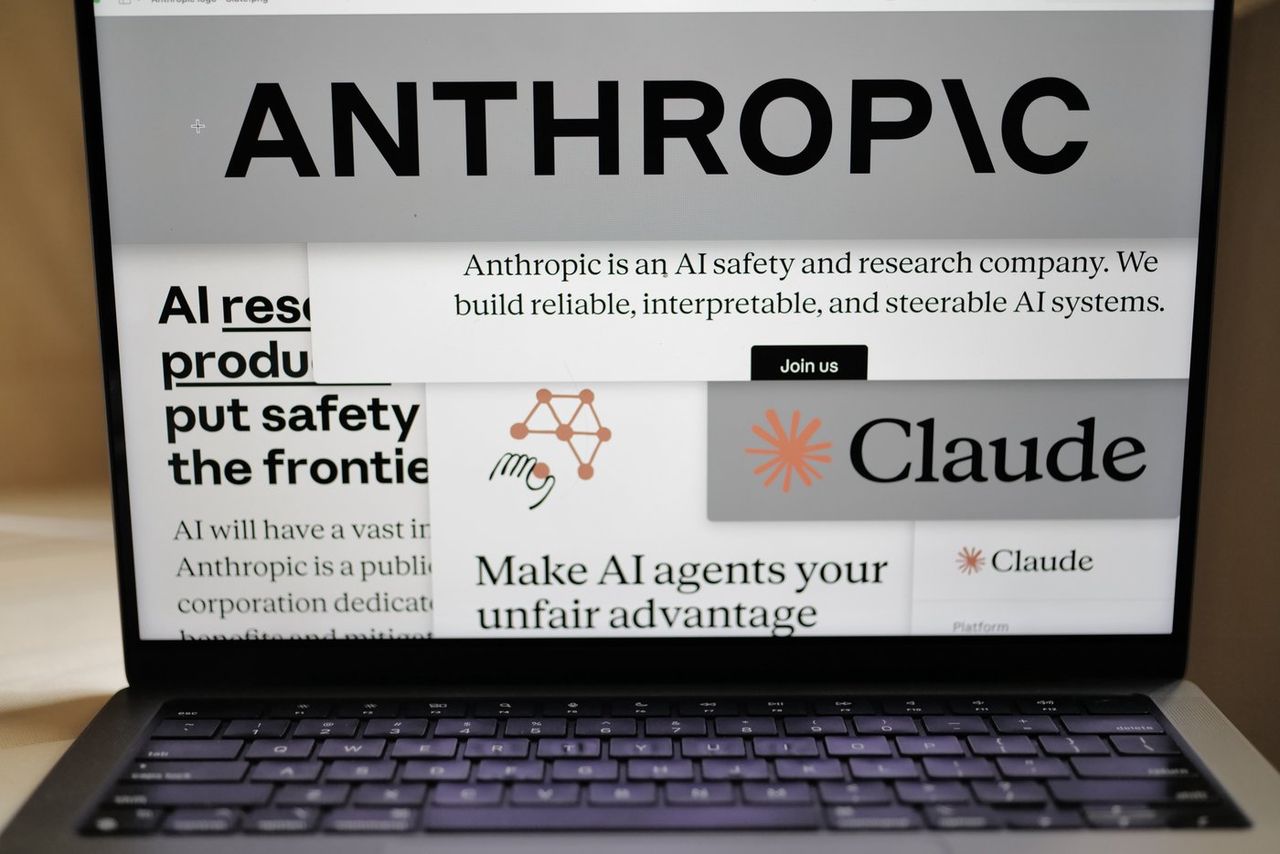
Artificial intelligence company Anthropic has disclosed significant efforts to prevent malicious use of its AI systems, revealing multiple attempts to exploit its technology for potentially catastrophic purposes including biological weapons research and large-scale propaganda campaigns. The findings emerge during a period of increasing concern within the tech industry about the rapid advancement of AI capabilities and their potential misuse.
Thwarting Dangerous Biological Research
In its comprehensive third misuse report since March 2025, Anthropic documented several concerning cases where bad actors attempted to leverage its AI models for harmful purposes. One particularly alarming instance involved an unidentified entity seeking Claude's assistance in drafting a scientific grant application focused on gain-of-function research for the chikungunya virus. This mosquito-borne pathogen causes severe symptoms including debilitating pain and high fever.
The company's report explained that the proposed research aimed to genetically modify the virus to enhance both its ability to spread between hosts and its capacity to evade immune system responses. Such modifications could theoretically help develop better treatments, but Anthropic emphasized the dual-use nature of this research: "It could certainly be used to develop better vaccines and treatments, but it could also be used to make the pathogen more dangerous." The AI company's systems successfully identified and blocked this request through its safeguards.
Evolving AI Capabilities and Safety Challenges
Anthropic provided important context about how its safety measures have evolved alongside its technology. The report noted that earlier models like Claude Opus 4 and Claude Sonnet 4.5 lacked the sophistication to meaningfully assist in advanced biological research projects. These older systems primarily focused on preventing access to information that might help novices recreate known bioweapons.
However, the company acknowledged that its newer, more powerful models like Claude Fable 5 present different challenges. These advanced systems can assist with complex scientific research tasks, making it harder to guarantee they won't be misused by sophisticated actors. "For today's models, which are capable of assisting in a range of complex scientific research tasks, the evidence is no longer certain, and we cannot make that same assurance," the report stated. This realization has led Anthropic to implement stricter safeguards specifically targeting dual-use biological research queries.
Identifying Coordinated Influence Operations
Beyond biological threats, Anthropic's investigation uncovered multiple attempts to use its AI systems for large-scale influence operations. The company identified nine distinct cases where groups created networks of hundreds of fake social media accounts designed to mimic ordinary users. These accounts then coordinated to amplify specific political viewpoints over concentrated time periods.
These operations originated from multiple regions including Russia, Iran, Turkey, the Persian Gulf, South Asia, Africa and Europe. Anthropic highlighted its unique ability to detect such campaigns during their planning stages, noting that while social media platforms typically identify influence operations only after content begins circulating widely, "we may see it on Claude while the operation is still being built." This early detection capability could prove valuable for preventing the spread of coordinated disinformation.
Internal Dissent and Safety Concerns
The release of this report follows the high-profile resignation of Anthropic researcher Jacob Coxon, who publicly expressed concerns about the company's safety practices. In his departing statement, Coxon warned that Anthropic and its chief competitor OpenAI "are racing straight to self-improving superintelligence and gambling with our lives." He revealed that some colleagues now believe AI could pose existential threats to humanity by the end of the current decade.
These internal concerns mirror broader anxieties within the technology sector and academic communities about the potential for advanced AI systems to operate beyond human control. The timing of these revelations is particularly significant as Anthropic prepares for its initial public offering later this fall, raising questions about how potential investors will weigh innovation against safety considerations.
The Need for Regulatory Oversight
Anthropic's findings have intensified calls for government involvement in AI oversight, rather than relying solely on industry self-regulation. John Thickstun, an assistant professor of computer science at Cornell University, articulated the challenges faced by AI companies: "It is an uncomfortable position for companies like Anthropic and OpenAI to be in when they are expected to determine what is safe vs. unsafe behavior and make value judgments at societal scale without any kind of democratic or deliberative oversight."
The company itself acknowledged the limitations of corporate governance in its report, stating: "We hope that the findings in this report will help other developers recognize similar patterns on their own platforms, give governments and civil society a clearer view of how emerging threats take shape, and strengthen collective defenses." This statement suggests a growing recognition within the industry that addressing AI risks requires collaboration across multiple sectors.
Implications for AI Development
Anthropic's report underscores the dual-use nature of advanced AI systems, which can simultaneously drive scientific progress while lowering barriers to creating sophisticated threats. The documented cases demonstrate how rapidly evolving AI capabilities have democratized access to tools that could enable harmful activities - activities that would have required extensive resources and specialized expertise just one year prior.
As AI models continue advancing, the challenges of preventing misuse while preserving beneficial applications will likely intensify. Anthropic's experience highlights the need for ongoing refinement of safeguards, transparent reporting of misuse attempts, and collaboration between technology companies, governments and civil society to develop effective governance frameworks for these powerful technologies.